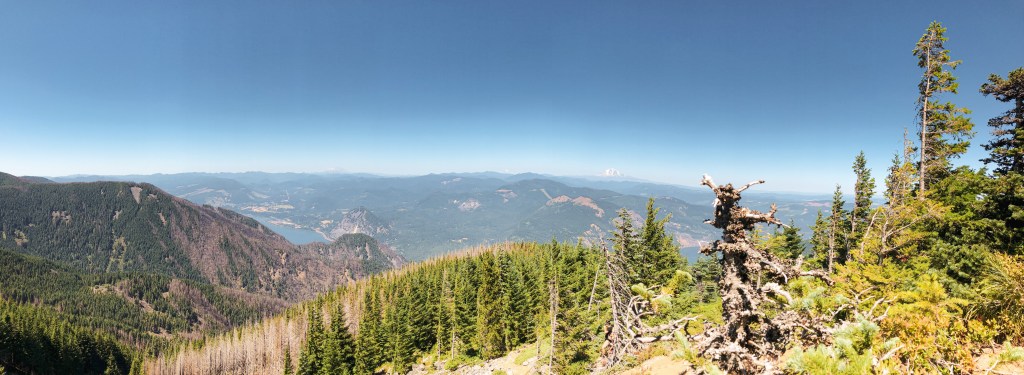
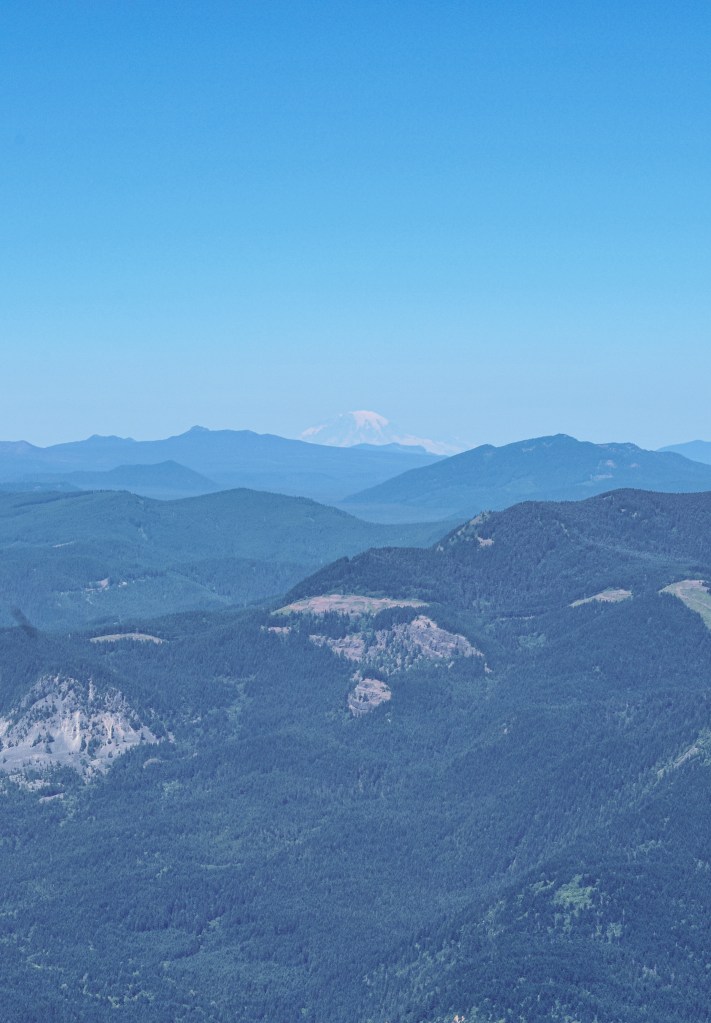
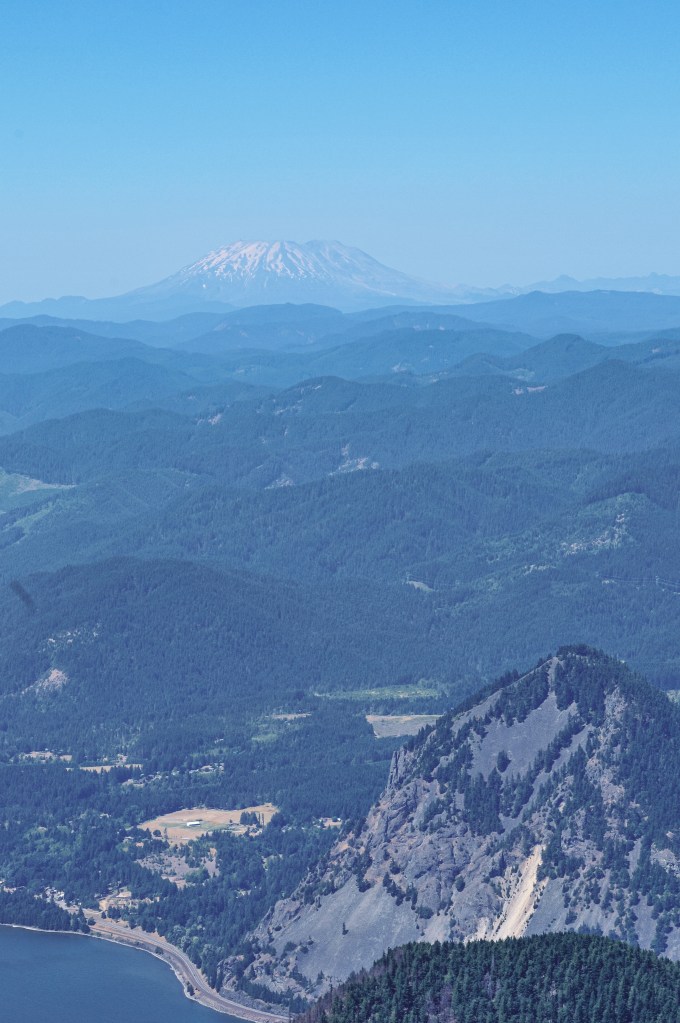
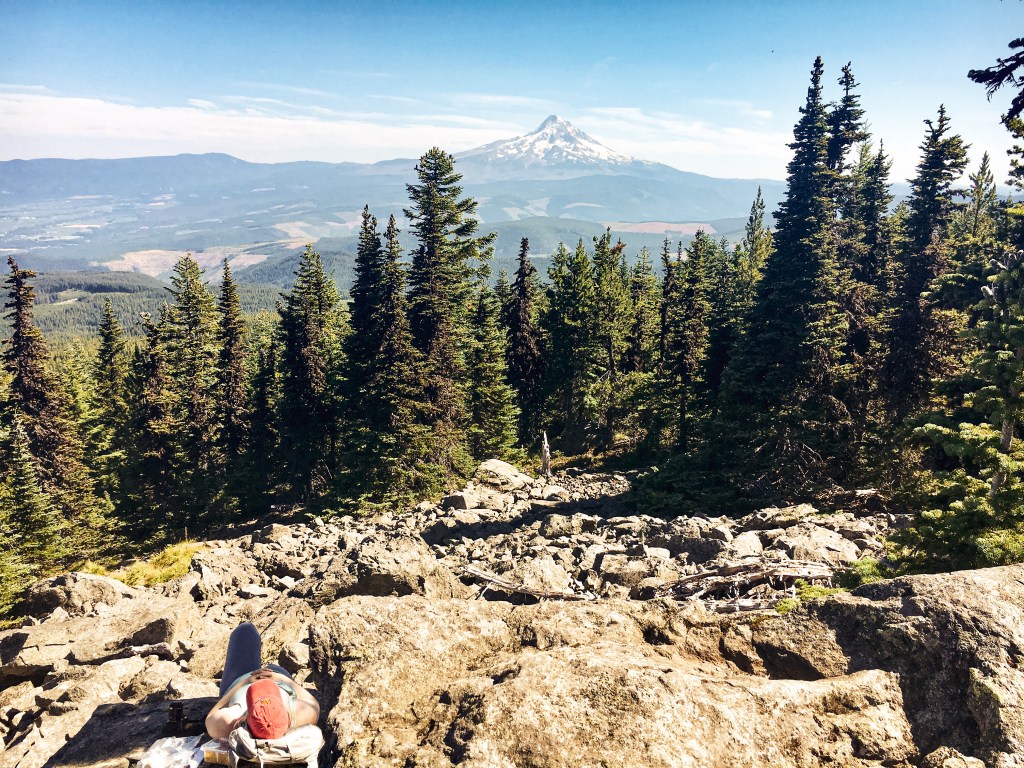
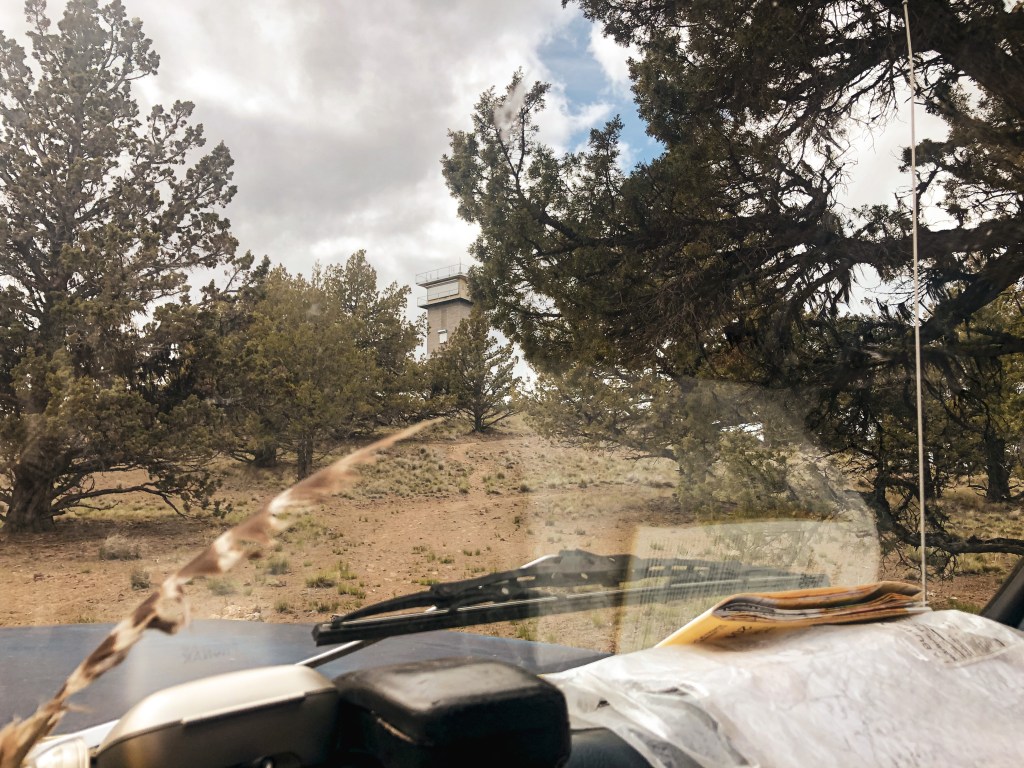
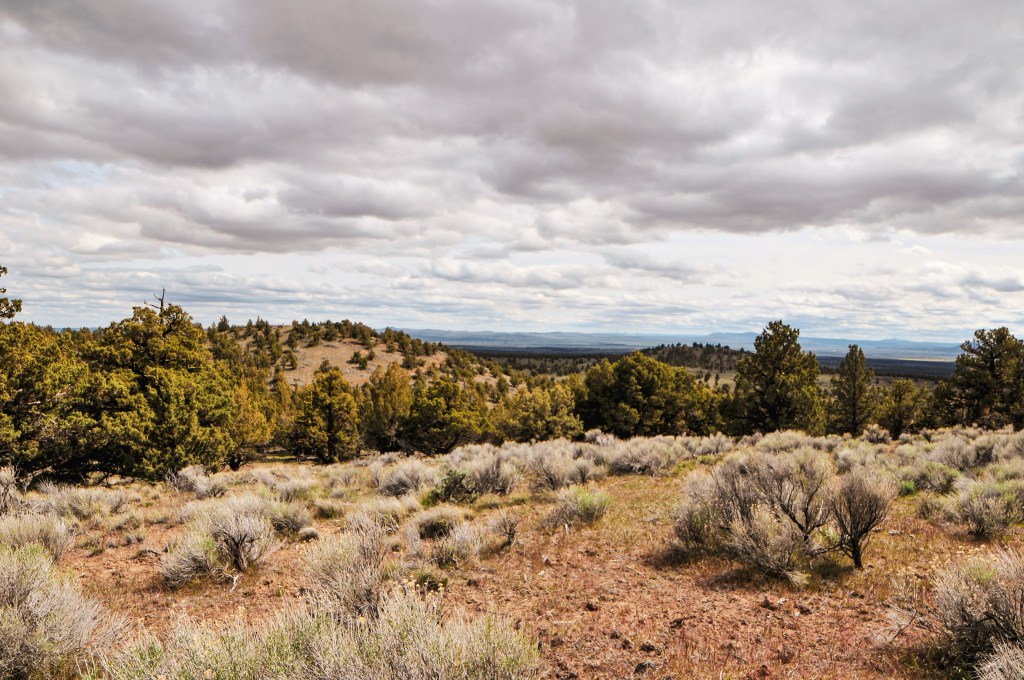
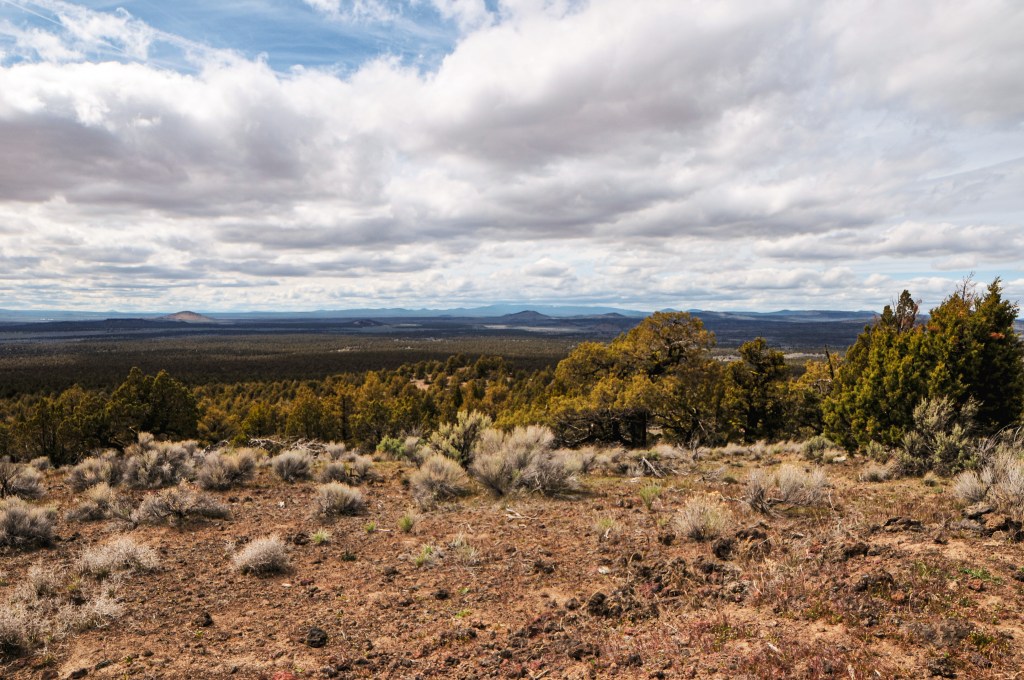
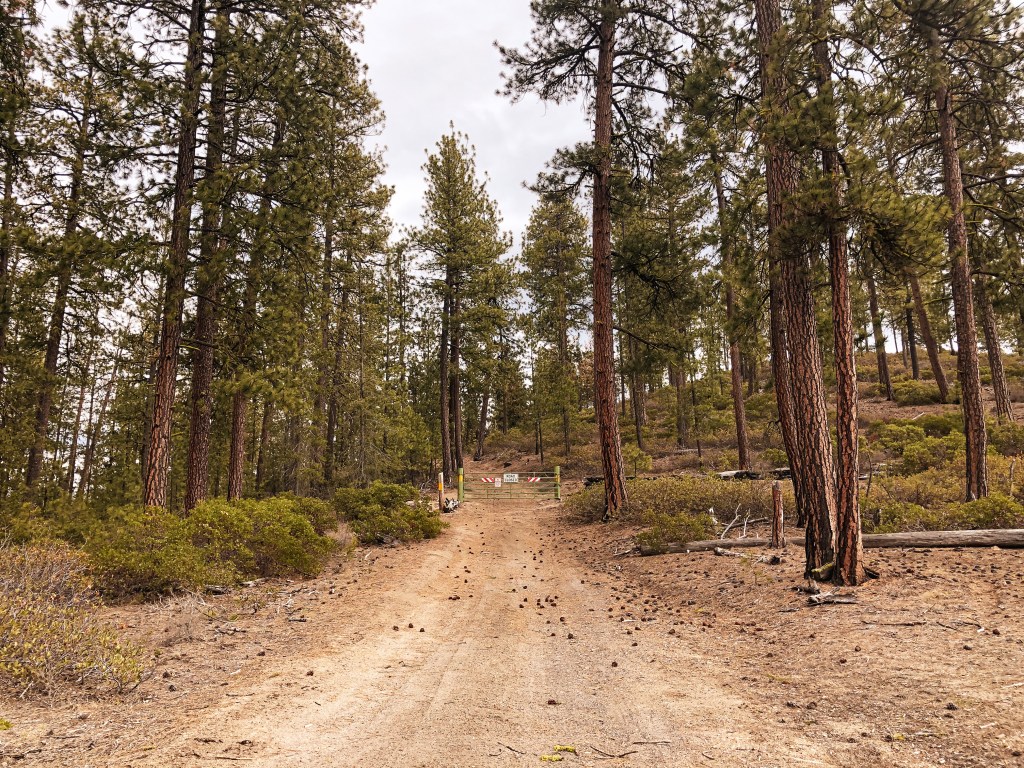
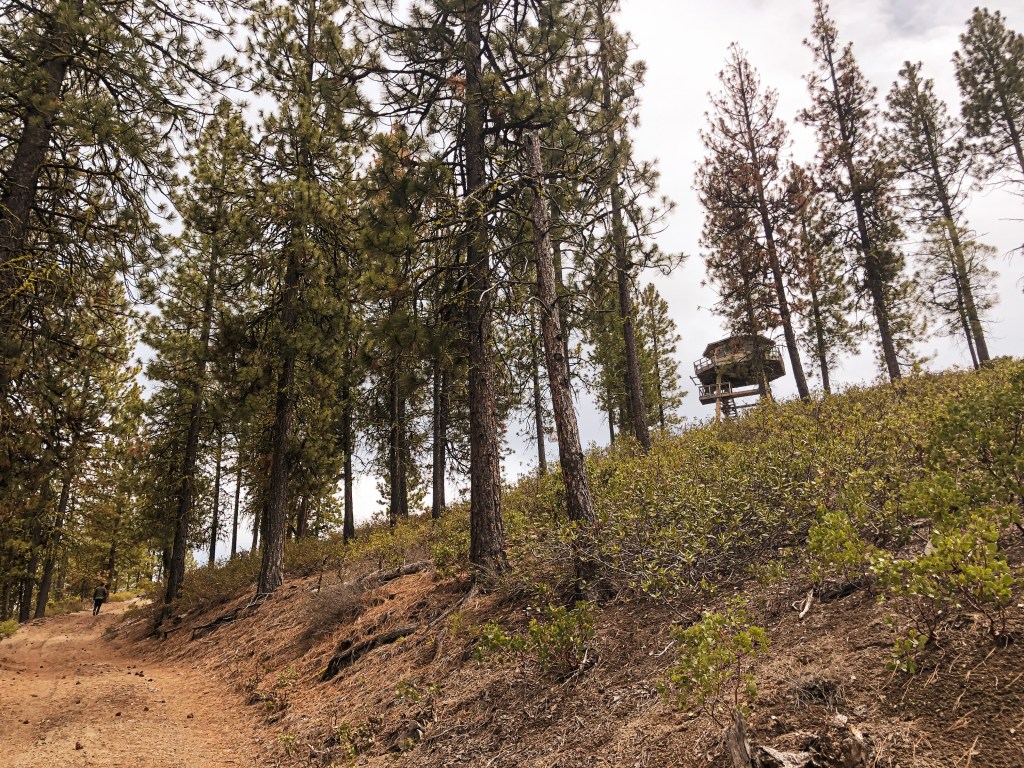
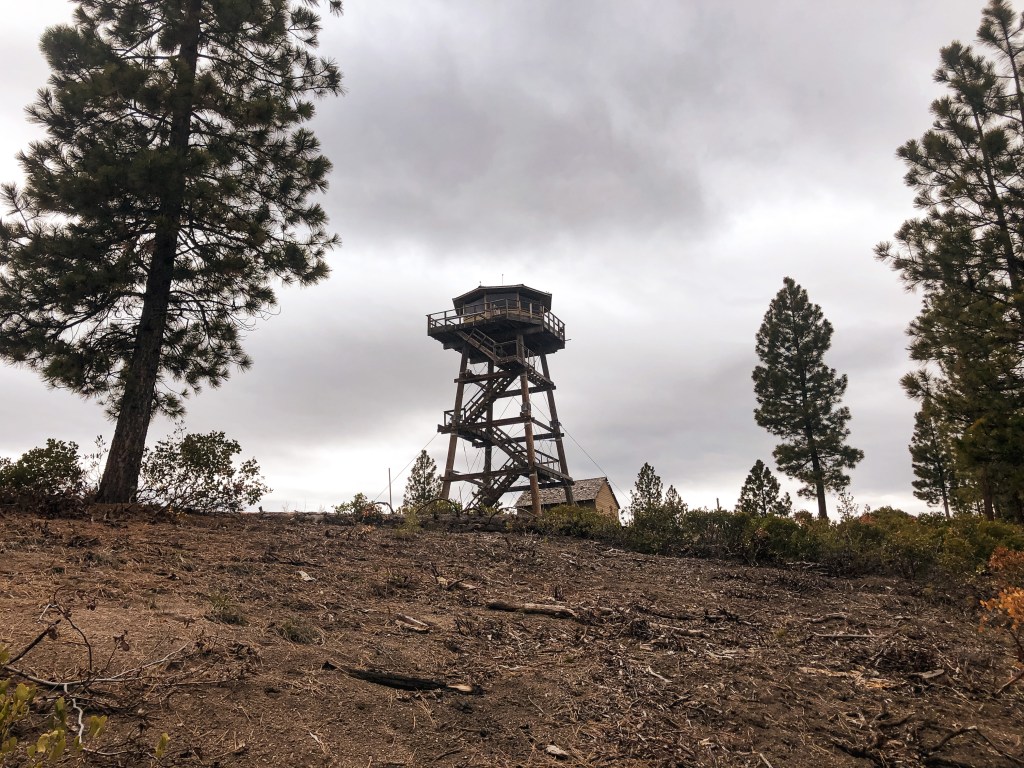
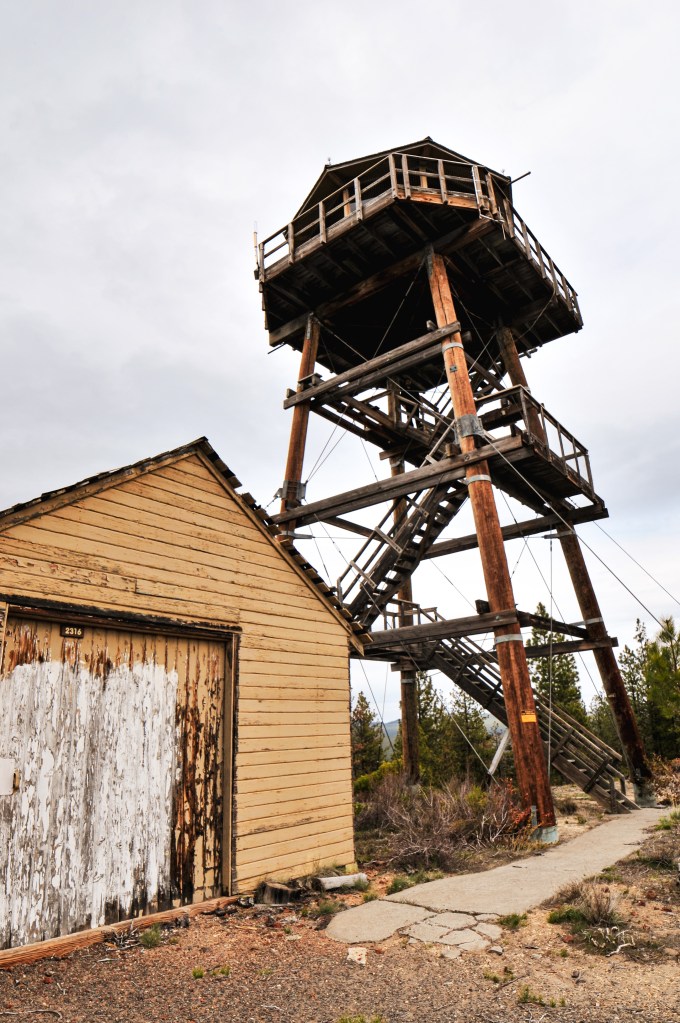
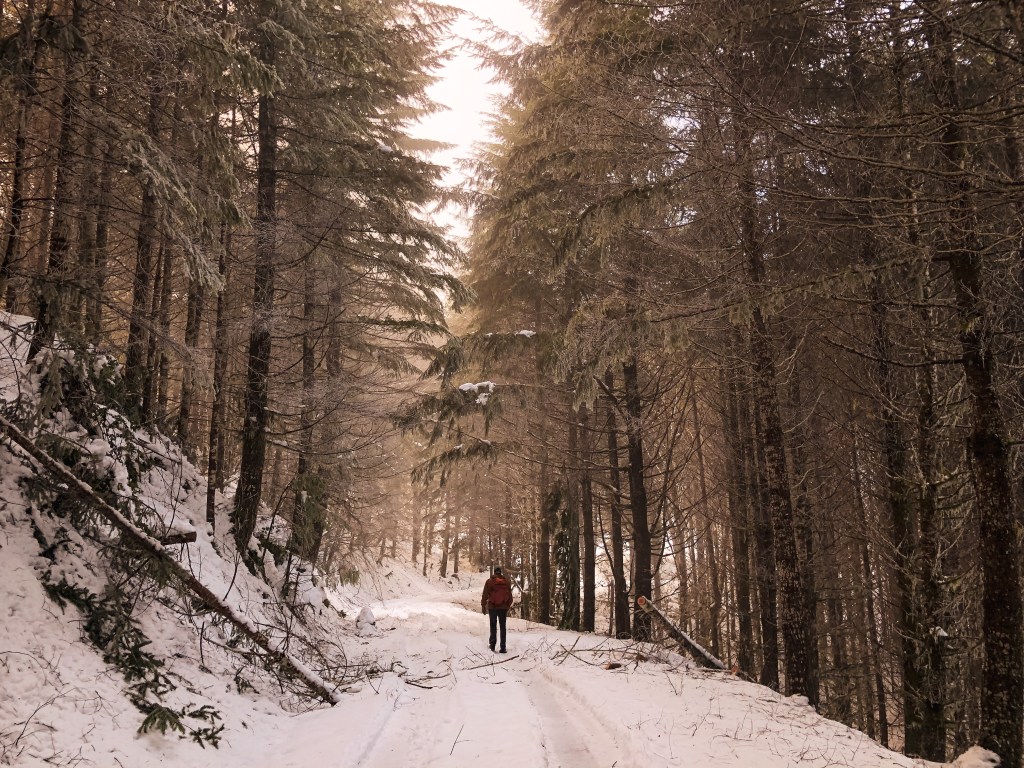
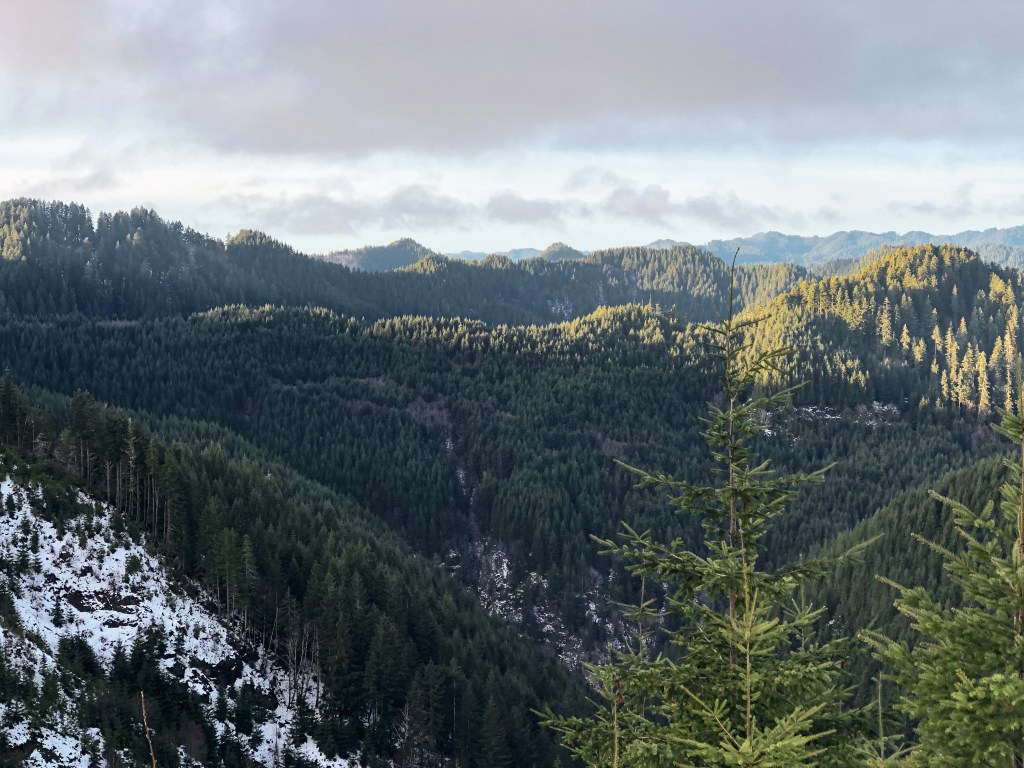
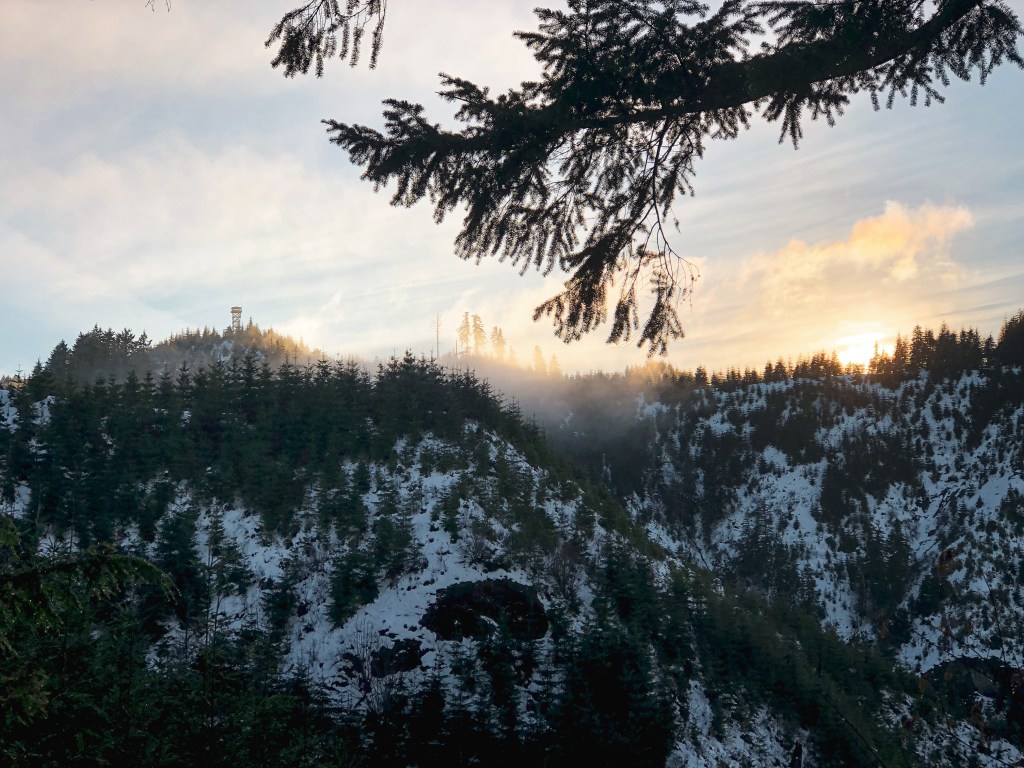
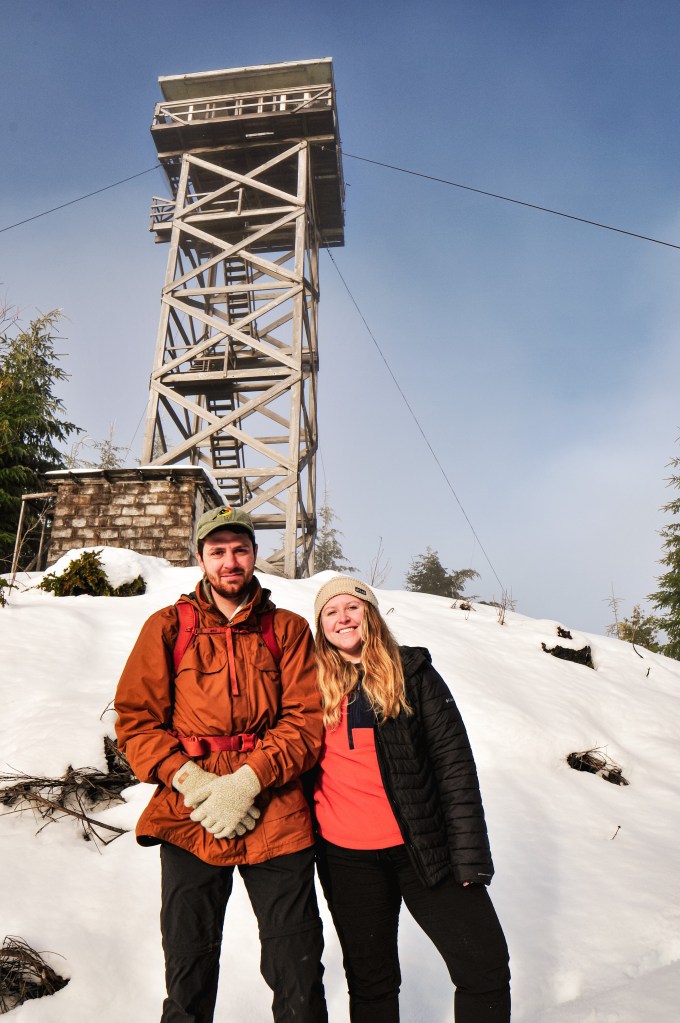
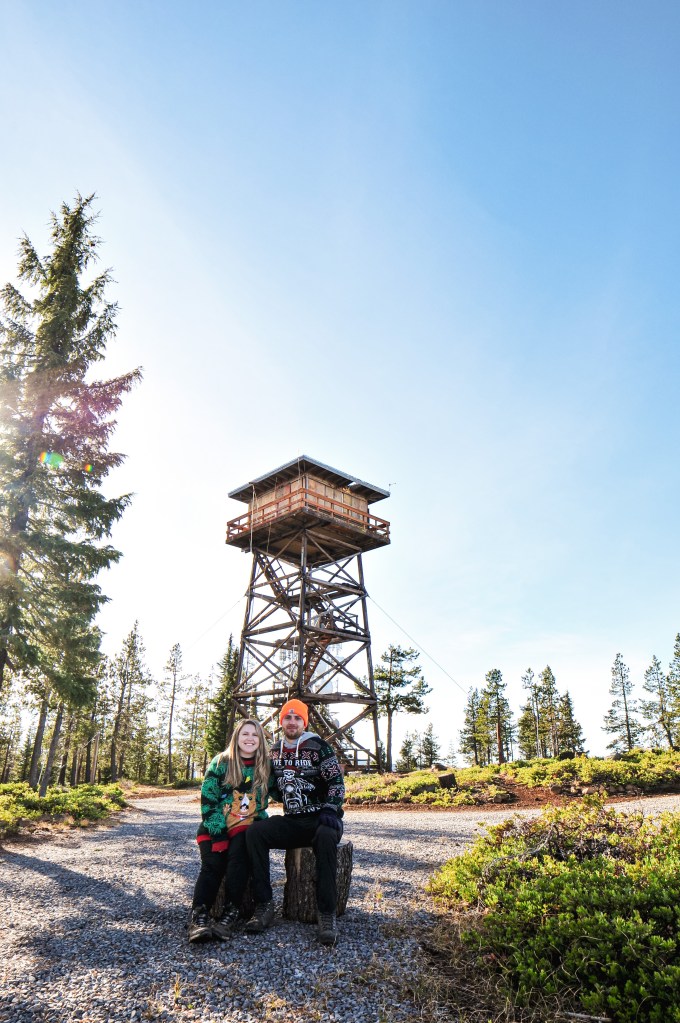
Memorial weekend we set out with a plan. We’ve decided to focus on fire lookouts listed for decommission by the Forest Service. Our original plan was to see 6 fire lookouts over 5 days within the Malheur NF and Umatilla NF. It eventually evolved into 7 fire lookouts and ended with 8 total visited. As my partner likes to quote Elwood from The Blues Brothers: “We’re on a mission from God”. Despite neither of us being religious, we do feel a strong drive to see them while they are still standing. Each year the fire season poses a threat to these historic structures as large wildfires become more common and dangerous. The irony is not lost on me that they’ve played a role in the fire suppression that has helped lead to our current situation. But that is a topic for another post.
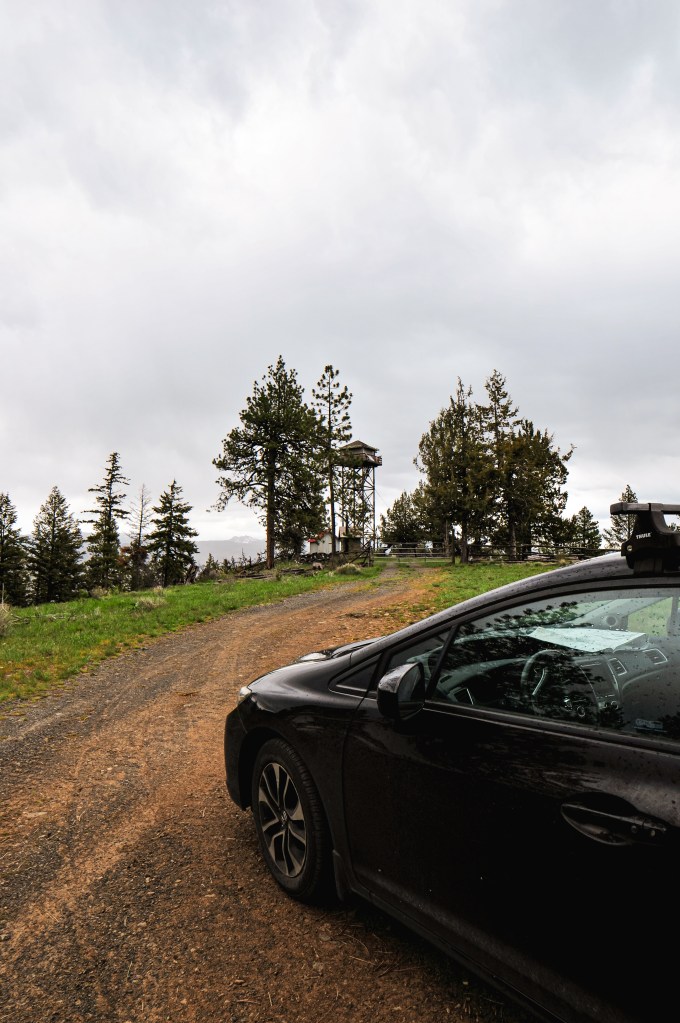
Our long weekend started on Friday, we woke up at 6AM and began our drive out to the Malheur NF. Our goal for the first day was Dry Soda and Frazier Point (post) before setting up camp. Dry Soda is not on the list of fire lookouts for decommission, but it was on our way. Other trip reports mentioned the roads getting there were drivable to any vehicle. It’s one of the many aspects of the Malheur NF that I love. They always seem to have well maintained gravel roads, even the 3 number spurs, and are usually well signed. From HWY-395, you will turn onto CR-65. This county road turns into NF-15 once you have entered the forest. You will stay on this road until you reach the Wickiup Campground off to the right. You will turn right on this road and head up NF-1516 past the campground. This road will take you to a major four way junction where you will want to take another right on to NF-3925. The lookout is gated behind a short spur off of this major Forest Service road. We had no issues driving here in my Civic which added it to the short list of lookouts I’ve been able to drive all the way to.
Dry Soda is an active lookout, but it was still too early in the season for the lookout attendant to be there. Especially with this years late season snow and rain. While we were there, the rain clouds started to roll in for the weekend. I made a joke that we weren’t on Dry Soda anymore and that it should be called Wet Soda instead. We would continue to battle with this storm all weekend. We rejoiced on how easy it was to get here and hoped Frazier Point (post) would be similar as we headed back down to NF-15.
History.
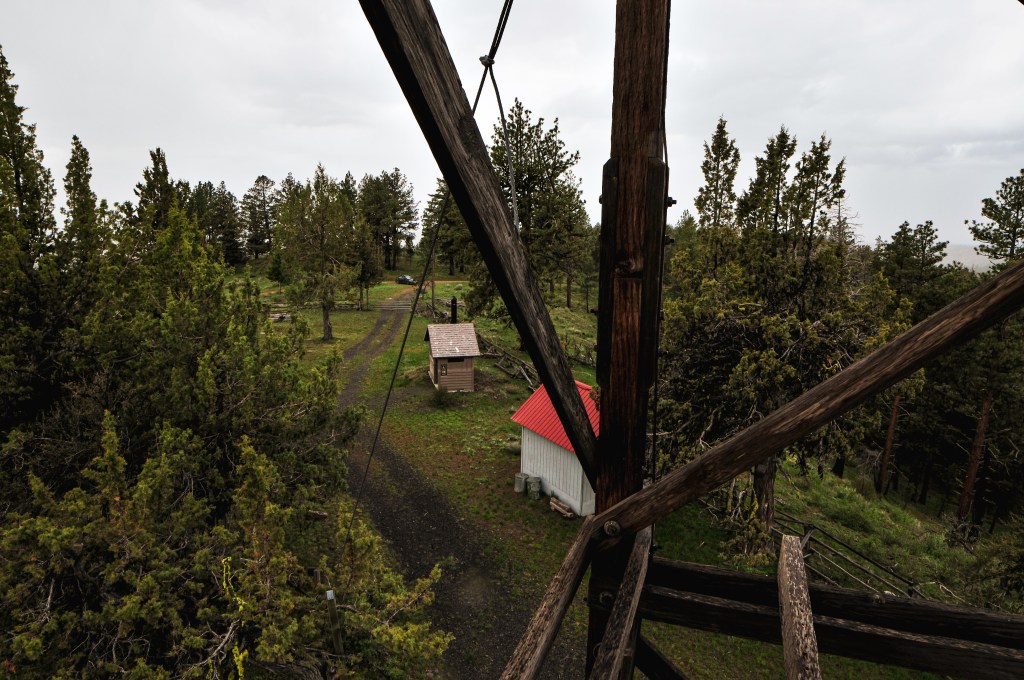
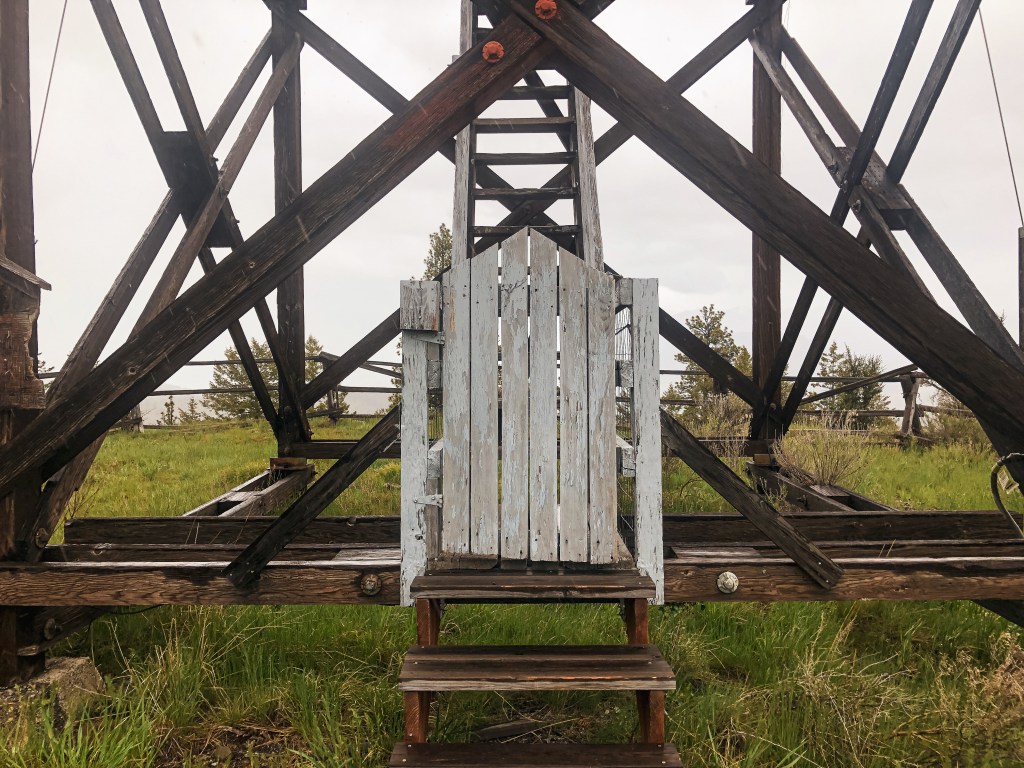
The lookout on Dry Soda was built in 1941 as a 14’x14′ L-4 cab with treated timber tower. A few sources listed the tower height as 50′ and other sources listed it as 60′, but I’m unsure which of these sources are the most accurate. There is also a shed and pit toilet on the summit. The structure almost burned in the 2015 Canyon Creek Fire. You can see signs of how close the burn got on your drive up. It continues to be staffed every summer.
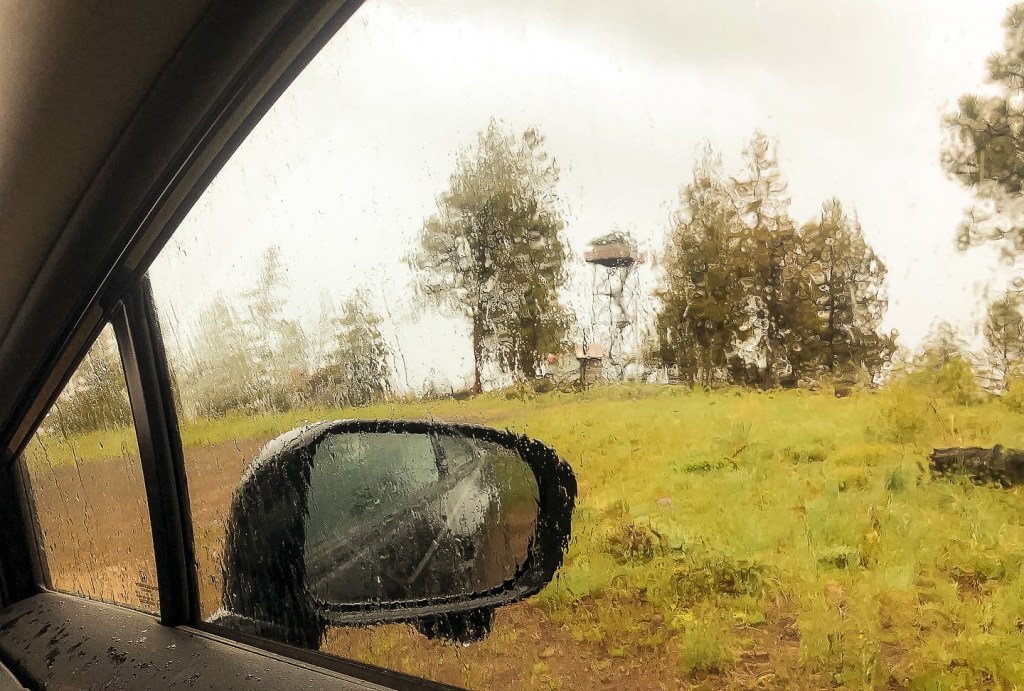
We headed deeper into the forest on NF-15 after a successful visit to Dry Soda L.O. (post) You will stay on NF-15 until you reach the major junction with NF-16. Take a left on to NF-16 and then eventually a right on to NF-1630 that is only a short drive from the junction. NF-1630 is another well maintained gravel road with no hazards for low clearance vehicles. Good gravel, great gravel even! It’s better than some paved roads in Portland. The gravel looked very fresh and we speculated that it was possibly recently re-graded. You will stay on this road for a while until you reach the spur NF-849. It will be hard to miss because there is a sign for Frazier Point L.O. It is only another mile down NF-849. Most cars can make it the majority of the way on this spur. We decided to stop less than half of a mile from the lookout and walk due to some larger rocks in the road and wet conditions.
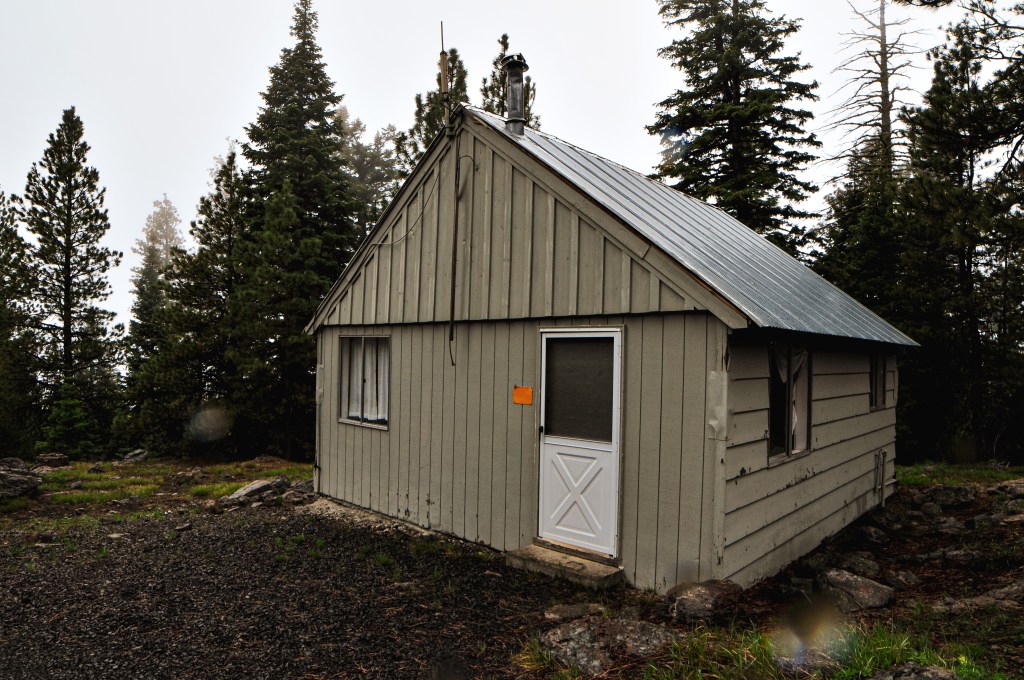
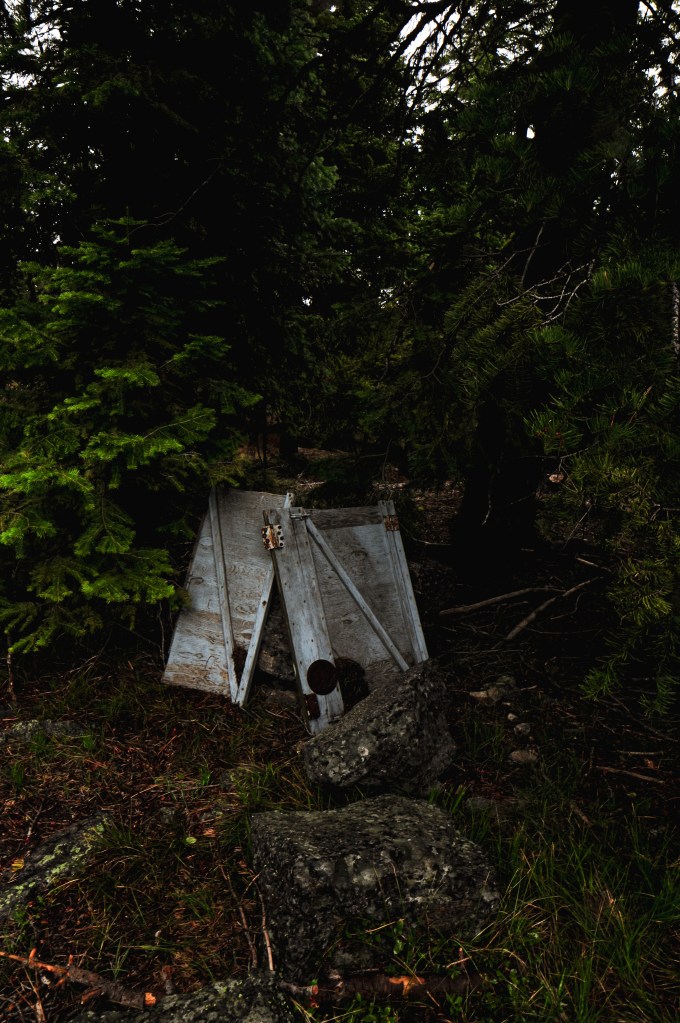
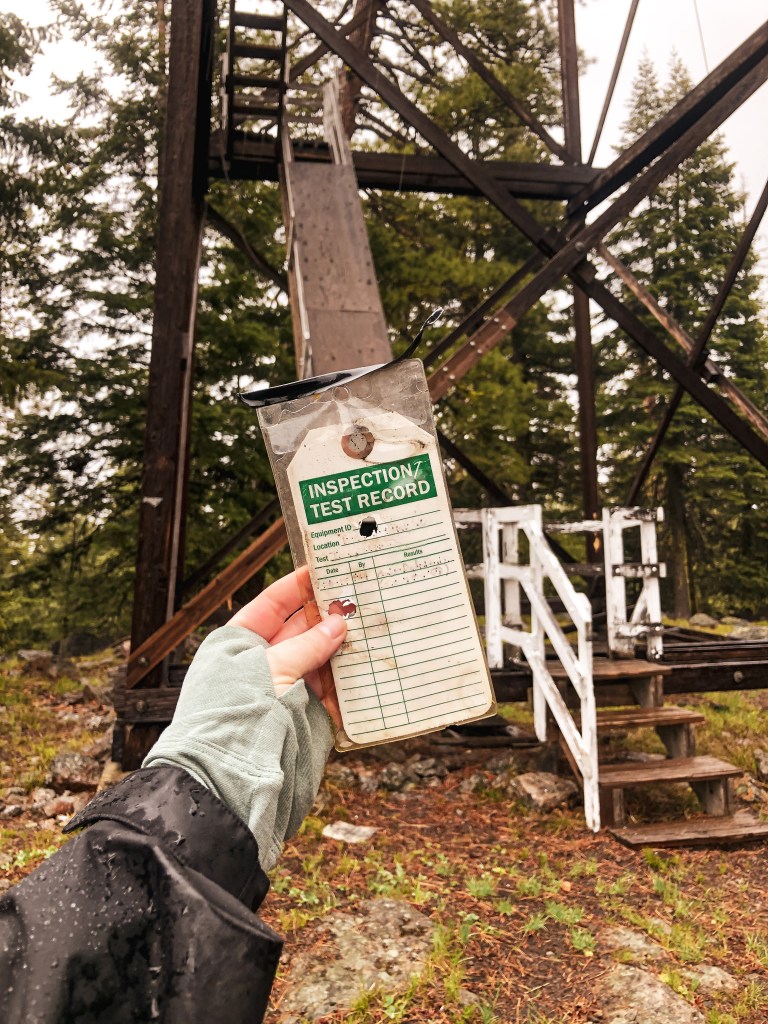
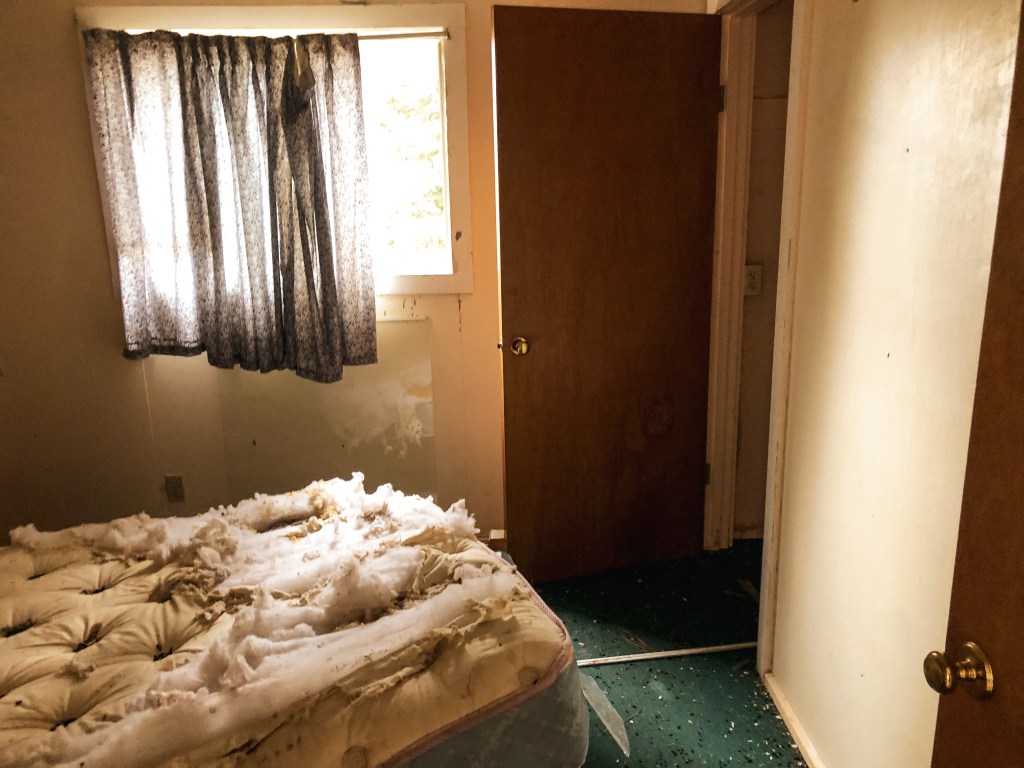
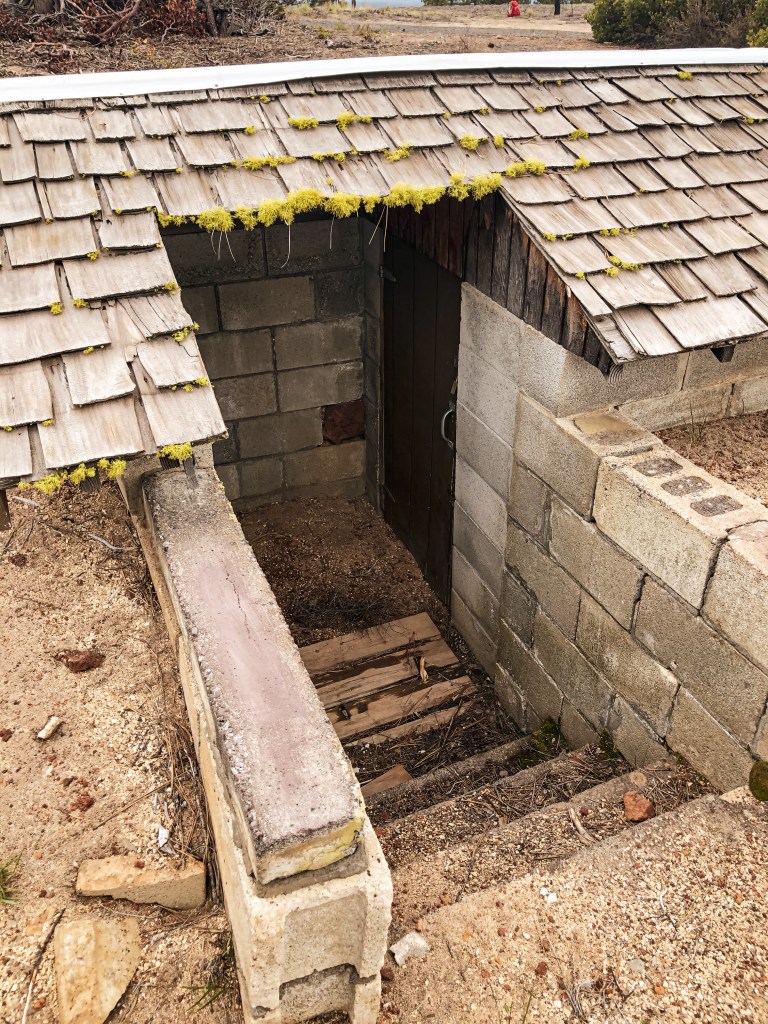
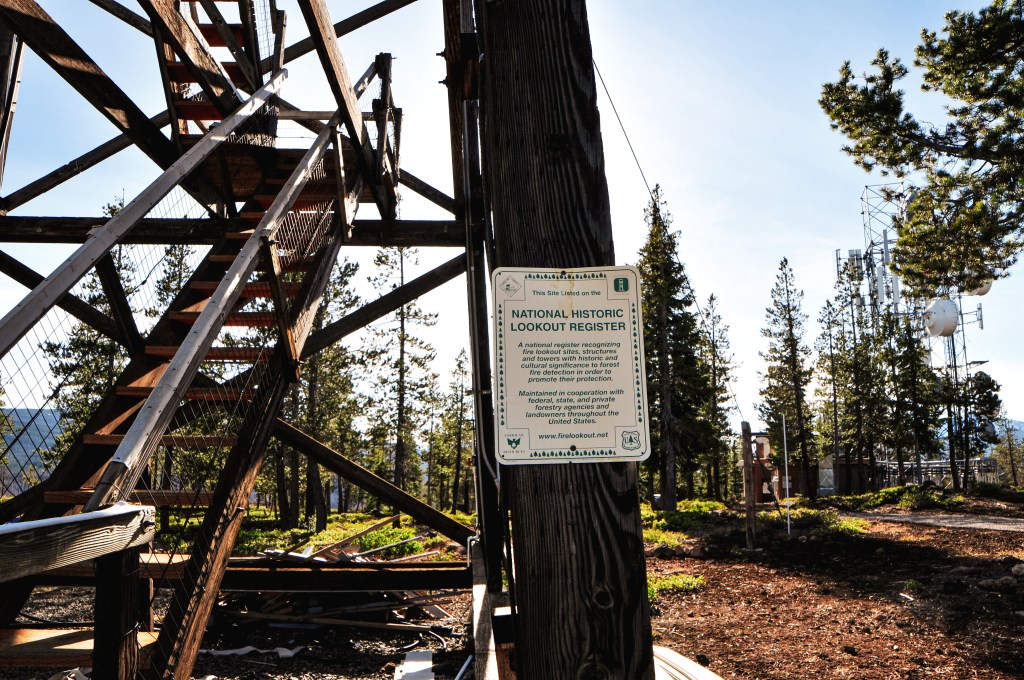
The lookout and living quarters are not in the best condition and the stairs have been boarded to prevent people from climbing the tower. The trees are tall here so you don’t get any views from the ground. This was fine considering we were socked in a rain cloud anyway. The cabin used for living quarters was unlocked and still had some items left inside; a table, bed frame, mattress, pot holders, and even a pan. I wanted to check out more in the bedroom but there seemed to be a nest of wood rats cozied up in the old mattress and some of the kitchen cabinets too. My partner hates rats and rodents of any kind, so he decided not to come inside the cabin. We said our good byes to the lookout before heading out to find a camp spot. Since it is listed for decommission by the Forest Service, we are never sure if we’ll be back before they tear it down. I’m always hopeful someone with more resources and money can restore or relocate these lookouts instead of having them torn down. And maybe one day I’ll be one of those people.
History.
The existing lookout on Frazier Point was built in 1936 as a 100′ ring connected treater timber tower with 7’x7′ L-6 cab. It is accompanied by a 20’x20′ ground cabin, built in 1938, that used to be the garage. It was converted to the living quarters in the 1970’s when the original 14’x16′ cabin burned down. This tall tower has a collection of interesting stories in the book Fire Lookouts of the Northwest. It seems the height of the lookout had negative effects on a few of the attendants that have staffed it over the years. One of the more notable stories is of an unfortunate accident where a 4-year-old boy fell from one of the landings and died. This story is believed to be the reason why the Forest Service adds screens to the stairs and landings on every lookout. The site was originally established in the early 1930s as an emergency lookout post. They used a rocky point 1/2 mile from the current lookout site. It was actively staffed every season up until 2008. As of July 2019, the structure has been listed as condemned and is slated to be removed by the Forest Service.
In the prime of fire suppression, Oregon had over 800 fire lookouts and Washington had 750 fire lookouts topped on almost every high peak in both the states. Many were dismantled, destroyed, or burned down in a blaze of glory. But remains of the foundation can usually be found on the summits as a reminder to what once stood. Below lists 3 popular hikes close to Portland, OR that have a history in fire detection and lookouts.
Saddle Mountain
Former Fire Lookout Site Register: US 723; OR 134
Location.
Saddle Mountain State Natural Area
Estimated drive time from Portland, OR.
1-1/2 hours
Mileage.
5.2 miles RT
Elevation.
3,283′
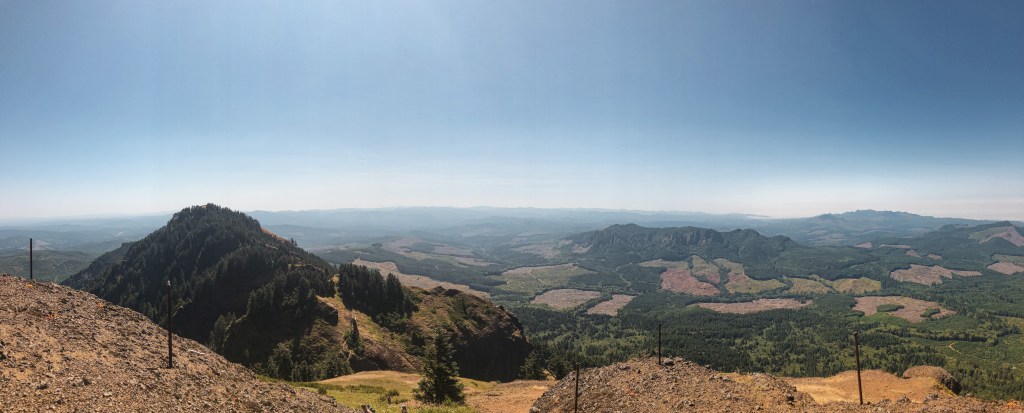
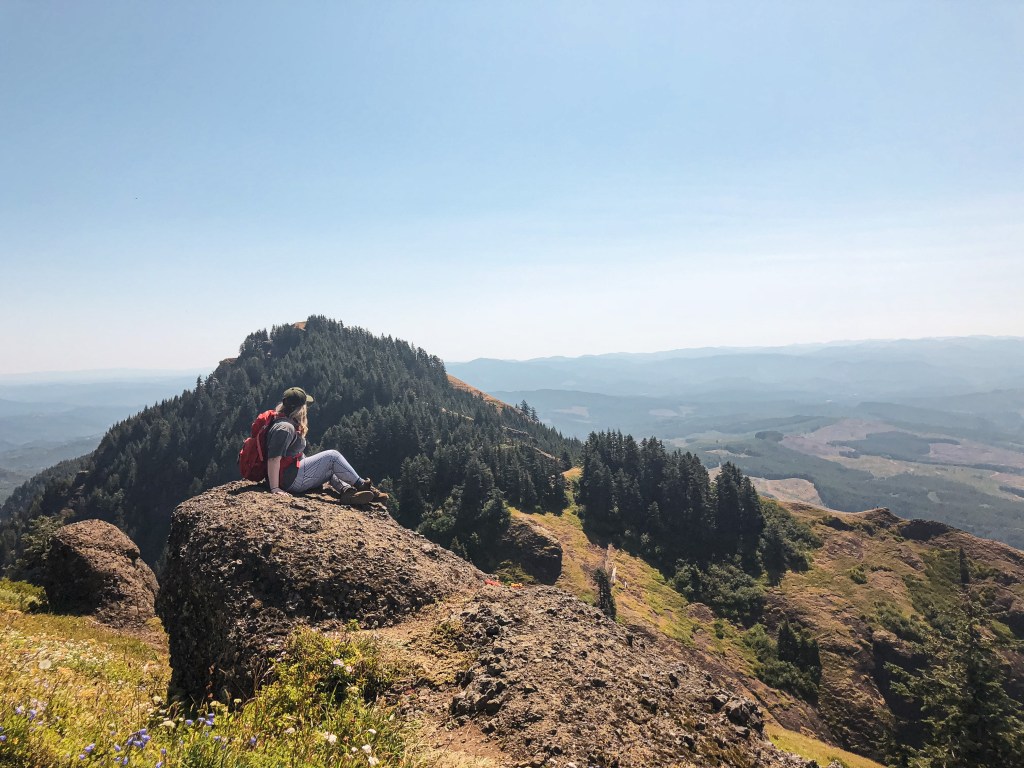
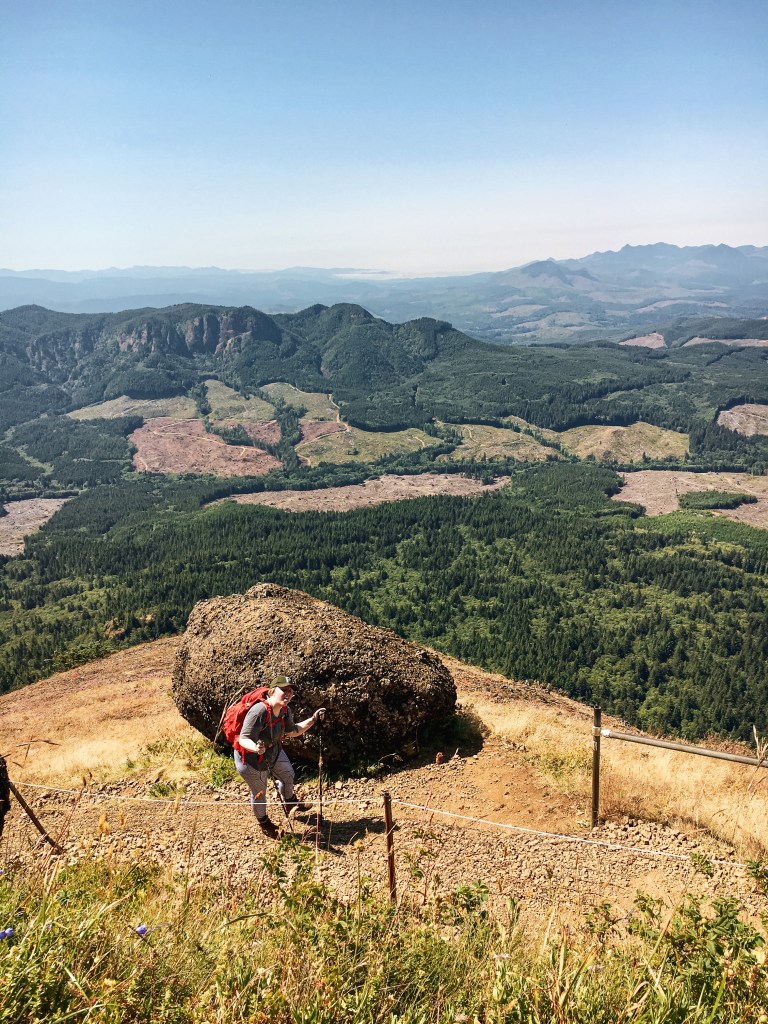
The top of Saddle Mountain offers expansive views from the Pacific Ocean all the way to Mt Hood. It is no question why they would want to have a lookout on this summit. The trail switchbacks through an old growth forest until you reach the last push up the rocky slope. Parts of the trail are covered in mesh wiring to help with erosion and traction. It is a steep 1,640′ gain in elevation over 2.5 miles to the summit. Saddle Mountain was established as a fire camp in 1913 with a log cabin situated below the summit. In 1920, a frame cabin with observation platform was built. It was replaced in 1953 by a 2-story live-in cabin. The lookout structure was destroyed in 1966. I have been on this summit a few different times but didn’t take the time to look for any remnants of foundation.
Former Fire Lookout Site Register: US 1313; WA 213
Location.
Gifford Pinchot National Forest – Columbia River Gorge
Estimated drive time from Portland, OR.
1-1/2 hours
Mileage.
6.5 miles RT
Elevation.
2,480′
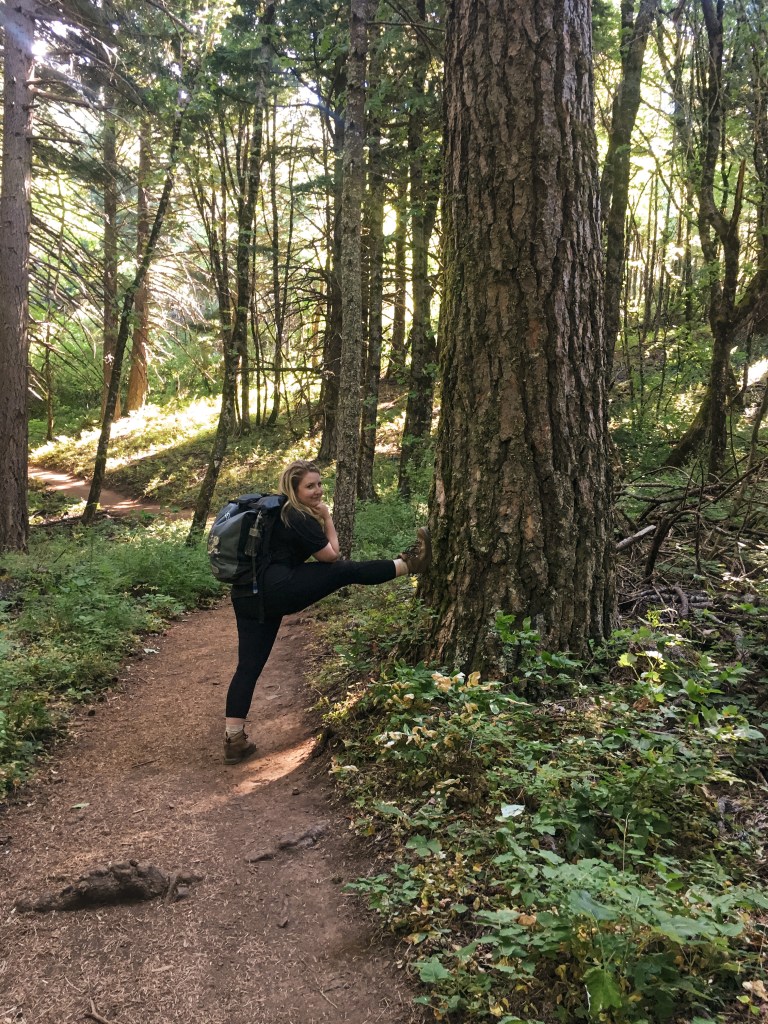
Stretching my calves on the way up
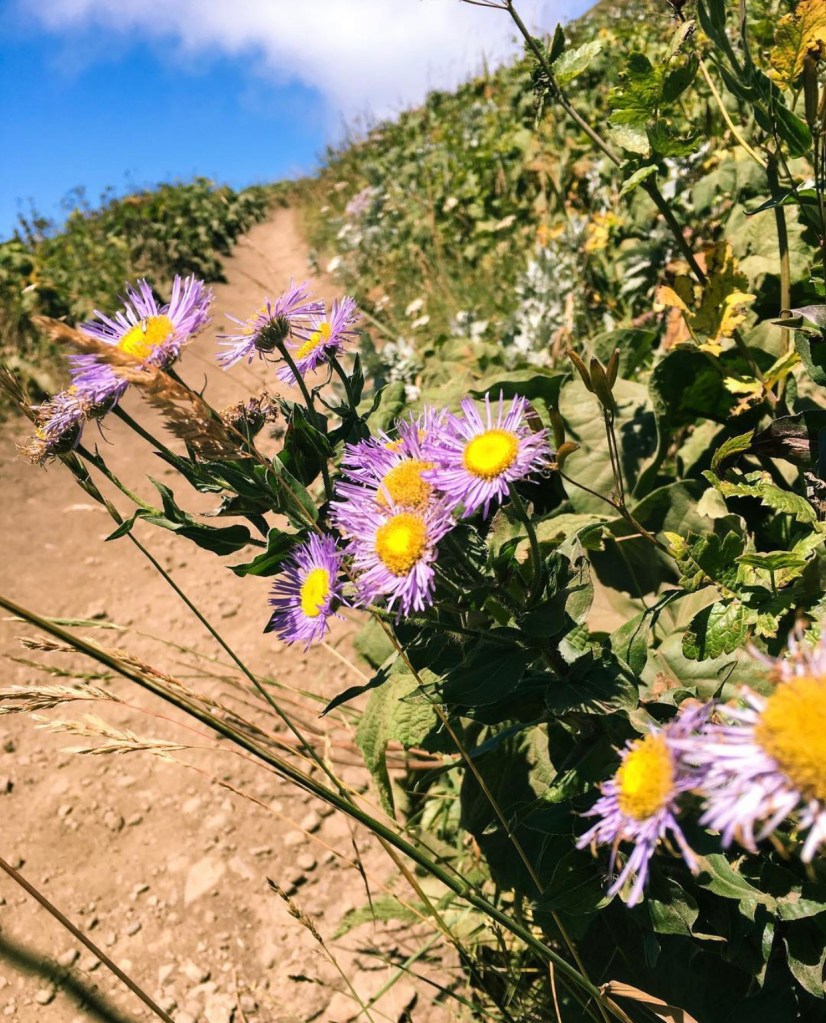
wildflowers on the trail!
Near the summit where we turned around
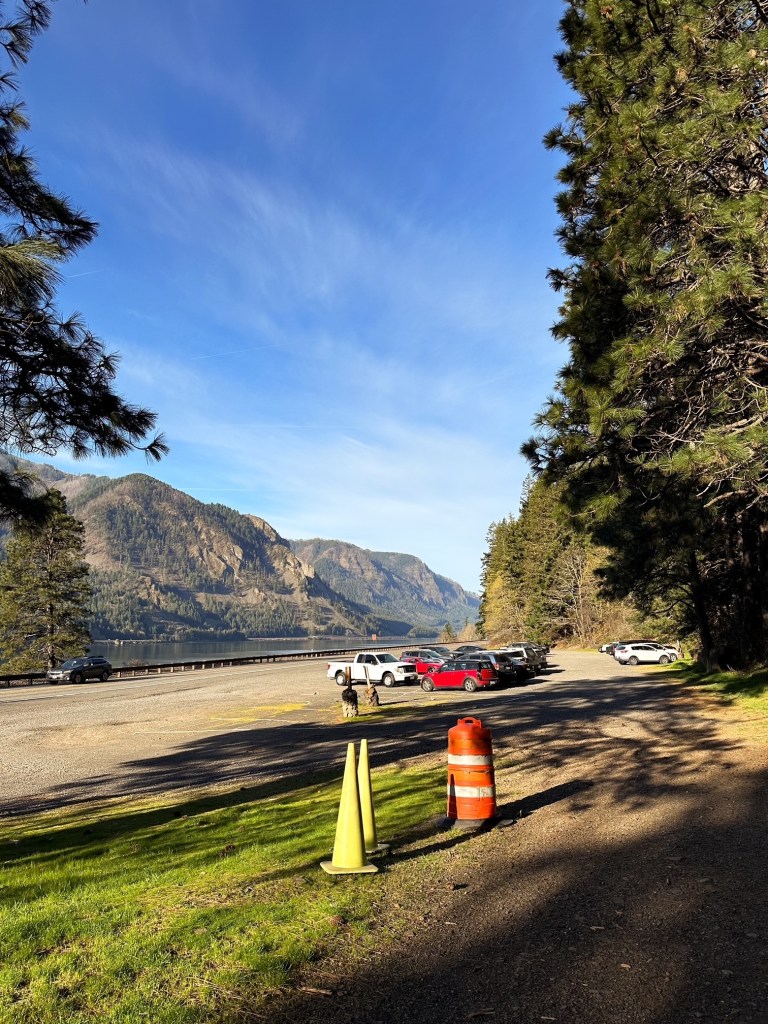
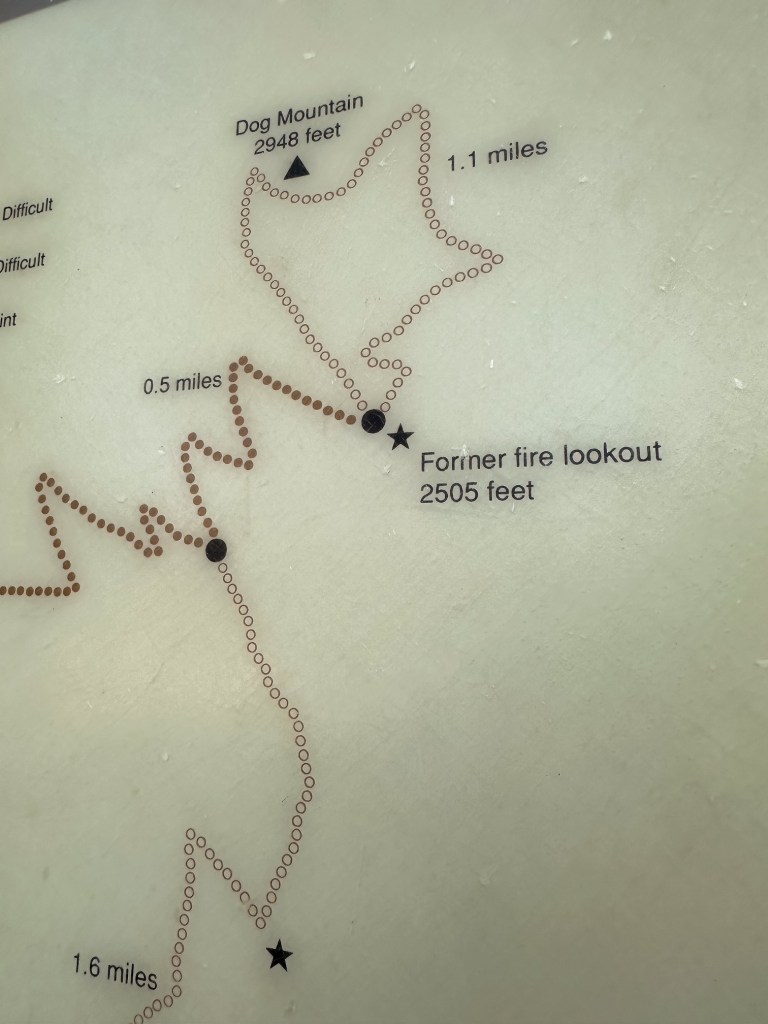
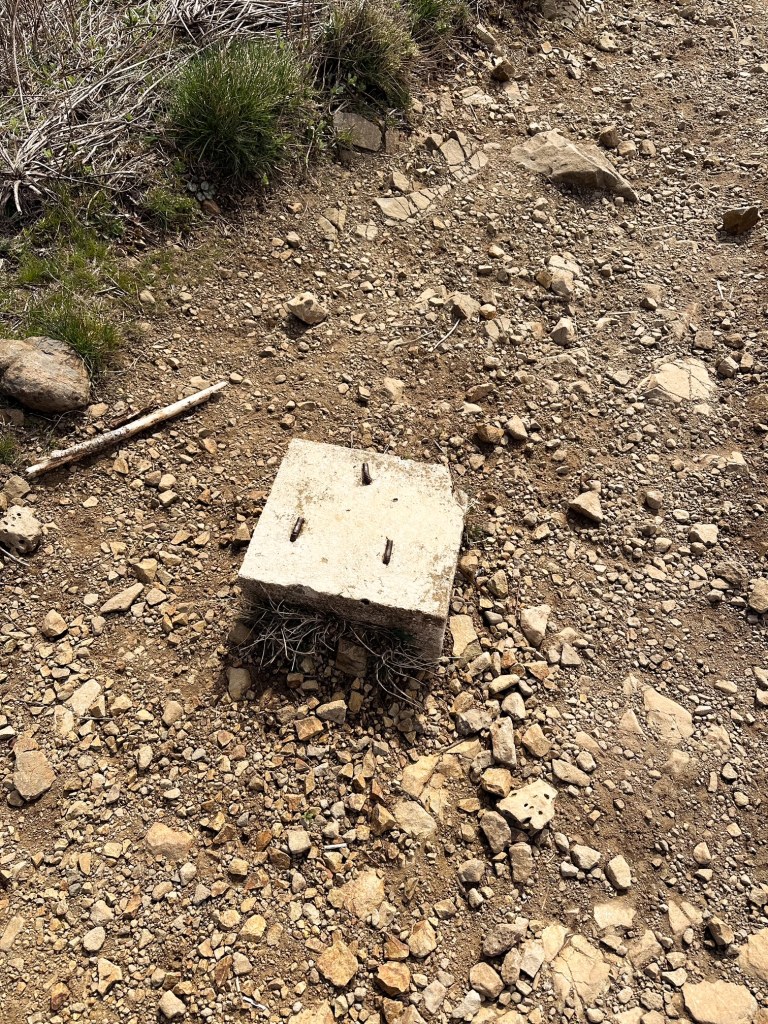
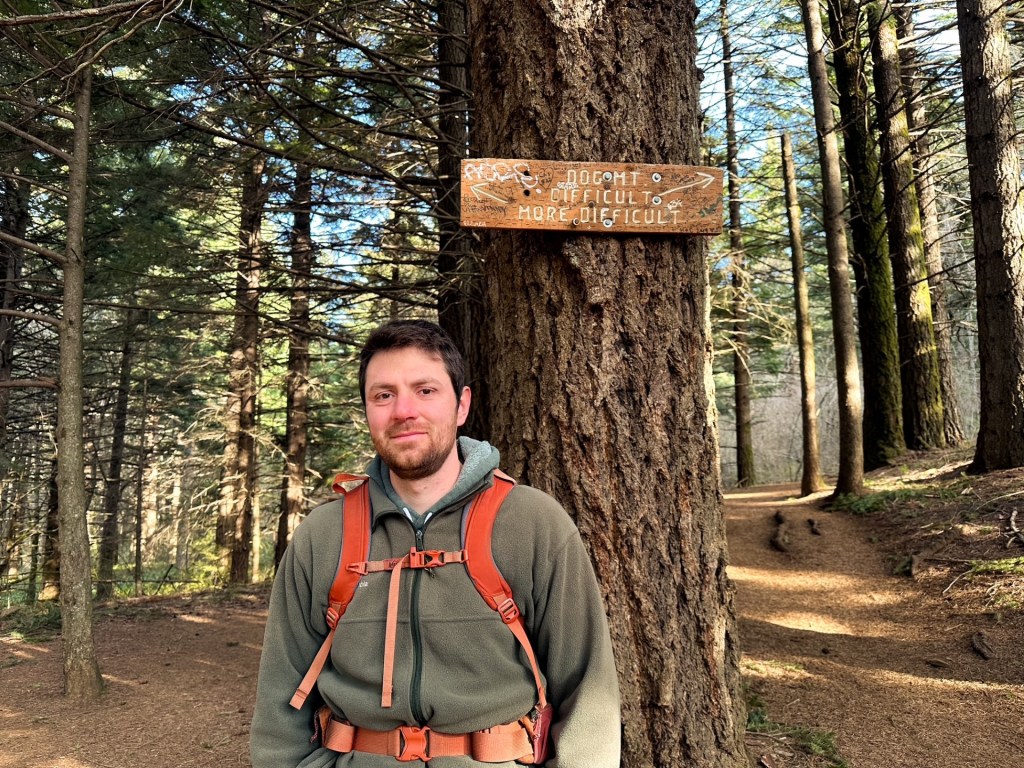
Dog Mountain is a very popular hike in the Columbia River Gorge due to its proximity to town and being right off of HWY-14. In the spring, between March 31st and July 1st, permits are required to hike this trail on the weekends. This is due to the hazardous conditions created for the cars on the highway by the overflow of people during wildflower season. There are a few different routes and loops that can be done to reach the summit once at the trailhead. My friend and I completed this hike on a hot July day before the permit system was in place. We arrived to the trailhead early to give us enough time to reach the summit and attempt to beat the crowds. We took the “less difficult” route which is the newer trail and offers more views on your steep climb up. We made it just past the former fire lookout site, also known as the Puppy Dog Lookout site, before turning around. I vaguely remember there still being some foundation there. The trail originally was developed to service this fire lookout that was destroyed in 1967. The original lookout was constructed in 1931 as a gable-roofed L-4 cab with windows only on three sides. It was replaced in 1953 by a standard L-4 cab. Both structures were located 1/4 mile from the actual summit of Dog Mountain. I used to have more pictures from this hike, even one of us standing on the former lookout site, but they have been lost in multiple phone transitions since 2017.
Mt. Defiance is one of the more brutal hikes I’ve done. It is the highest peak in the Columbia River Gorge and offers views out towards Mt Hood NF as well. This made it the perfect candidate for a fire lookout site. I recommend starting this hike early if you want to make it to the summit and back before dark. Or at least hike a lot faster than I do. We didn’t start this hike until mid-morning and ended up getting back to the car after dark. The hike starts out paved and passes some pretty waterfalls. Once you have reached the junction with the un-paved trail you will start to go up and continue to go up the rest of the way. There are still some communication buildings on the summit and I’m sure there are foundation remnants if you spend some time looking for them. We didn’t spend much time here since it took me so long to get there. The trail had recently re-opened after the Eagle Creek Fire in 2017. The ashy portions of the trail made for un-stable ground and was hard for me on the hike down. By the time I got back to the car my feet felt like they were going to fall off completely. The first fire lookout on this site was a crow’s nest and tent in 1925. A more substantial structure was built in 1934 as a 40′ pole tower with L-4 cab. This was eventually replaced by a 41′ treated timber tower with L-4 cab in 1952. In 1959, the lookout was destroyed by a windstorm. The Forest Service didn’t build a replacement lookout until 1962 which was a R-6 flat top cab and 41′ treated timber tower. It was completely removed from the summit in 1971.
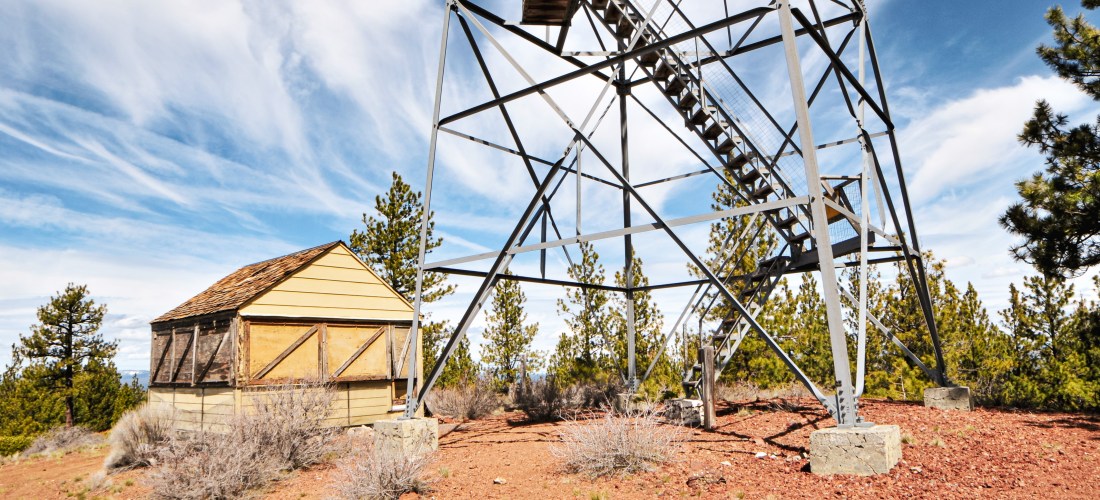
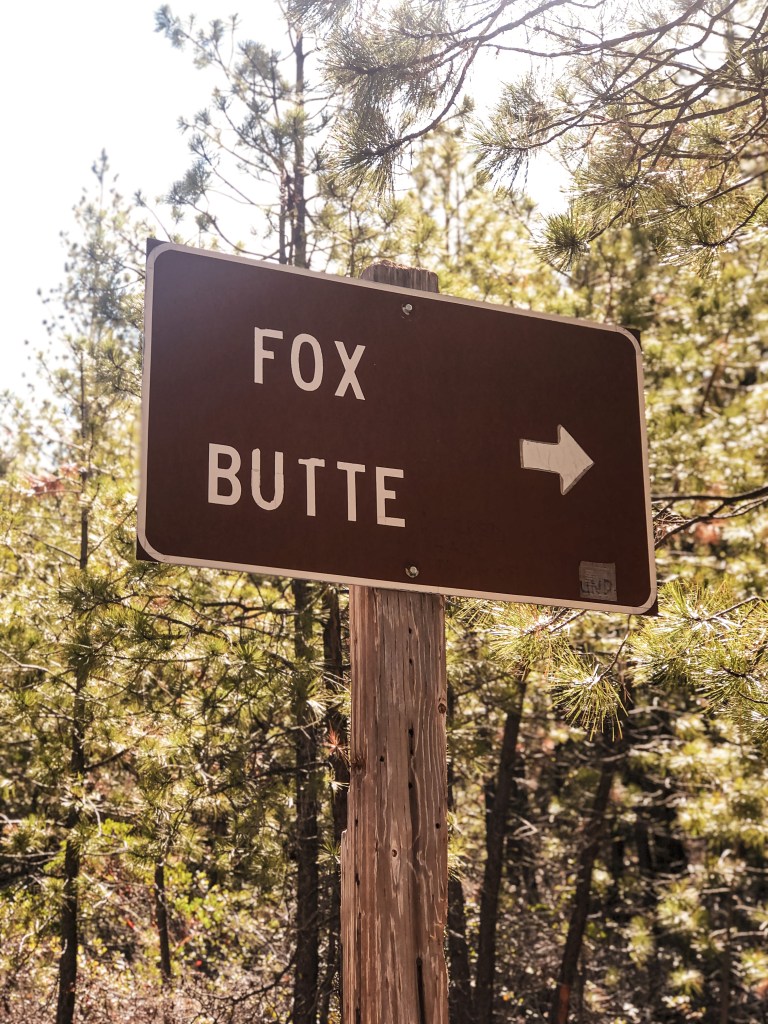
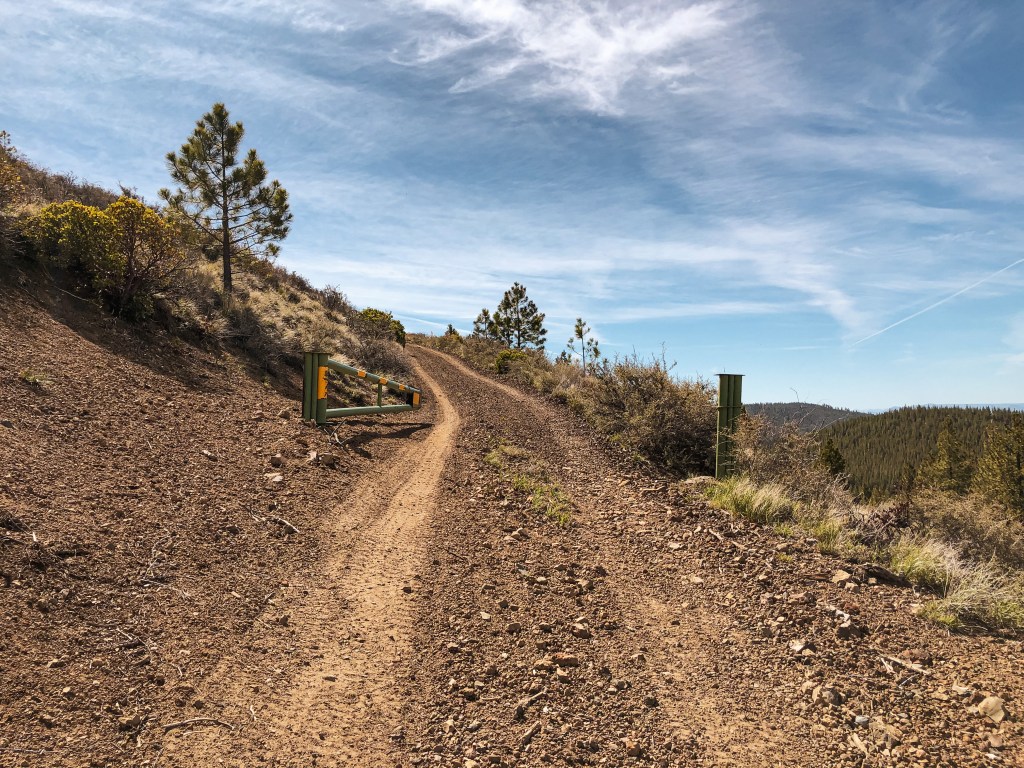
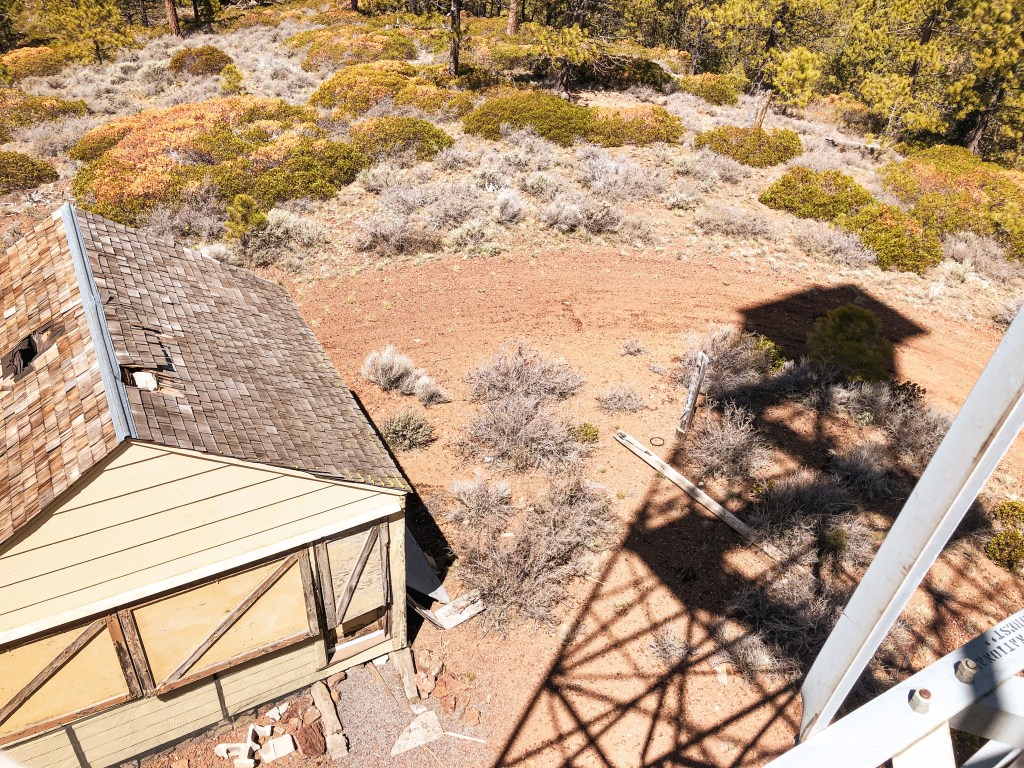
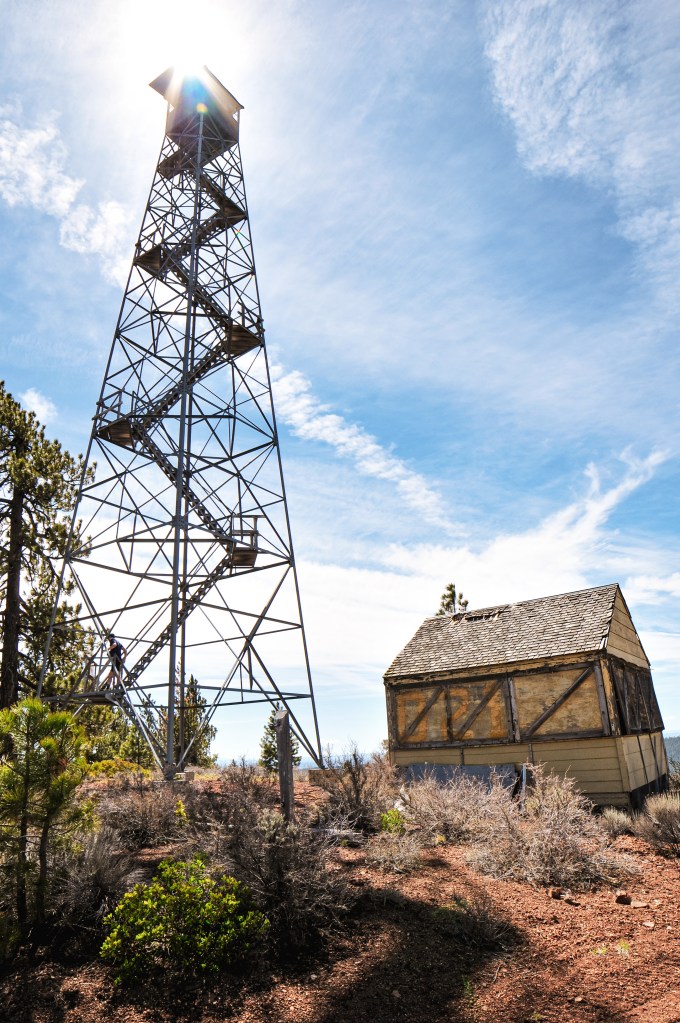
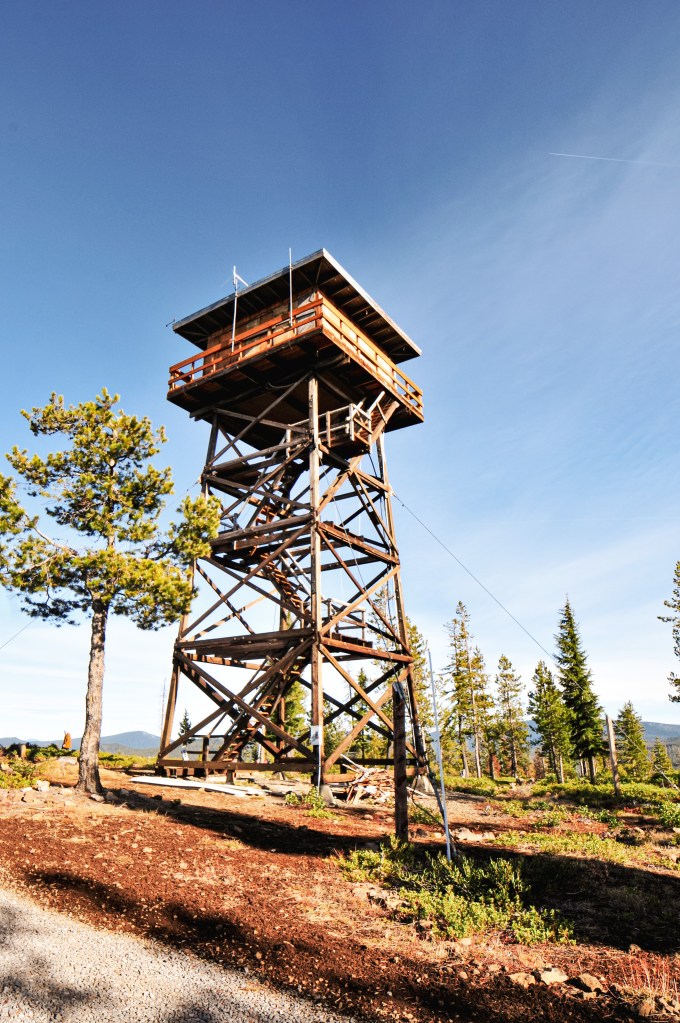
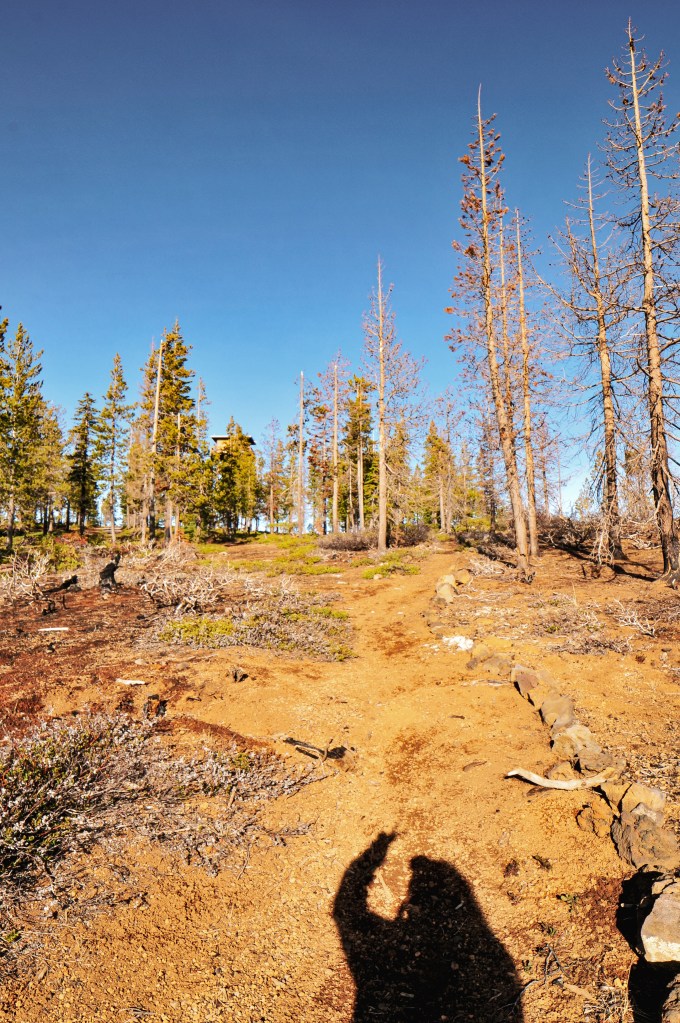
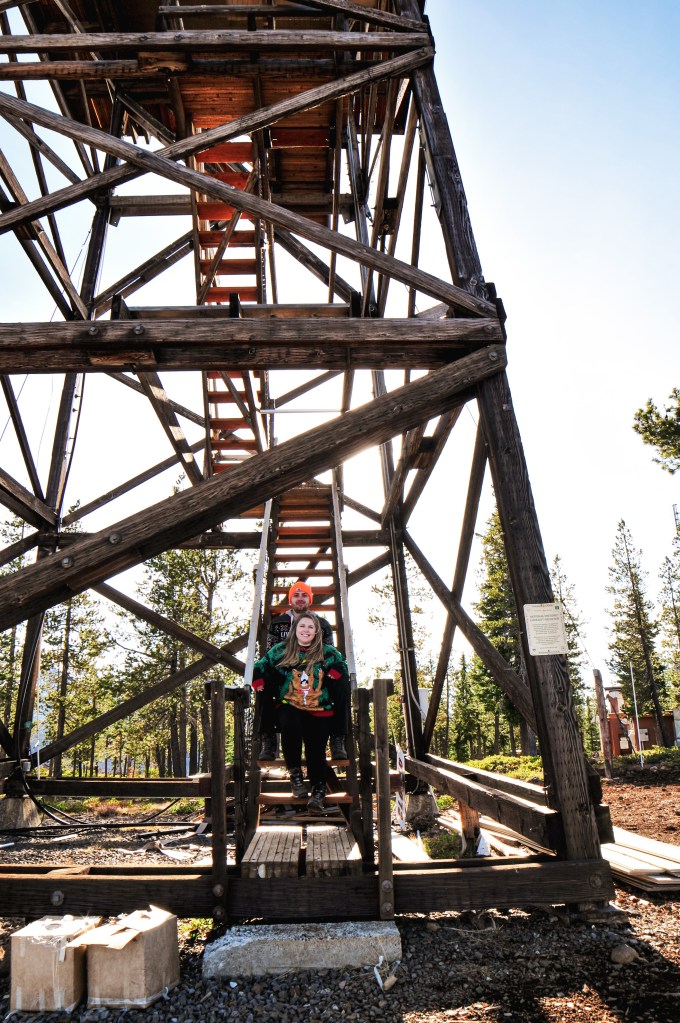
Sunday was our last full day of the trip. Our only set plan was to attempt to locate the Pumice Springs crows nest. I was given the choice to add on East Butte (post) or Fox Butte since my partner had already been to both last year. I decided Fox Butte made the most sense since it was closer to our camp and recently slated for decommission. My partner’s dad decided to hang back at camp instead. After breakfast and packing a lunch, we headed out on NF-23 to NF-550. It didn’t take us very long to get there from camp. There are three water bars along NF-550 that will need caution if you are in a lower clearance vehicle. We obviously had no issues in the truck and parked at the signed junction for Fox Butte. There is a locked gate up the road that doesn’t have a pull out or turn around spot. We were well aware of this gate beforehand and didn’t attempt to drive up. The lookout is about a mile or so road walk from this junction. As we headed up the road, we were surprised to find the gate was actually open. I speculated that maybe the Forest Service was on top of their plan for once and had already torn down the lookout. Luckily, I was wrong and someone had just cut the lock. We made sure to close the gate on our way out in hopes to deter at least some vandals. The weather was clear and it felt like summer as we hiked the road. Once on the summit we checked out the L-4 ground cabin that had seen better days and climbed part of the Aermotor tower. My partner climbed all the way to the top, but I stopped on the second landing. It seems to still be in somewhat decent shape, but be wary to climb at your own risk. We spent some extended time on the summit since this would most likely be our last time up here before it’s gone.
After hiking back down to the truck, we headed out on NF-23 towards Sand Springs Campground. We were following directions based on a Geocache that was supposed to take us to the area of the crows nest. We turned left at the four way junction near Sand Springs Campground than right on to NF-900. The cache and crows nest were supposed to be right off the NF-900 road according to the coordinates. We wondered around the area for 2 hours trying to find the tree but all existing pines looked too young to host a crows nest. It was definitely not down this road. Another source had mentioned it was located half way between Pumice Springs and Sand Springs. We drove out towards Pumice Springs and kept an eye out for significantly taller trees in the area. I assume it is probably farther off the road than the eye can see but we didn’t have the hours to spend hiking off of every road in the area. We were unsuccessful in our attempt which was disappointing. This just means another trip to the area is in our future.
History.
Fox Butte started as a lookout site in 1919 when a heliograph was set up on the west point. A year later, in 1920, they ran a telephone line to the butte from the Cabin Lake Ranger Station. A standard D-6 cupola was built on the western summit in 1924. The lookout was later destroyed by the Fox Butte Fire in 1926 that burned over 15,000 acres of timber. They started to rebuild a new lookout tower the following year. This was noted as a pole tower with ground cabin for living quarters. In 1933, they started construction on the eastern summit of the existing 80′ steel Aermotor tower. The living quarters from the western summit were moved to the eastern summit for use with the new tower. A 16×18 wood frame garage was added in 1934. The living quarters were eventually replaced with the L-4 ground house moved from Sixteen Butte in 1948. There is record of it being consistently staffed up until the late 1950s. It could have been used for longer but I wasn’t able to find a definitive date on when it was abandoned. The Forest Service briefly used the lookout for a season in 1995 while the East Butte L.O. was being reconstructed. It is now apart of their proposed plan to be removed.
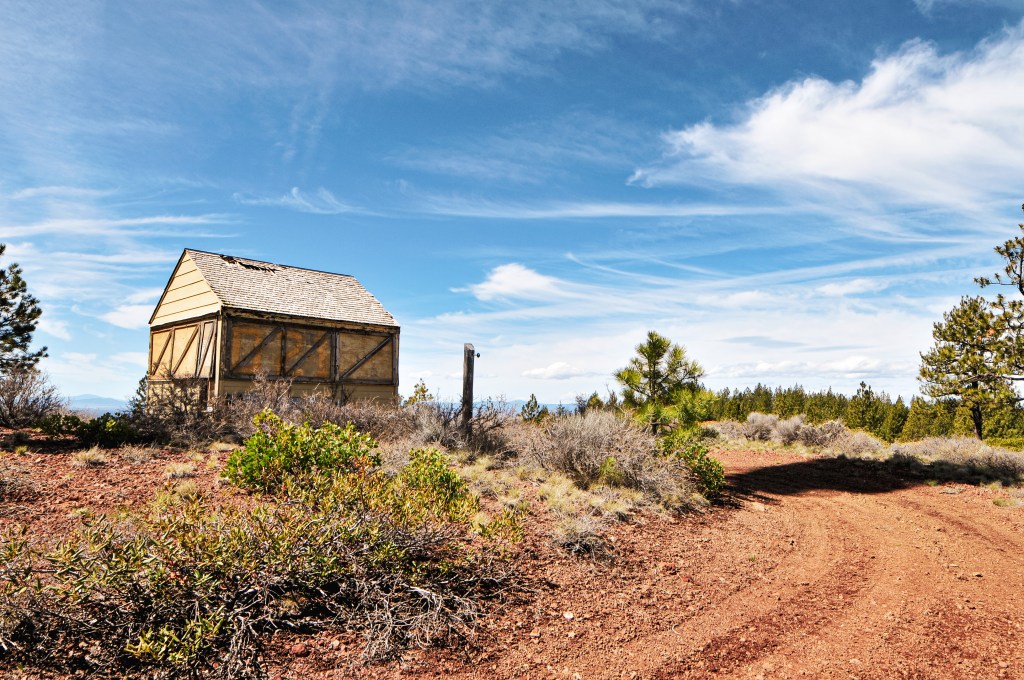
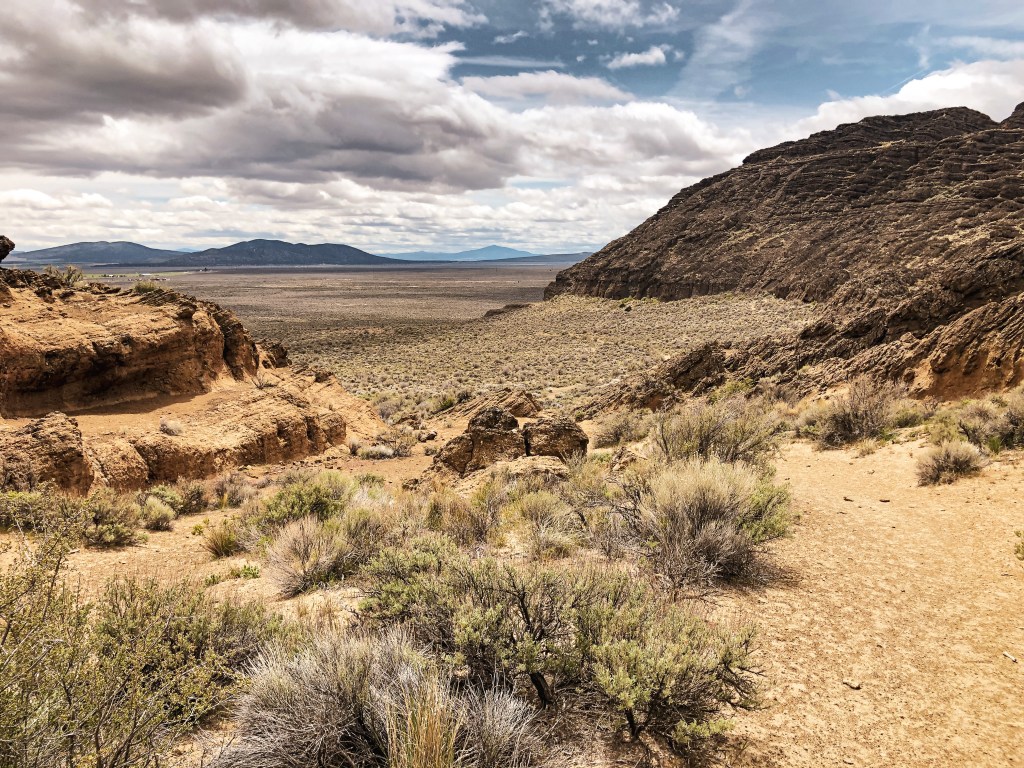
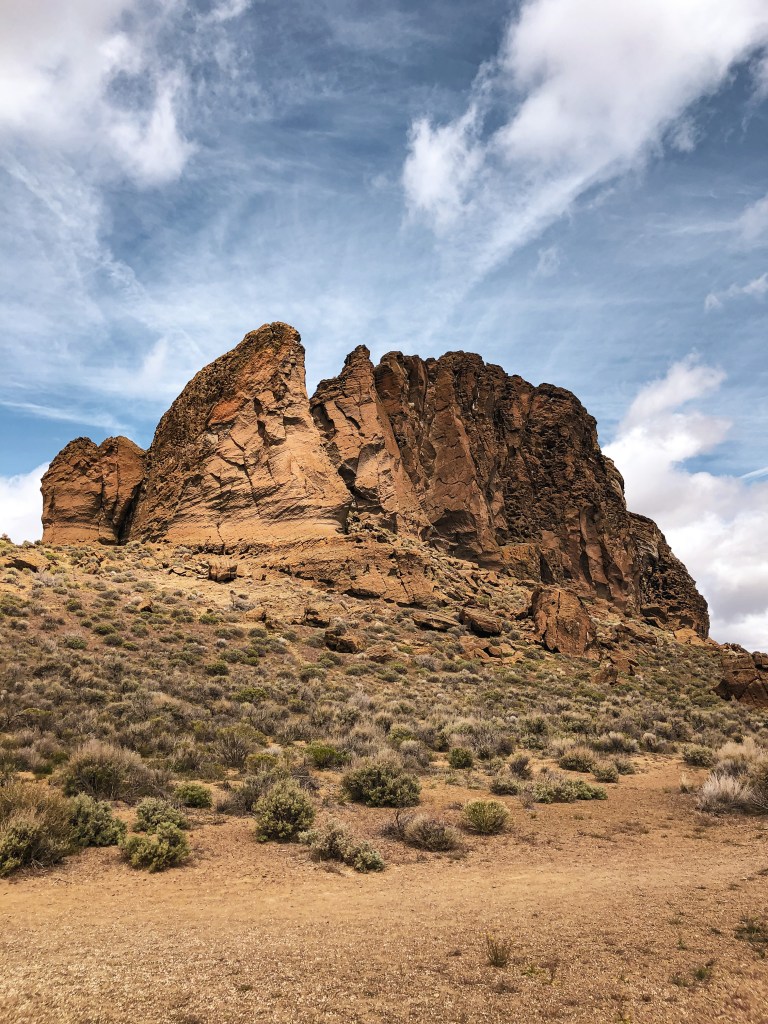
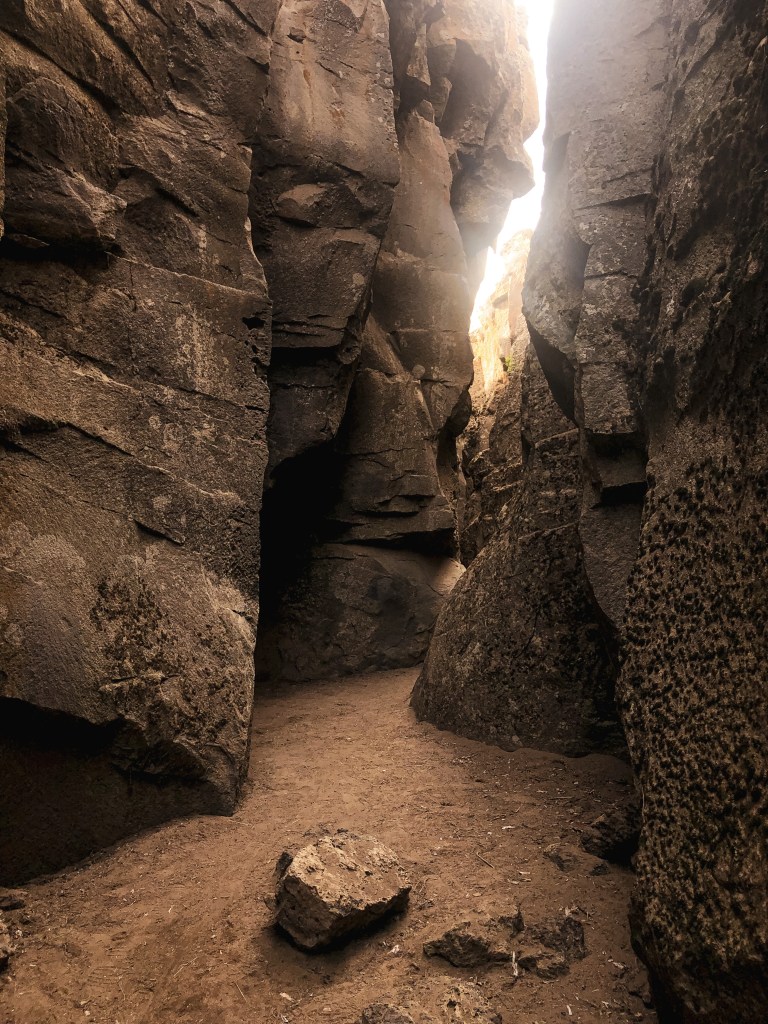
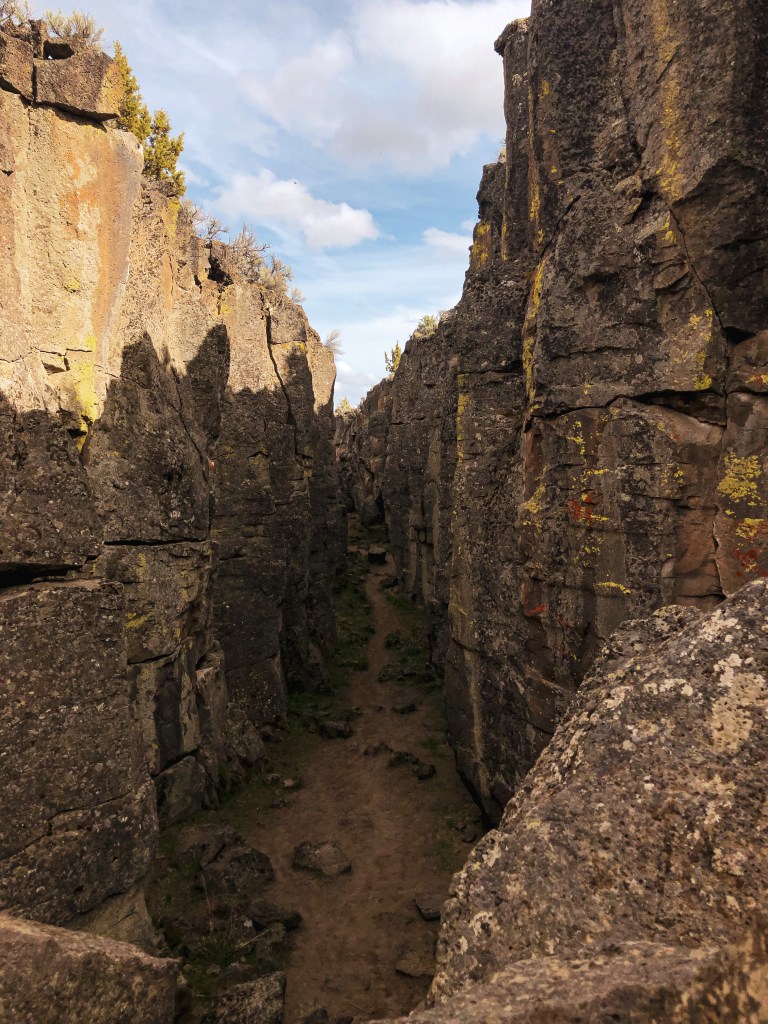
We woke up Saturday with a plan to make a day trip to Fort Rock, Green Mountain, and Crack in the Ground. We headed out of the Deschutes NF via NF-18 passing Cabin Lake Guard Station and made our first stop at the Fort Rock State Natural Area. This large semi-circle rock that now sits in Oregon’s high desert used to be an island in what was once a shallow sea. The oldest sandals dating back to 9,000-13,000 years old were discovered in this area. We hiked the short loop around the rock before moving on. We had to make an unexpected pit stop in Christmas Valley for gas and propane. For some reason our propane connection to our larger propane tank wasn’t working when we tried to make breakfast that morning. We had a half used disposable Coleman propane bottle that got the job done but it wouldn’t last us the remainder of the trip. We were relieved to find Christmas Valley was stocked with both despite one of the stores mentioning a supply shortage. Crisis averted. Just outside of Christmas Valley is a scenic byway aptly named Crack in the Ground Road that takes you directly to Green Mountain and Crack in the Ground. It is a rough and bumpy road but should be passable to most vehicles with caution. We drove past Crack in the Ground to Green Mountain Campground first. The small primitive campground is situated at the base of the lookout. From there it is only a few hundred feet up to the lookout. It was locked behind a barbed wire gate and still closed for the season. You still get a pretty good view from just the base. There were only a couple people camping in the campground, so we used one of the picnic tables for our lunch. On our way back out towards Christmas Valley we stopped at Crack in the Ground. This hike takes you through an old volcanic fissure that is roughly 2 miles long. We were running out of day again so we only went part way into the crack before heading back to camp.
History.
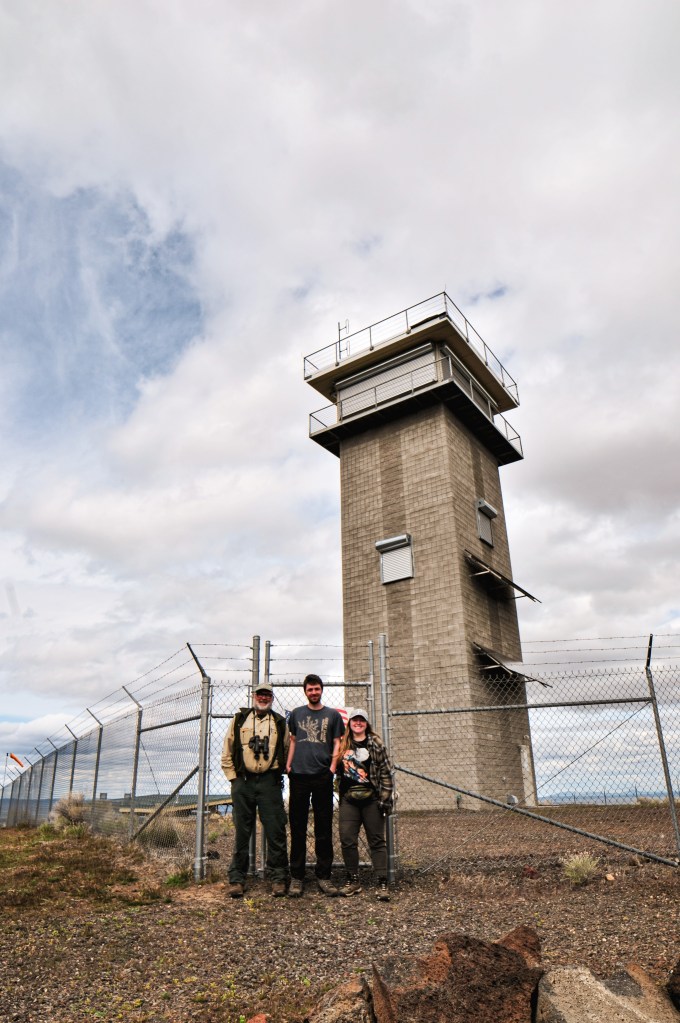
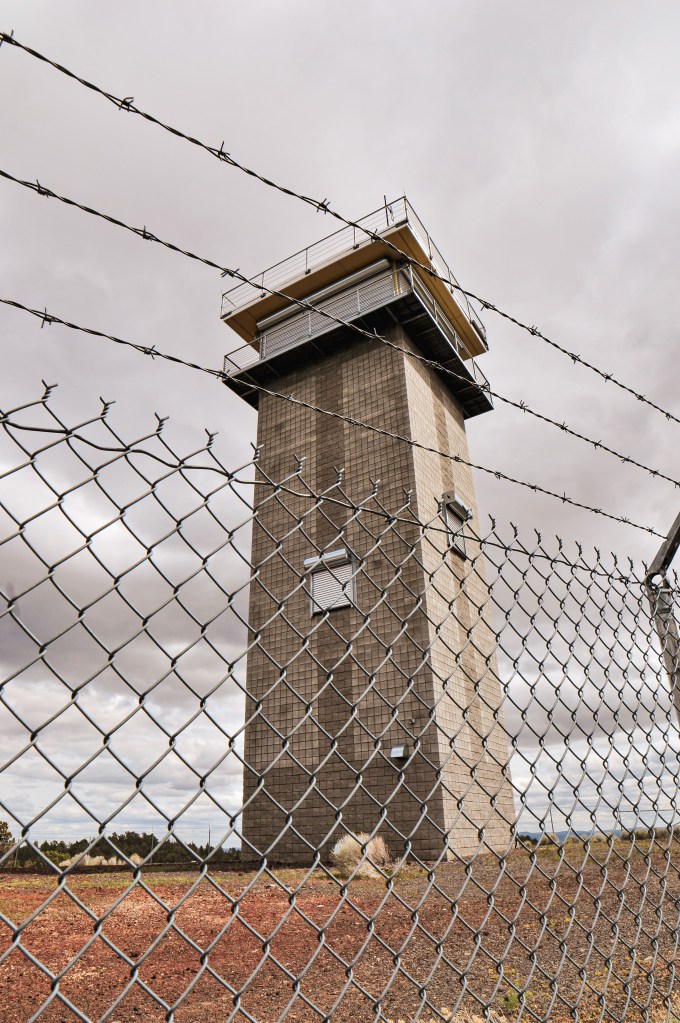
A fortress. A tower for a high-security prison. The tower that kept Rapunzel locked away. The current structure on Green Mountain hardly resembles what we would typically recognize as a fire lookout. The 50′ enclosed cinder block tower with observation cab was built in 2010. This lookout was funded by the American Recovery and Reinvestment Act of 2009. The recovery work consisted of demolishing the existing lookout, building the new lookout, and associated site work. The original 2-story lookout was built in 1963 with a 10′ concrete base and wooden live in cab.
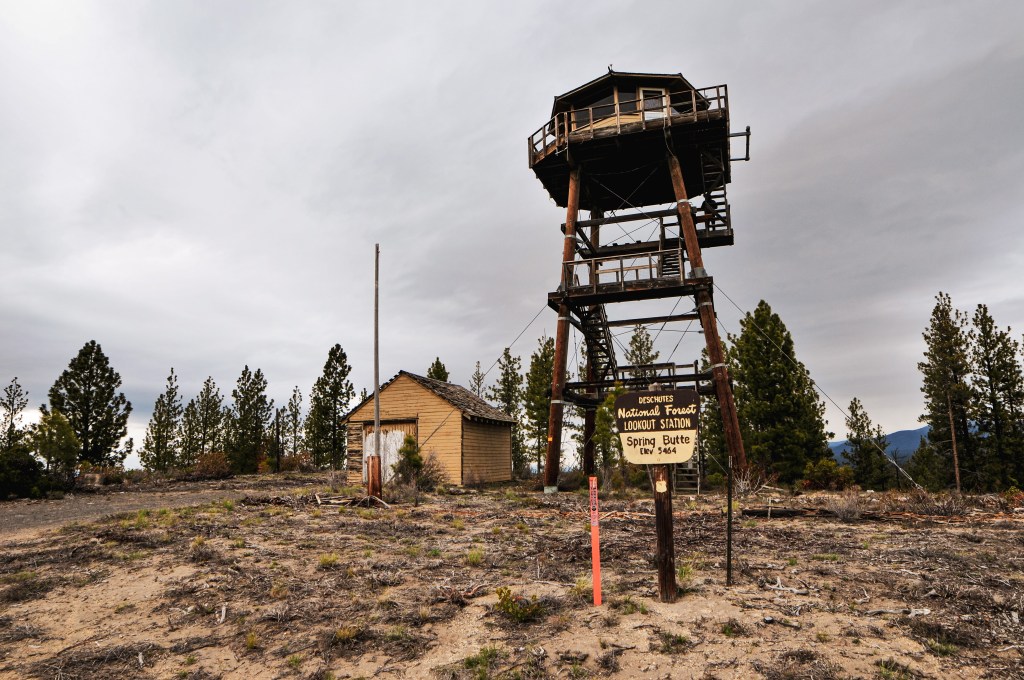
My partner had planned a 4-day camping trip to the Deschutes NF with his dad and myself to celebrate his birthday. We had an ambitious plan to see Spring Butte, Green Butte (post), Green Mountain (post), Pumice Springs, and Fox Butte (post) while in the area. This trip we had the luxury of taking his dad’s truck. Which meant what we didn’t have to worry about in road conditions were replaced with high gas prices and low gas mileage. We left Portland as early as possible to see if we could get to Spring Butte and Green Butte before setting up camp. Luckily, my partner and his dad had been to this area before and knew where there would be dispersed camp spots. This helped cut down on the travel time that we would normally have to allot to searching for a spot. The amount of Forest Service roads in this area are extensive and unmarked due to the OHV traffic. I strongly recommend having a ranger district map of the area if you plan to go down more than just the main roads. Never rely on GPS for navigation within the forest. We came upon a lost couple on our drive out of the forest on the last day of the trip that flagged us down to ask for help. They thought if they continued down the road long enough it would eventually turn to pavement and had ended up there due to their GPS. We warned them they were headed for more miles of gravel and should turn around since they were still close to the edge of the forest. Luckily, they took our word for it and followed us all the way out to La Pine.
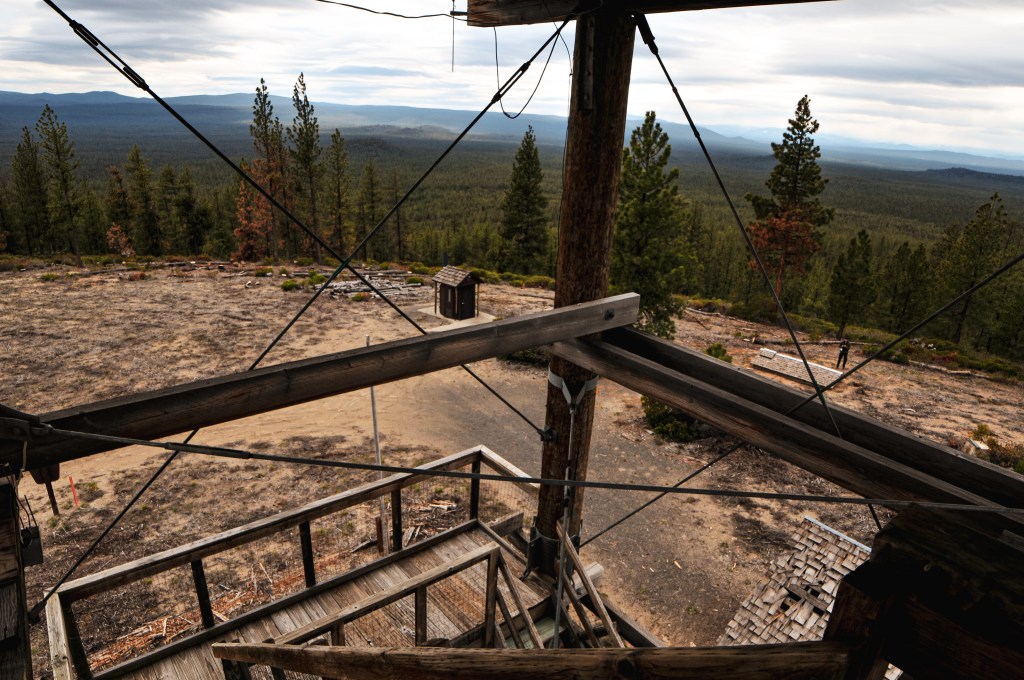
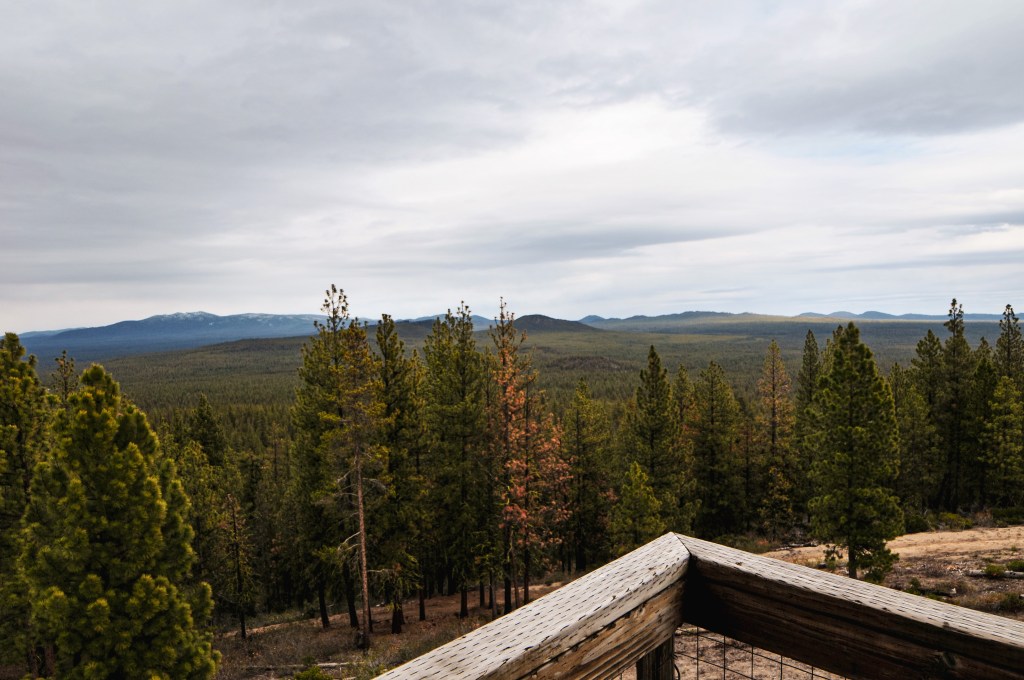
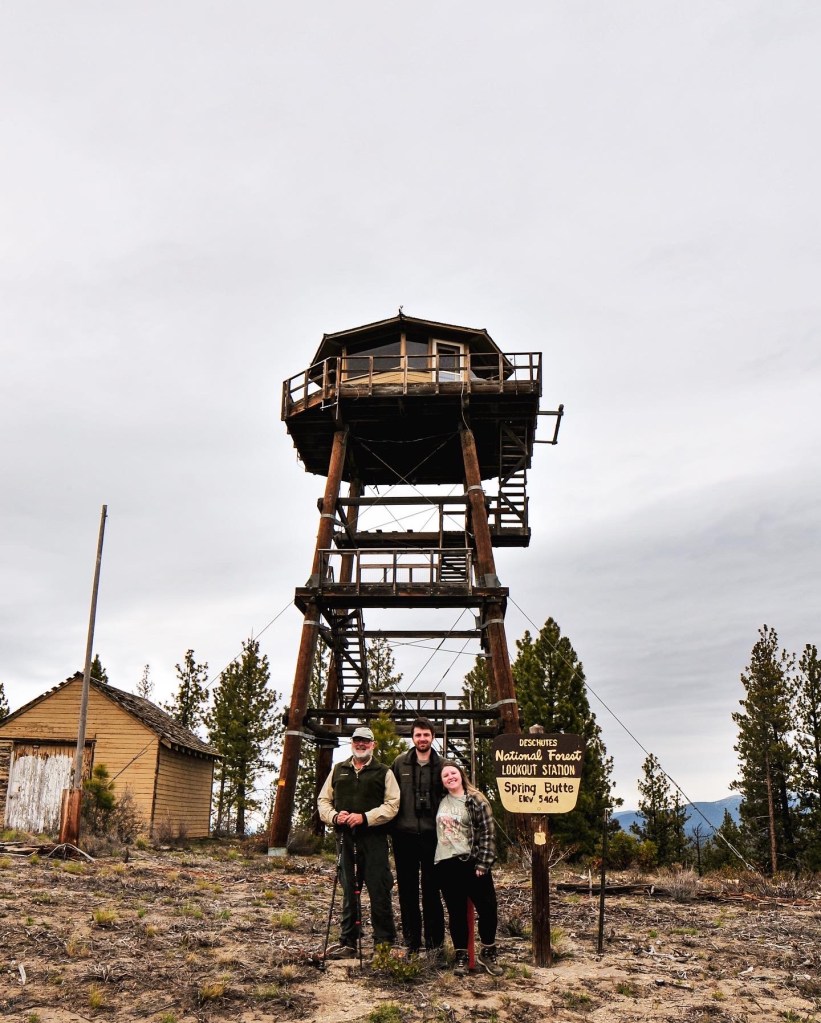
On the ranger district map the most direct route to Spring Butte looked like NF-2220 off of HWY-31. I think under normal circumstances this road would be a good route to take but since it was still early season we ran into a lot of debris and downed trees. I also wouldn’t recommend this route as the best way for lower clearance vehicles. We were able to drive down NF-2220 until it’s junction with NF-600. There was a large downed tree blocking the road that, even if we had remembered to bring our buck saw, would have been too big to cut without a chain saw. We noticed NF-600 basically paralleled NF-2220 and decided to attempt that route instead. NF-600 is a rocky spur road that doesn’t see a lot of use. On the map it appeared to connect back to NF-2220 via another spur road, but we quickly found out it was barely even a jeep track up a rocky slope. We continued on NF-600 until it met up with NF-2420. This took much longer than expected since we constantly had to stop and move downed trees out of the way. Thankfully they were all small lodgepole pines. From NF-2420 we took a left and headed towards NF-2430. You will turn left and stay on NF-2430 until you reach the spur road NF-830 that will take you all the way to the lookout. NF-2430 crosses NF-2220 before you reach the spur which is where we were hoping to come from originally. There is a sign for the turn to Spring Butte L.O. from NF-2430 as well. From this junction it is only a mile. If we had been driving my Civic this is where I would have parked and started to road walk. We drove the truck a half of a mile up the road but decided to walk the rest of the way after a particularly rutted section. The road is gated near the lookout so you would have to get out and walk no matter what. It looked like someone had been here recently prepping for the start of their fire season since the shutters on the lookout had already been removed. We spent a short time on the summit since we were pressed for time and still wanted to attempt to find Green Butte. This lookout completed our set for all the lookouts with octagonal cabs in Oregon.
Once back at the truck we started heading towards Green Butte (post) on the map. This meant taking NF-2430 back the way we came. You will want to stay on NF-2430 until you reach NF-2222 on the left. It looked like there were multiple connecting spurs that would take you to Green Butte (post) but the most direct route is from spur NF-700. This spur unfortunately wasn’t signed. We were able to guestimate the turn after we went too far and met a different spur that was signed. Once you’re on NF-700 you will turn right on to NF-720 which is in fact marked. My partner’s dad didn’t feel like road walking with us and parked the truck at the junction. From here my partner and I walked up NF-720. We made the mistake of not taking our map or taking a picture of the map before we left. We thought NF-720 would take us to the summit but quickly found that there were multiple spur roads heading towards the butte while NF-720 paralleled it. The two spurs we had to choose between were NF-725 and NF-550. We started up NF-550 first and it appeared to be headed in the right direction. I’m a significantly slower hiker than my partner and I was worried we wouldn’t have a enough time in the day to make it back to the truck and camp before dark. I turned back before the road got too steep but my partner continued on in hopes of finding the lookout. I made it back to the truck around 6PM and we waited for my partner to return. He was lucky that we had guessed the correct spur road to reach the summit and was successful in finding the lookout. From NF-550 you turn on to NF-555 that will take you all the way to the platform lookout. I’m bummed I didn’t make it this time but now I know how to get there in the future. My partner made it back to the truck around 6:30PM mostly because he ran the rest of the way after I turned around. We ended up setting up camp much later than expected but it was worth it.
If you are wanting to reach Spring Butte L.O. with a lower clearance vehicle, I recommend starting on NF-22 which leaves directly from La Pine. It is marked as Finley Butte Road in town but eventually turns into a Forest Service road. From NF-22 you can take the other side of NF-2220 to NF-2430 to NF-830 or you can go to NF-2222 to NF-2430 to NF-830. Since I can only speak on the roads I’ve been on, I’d recommend NF-2222 to NF-2430. I would consider these portions of the road passable to lower clearance vehicles.
History.
Similar to Sisi Butte (post) and Calamity Butte (post), the existing Spring Butte L.O. has an octagonal cab. It was constructed in 1991 as the first of its kind in Oregon. The 16’x16′ cab sits shorter than the other two with a 41′ pole tower. It is still actively staffed every summer, so always make sure to be respectful of the active lookout attendant’s space and only climb the tower if you’ve been invited up. The previous lookout structure was developed in 1932 as a 30′ tower with 14’x14′ L-4 cab. It was maintained regularly between the 1950s-1970s and used up until it was deemed unsafe in the 1990s. In November of 1997, the existing lookout was broken into and vandalized. The damages were estimated up to $10,000. The fire finder and other furniture were torn and tossed from the height of the tower with complete disregard. It is unfortunate to hear that some people have such a lack of respect for places like this which is often why they are hidden behind locked gates. It is our collective responsibility to help keep places like this intact for future use and others to enjoy.
Siuslaw National Forest; Cascade Head Experimental Forest
Status.
Abandoned; Partially standing
Estimated drive time from Portland, OR.
2 hours
Date visited.
April 23, 2022
Elevation.
1,303′
Former Fire Lookout Site Register.
US 711; OR 122
Trip Report.
Green Point, not to be confused with Green Mountain, Green Butte, Green Peter, or Green Ridge, is a crows nest located outside the community of Otis within the Oregon coastal range. You can access the community of Otis via HWY-101 or HWY-18. From Otis, you will want to follow the Old Scenic Highway towards the Cascade Experimental Forest Headquarters. Continue on past the headquarters until you reach a four way junction. Turn right here onto NF-1861 until you reach the road with a gate off to the left. Park here. All roads were in good condition for driving a low clearance vehicle.
The above map shows our rudimentary route. The black dots indicate our driving route with the larger dots representing Otis, Green Point, Cascade Experimental Forest Headquarters, and our parked car. The purple indicates our hiking route. We parked the car in a pull out across from an old road with a gate. You could potentially park at the gate, but someone was already parked here during our visit. I’m not sure what they were doing since they were just sitting in their car, but I’m sure they thought the same about us. Especially, after we headed uphill into the brush. We had drove to the junction past this gated road initially because there was supposed to be another road off to the left that headed closer to the summit. We weren’t able to find any indication of an old road along this section. We hiked a bit up the gated road, but it just followed around the point. It was also significantly overgrown and brushed over by prickly berry bushes. It seemed easier to head cross-country to the summit instead. We started up at an angle from the junction towards the high point. It was fairly easy and open walking for a while, but as we grew closer to the summit we were met with downed trees and thicker brush. I didn’t expect it to be a walk in the park, it is the coast range after all, but this section made me want to turn around. My partner encouraged me to continue on and we eventually broke through into another open area. We followed some game trails until we reached the plateau that is Green Point. It is fairly flat on the summit with a nice park-like stand of trees. We searched around for a while until we found the correct tree. It was on the more northern side of the summit right before it slopes down again.
Heading back down, it was much easier to find a more open route that avoided most of the brush. We were even able to find the old road bed. It was only visible due to the cut bank, otherwise completely overgrown. It was virtually invisible from the main road and un-walkable. Actually, the whole area was overgrown near the main road. We had to push through a dense thicket to get back on the road to our car. There were two bikers stopped and talking on the road where we were headed out. I’m sure they were caught off guard when we emerged out of the brush for no apparent reason. We tried to act casual and headed back to the car. The only marker to identify where to start is a paper plate nailed to a tree with a 3 spray painted on it. This is the better route even if it might not look like it from the road.
History.
Green Point used to have a 53′ pole lookout tower with L-4 cab and garage built by the CCC in 1939. It was used for aircraft surveillance in 1942 and later destroyed in a windstorm during 1951. The crows nest pre-dates the tower and was added to the summit in 1933. I’d say this one doubles as a former fire lookout site and existing lookout.
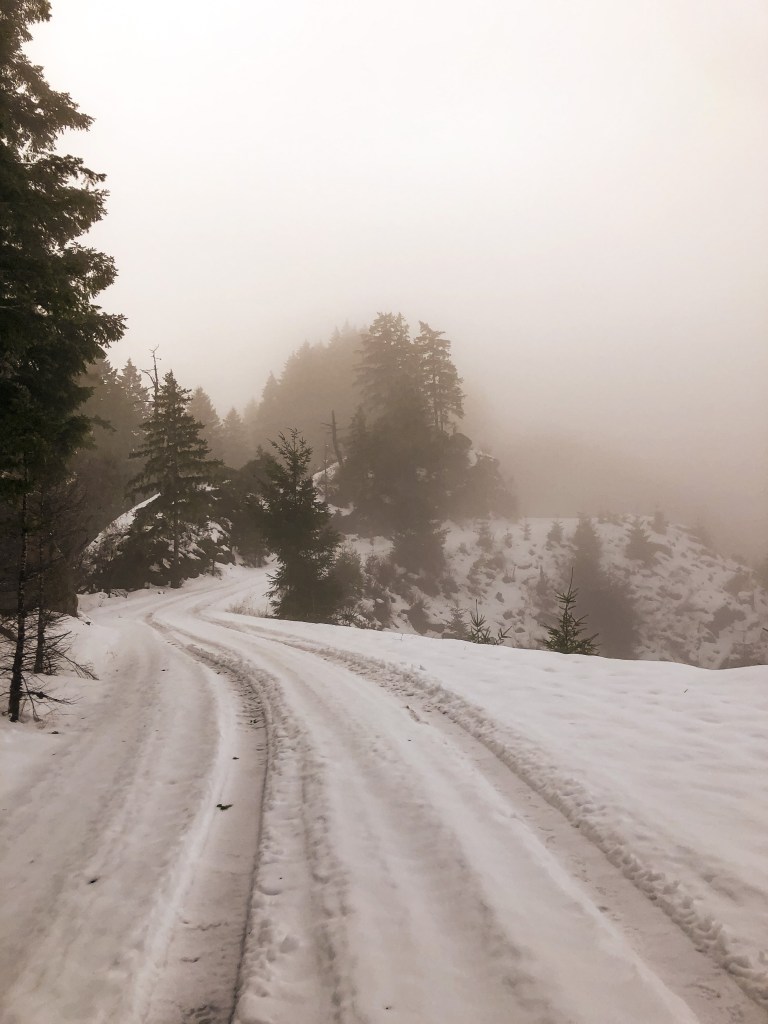
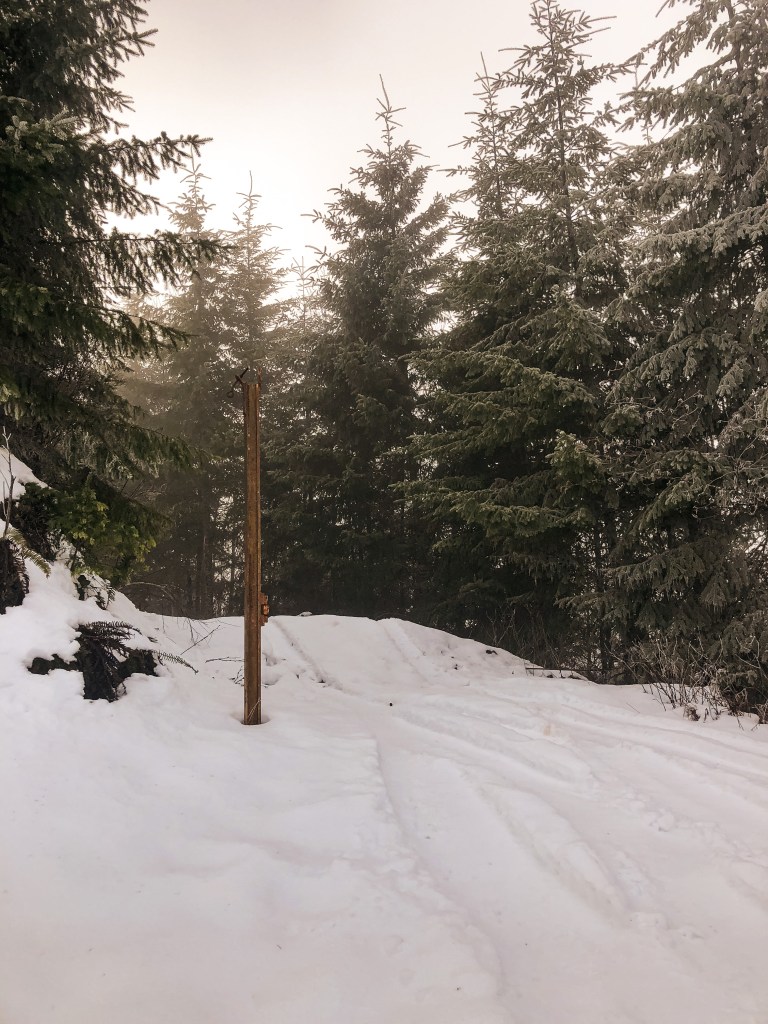
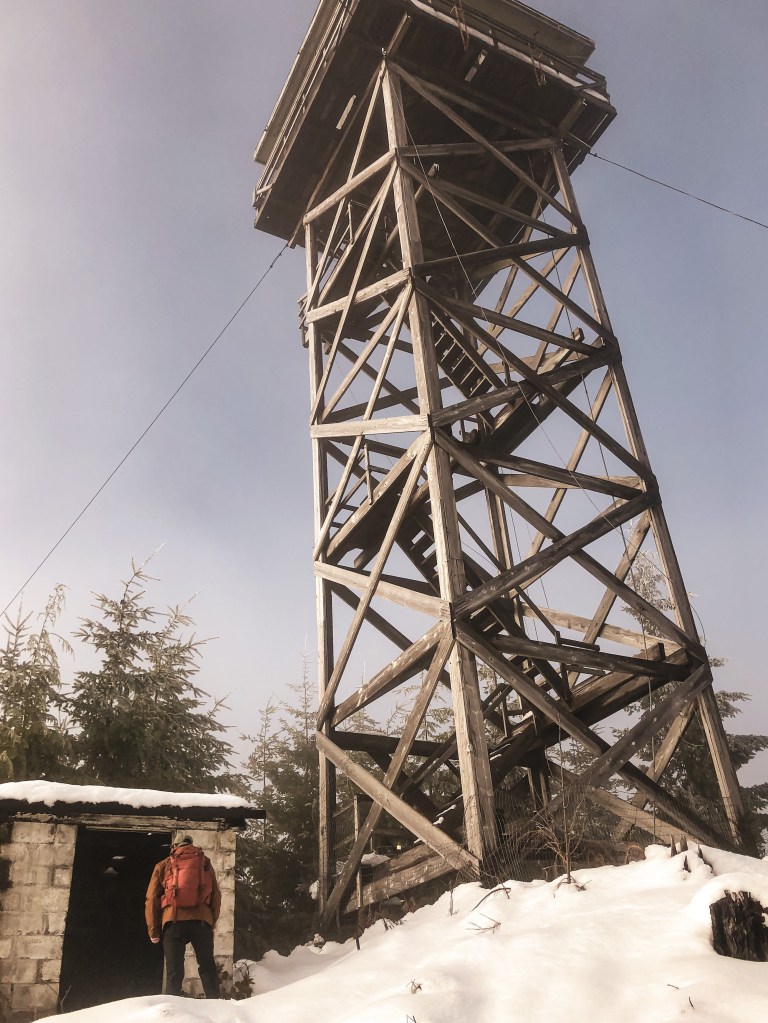
After an easy visit to Bunker Hill L.O. (post) the day before, we woke up ready for more of a challenge. We weren’t sure how the roads leading up to Cougar Pass would look, but figured we could get as close as possible and walk the remaining distance. We had been dealing with a state wide snow storm for the past week, so the chances of meeting snow here were high. Normally being just off the coast is a safe bet for no snow, but we never seem to be that lucky with our off season explorations. We headed east out of Reedsport on HWY-38 until we reached the turn off for Loon Lake Recreation Site. You will turn Right on to Loon Lake Road. The Loon Lake Recreation Site was already closed for the season but the road leading to Cougar Pass will be beforehand. The gravel road is noted as Cougar Pass Road on google maps but is actually state forest road 7700. There is a small yellow sign posted on one of the trees with this number. You will see the sign after you’ve started up the gravel road. There are no signs to notify you of the turn off from the main road. It is about 6 miles down Loon Lake Road and will be on the right hand side. We barely made it 1/2 mile up the road before we were met with some fallen trees and snow from the recent storm. We already planned on having to walk some of the road, so we were prepared. You will follow the main road until you reach a major T-junction with state forest road 7000. It was hard to find a detailed map of the Elliot State Forest. From what we had it seemed like the road to the lookout would be to the left of the junction. We walked a mile down this way but the only viable road headed steeply down. We retraced our steps and headed to the right instead. It was the first road after the junction and can be distinguished by the pole remaining from the old gate. From there it is only 1/4 of a mile to the lookout. You will reach another road junction before the summit, the lookout is to the left. The Elliot State Forest has taken steps to make this lookout harder to find by removing road signs and tank trapping the road in hopes to deter vandalism. We could tell it was a well trafficked area since there were tire tracks leading up the main roads the entire way even with a foot of snow on the road. We would have had an easier time finding the lookout if it had been a clearer day. We were in a fog cloud until we started to head back down the road to my car. As we were hiking out, we found you can see the lookout from the road. It was close to 6 miles round trip of road walking from where we parked, if you don’t include the additional 2 miles in the wrong direction.
History.
The first fire lookout was built on Cougar Pass summit in 1935 as a 40′ wooden tower and was managed by the Coos Fire Patrol. This tower was replaced by a 50′ CT3 tower with 14×14 cab in 1966. It was actively used up until 1985. Cougar Pass L.O. is the last remaining lookout in the Elliot State Forest and, as far as I know, the only one still located in any Oregon state forest. It is currently managed by the Department of State Lands and is in a state of disrepair. There is a public proposal out to restore and reconstruct Cougar Pass L.O. as an educational opportunity for the Southwestern Oregon Community College and general visitors. This proposal would not only preserve the history of this lookout but help to educate on the forestry management utilized in the Pacific Northwest during the period of 1910 to 1969.
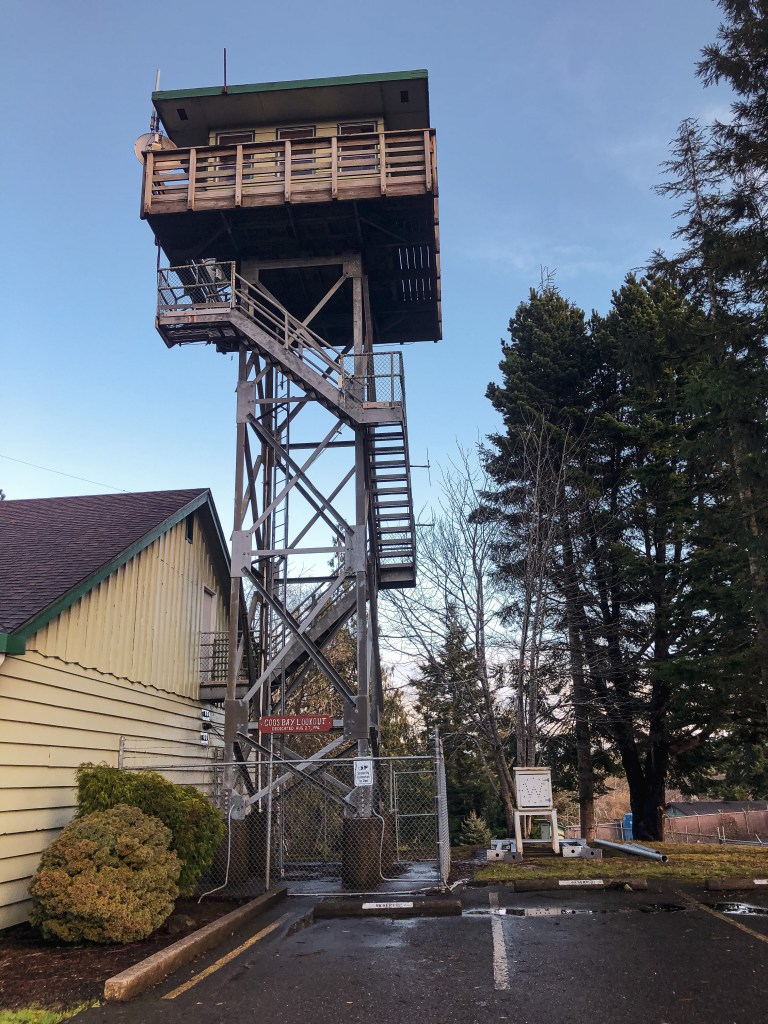
My partner and I decided to book a rental in Reedsport for the New Year and our 3-year anniversary. We chose Reedsport for it’s proximity to two lookouts along the coast. We figured we could end and start the year doing what we enjoyed most. We headed to Bunker Hill L.O. since we had some time to kill before checking into our rental. This will be our last lookout visit for the year! It’s located in the coastal town of Coos Bay at the Oregon Department of Forestry building. We were able to find it by following signs to the ODF building from HWY-101. Heading south on HWY-101 you will turn right on to Flanagan Road. You will stay on Flanagan Road until you reach Lookout Lane. Turn Left on to Lookout Lane. If you end up driving past Lookout Lane you can still get there by turning left on to Bay Park Lane and then another left on Fifth Road. The junction of Bay Park Lane and Fifth Road has an ODF sign. The buildings were closed for the holiday but we were still able to access the grounds and view the lookout from the parking lot. There is marked visitor parking just past the gate.
History.
In 1937, a combination lookout and water tower were built for the ODF by the CCC of Camp Walker. A 7’x7′ lookout cab was built atop a 3,000 gallon 52′ water tank. This lookout tower was used by the Coos Fire Patrol until the 1950’s. It was also used briefly for air raid spotting during the war, but it was found that most spotting had been done from the ground. The combined lookout and water tower was dismantled in 1965. It wasn’t until 1996 that they decided to build a new lookout tower on Bunker Hill for training. The existing 12’x12′ lookout sits atop a 40′ steel tower next to the district headquarters. The steel tower used was donated by the U.S. Coast Guard. It is currently an interpretive site for visitors and listed on the National Historic Lookout Register. it’s labeled as the Coos Bay Lookout on the tower itself.
Bonus: We visited the Umpqua Lighthouse State Park to check out the lighthouse before heading to Bunker Hill L.O. It is ran by the U.S. Coast Guard and tours are offered through the museum. While parked we spotted another structure closer to the ocean that resembled a lookout. I’m sure it’s used by the U.S. Coast Guard for some sort of training but the base looked almost identical to Bunker Hill L.O.
NOTICE: As of July 20, 2024 this area is currently closed due to the active Diamond Complex.
Location.
Umpqua National Forest
Status.
Active; Currently standing
Estimated drive time from Portland, OR.
4 hours
Date visited.
December 4, 2021
Elevation.
6,417′
National Historic Lookout Register.
US 486; OR 79
Trip Report.
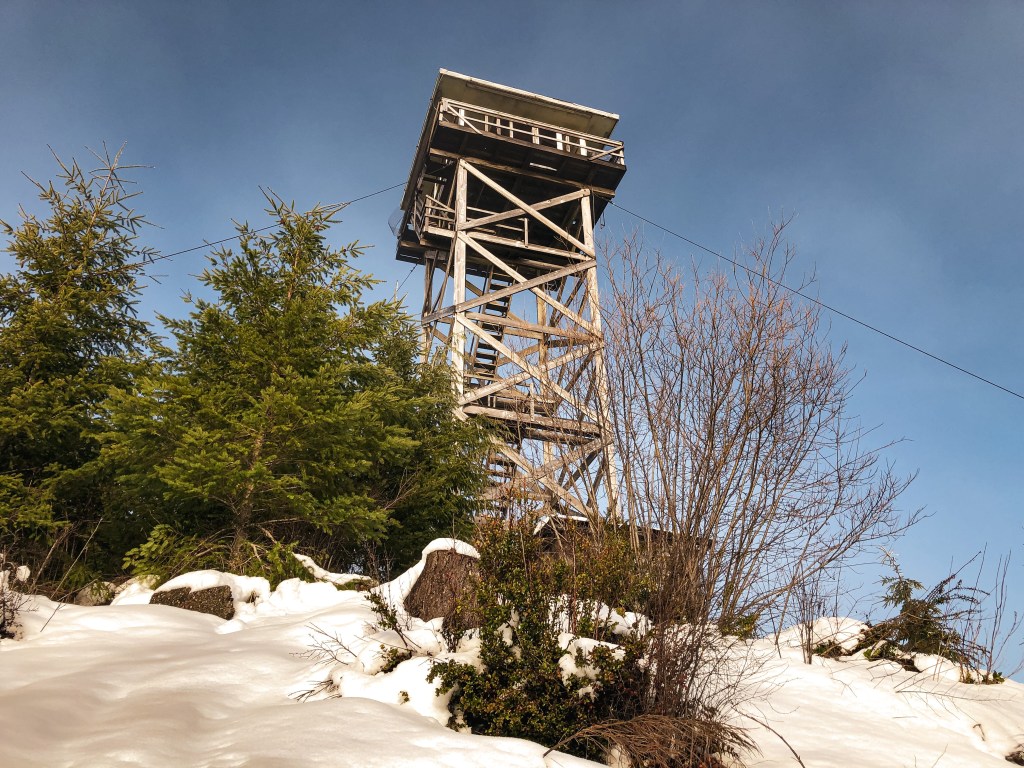
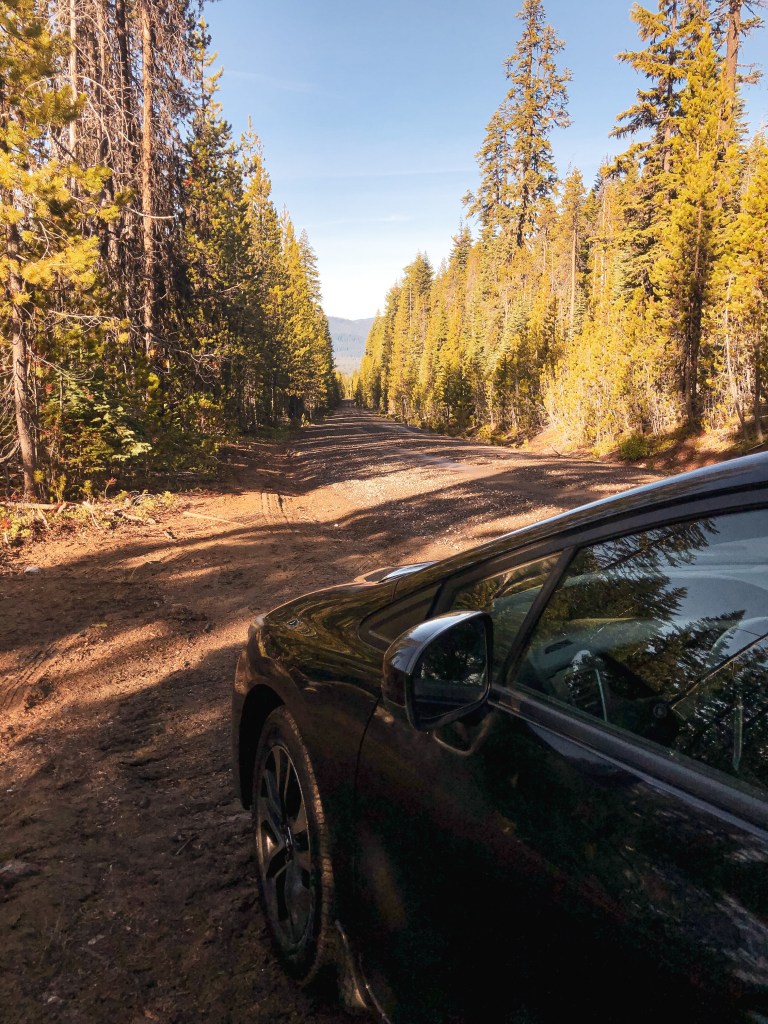
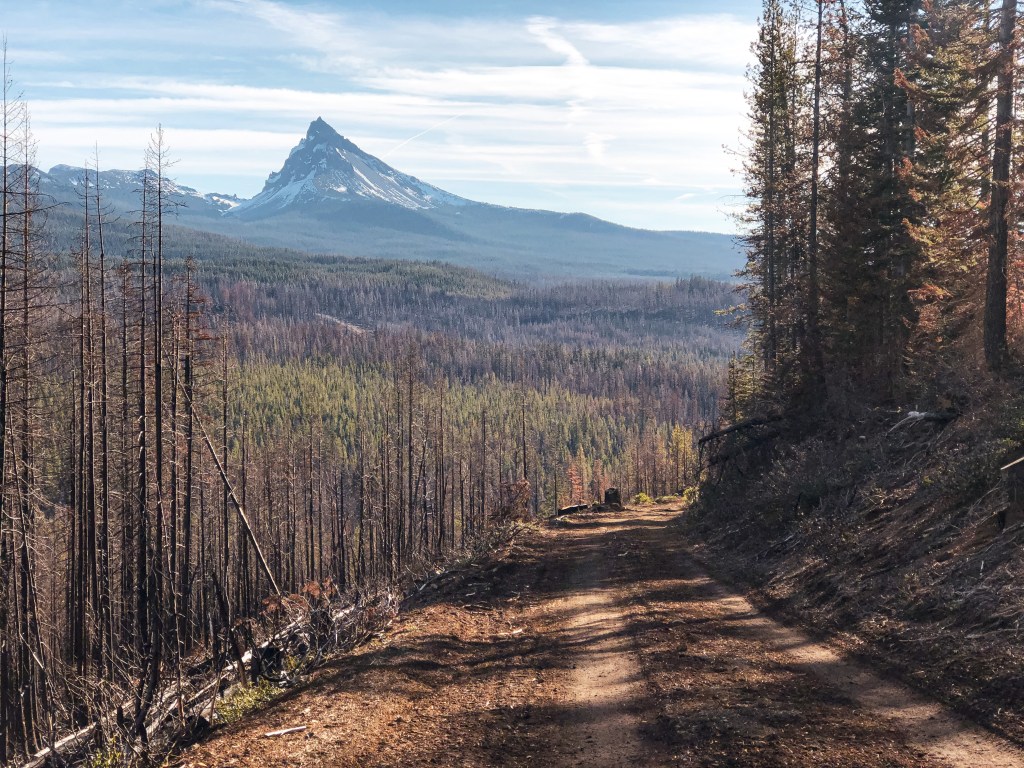
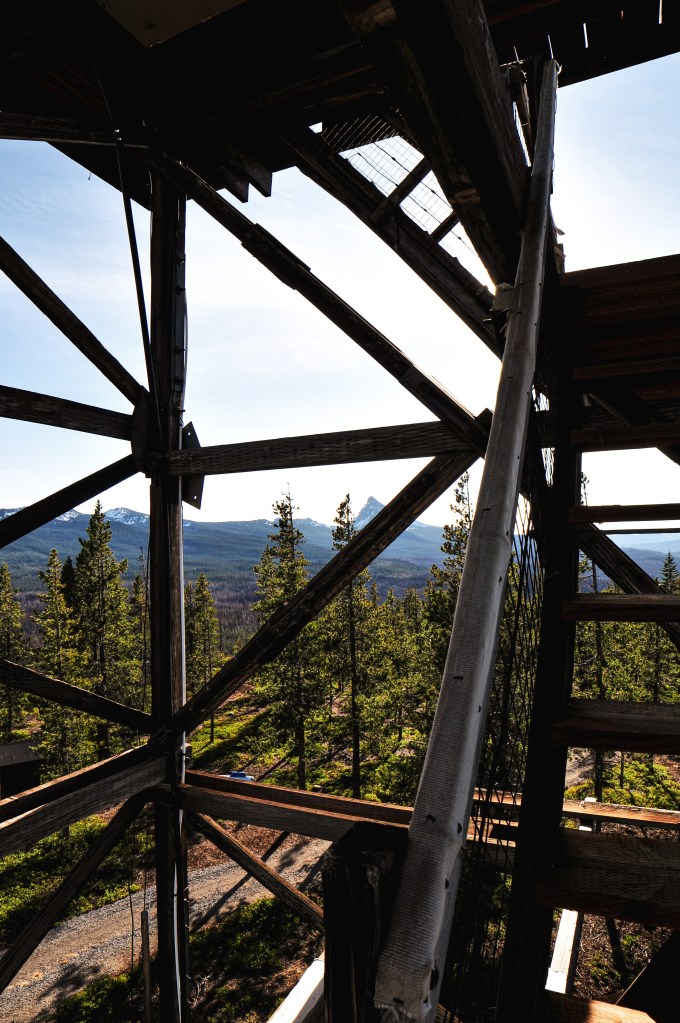
We debated visiting this lookout during the winter months and planning it as a snowshoe since the access road, NF-4793, is located right off of HWY-138. There’s also a small snow park located right at the turn off. This would be easy to access since it is plowed in the winter. There hadn’t been much snow in this area as of recently and we decided to check it out as a day hike instead. The weekend forecasted for cold but sunny skies. We were hopeful we wouldn’t be met with any snow and decided to try for Garwood Butte (post) while we were in the area too. As we made our way down to the Umpqua NF from Portland, we could see patchy snow on the tips of the high peaks. We decided to head for Garwood Butte (post) first but only made it a little less than a mile down the road before we were met with deep snow. It wasn’t worth the risk to drive, so we continued on to Cinnamon Butte. We turned on to NF-4793 and were uncertain if we’d be met with more snow. There is a sign for the lookout from HWY-138 and at the road junction off of NF-4793, so it is easy to find. The turn off for the lookout access road is only a mile and a half up NF-4793. I figure this road gets more sun exposure since we were able to drive to the junction with no issues. It is a gated road so you will need to park and walk the remaining distance. From the gate it is another 1.5 miles to the summit. As you hike up the road, you will already start to get some great views of Mt. Thielsen and the surrounding Diamond Lake area. There is a large parking lot on the summit which makes me believe you can drive there in the summer months. We had the summit to ourselves for the majority of the time. Another couple had hiked up while we were eating lunch but didn’t stay for very long. We took our time on the summit since we already had reservations in Roseburg for the night. It was a gorgeous day to visit!
History.
The current lookout tower was built for Buster Butte in 1955 as a 41′ treated tower and R-6 flat roof cab. It wasn’t moved to Cinnamon Butte until 1976. It has since seen some renovations. The original Cinnamon Butte L.O. was developed as a 35′ tower with L-4 cab in 1934 by the CCC. This lookout is one of the few that is still actively staffed every summer. The structure was threatened by the Thielsen Fire in September 2020. Evidence on how close the fire came can be seen on your hike up the road. It’s apparent that the access road was part of the fire break.