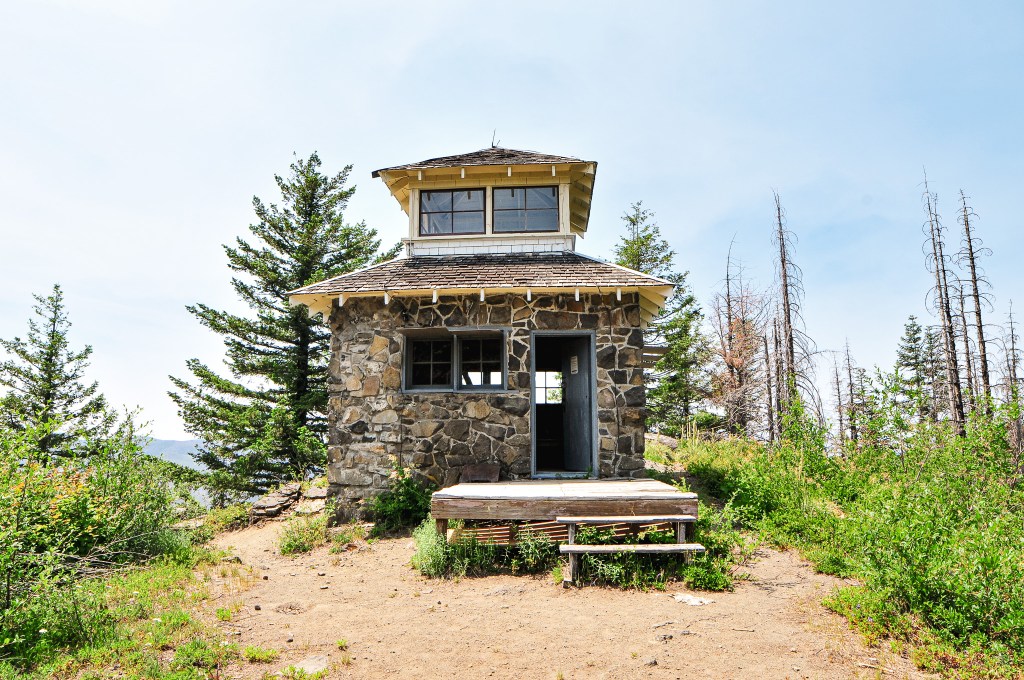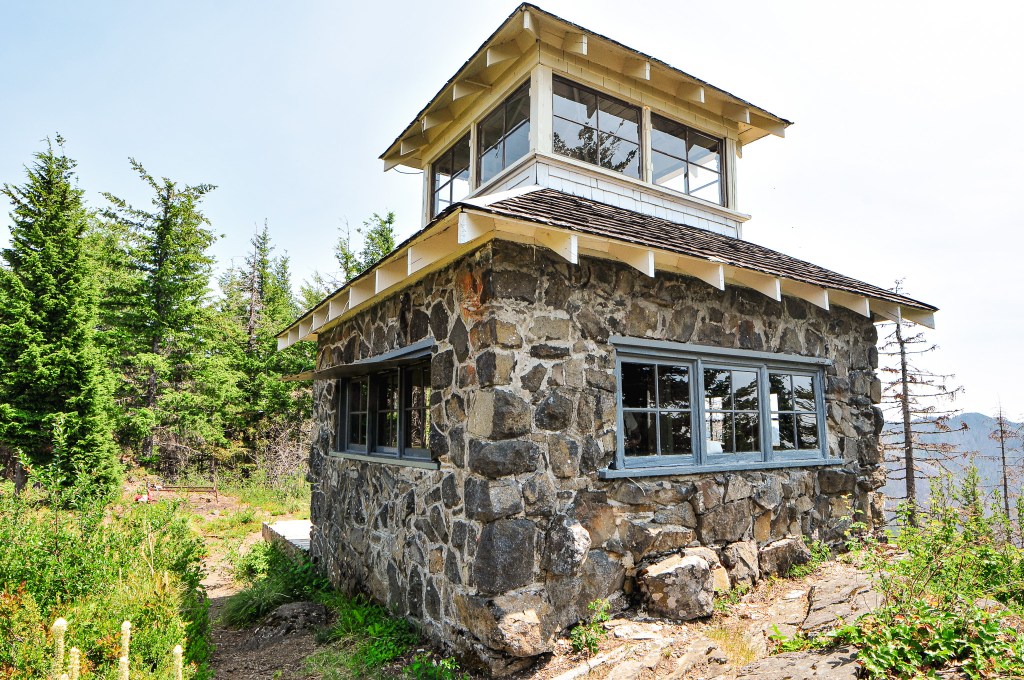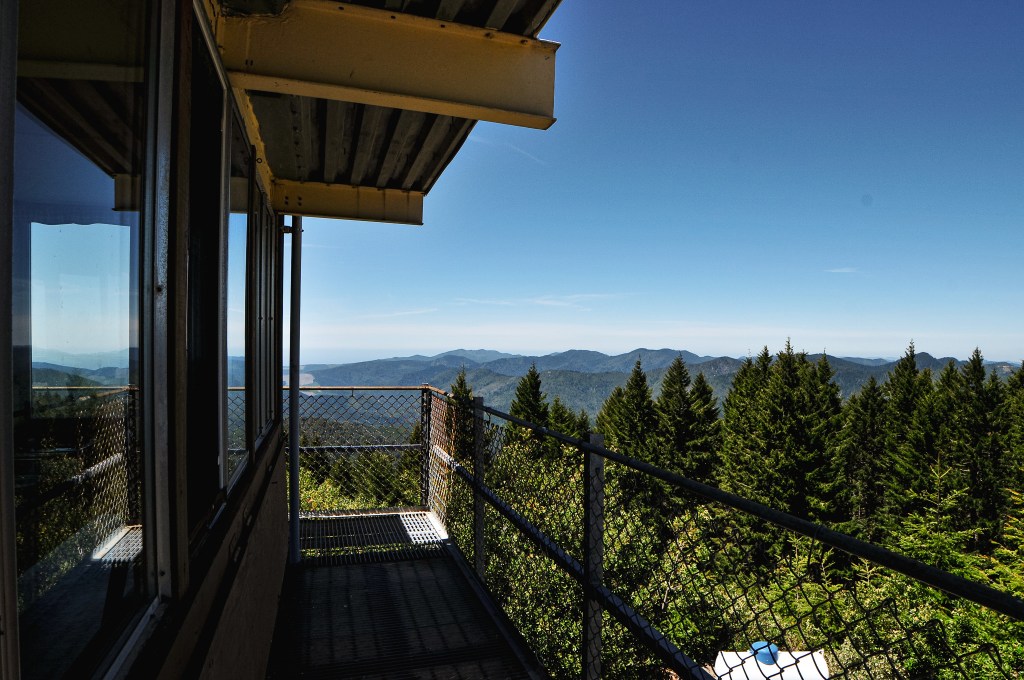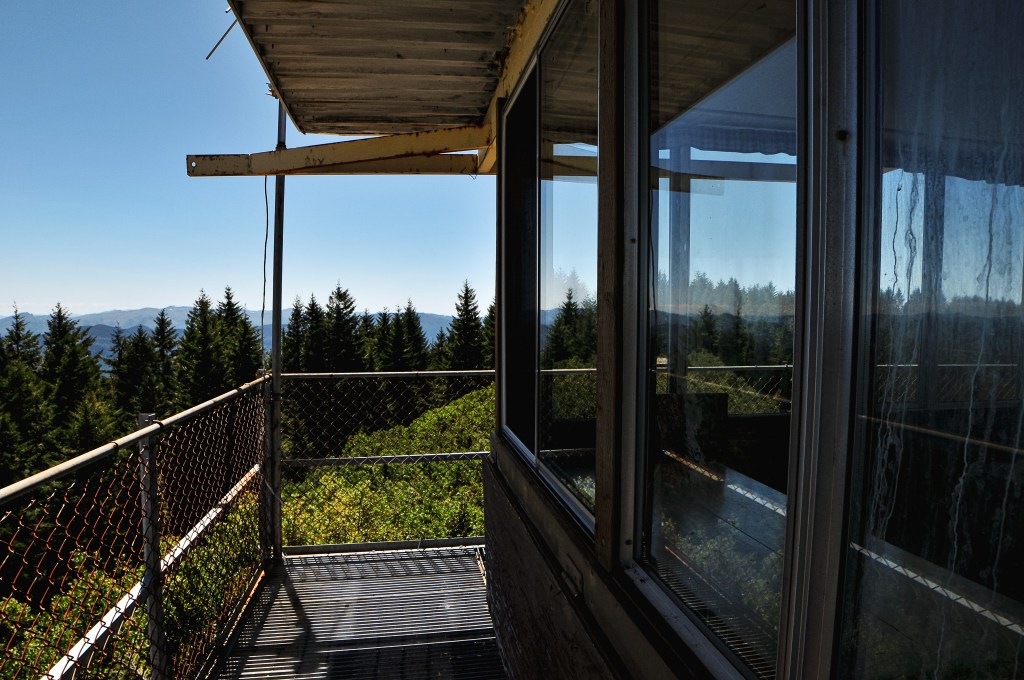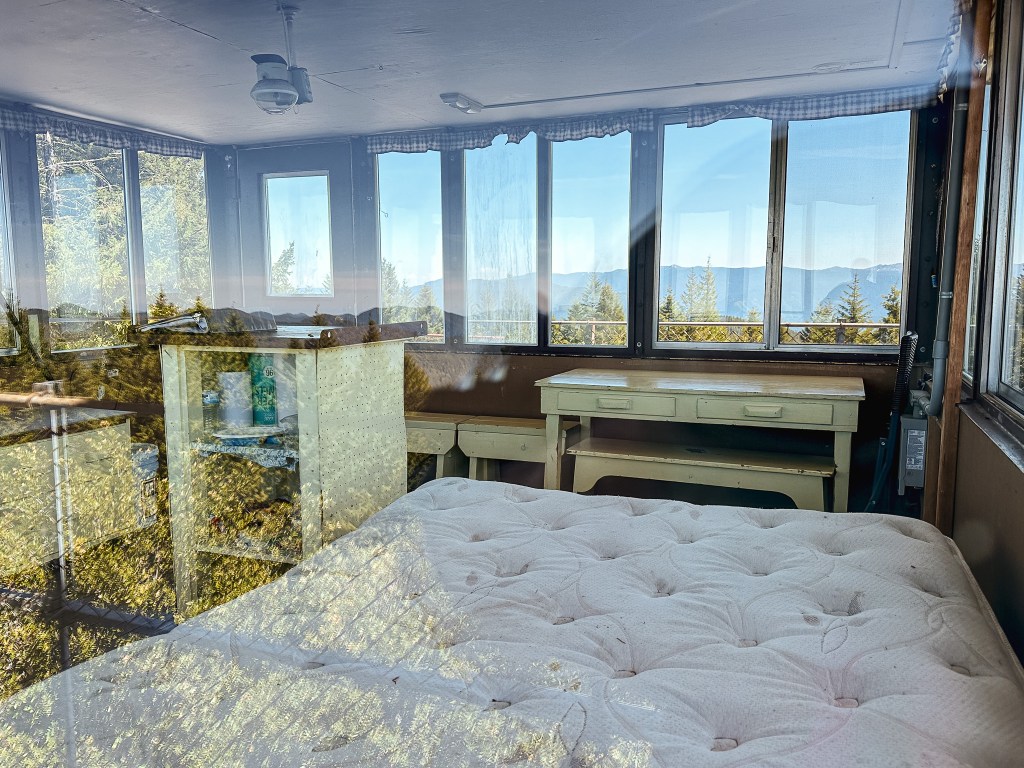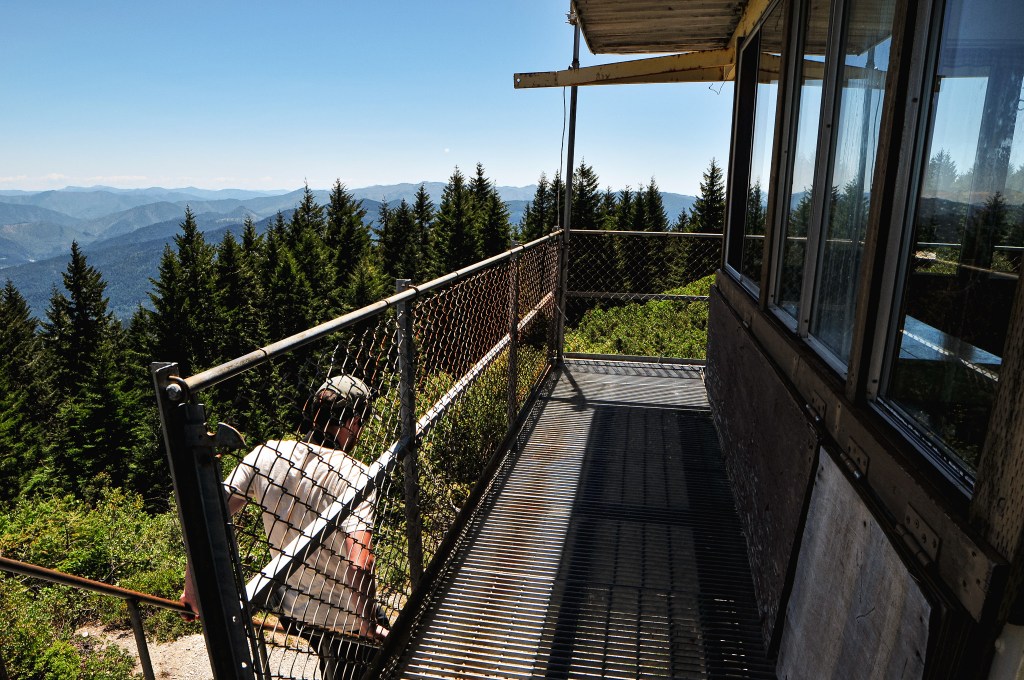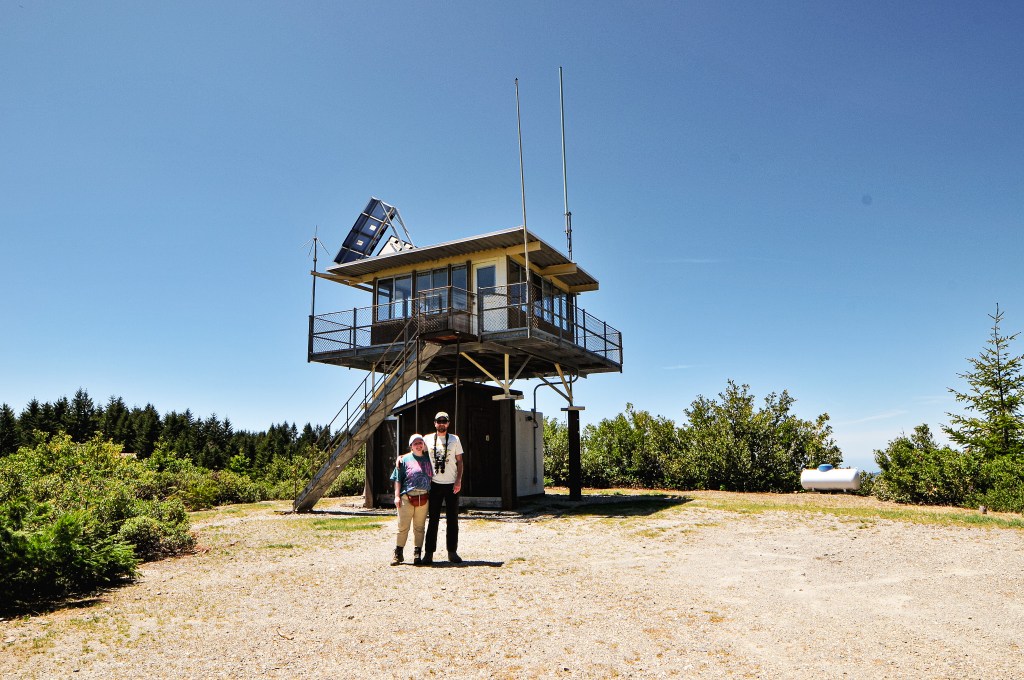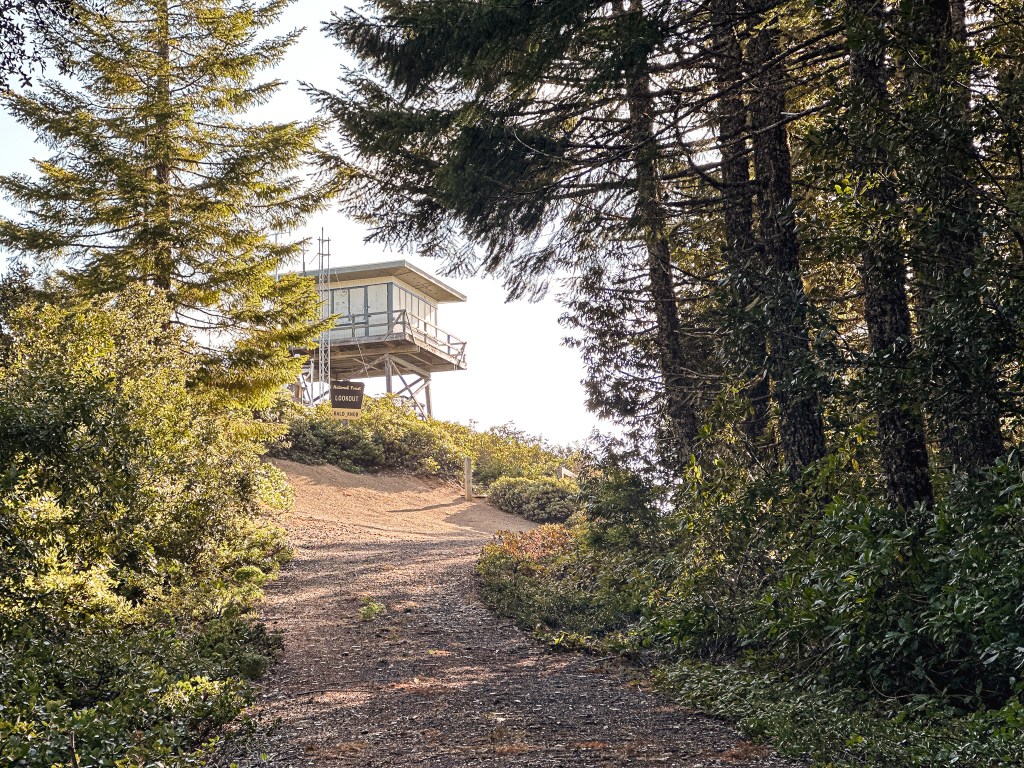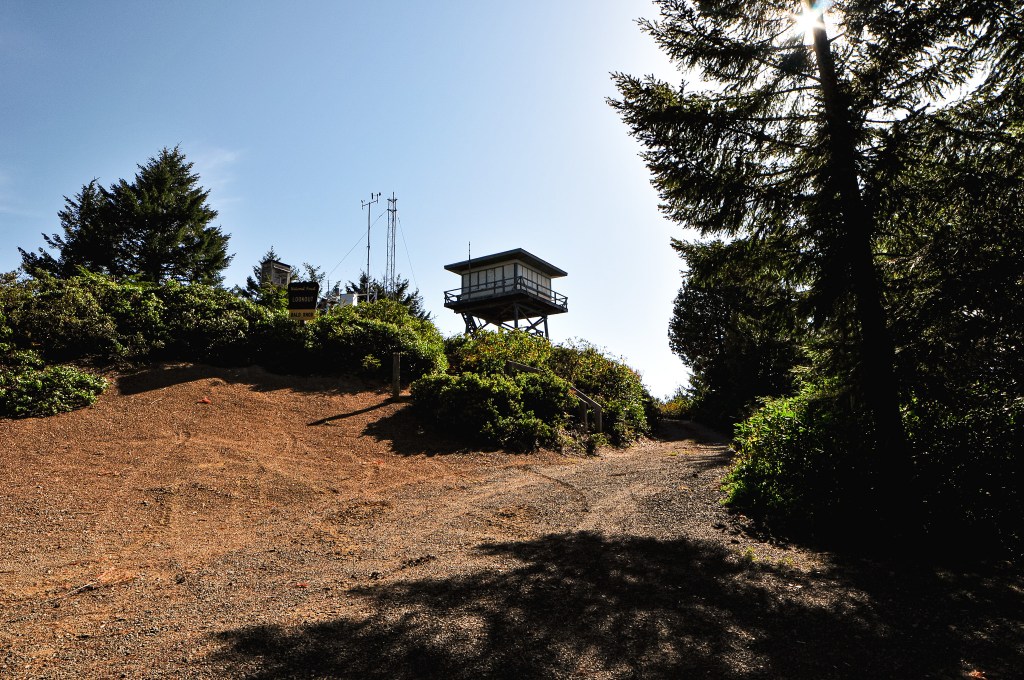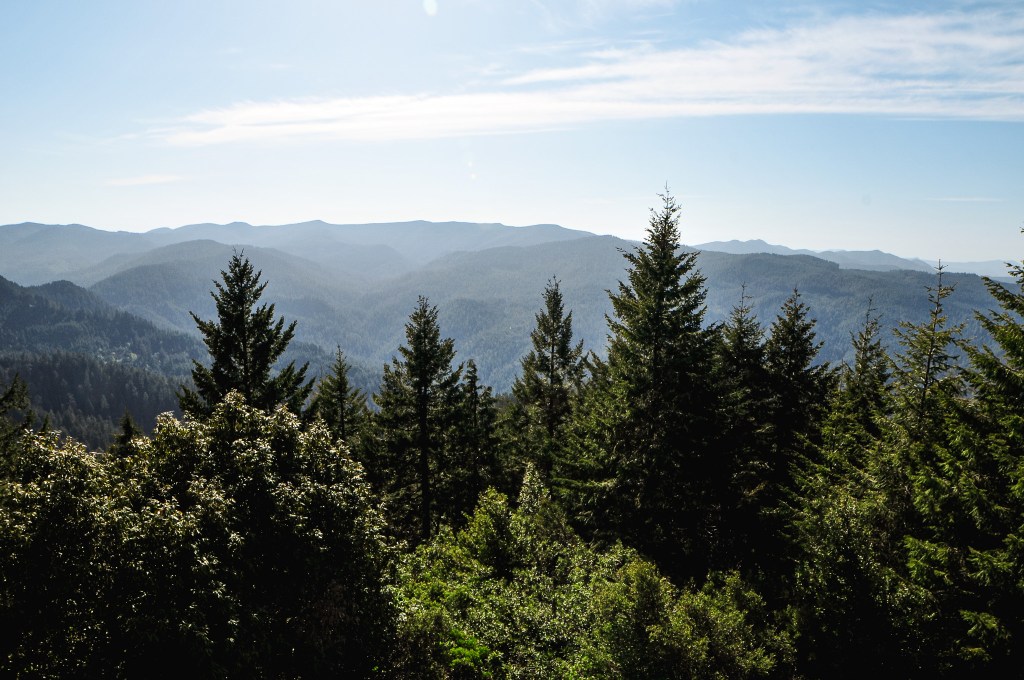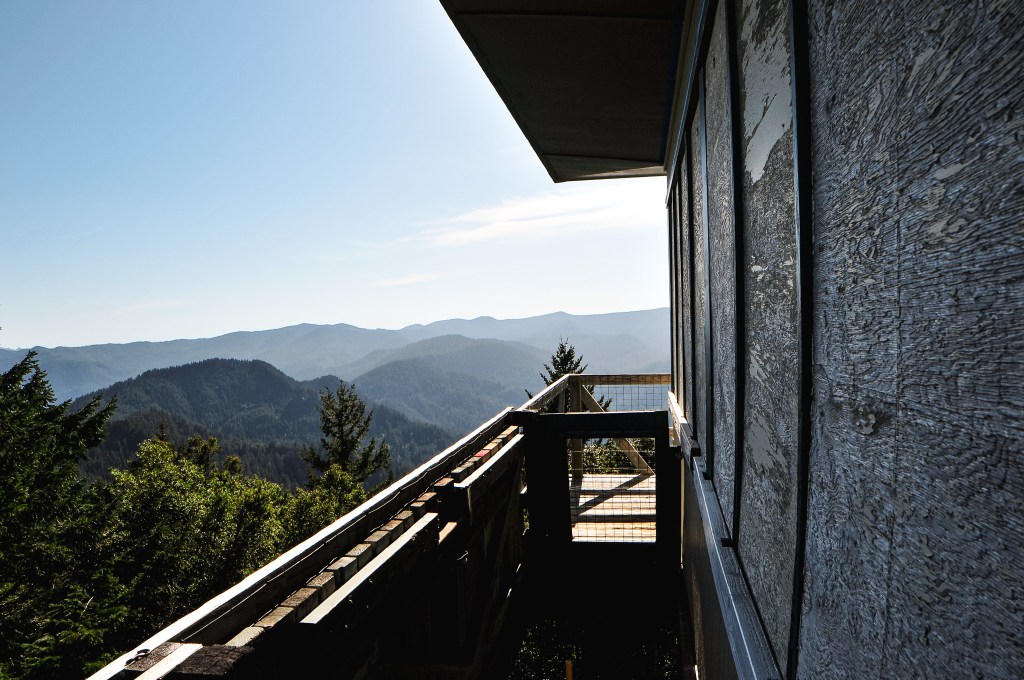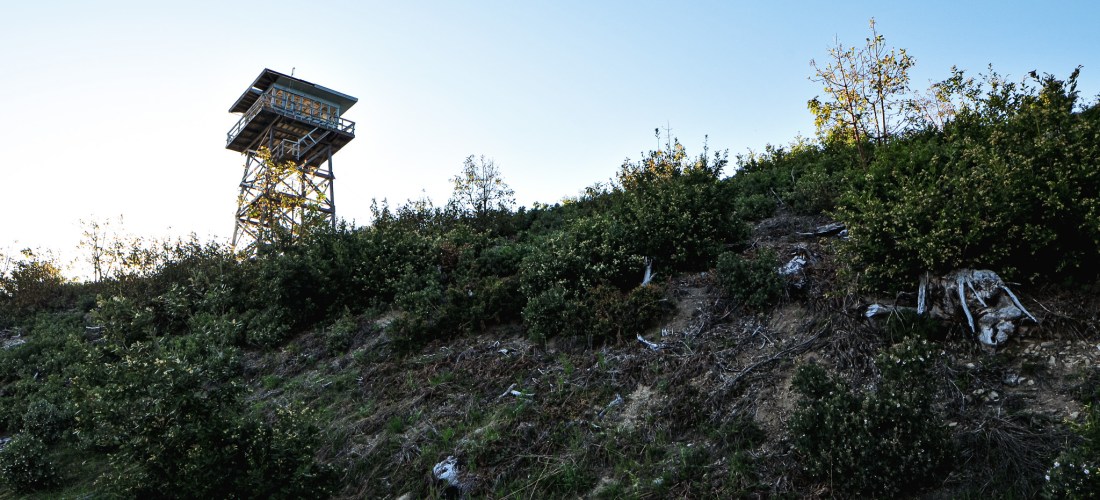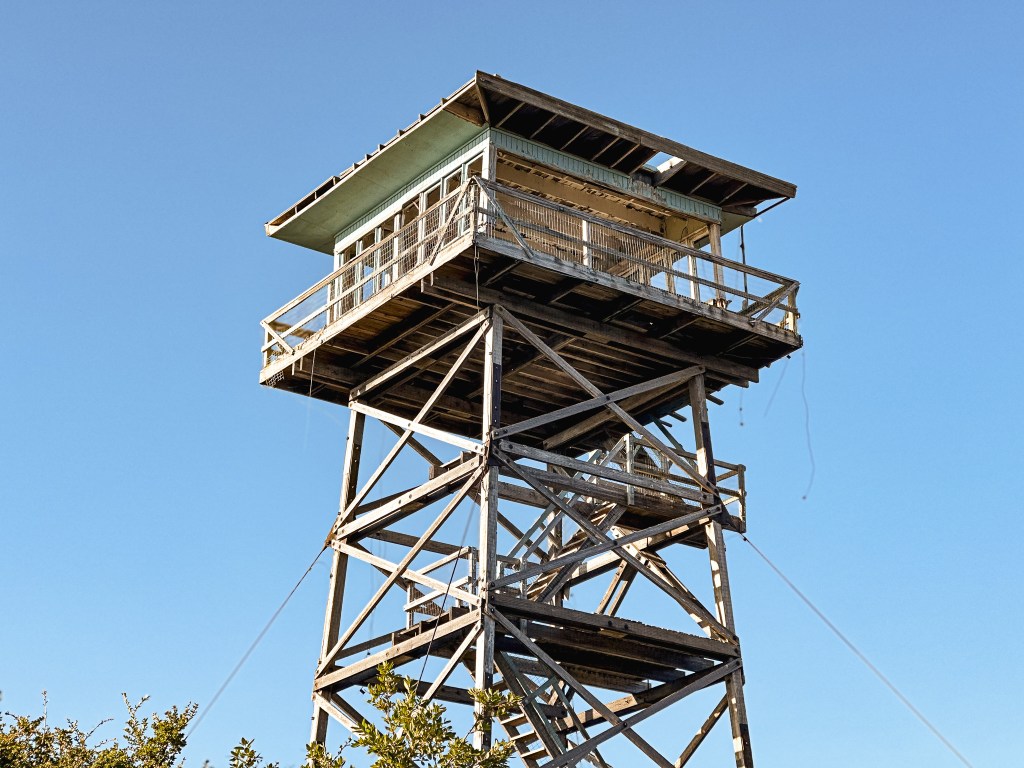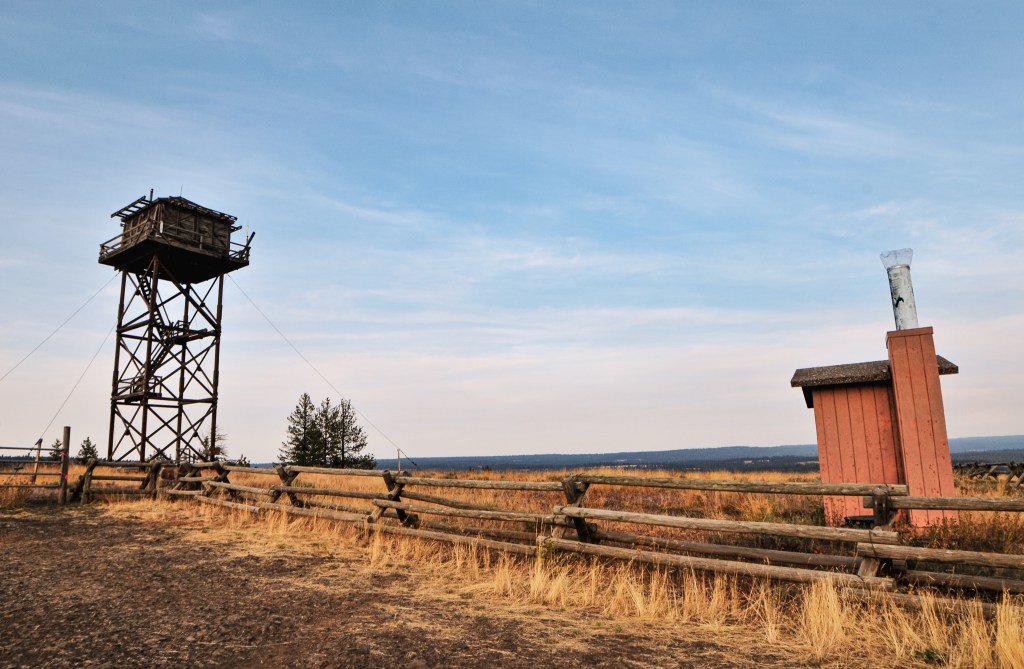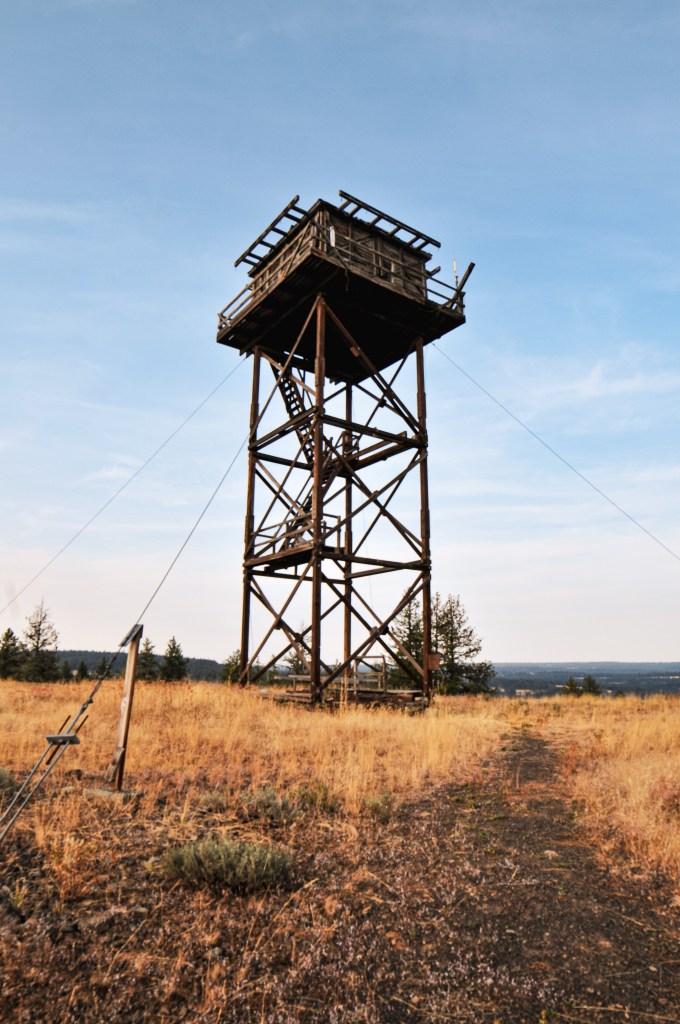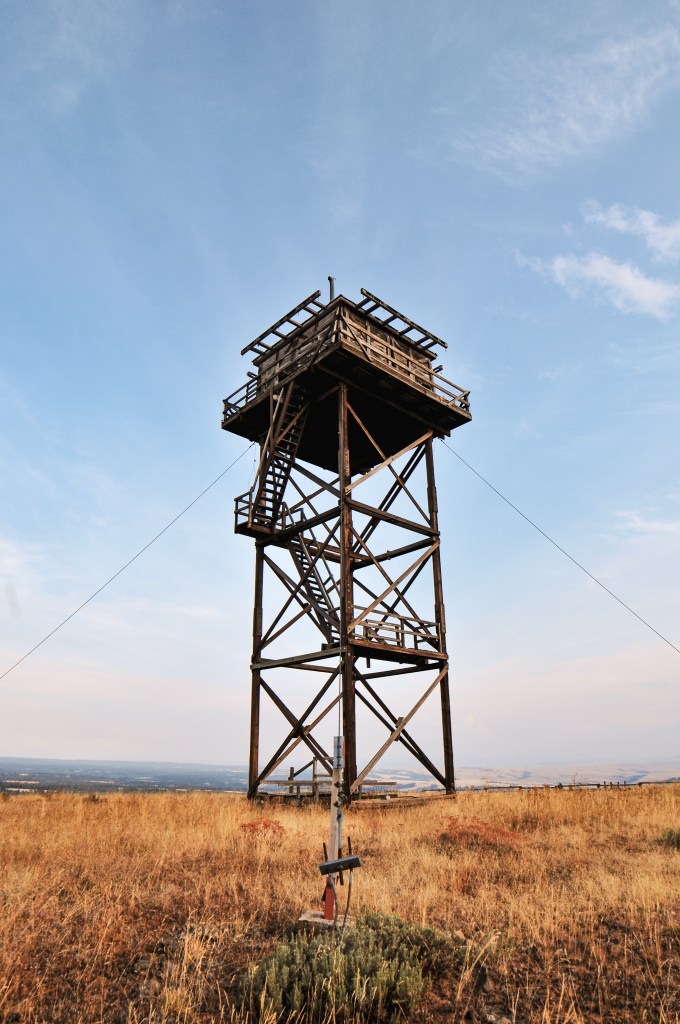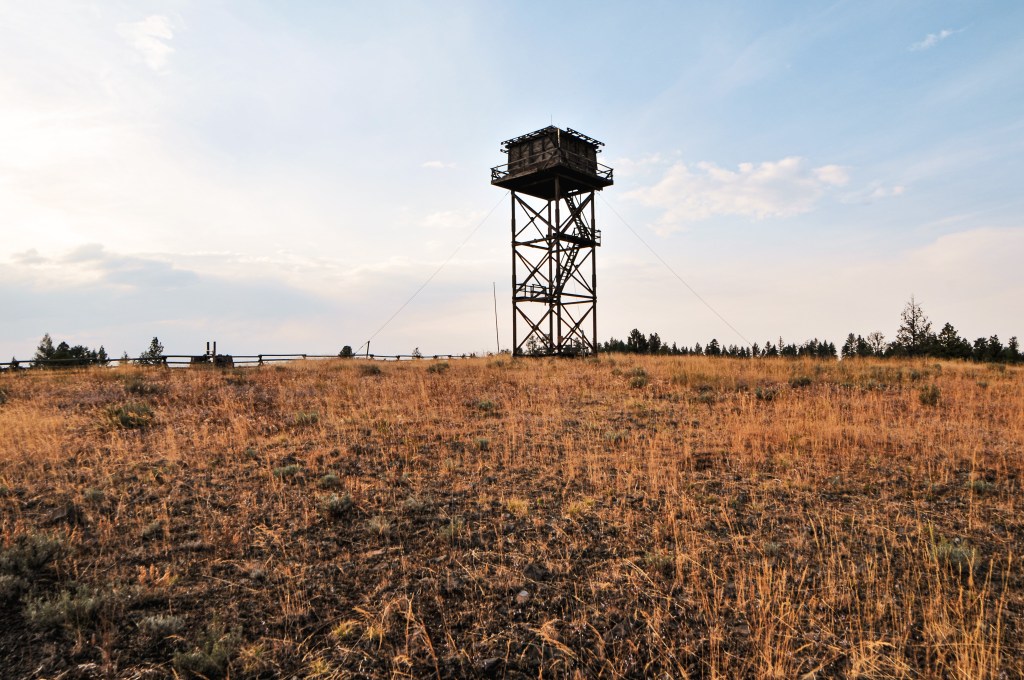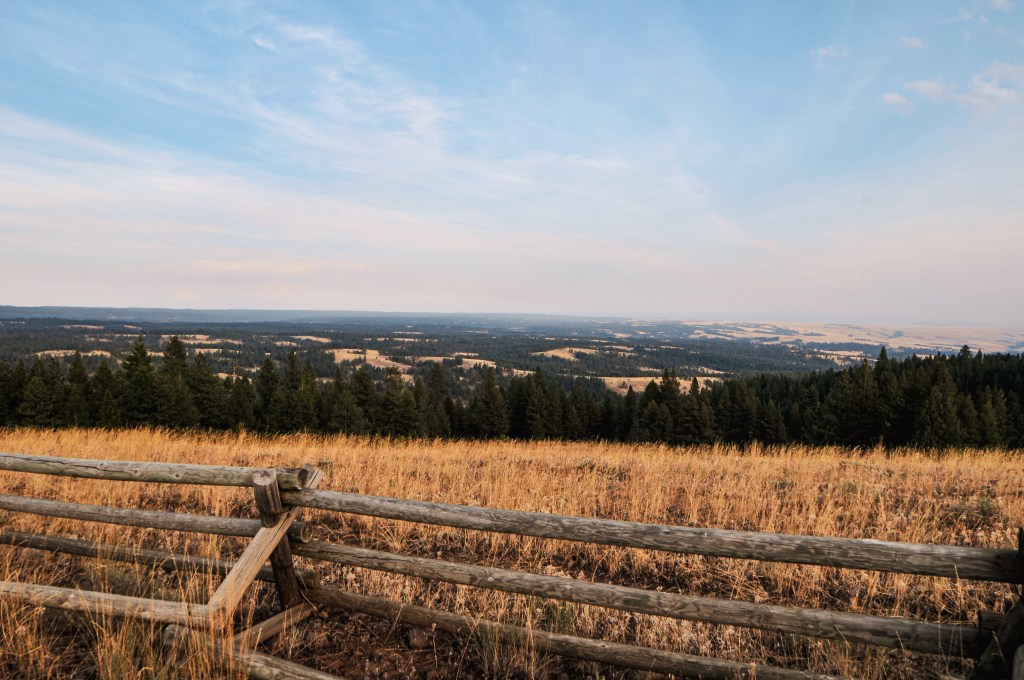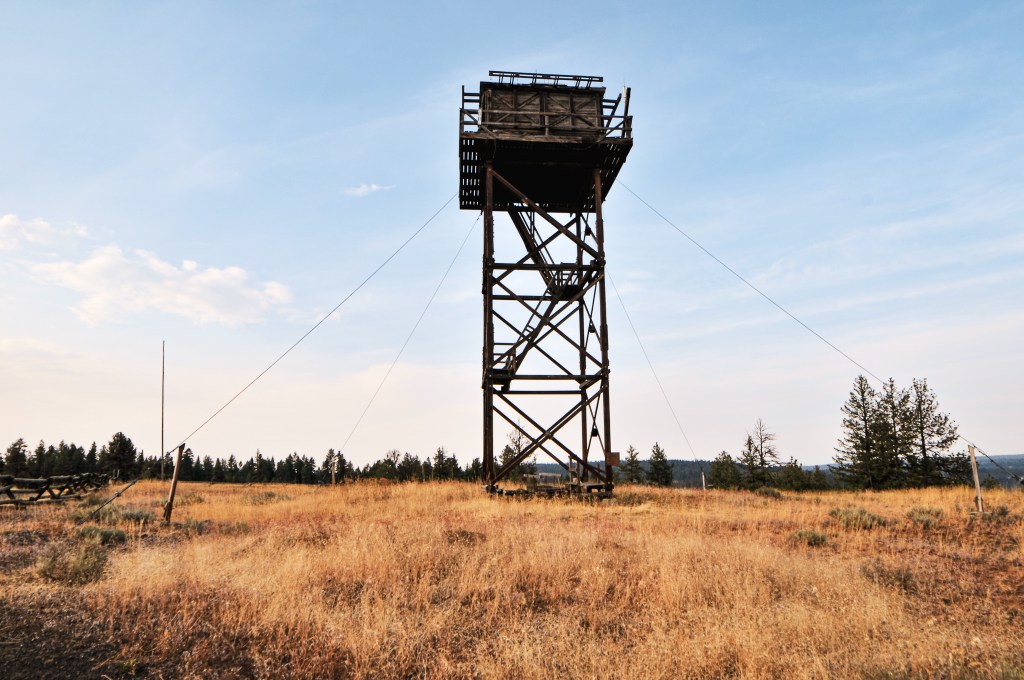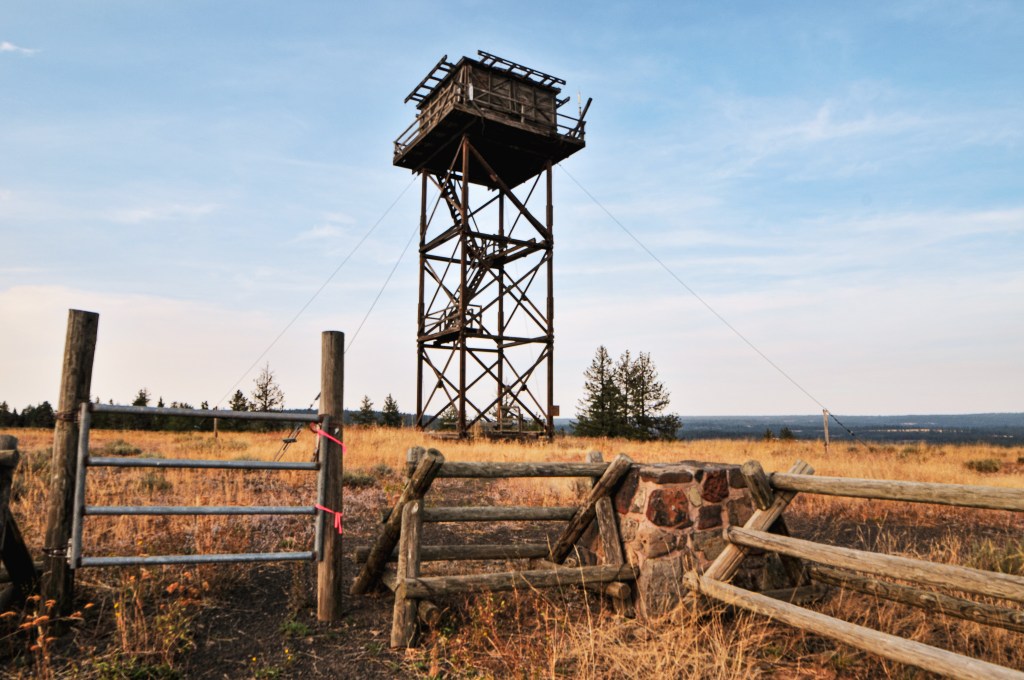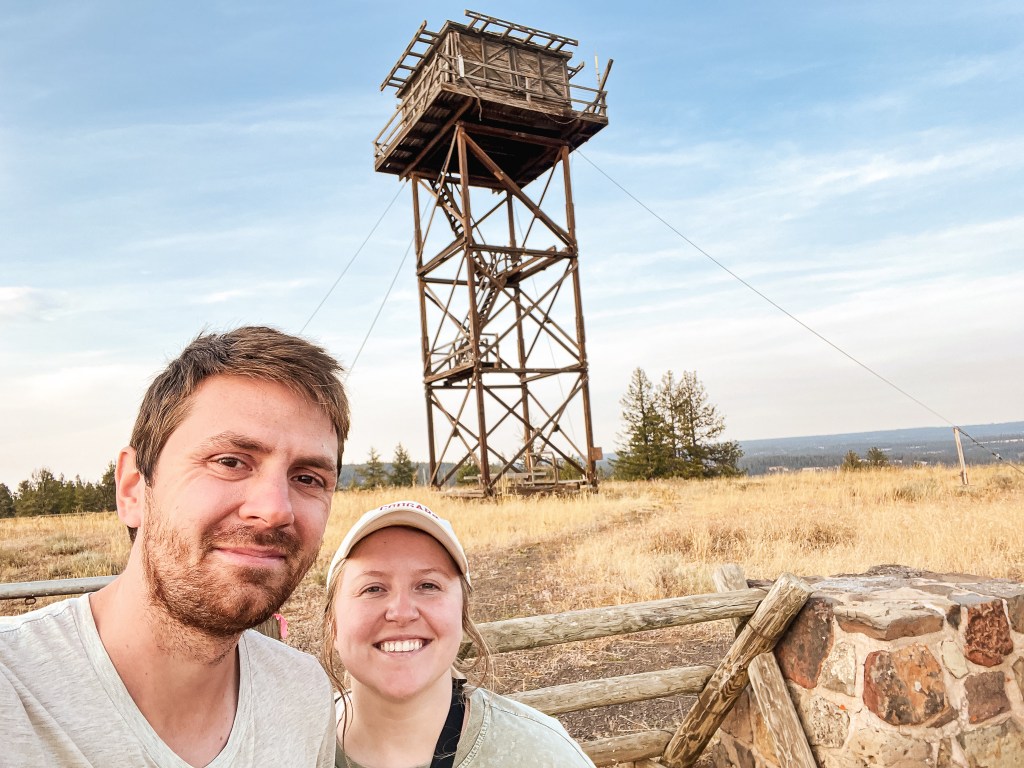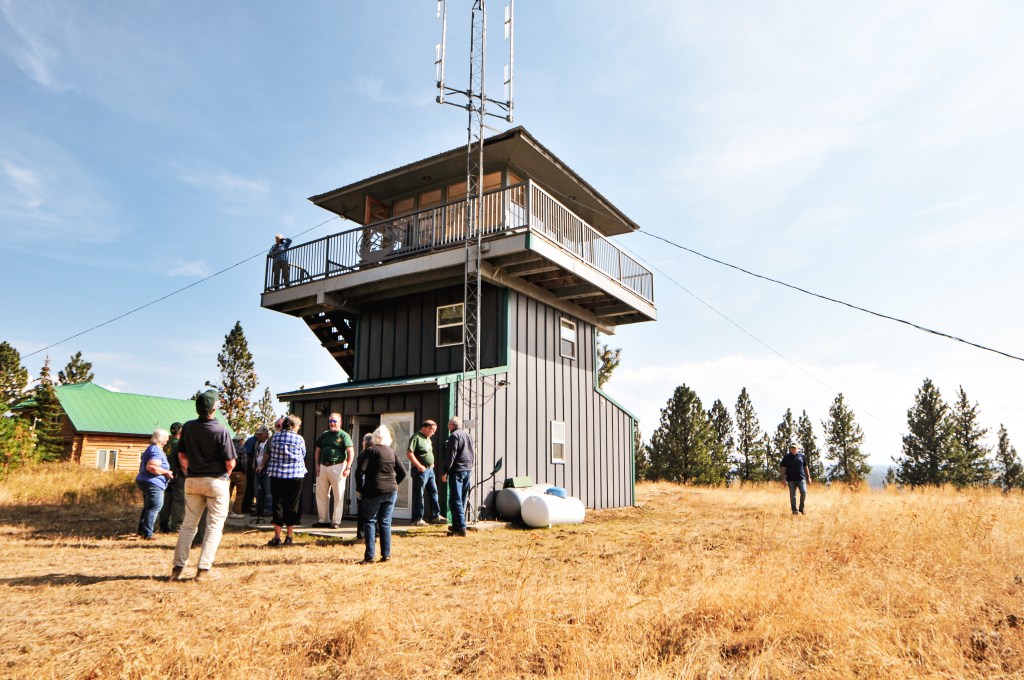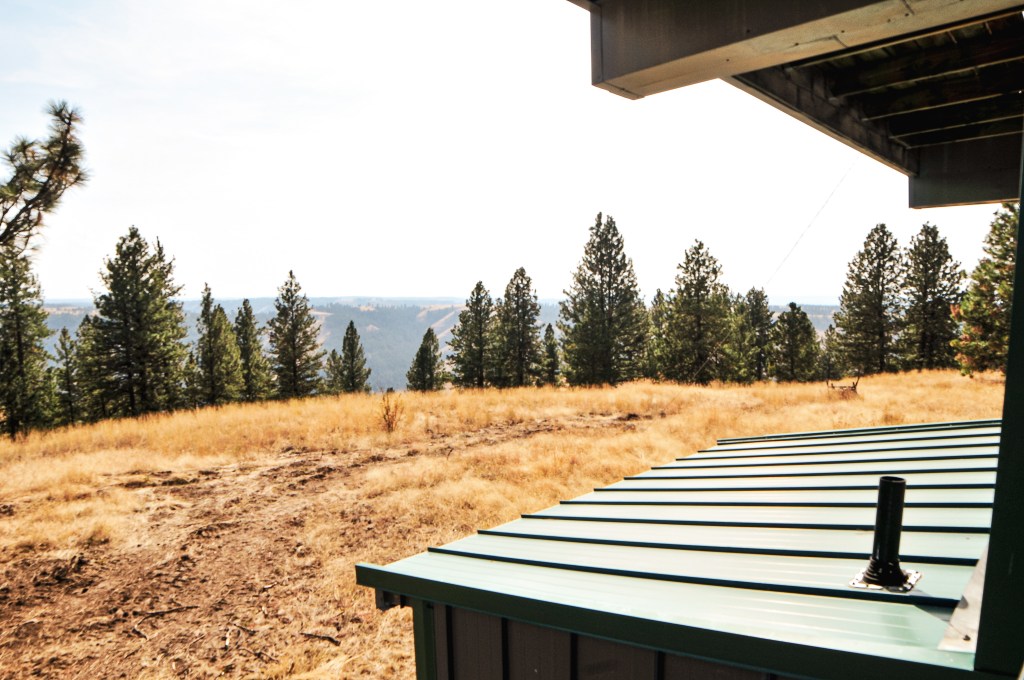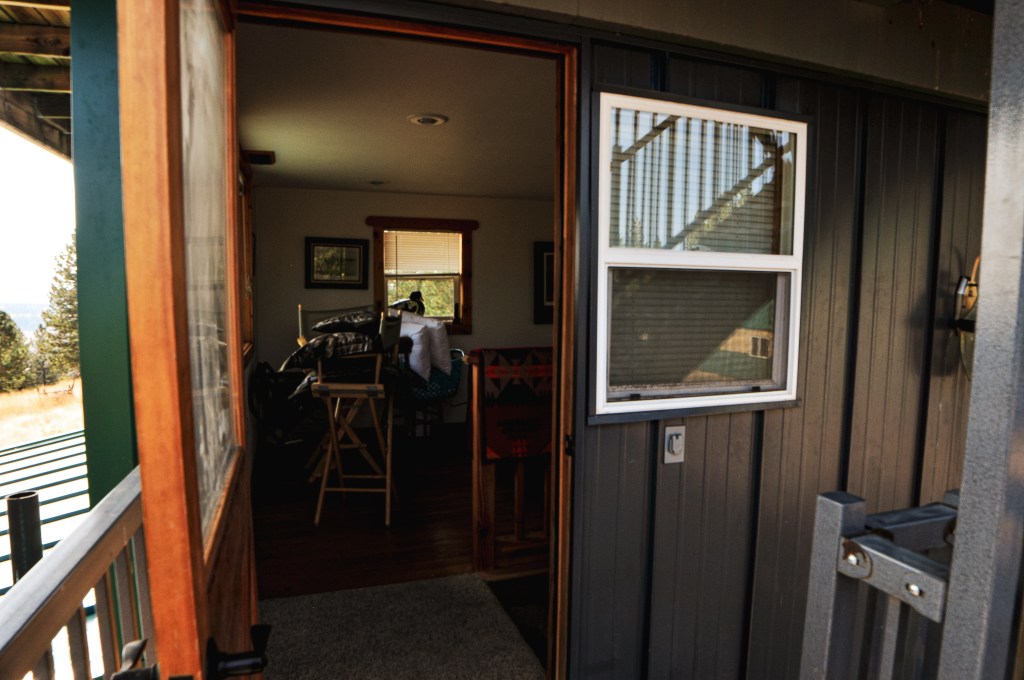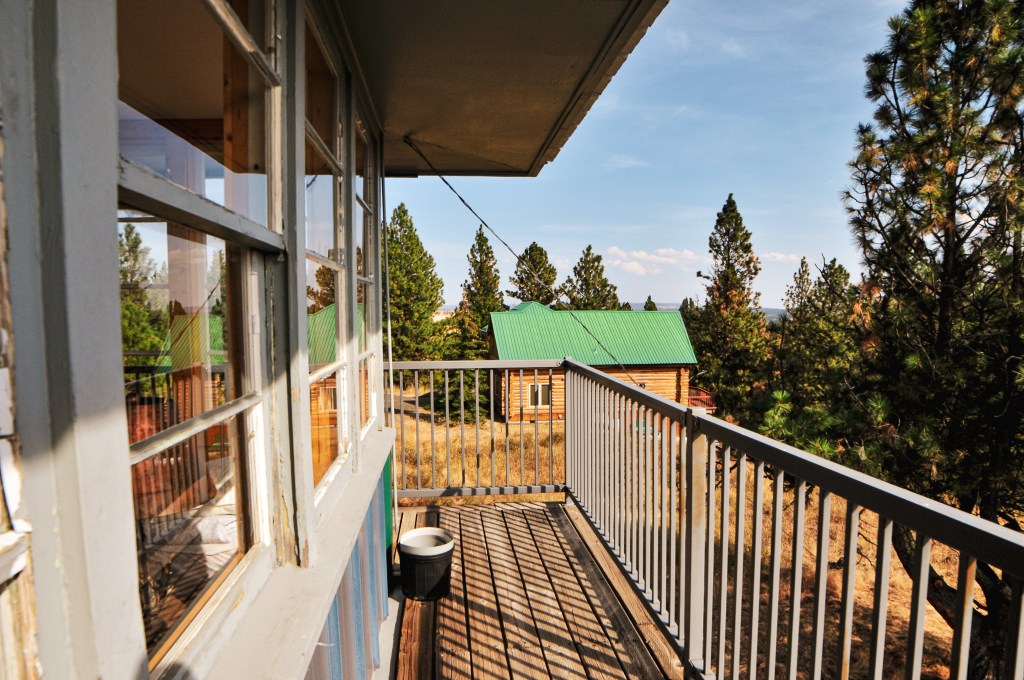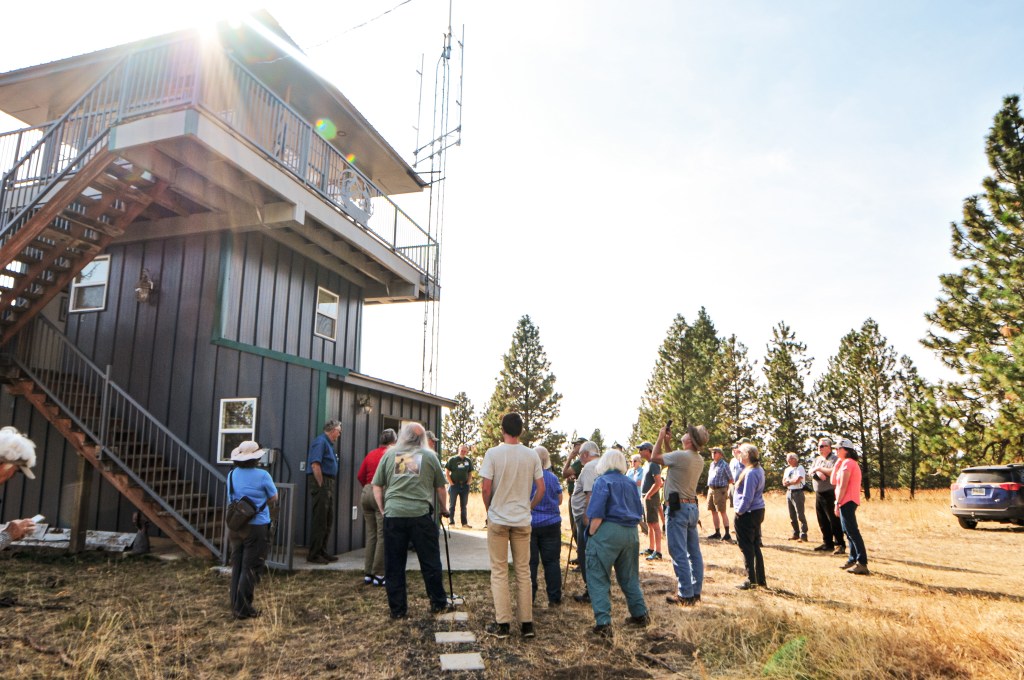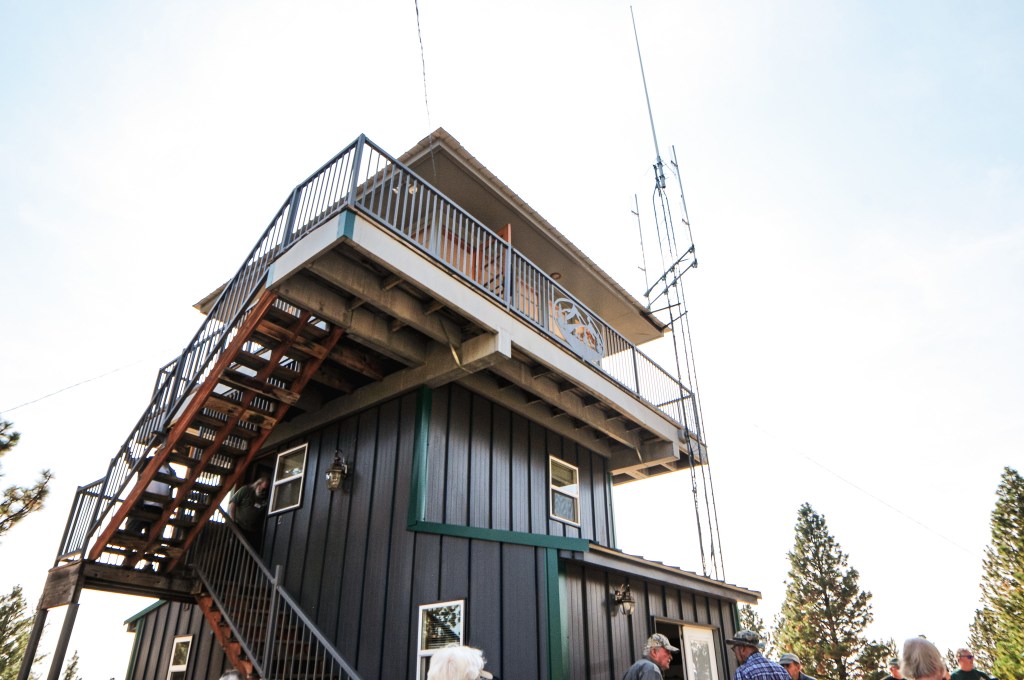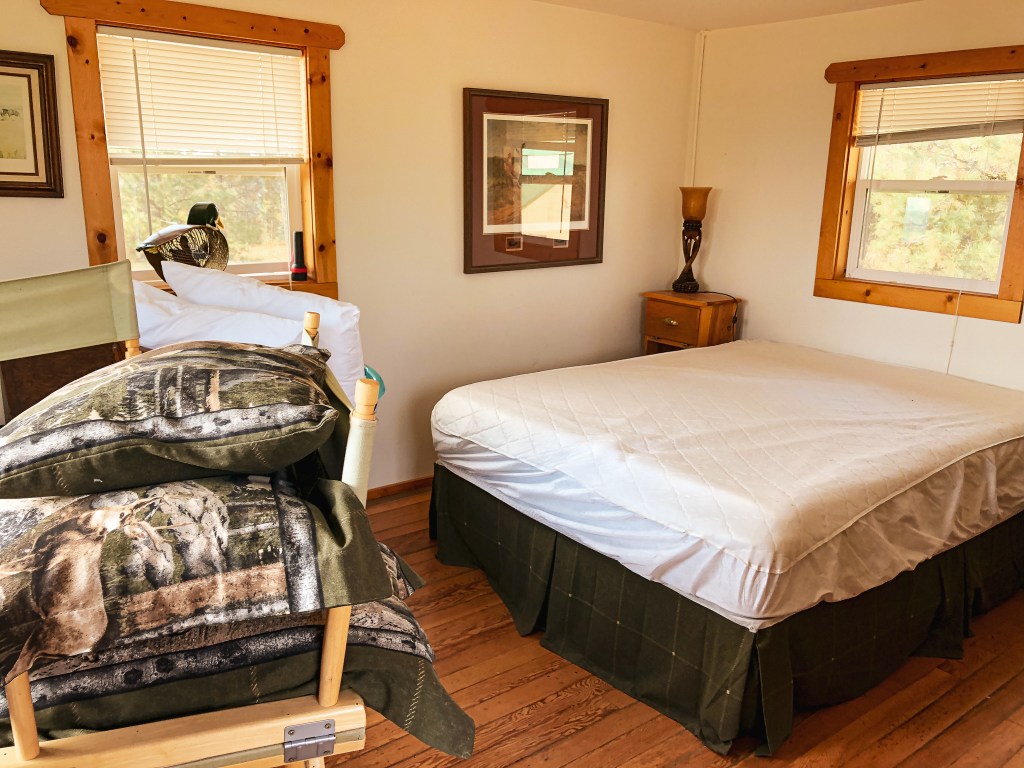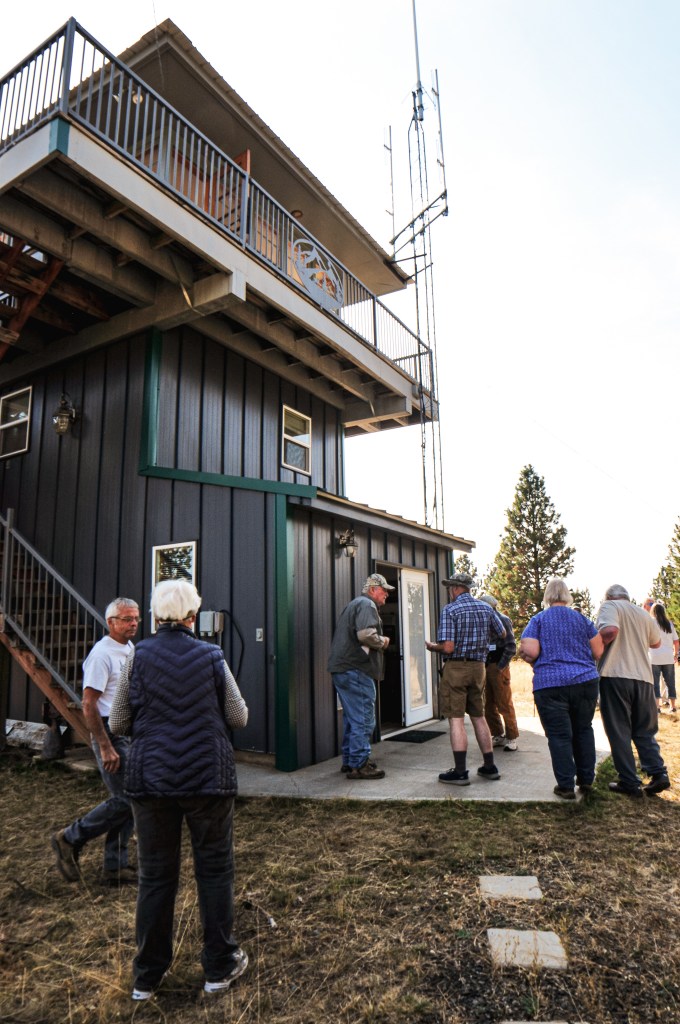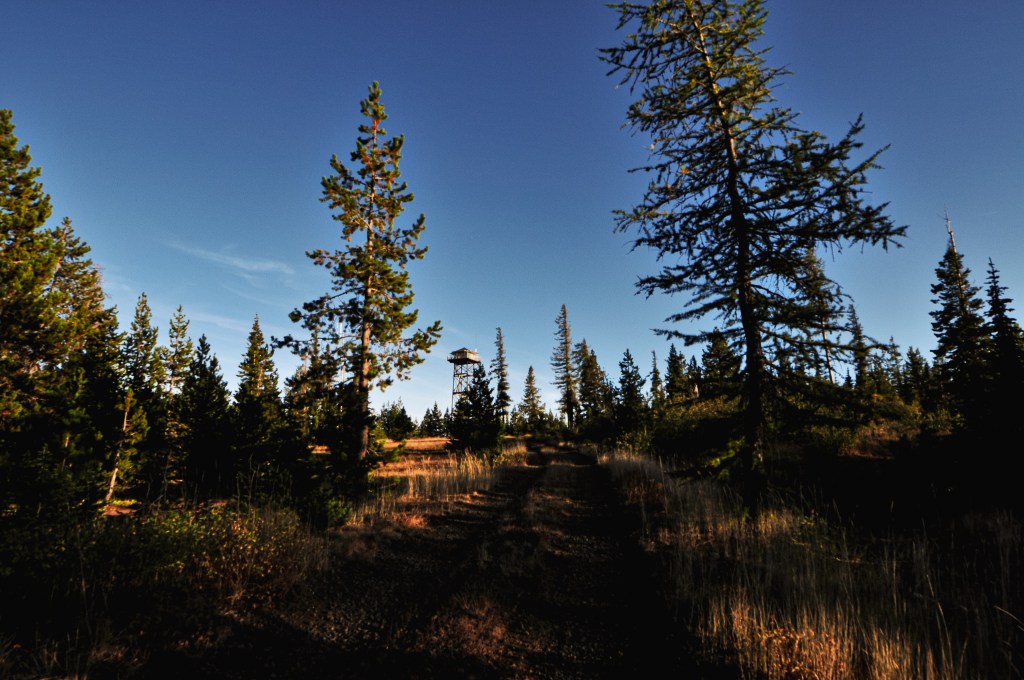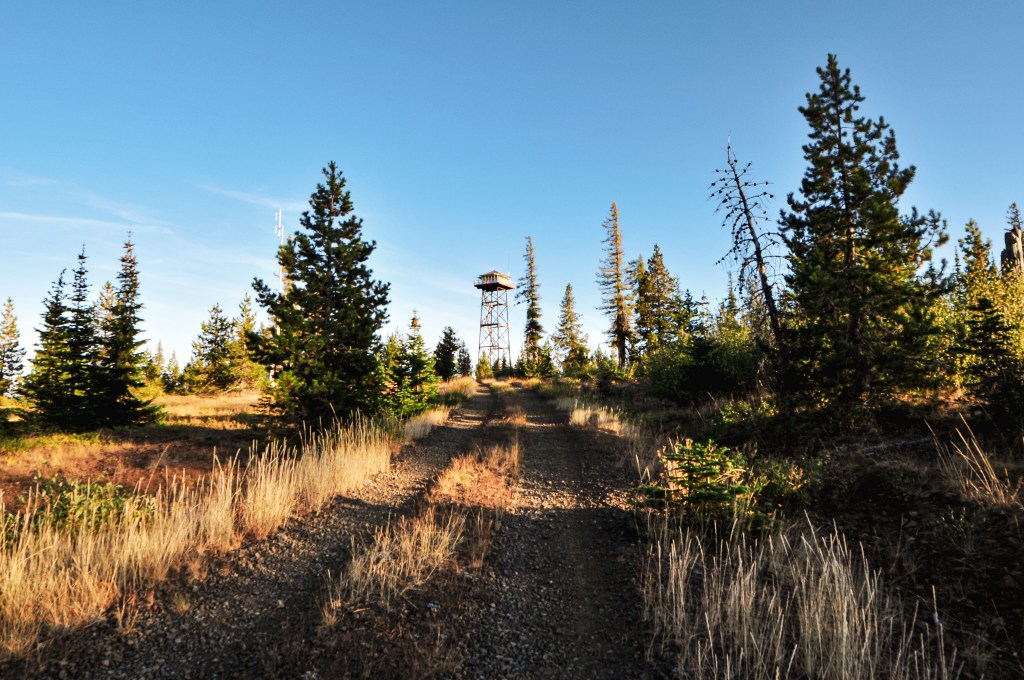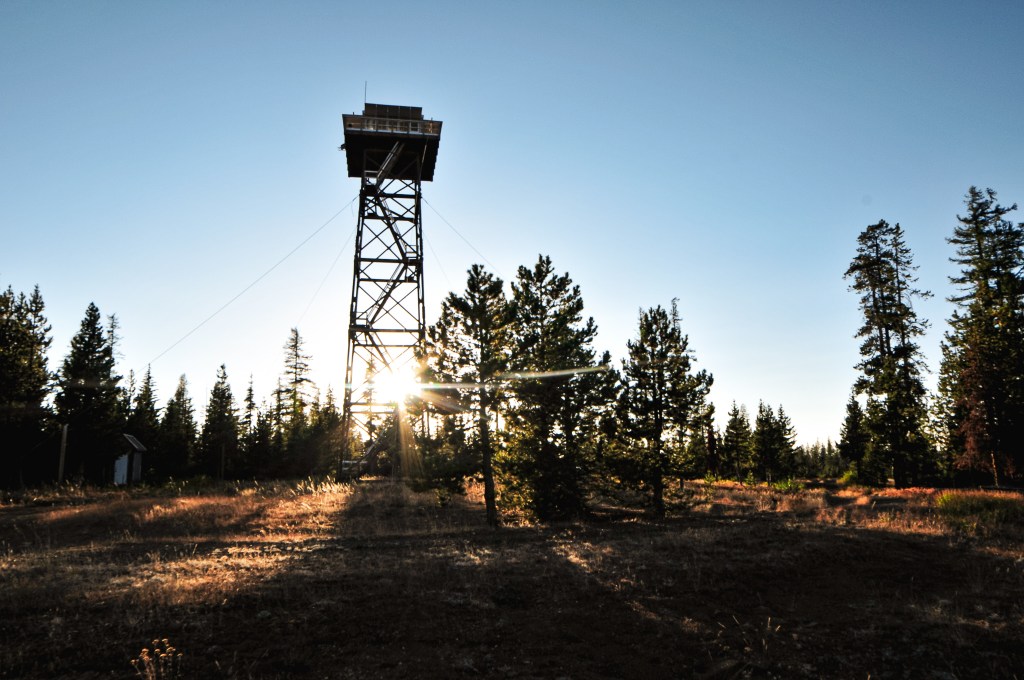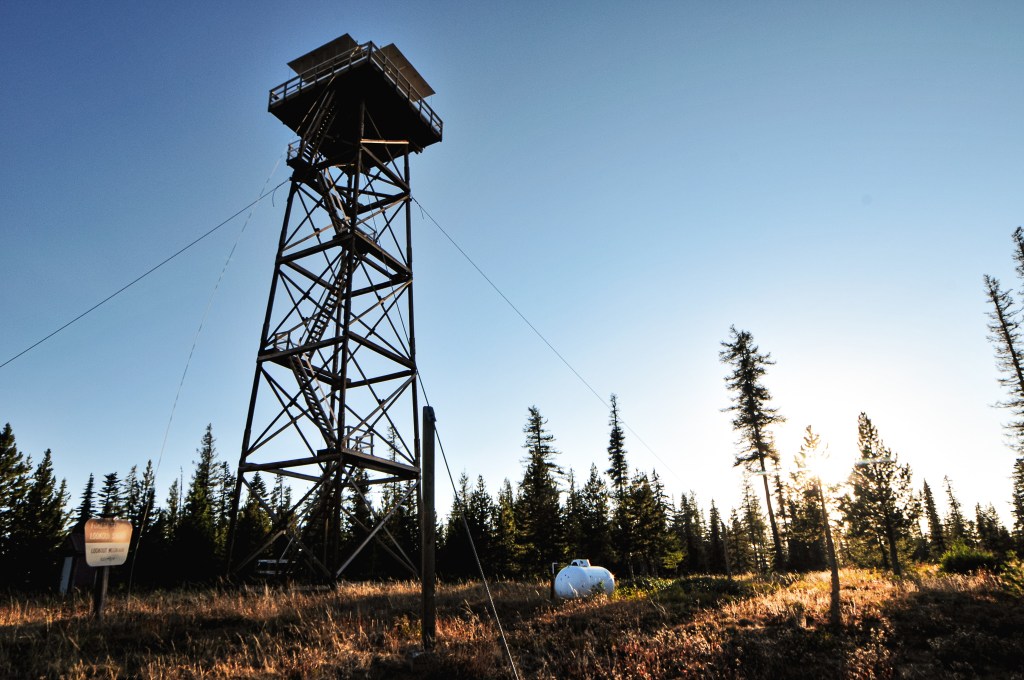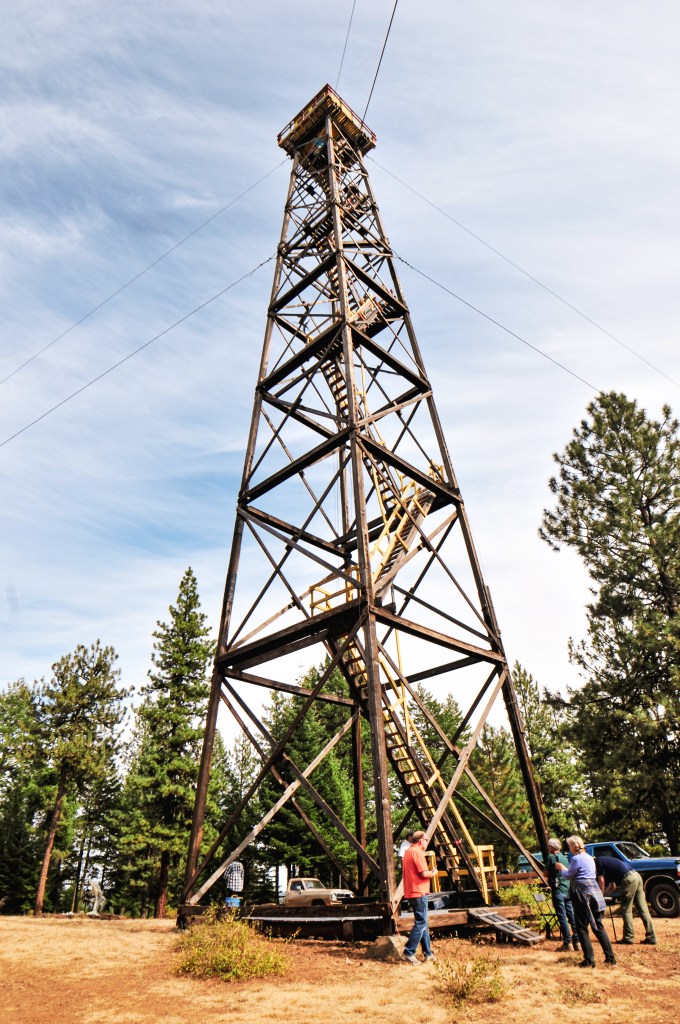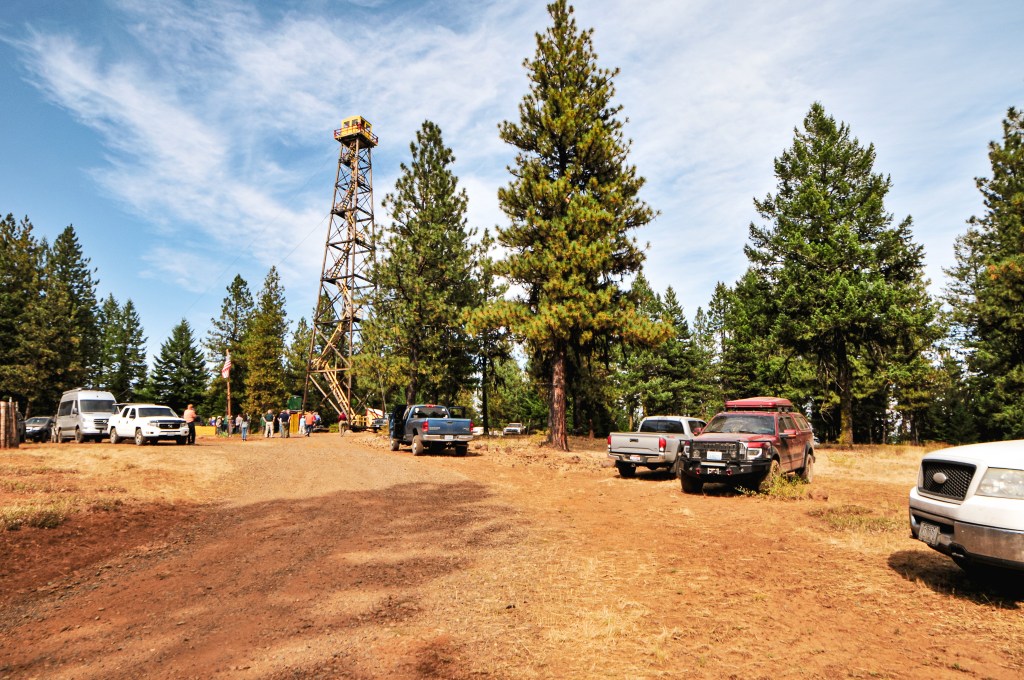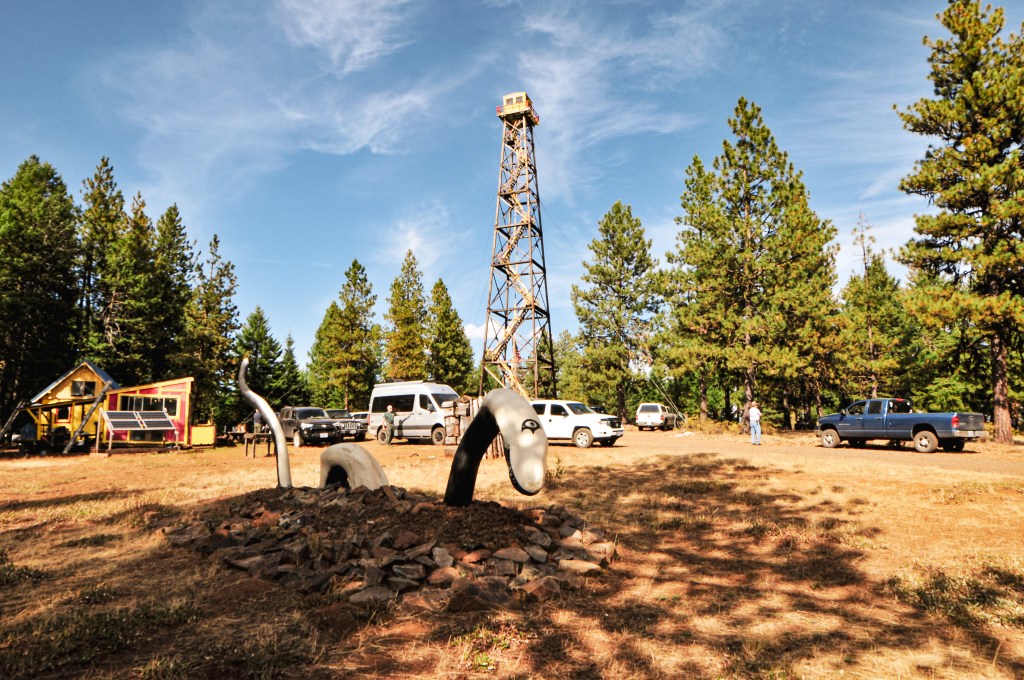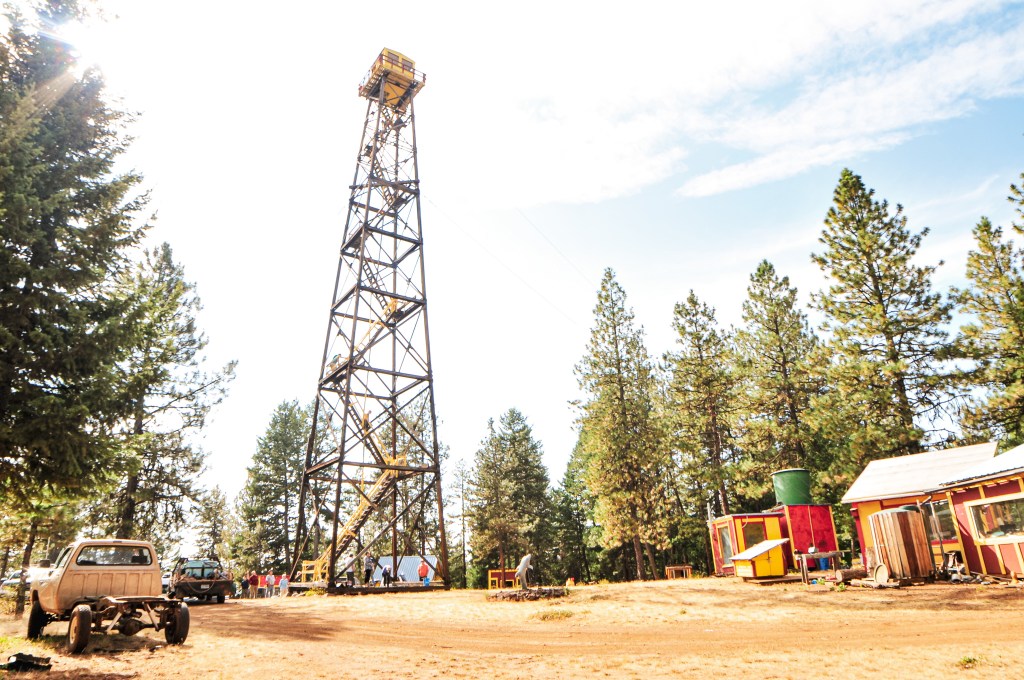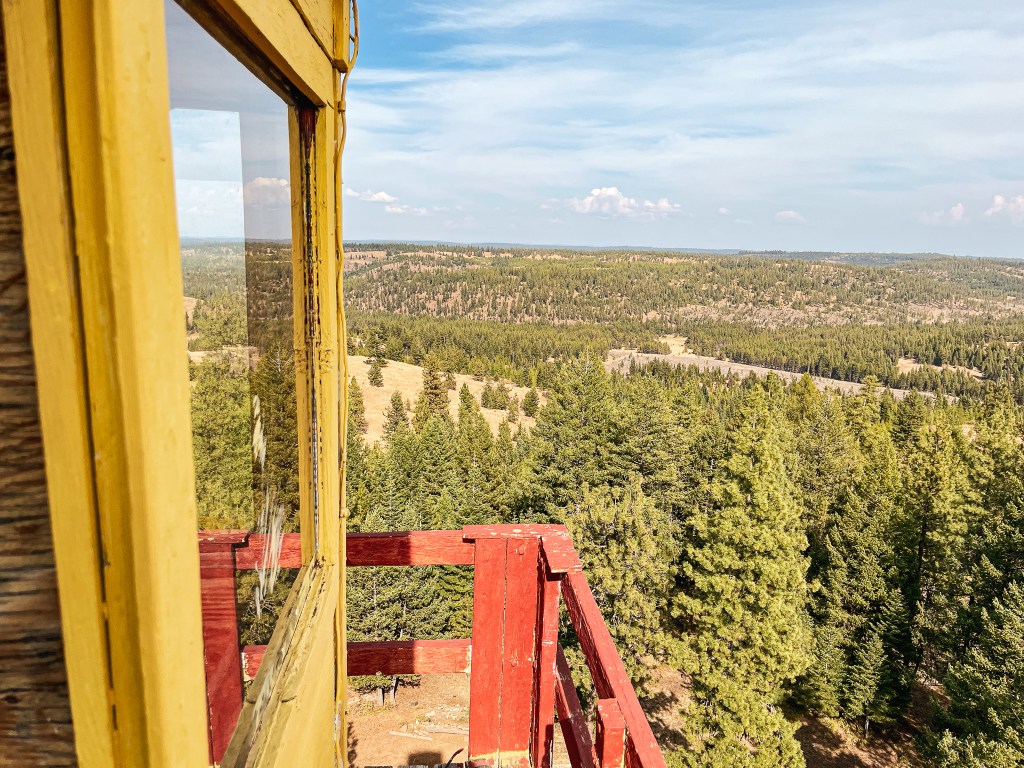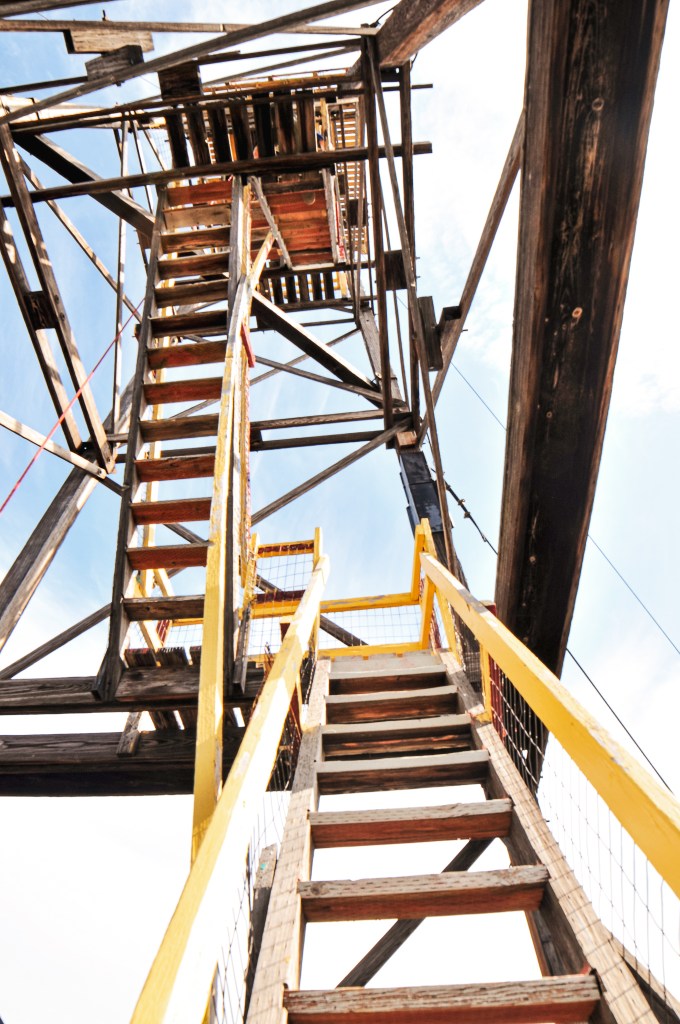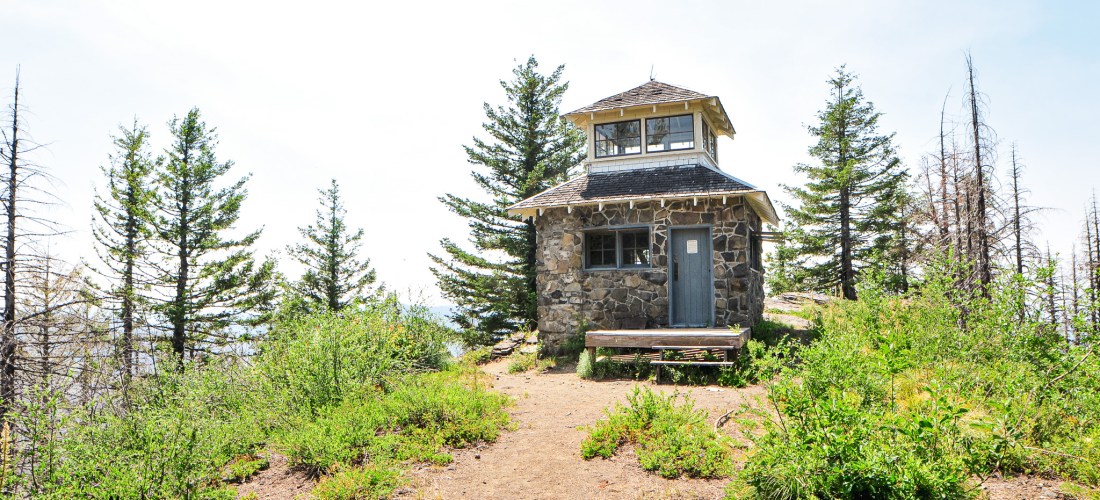
Pechuck L.O.

Oregon Lookouts

Location.

Bureau of Land Management – NW OR District

Status.

Maintained by volunteers; Currently standing

Estimated drive time from Portland, OR.

2 hours

Date visited.

July 4, 2023

Elevation.

4,338′

National Historic Lookout Register.

US 2; OR 2

2020 has been a very long and difficult fire season for a lot of people across western Oregon, especially those who live in communities affected by fire and smoke. We encourage everyone who has sustained damage or losses from these fires to take full advantage of programs offered by FEMA and other relief organizations

We realize some of your favorite and most beloved places may have been impacted by fire. As land managers tasked with caring for the land, we’re also hurting and sad as we learn the extent of the damage to our favorite place.

We are anxious to survey the damage and to inventory repair work. Many places, such as the Opal Creek area, are no yet accessible even for us, due to very serious safety concerns. These hazards include burned out trees with weakened roots, ash pits, falling rocks and erosion. Likely, these hazards will increase as the wet fall and winter weather arrives. Some of these areas may be closed for a long time. It might even seem excessive.

We simply don’t know how long it will take us to mitigate hazards allowing us to work safely. These closures are in place to protect the life and safety of visitors and also rescue crews and firefighters. We ask you to please respect our closures. Thank you for your patience and resilience as we collectively try to recover from these devastating fires.

There will be many months and even years of healing for those of us who manage the land, communities and for the forest itself which provides so much for all of us.

-Willamette National Forest Supervisor, October 6th 2020

Trip Report.

In 2020, the Beachie Creek Fire decimated around 193,556 acres in Oregon. It burned 486 homes and 36 non-residential buildings which greatly impacted the communities of Detroit, Gates, Mill City, and Mehama. This doesn’t include the damage done by the Riverside (138,054 acres) or Lionshead (204,469 acres) Fires that burned around those areas during the same time. Pechuck L.O. managed to escape any damage due to the efforts of our Wildland Fire Crews, but has been closed to the public the last few years. The area is still listed as closed when doing a basic search on the BLM website and AllTrails app despite recent trip reports stating it has been re-opened. With that information in mind, we decided to add it to our list to visit as soon as possible.

Garnet and I both had the day off on Tuesday in observance of the fourth of July holiday. Portland was predicting somewhere in the 90s for the high of the day. We decided this would be the perfect time to escape the heat in the mountains and finally check off Pechuck for a day hike. We invited Garnet’s mom to join us for the day and set off from SE Portland around 9:30AM. We briefly popped on I-205 to connect to HWY-213. We stayed on this highway through Mulino and Liberal, but turned left once we reached the junction with HWY-211 to head towards Molalla. From Molalla, we had planned to turn right onto Mathias Road. We didn’t account for the Main Street through downtown being closed off for a fourth of July parade. There were detour signs that took us around and dropped us on Mathias Road farther down than we needed. We back tracked to connect with S Feyrer Park Road. This road was unmarked and we initially missed the turn. It is more obvious coming from the other direction since Mathias Road curves into S Feyrer Park Road. We followed this until we passed Feyrer Park and crossed the bridge over the Molalla River to a T-junction. We turned right onto S Dickey Prairie Road and stayed on this road until we crossed another bridge over the North Fork of the Molalla River. Shortly after crossing the bridge you will want to take the first right onto another bridge to cross the Molalla River again. Most of these junctions are unmarked but it heads towards the Molalla River Recreation Area and then curves left to become S Molalla River Road. We stayed on this road for 13.6 miles. The road is paved the majority of the way. We crossed the Molalla River once again just shy of the 13 mile marker and the road became good gravel after that. Once we passed the 13-1/2 mile marker we turned left onto the first road heading up. This is allegedly the Upper Molalla River Road but is once again unsigned. Once you start heading up and away from the river you will come to a fork in the road. The left road will take you to the Table Rock Trailhead, but we stayed right to turn onto Rooster Rock Road. There was another fork after that where we stayed left to continue on Rooster Rock Road. Don’t expect to see any signage to indicate you’re on the correct road. Eventually, Rooster Rock Road will dead end at the Rooster Rock Trailhead. We arrived around 11:30AM and had the trailhead to ourselves. The roads getting here were mostly good gravel with only a few easy to navigate pot holes and rocky sections along the Rooster Rock Road.
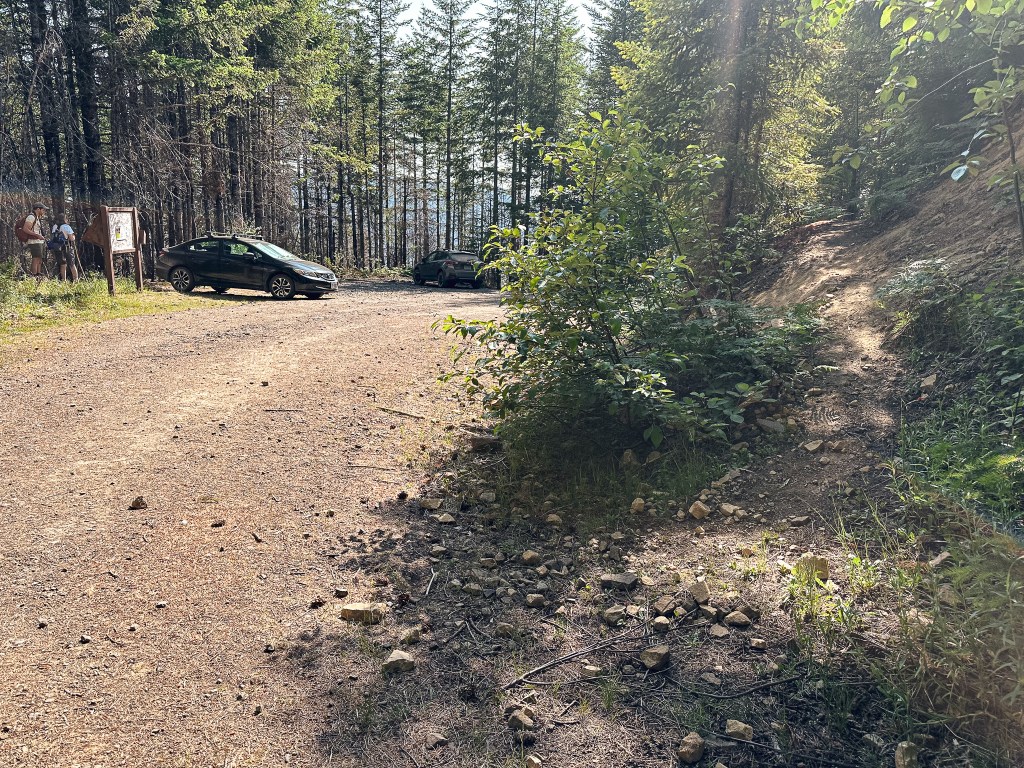
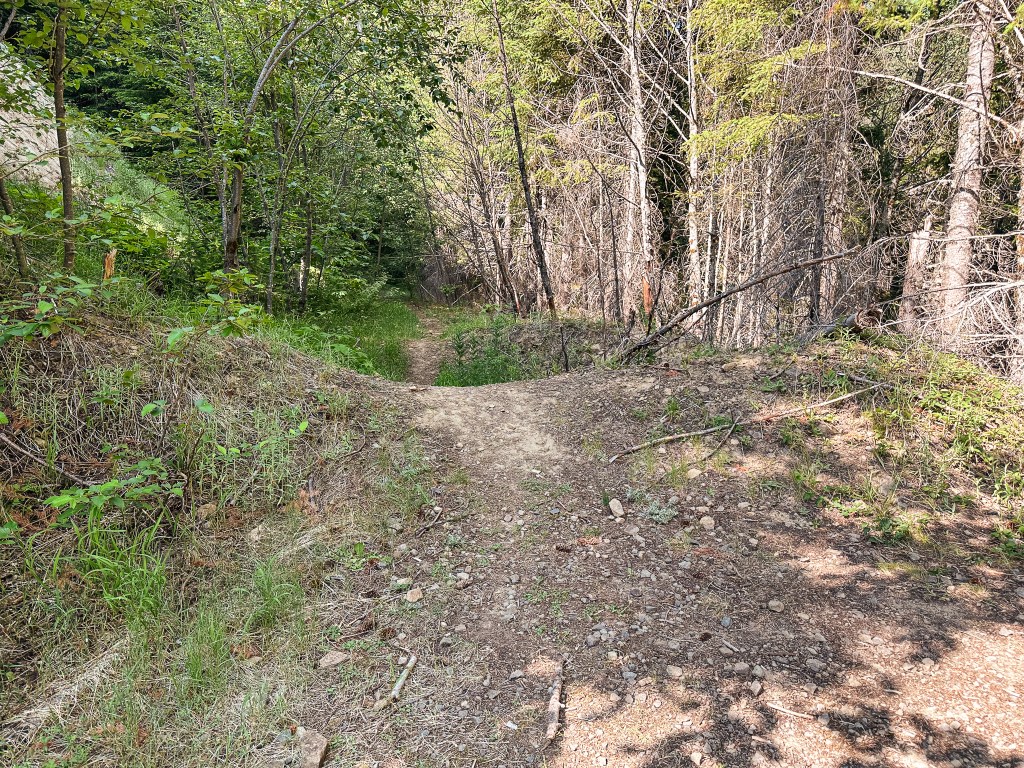
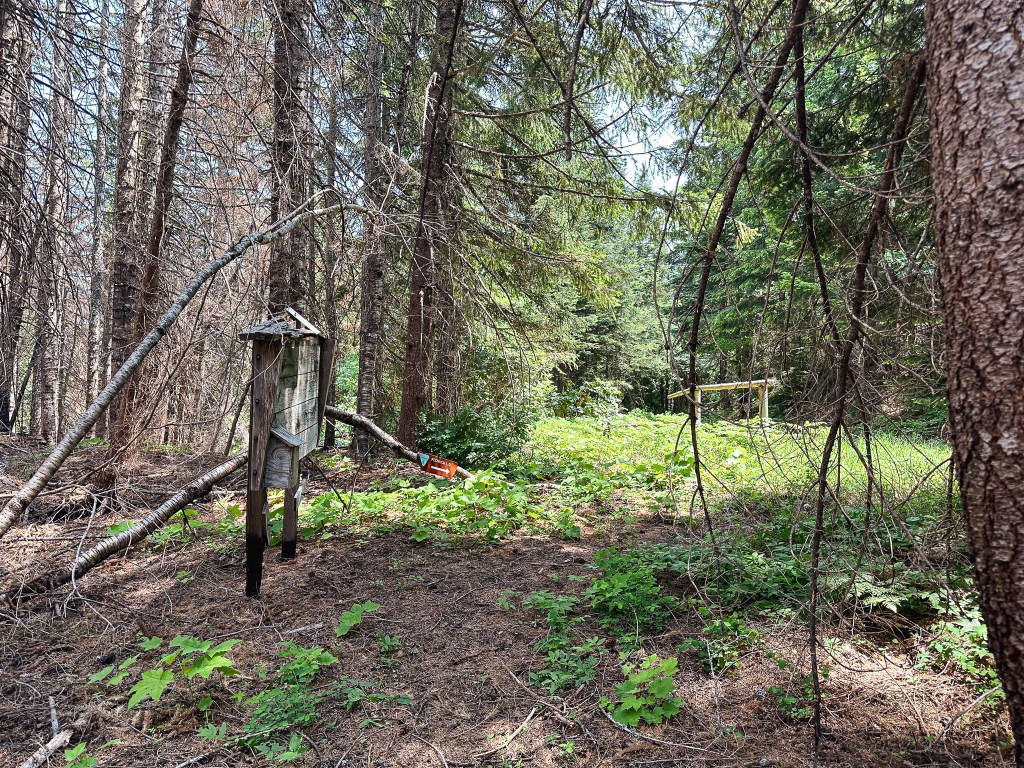
Start of the trail
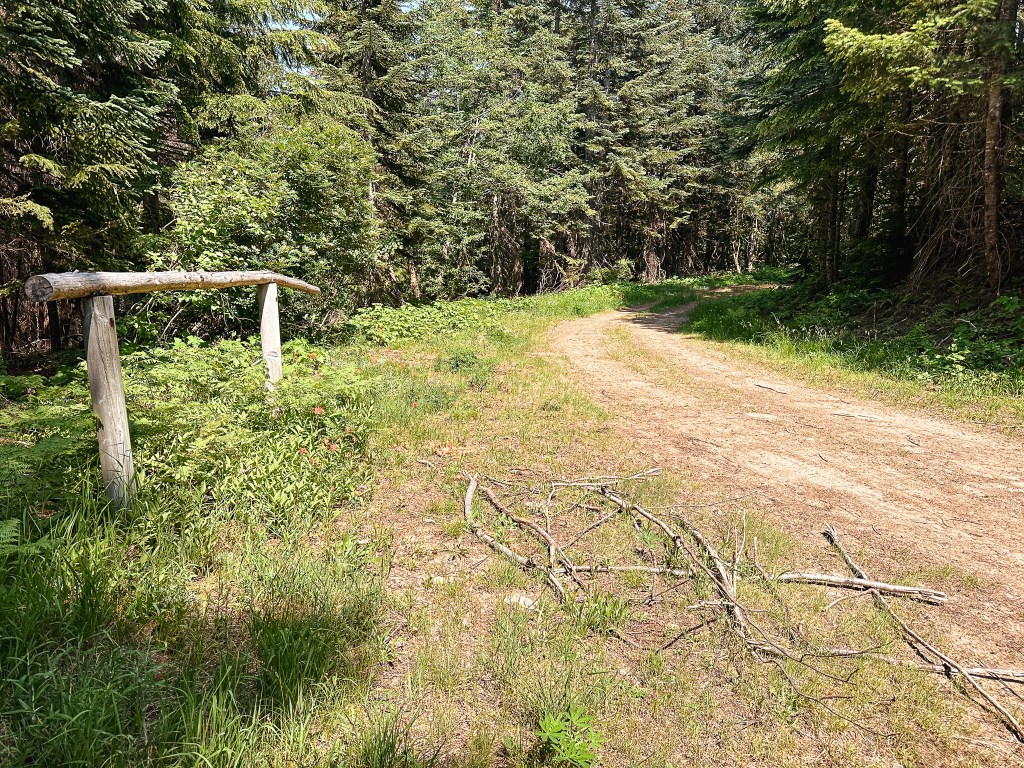
Old decommissioned road

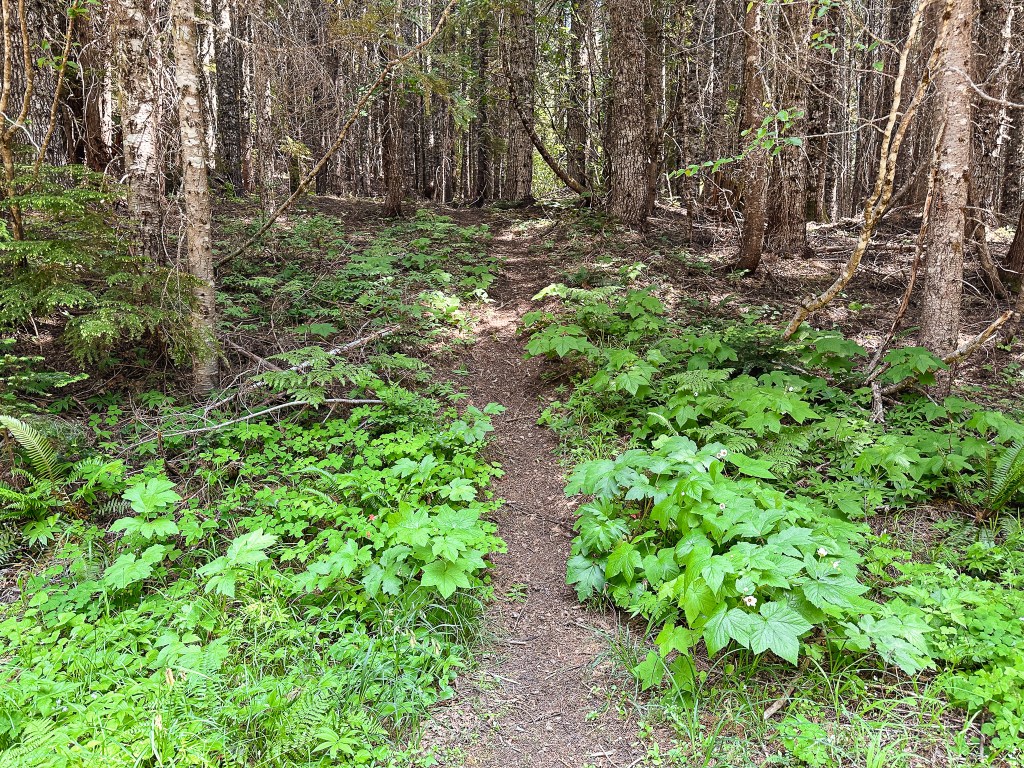
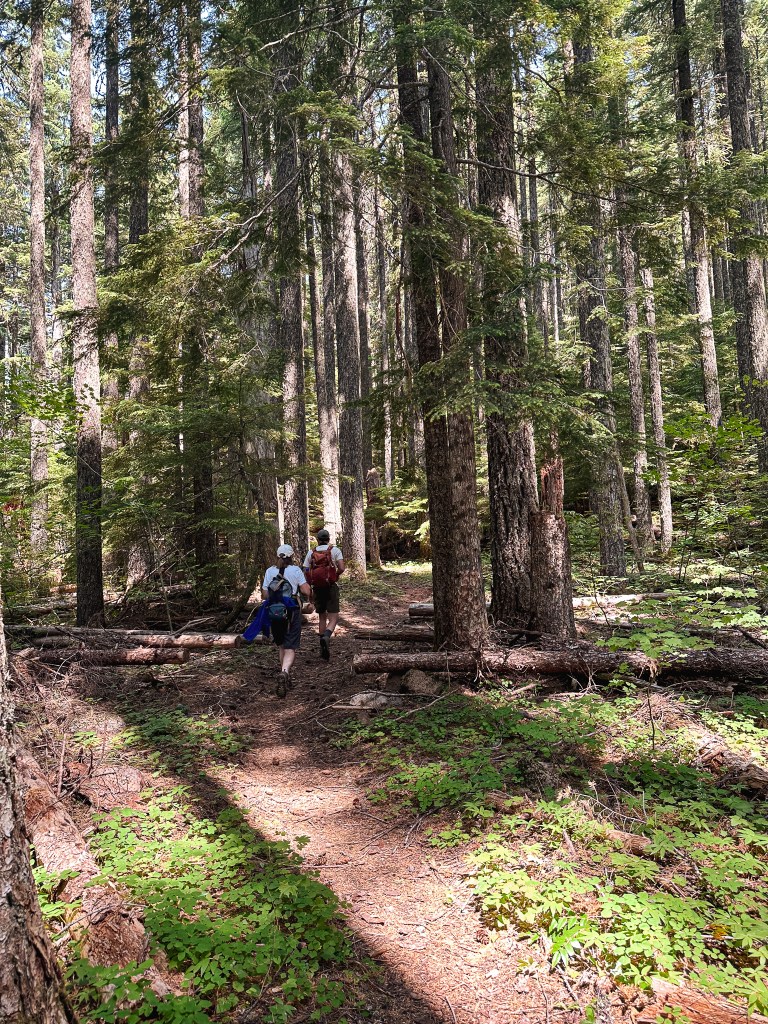
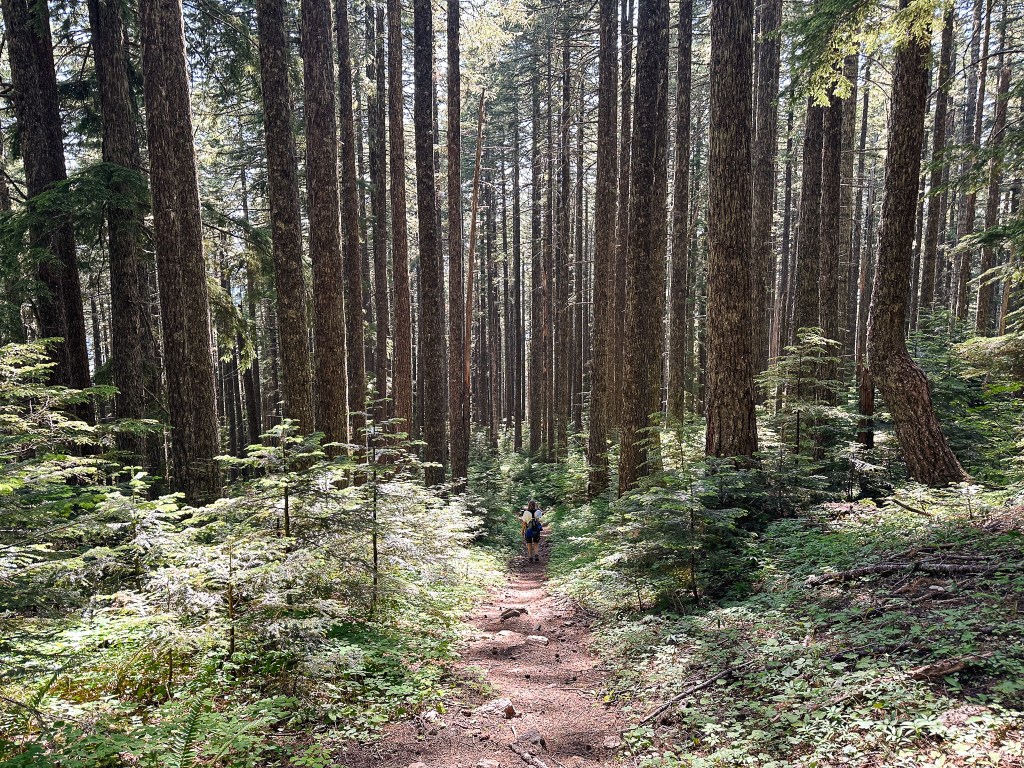
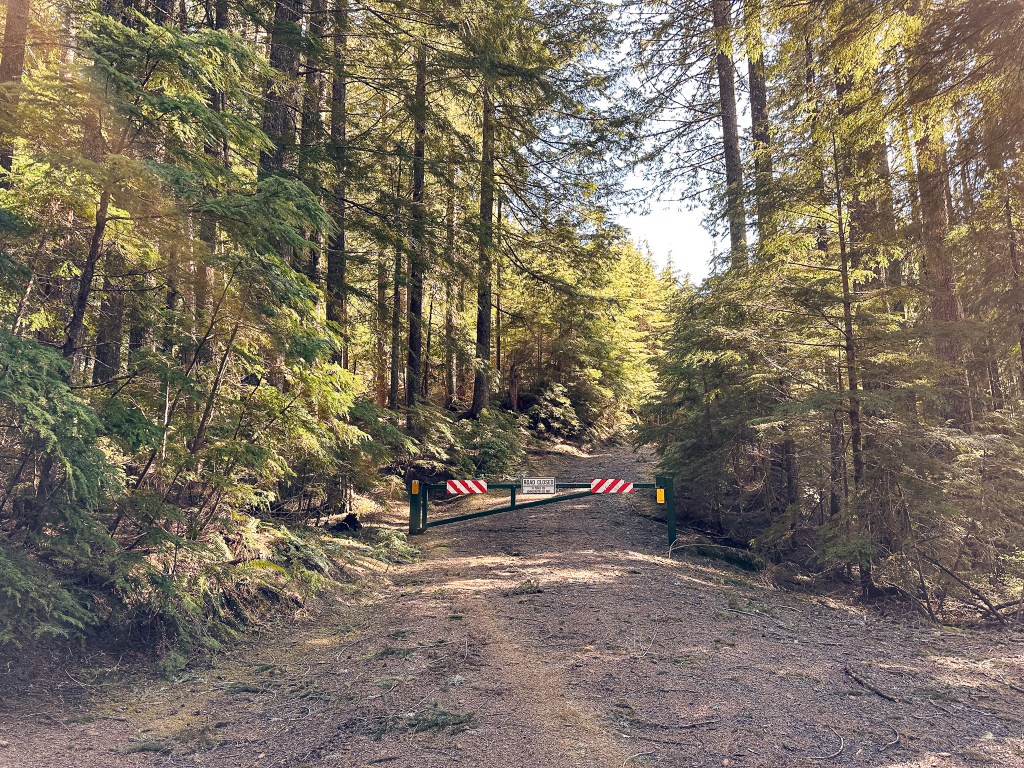
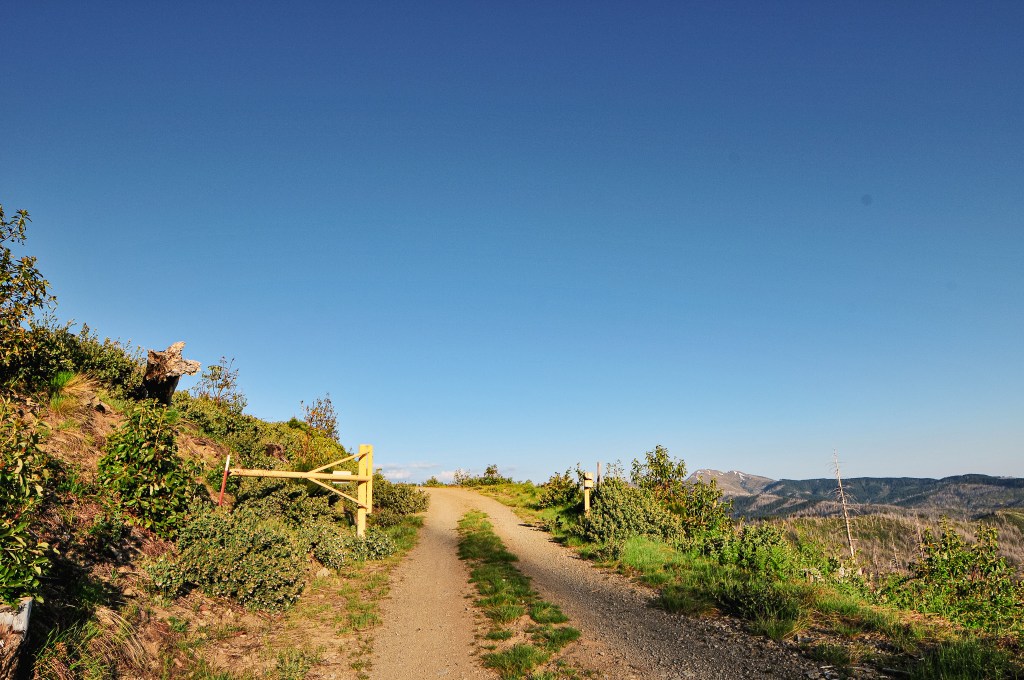
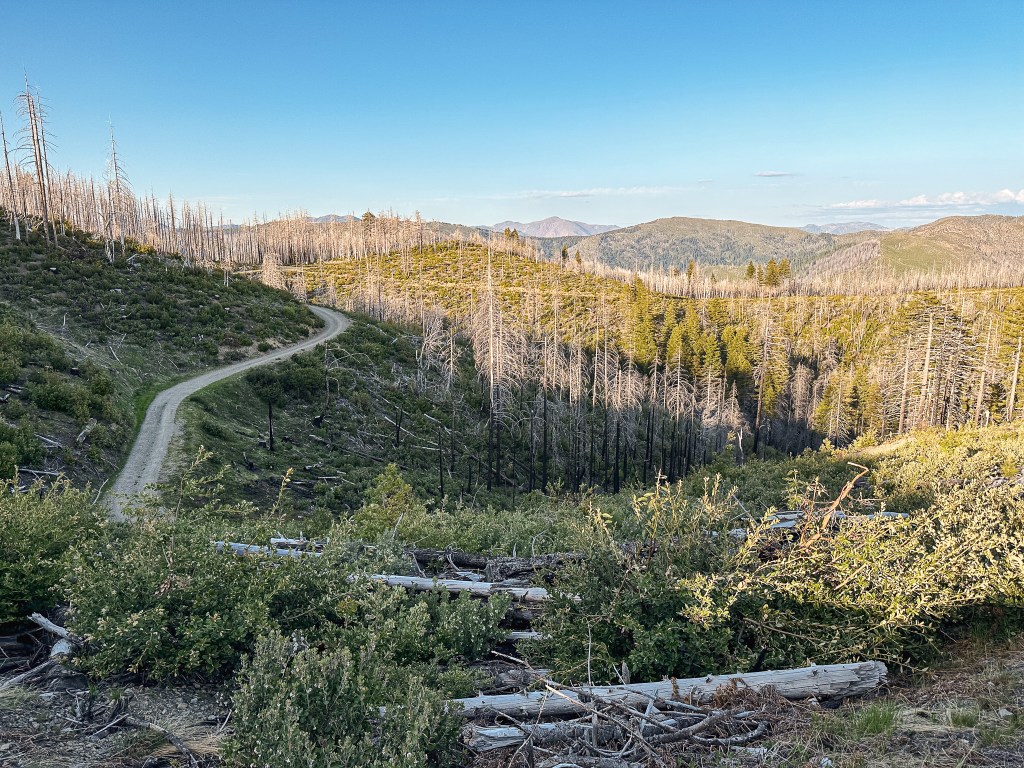
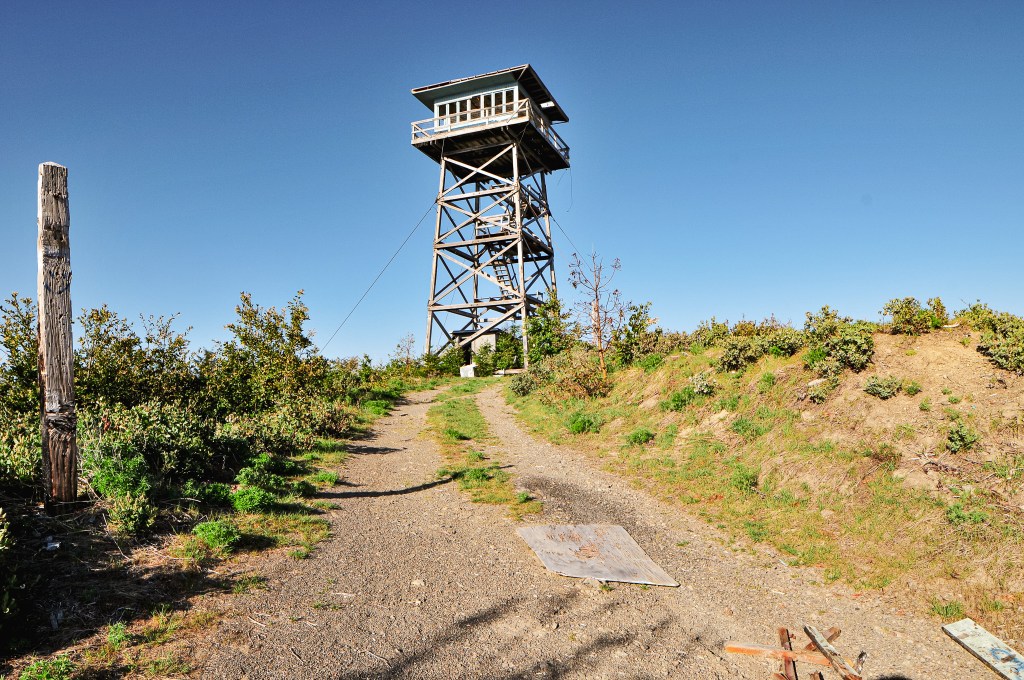
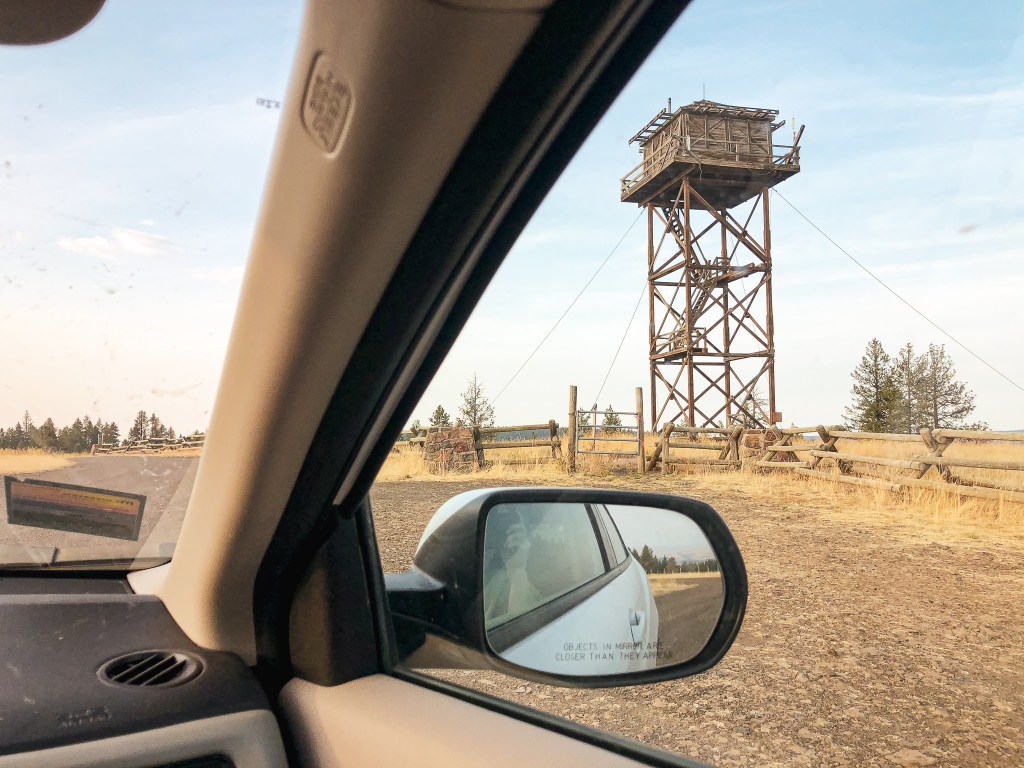
There are a few different routes you can take to get to Pechuck L.O., but we opted for the most common and shortest of options. I would classify Pechuck as a fairly popular hike on social media, so we were a bit surprised to see no one else here on a holiday. We passed plenty of people parked along the Molalla River on our way into the area too. We speculated that the online closure notice must have deterred a lot of people. We have also noticed people tend to celebrate the fourth in town or on the water. After setting up the car in the shade and packing our bags full of lunch, we headed up the trail directly across the road from the sign board. There is a more visible trail that continues on the decommissioned portion of the road, but this is not the route you want. The Rooster Rock trail climbs 1.1 miles up the ridge to meet up with the High Ridge trail. It varied between quick switch backs, steep uphill, and short flat sections to offer some reprieve from the elevation gain. There are no trail signs at the junction with the High Ridge trail, minus an R and arrow carved into a tree. The R points to the left which would take you to Rooster Rock, we turned right to head towards Pechuck. From the junction, it is 1.6 miles to the lookout. We followed a rolling ridge line that was my favorite portion of trail. Once we started to see signs of the burn from the Beachie Creek Fire the trail started to lose elevation. It flattened out before we reached a junction with the old road and Pechuck trailhead. This road is gated and no longer accessible. From here, you can either head up the trail that continues across the road or turn left to follow the road to the old lookout access road.

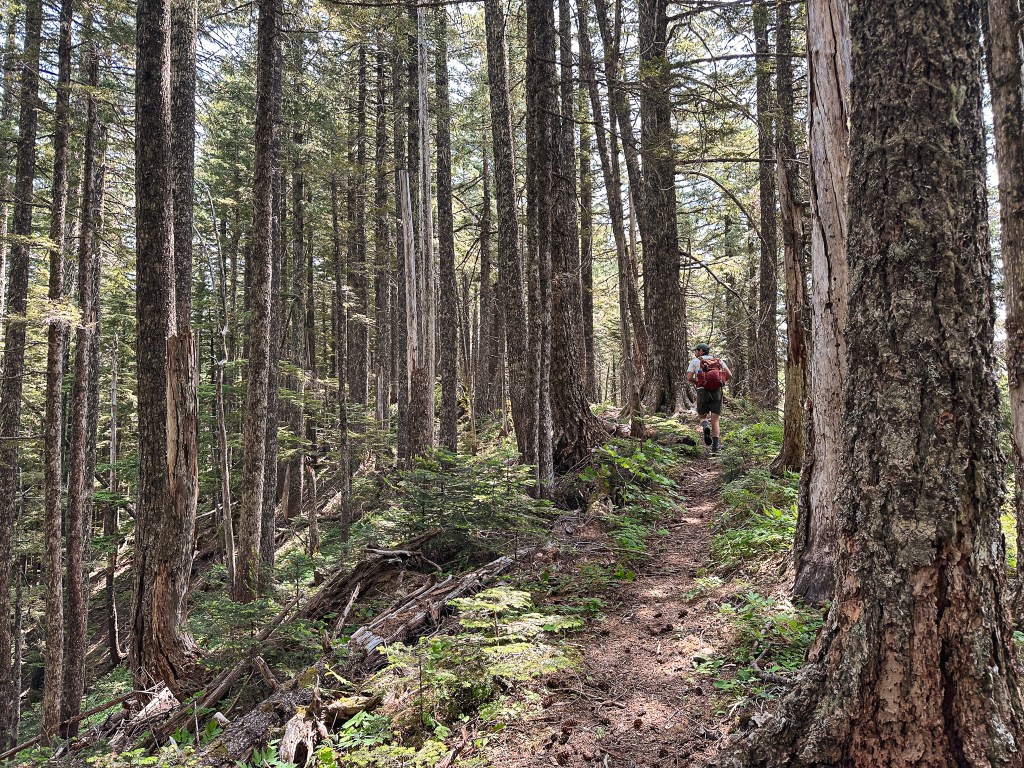
Looking left on the road from old trailhead
Were the trail continues across the road

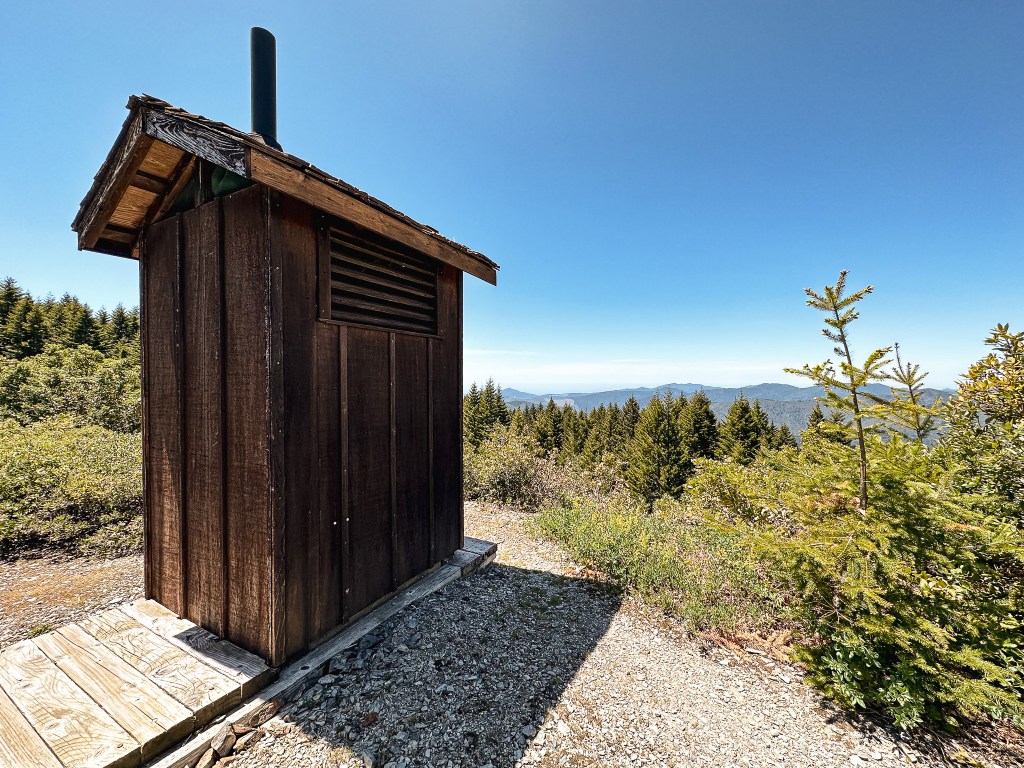
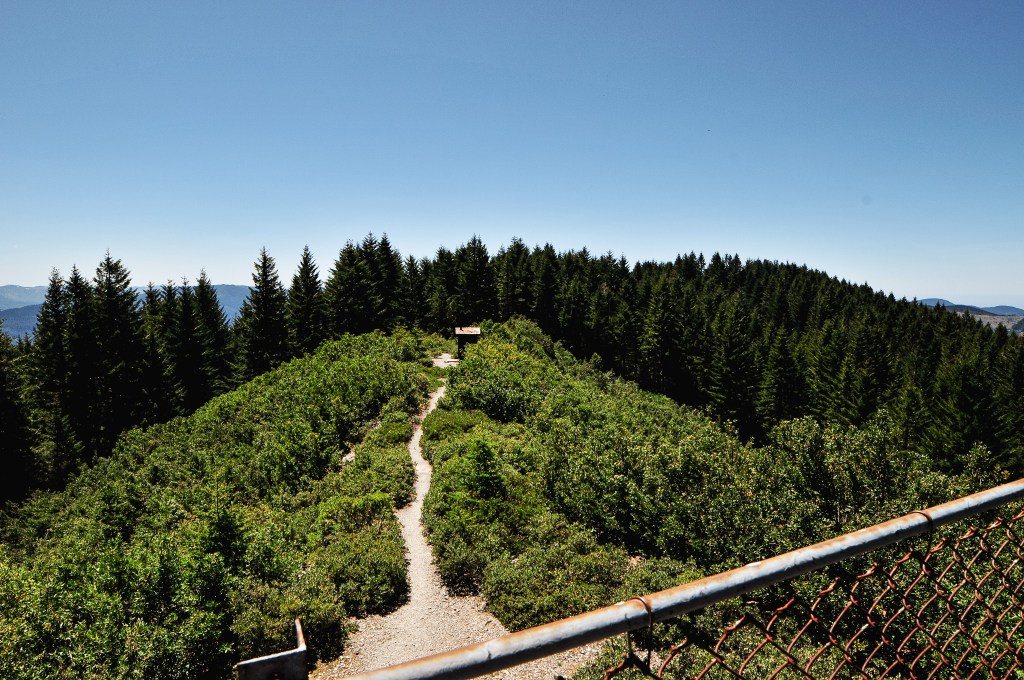
Garnet had already continued on up the trail by the time his mom and I reached this junction. I remembered reading something about turning on a road but Garnet had the screenshot of the description. We decided to take the more obvious option and continued up the trail as well. This section of trail is where you will gain back all the elevation you lost as it quickly switchbacks up. Parts of it looked like it was beginning to erode due to damage from the fire and one particular section skirted along the edge of an old quarry that wasn’t super friendly to those afraid of heights. It flattens out again before the trail meets up with the old access road to finish the final climb. Once we saw the old access road, Garnet’s mom and I questioned whether it met up with the other road or not. We both agreed that we rather hike back that way if it does. We reached the composting toilet and knew we were almost there. You can just barely see the top of the lookout from it. The day was starting to heat up and I had already drank one of my 32oz bottles of water. We were overdue for lunch by the time we reached the lookout, but we were all determined to have it on the summit.
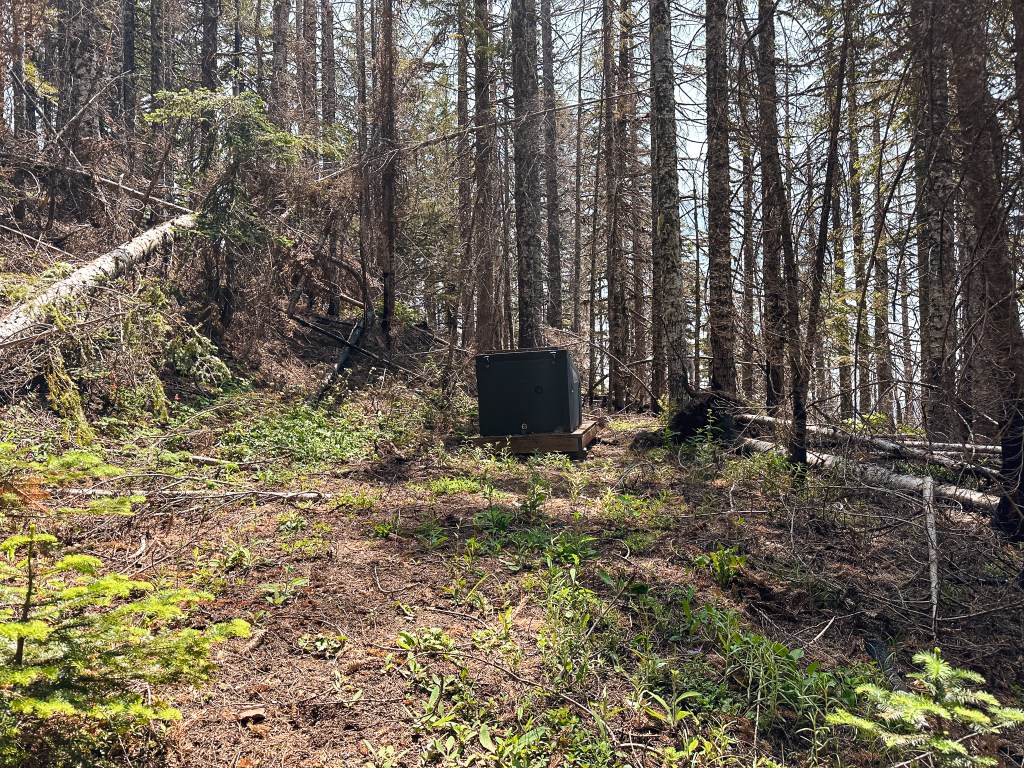
Composting toilet

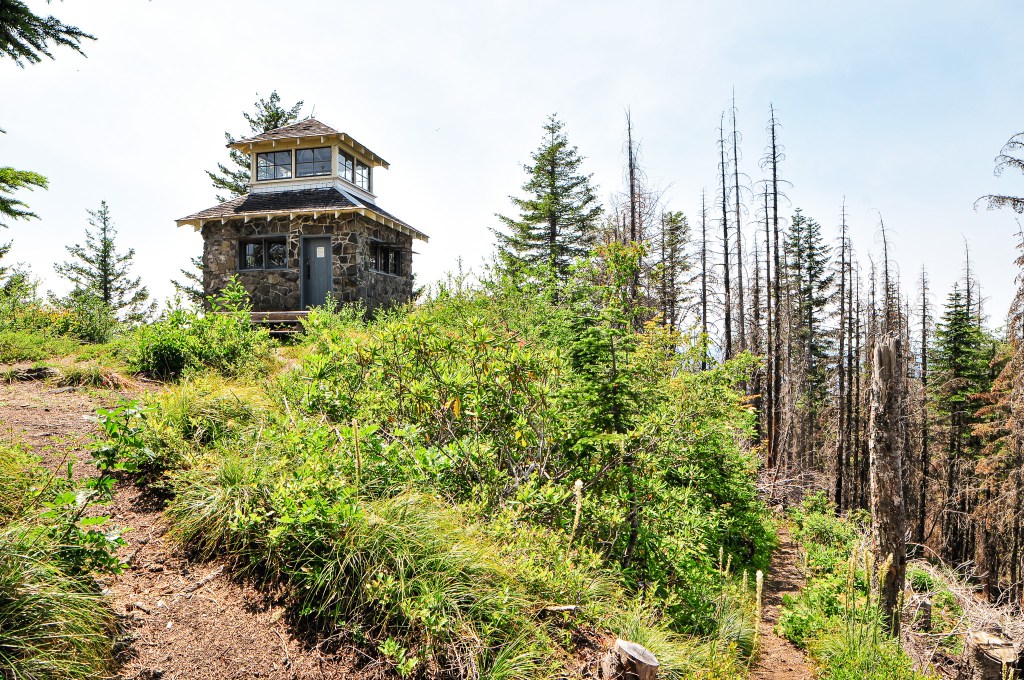
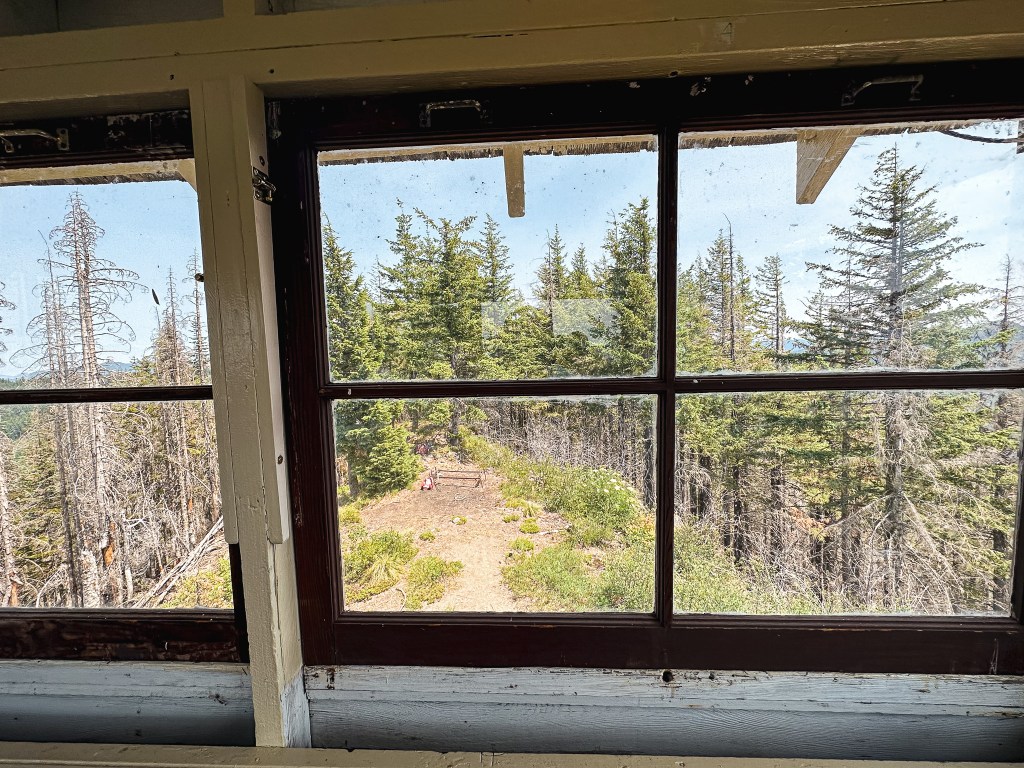
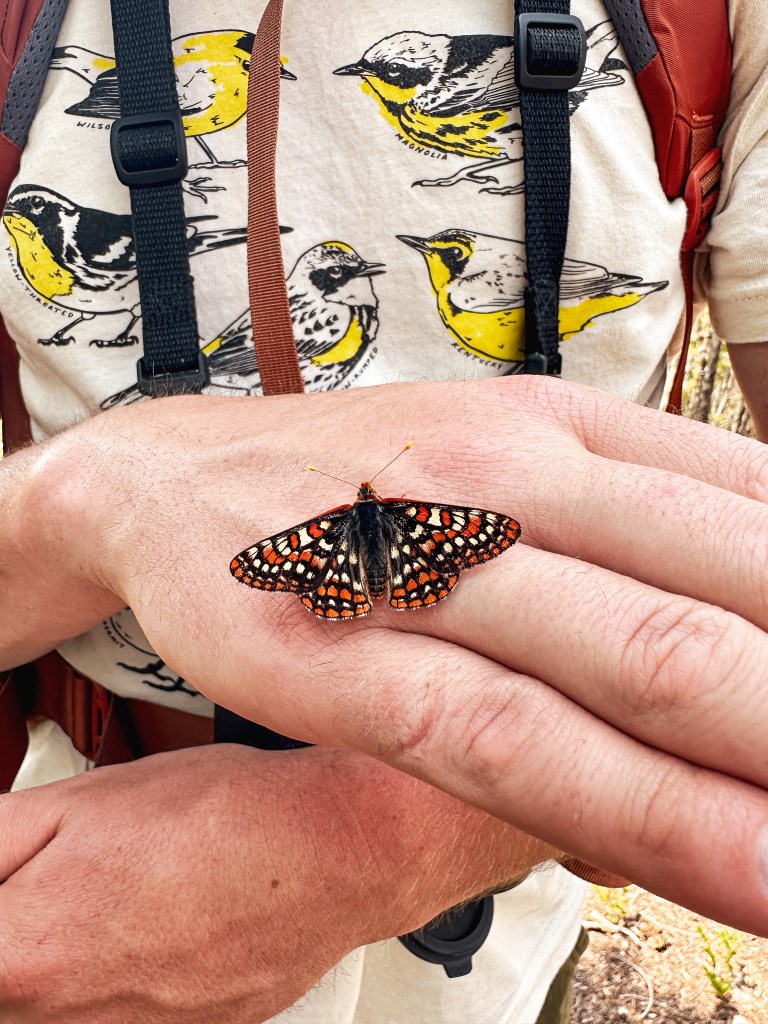
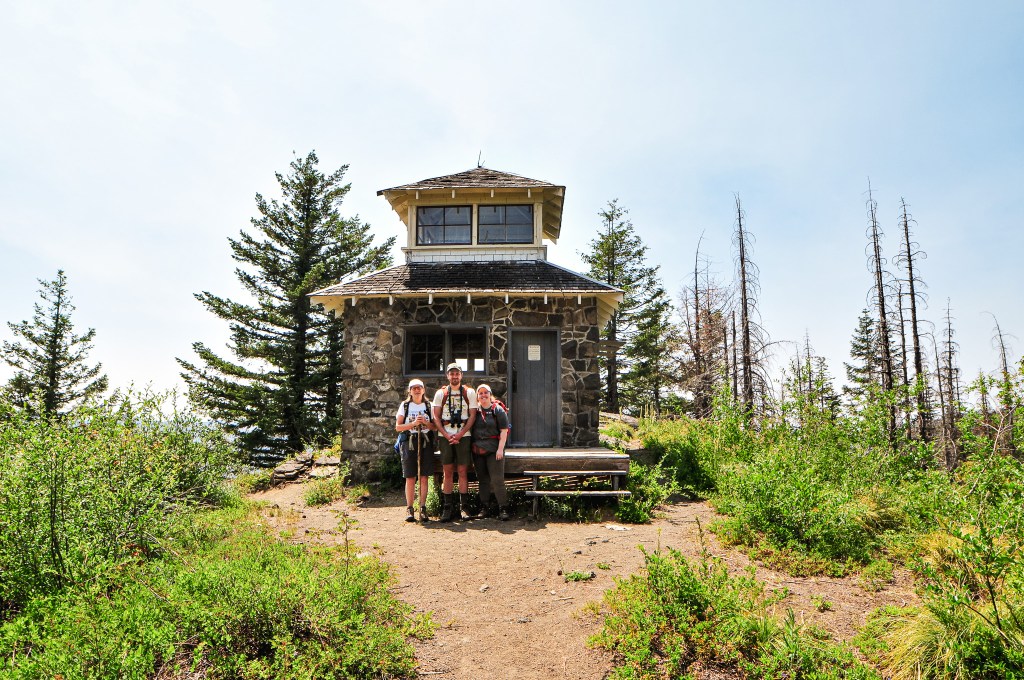
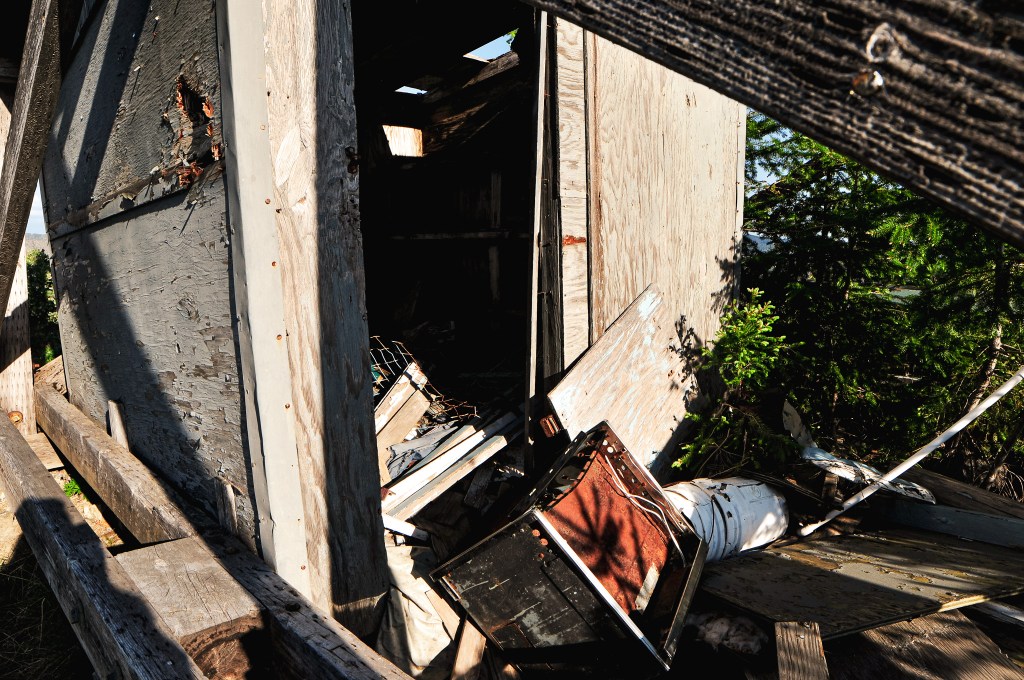
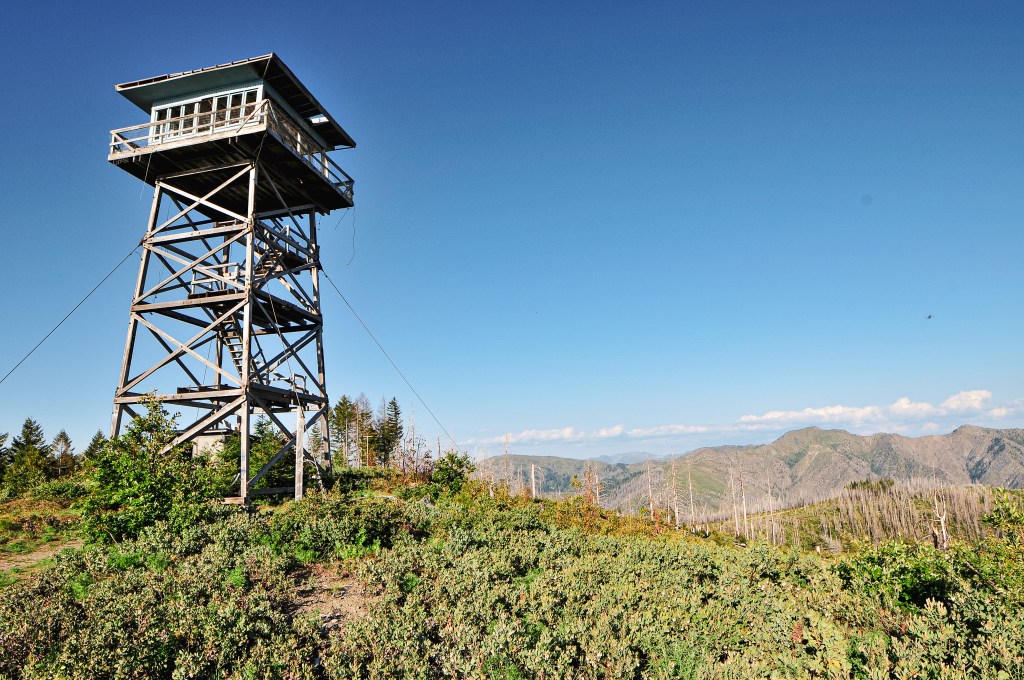
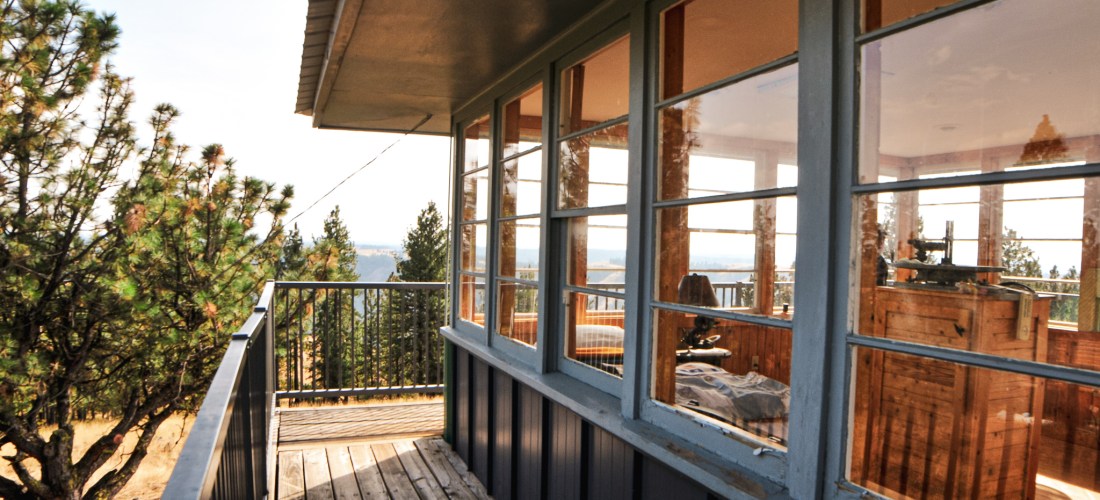
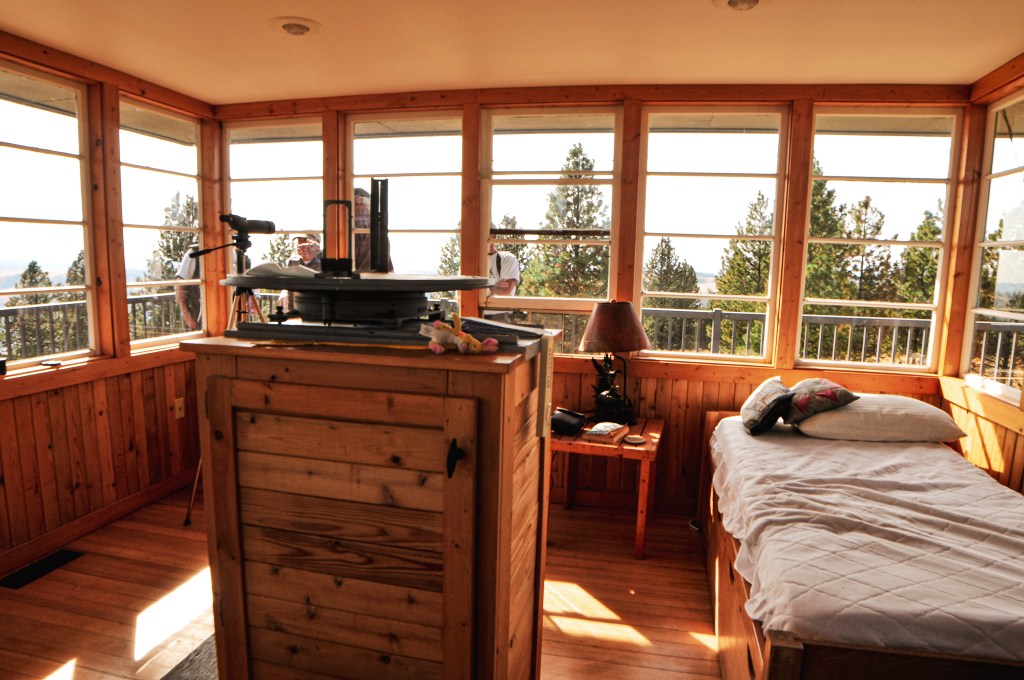
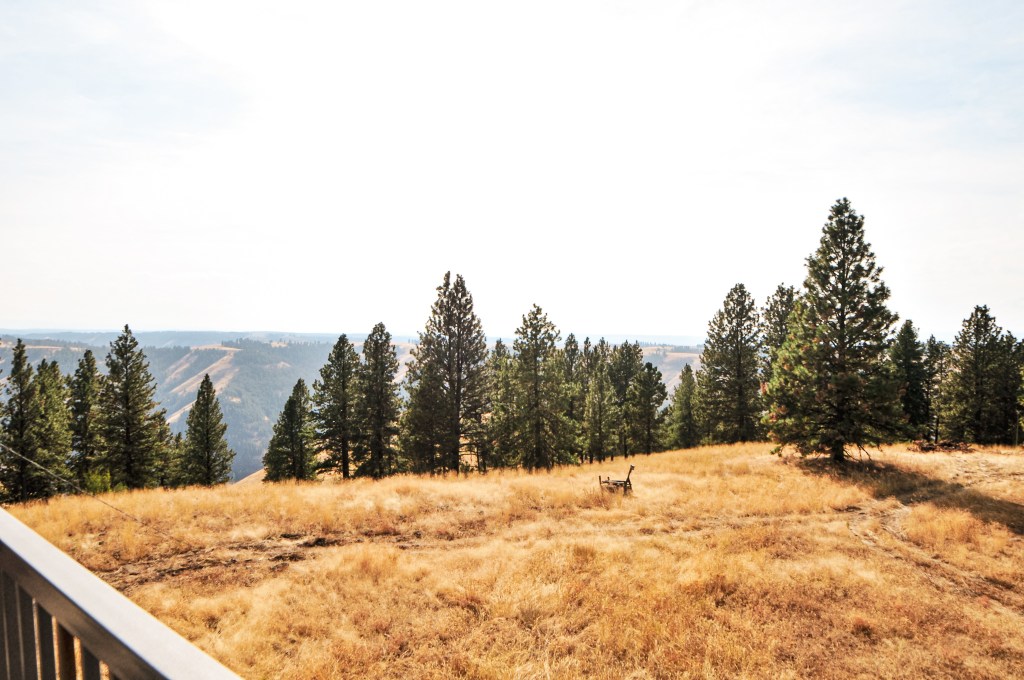
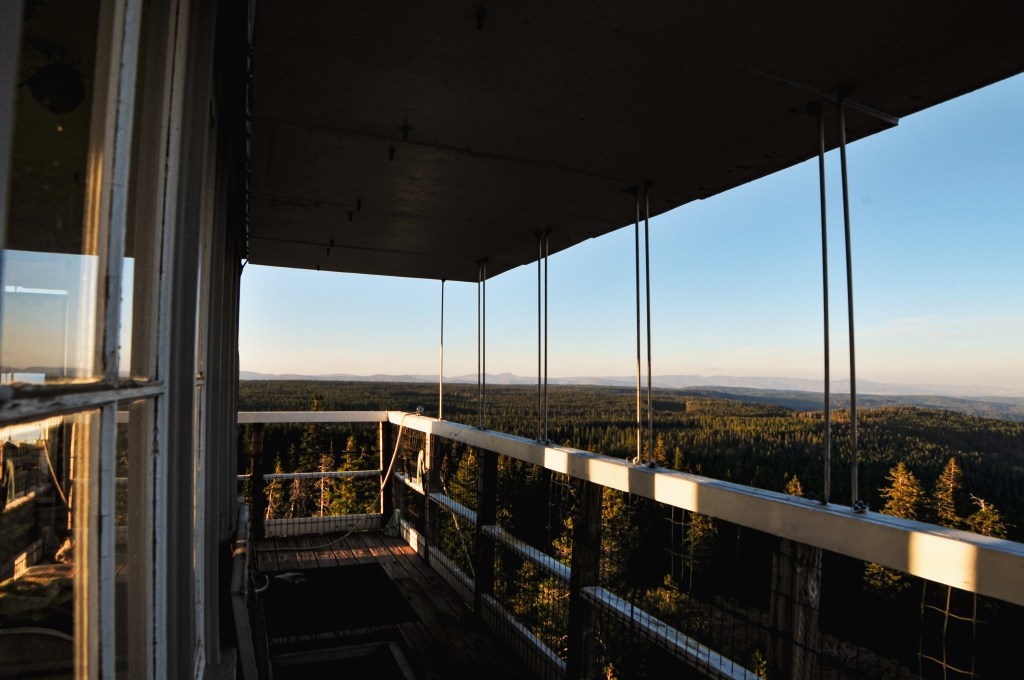
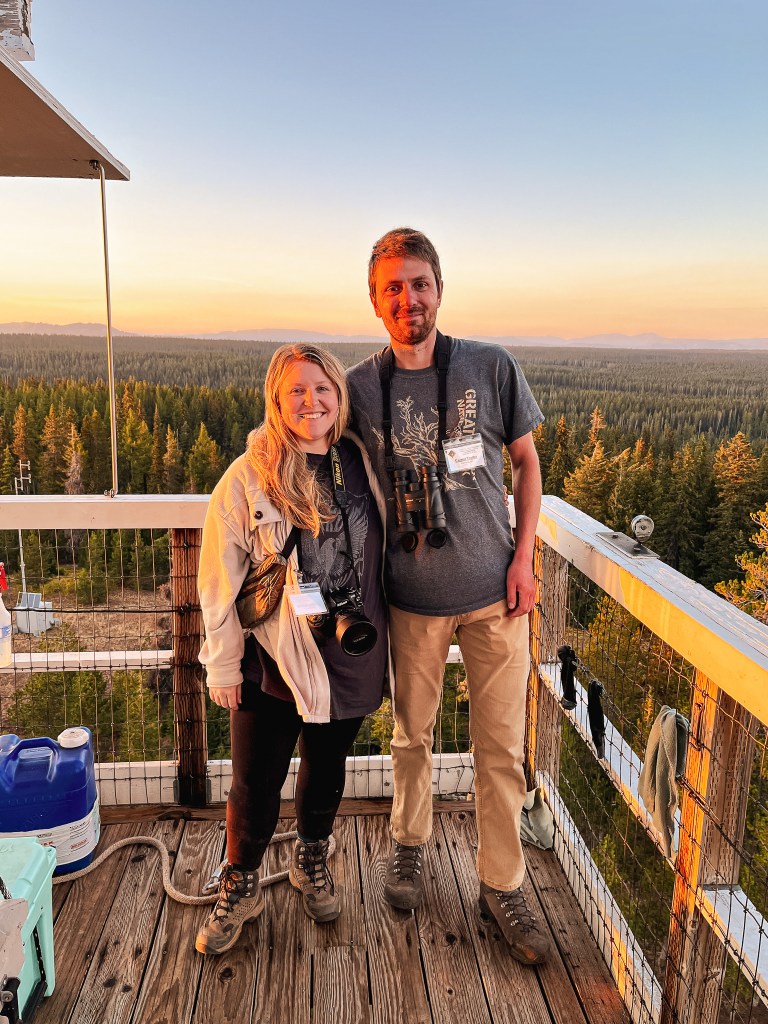
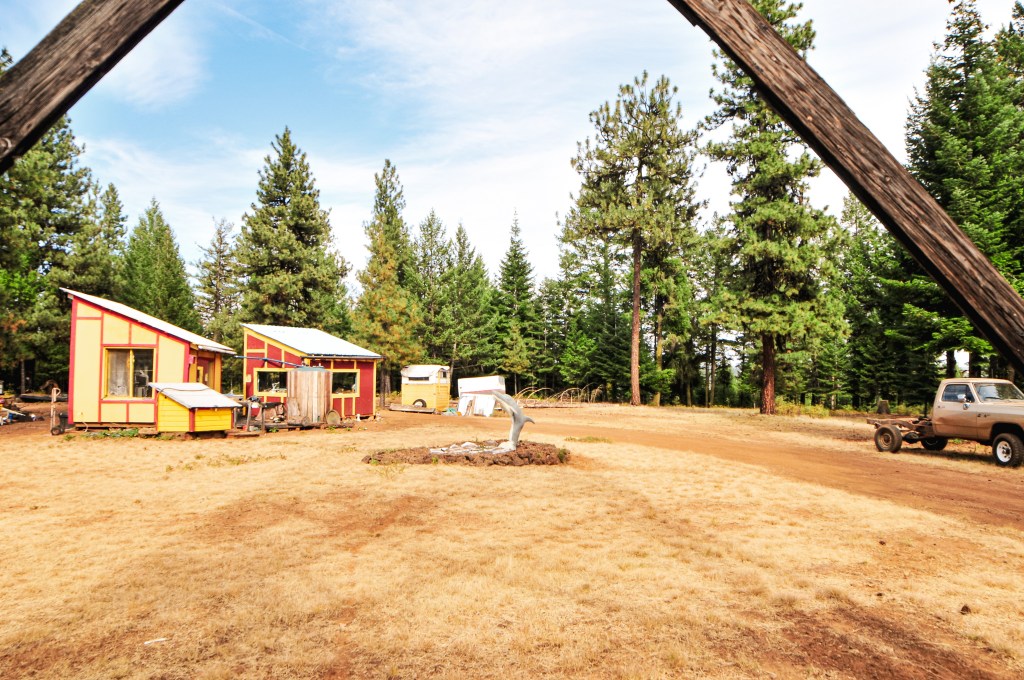
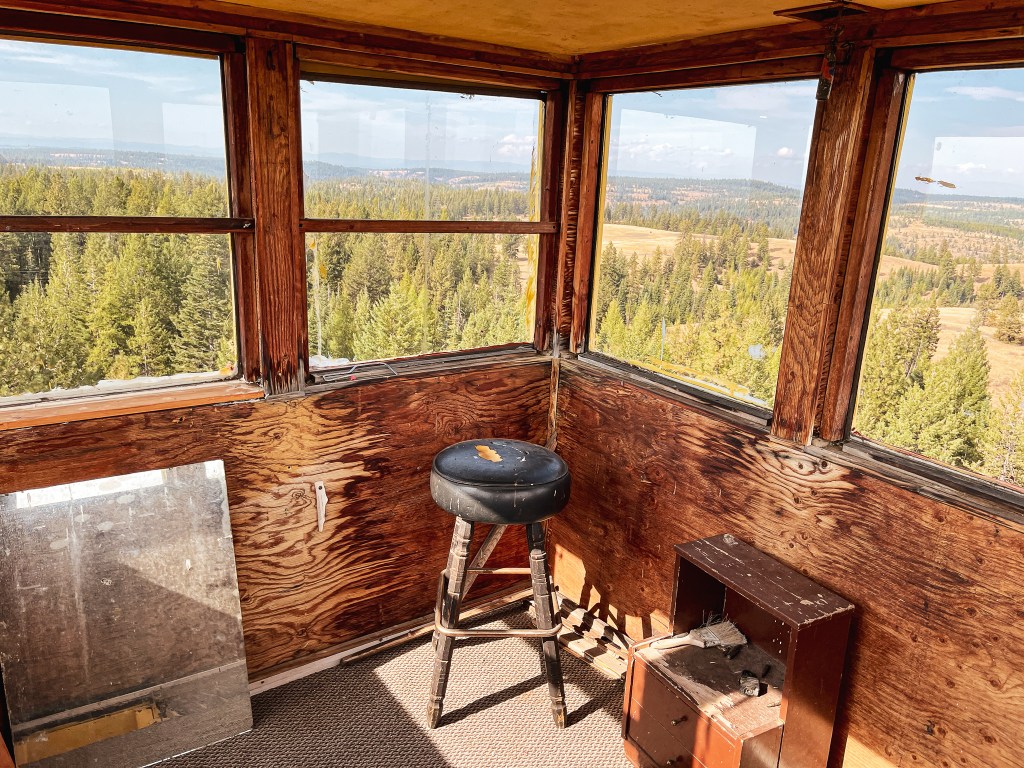
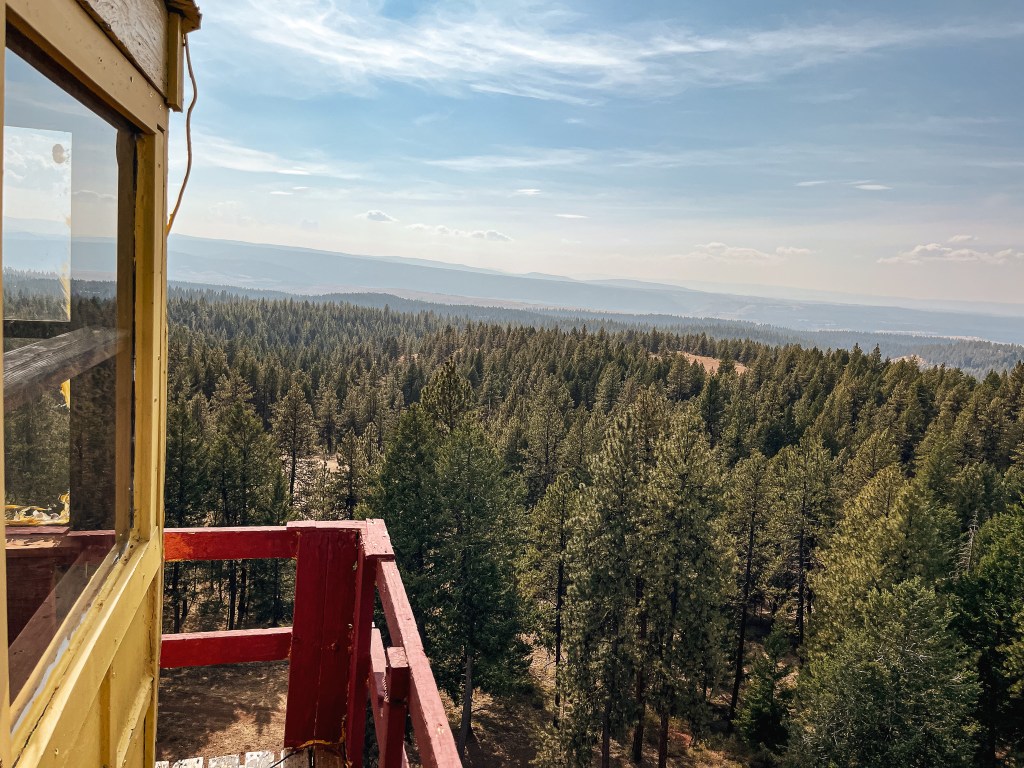
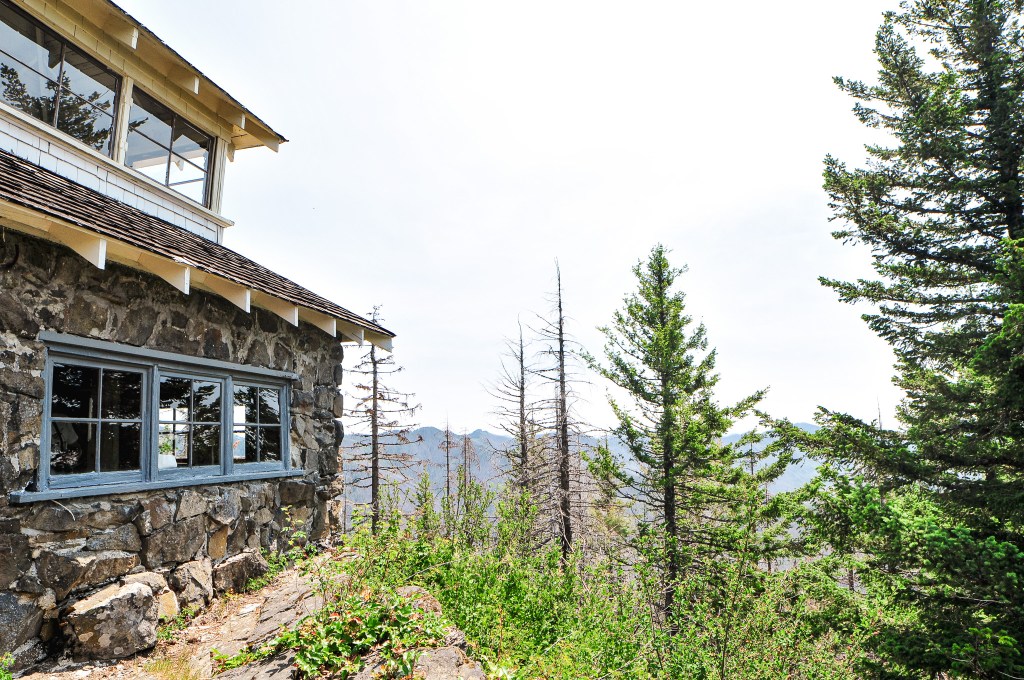
We decided to take some pictures around the lookout and in the cupola while Garnet’s mom headed off to find a good lunch spot in the shade. The lookout is in decent condition, but does have a smell to it from its rodent inhabitants over winter. The ladder to climb up to the cupola was a bit ricketier than I’d like but I was still able to manage. Personally, I’m not sure if I’d want to spend the night here with all the signs of rats unless it was an emergency. There was wide spread haze in Oregon obstructing the view from the cupola. I assumed this is mostly from the wildfires in Canada, but could also be from the newly formed Tunnel Five Fire in Washington. Though the site doesn’t offer much of an expansive view beyond the immediate ridge lines even on a clear day. Oregon has somehow escaped the wildfires so far this season, but I have a feeling this will be short lived as the heat advisory continues. I signed the log book in the geocache and headed for the shade. We all felt reenergized for the hike back after our lunch. While I was packing up, I noticed a butterfly sucking up the salt from my sweat that had made it on to my pack. I tried to remove it a couple times, but it kept flying back to my pack. Eventually, I had to coax it onto my finger so I could finish packing up without accidentally squishing it. The butterfly was unbothered and I encouraged it on to Garnet’s hand instead. It was really enjoying the salt we had to offer. It probably would have made the entire hike back with us if we let it.

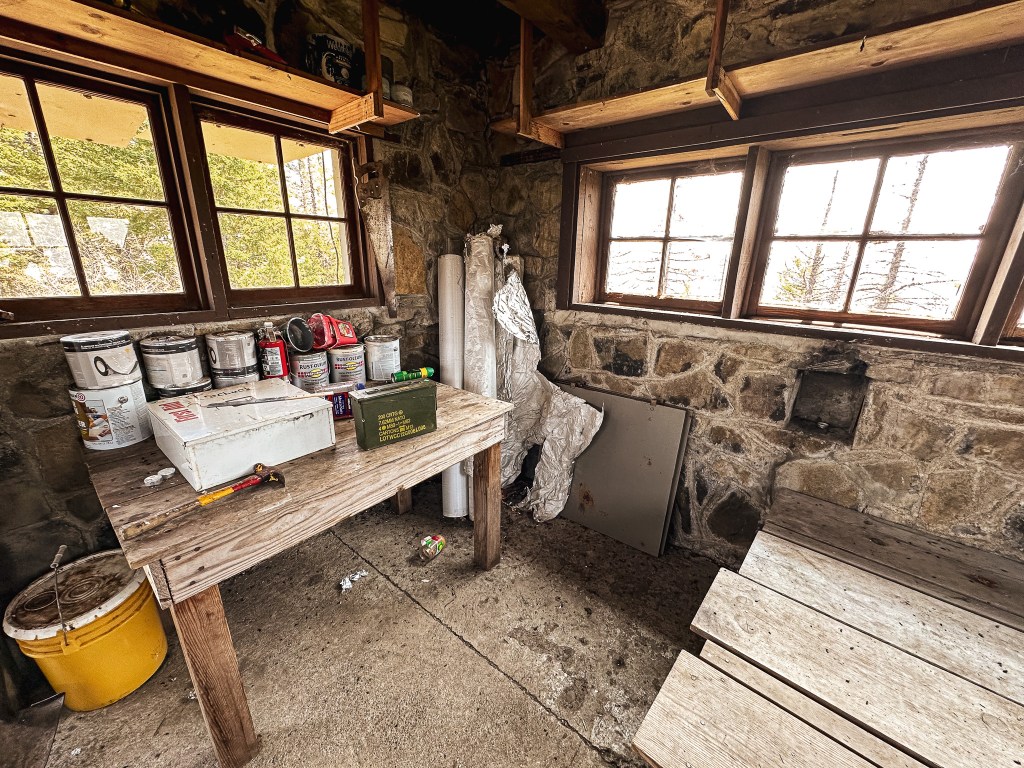
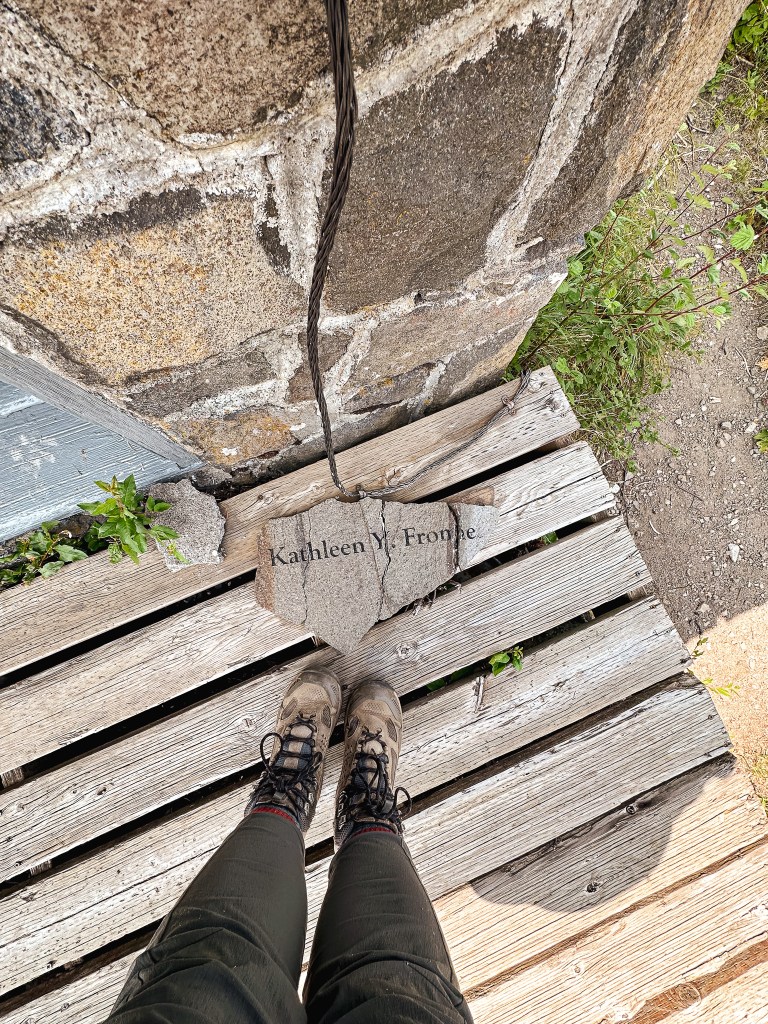
As we started our hike back, we came to the junction where the trail forks from the old lookout access road. Garnet was unsure of going down the road since we didn’t know for sure if it met up with the road we needed. There was a rudimentary map on the back of the door in the lookout that showed this as a trail heading down to a spring. But, more importantly it also showed it meeting up with the road we needed. Garnet didn’t want to make the call incase the map was wrong, but I was confident and started to head down the road. There was a bit of blow down along the access road but nothing unmanageable. Sure enough the road made a sharp left turn before spitting us out on the road. We followed it past the quarry where the trail hikes above and continued until we were back at the old trailhead. This felt like a much easier route in my opinion as long as you know where you’re headed. From the trailhead, the hike back followed the same route as before. Make sure to keep an eye out for the unmarked junction back to the Rooster Rock trailhead, it is less visible from the High Ridge trail and could be easily missed. Especially, if you spend a lot of your hike staring at your boots like me.
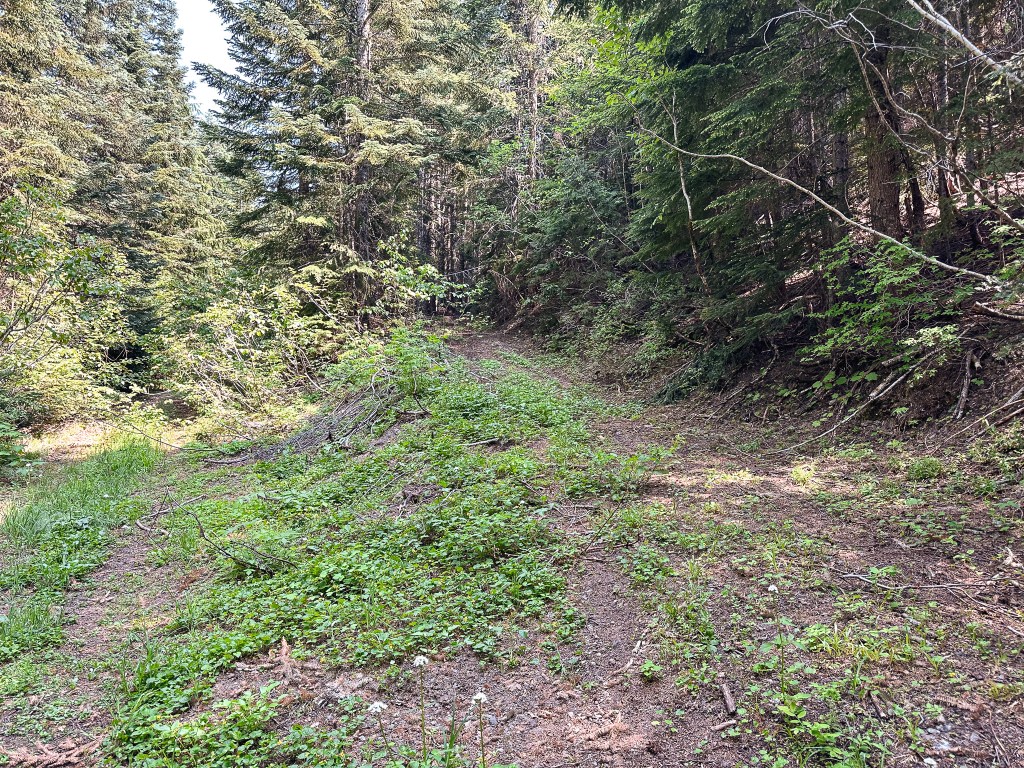
Old lookout access road heads up to the right
Old Pechuck trailhead
Junction with Rooster Rock trail from High Ridge trail

My Strava app calculated our total hike at 5.62 miles with 1,529′ of elevation gain. We didn’t see anyone else on trail all day. We did however come back to another car parked at the trailhead. Garnet had made it back to the car first and had seen the people. He said they got out of their car and despite seeing him hiking down the actual trail headed off down the decommissioned road. As we were packing things into our car, they came back. Garnet’s mom asked if they were looking for the trail and pointed them towards the actual trail, but they said they were only looking for service on their phone. They stood at the base of the trail for a while and eventually started hiking up. We all agreed it seemed a bit late in the day to be starting this hike, especially since they only had a small hydration pack between the two of them. The days might be longer right now, but it is always good to be over prepared and plan for extra time when venturing out.

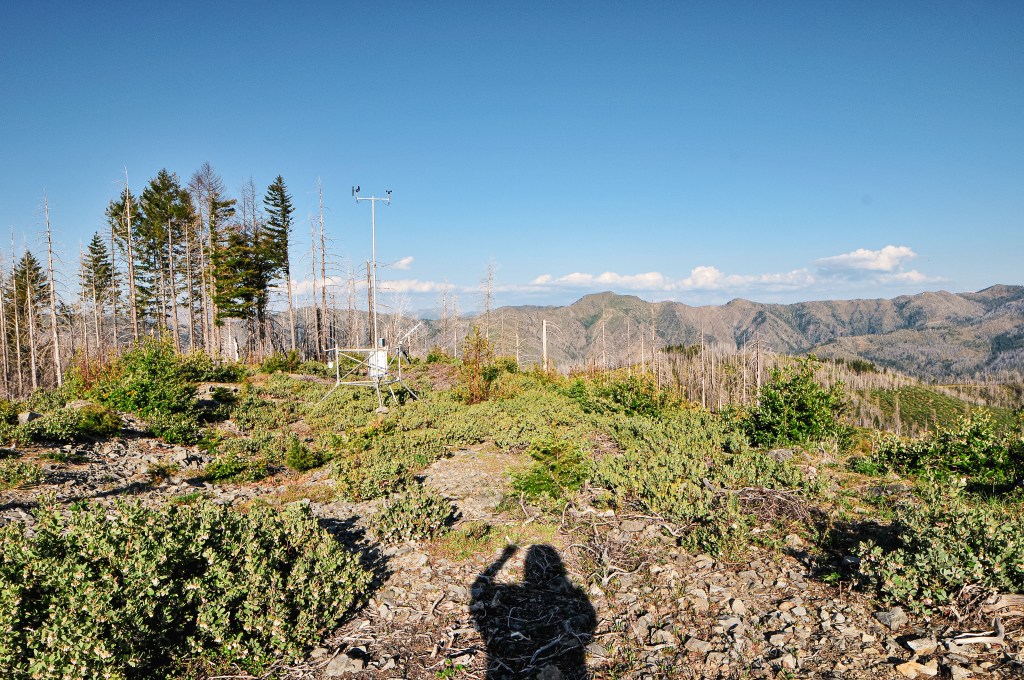
Mosaic burn pattern from the Beachie Creek Fire

History.

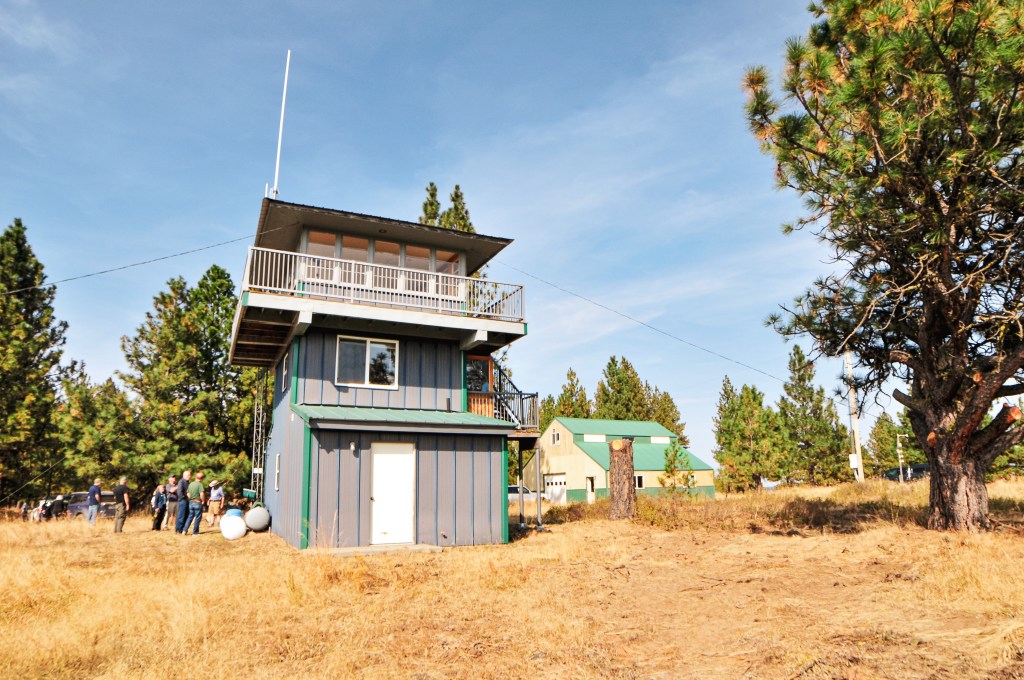
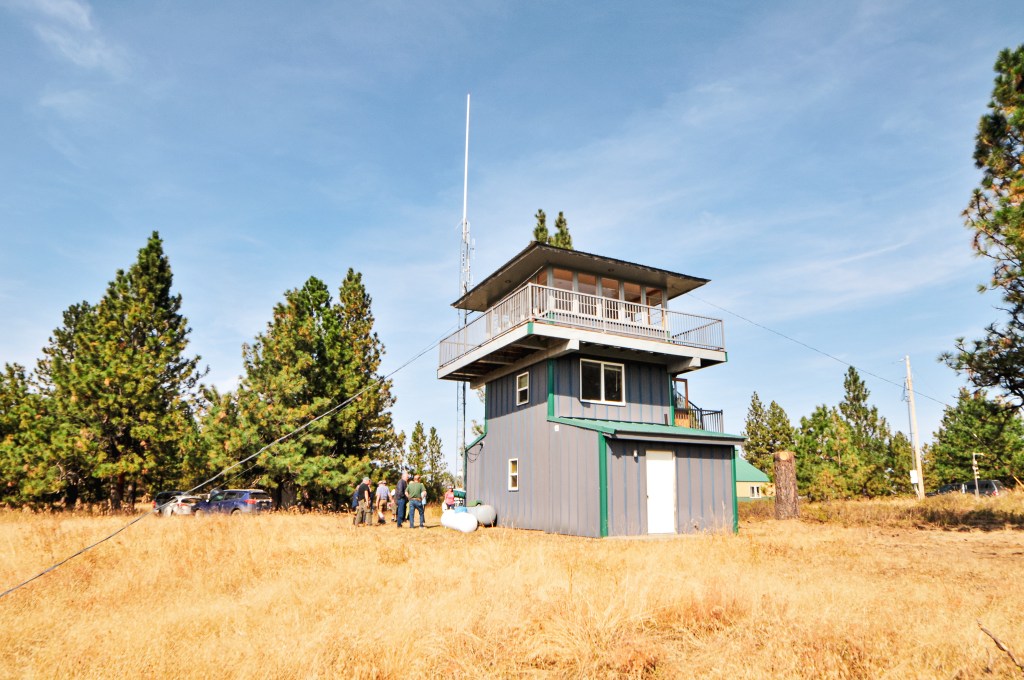
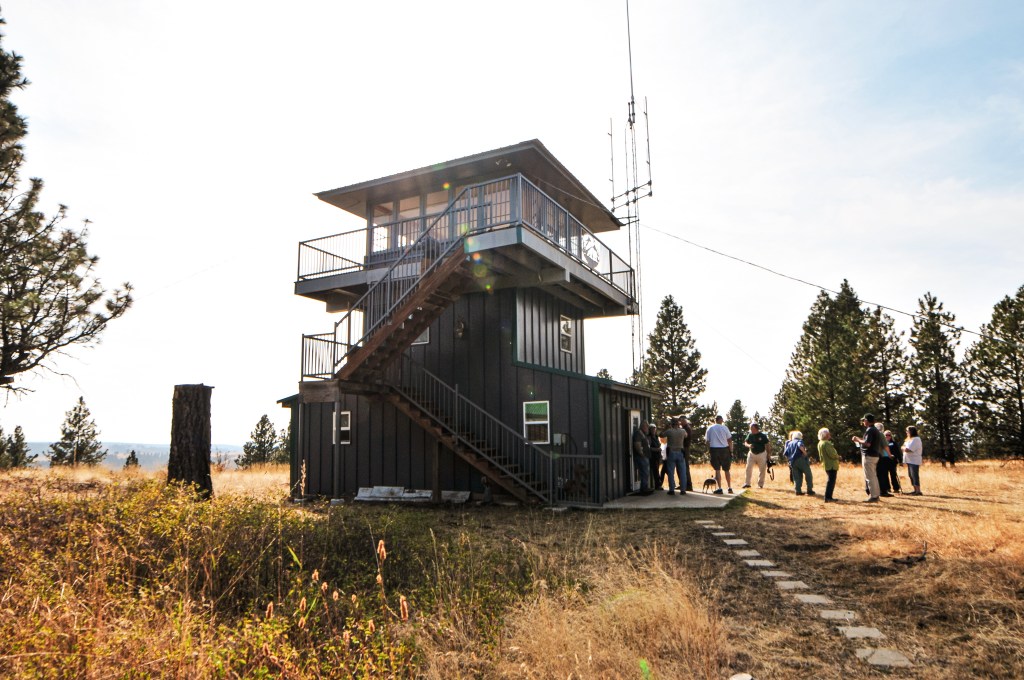
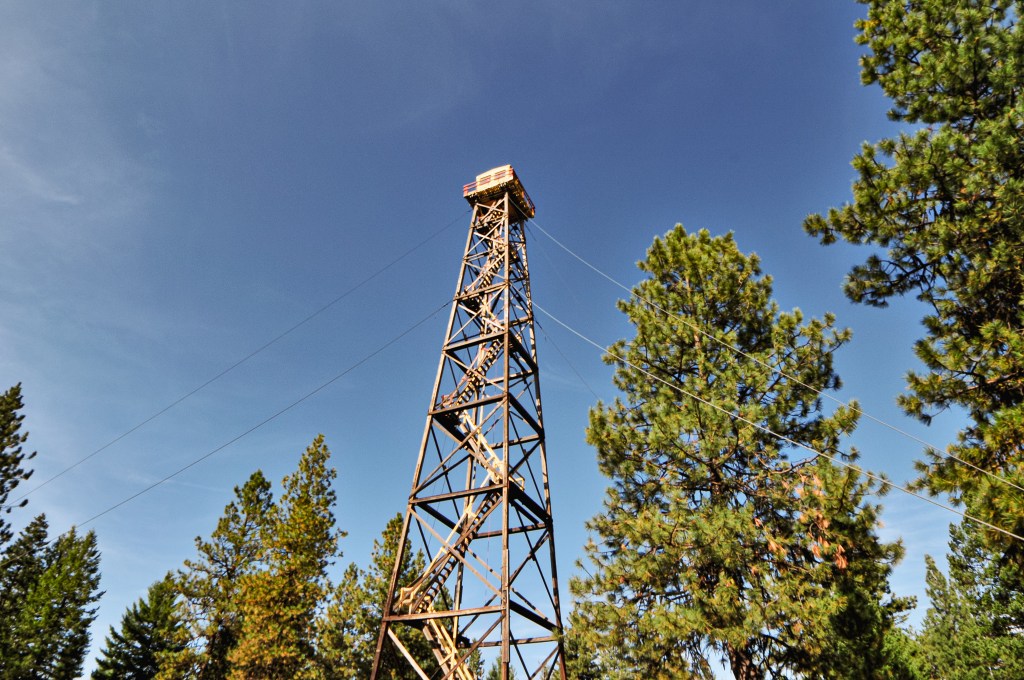
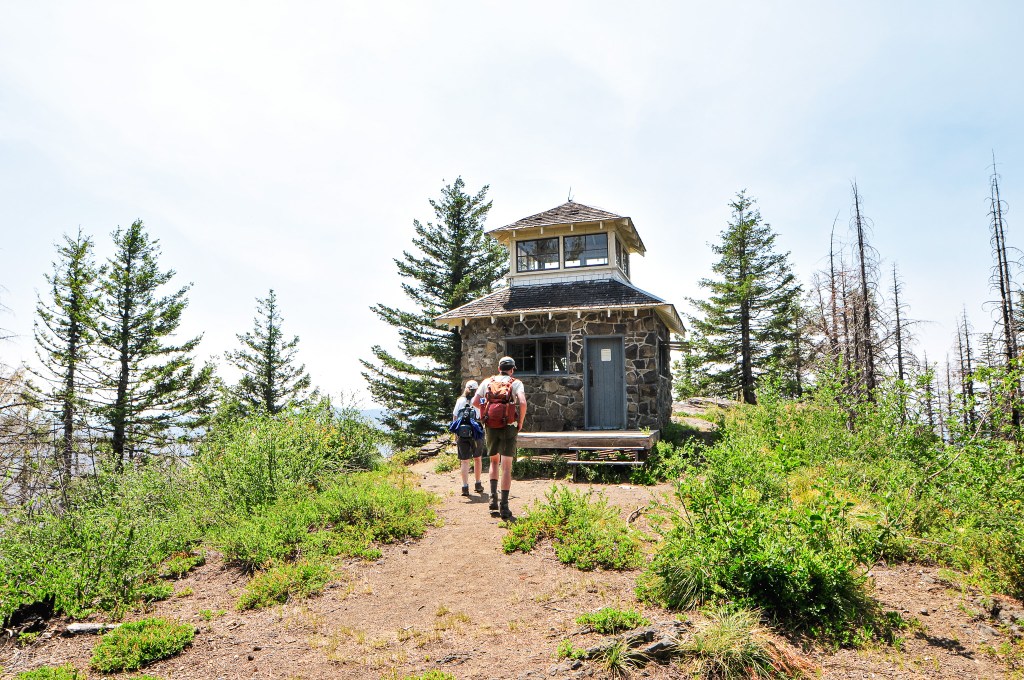
Pechuck was first defined as a fire detection site in 1918 when a fire finder was mounted to an open stand. The only access to this site at the time was from the Table Rock Trail through the Table Rock Wilderness. The existing structure was built in 1932 as a unique cupola style cabin. It was built primarily out of native stone from resources nearby with some wood frame details. The contractor that completed this lookout was John Oblack from Molalla with the assistance of an unnamed Portland stone mason. It was actively staffed until 1964 and completely abandoned in 1965. The building was restored and opened to public use in 1995 by Pete Bond and a group of volunteers. Pete Bond was a Trails Coordinator of the Oregon Department of State Parks in Salem. Thanks to his work the lookout is open to overnight stays on a first come, first serve basis. It was also one of the first couple of lookouts added to the NHLR.

More information.
Oregon Hikers

Bureau of Land Management

AllTrails

Lake O’ Woods L.O.

Oregon Lookouts

Location.

Rogue River-Siskiyou National Forest

Status.

Rental program; Currently standing

Estimated drive time from Portland, OR.

7 hours

Date visited.

May 28, 2023

Elevation.

3,419′

National Historic Lookout Register.

US 494; OR 87

Trip Report.

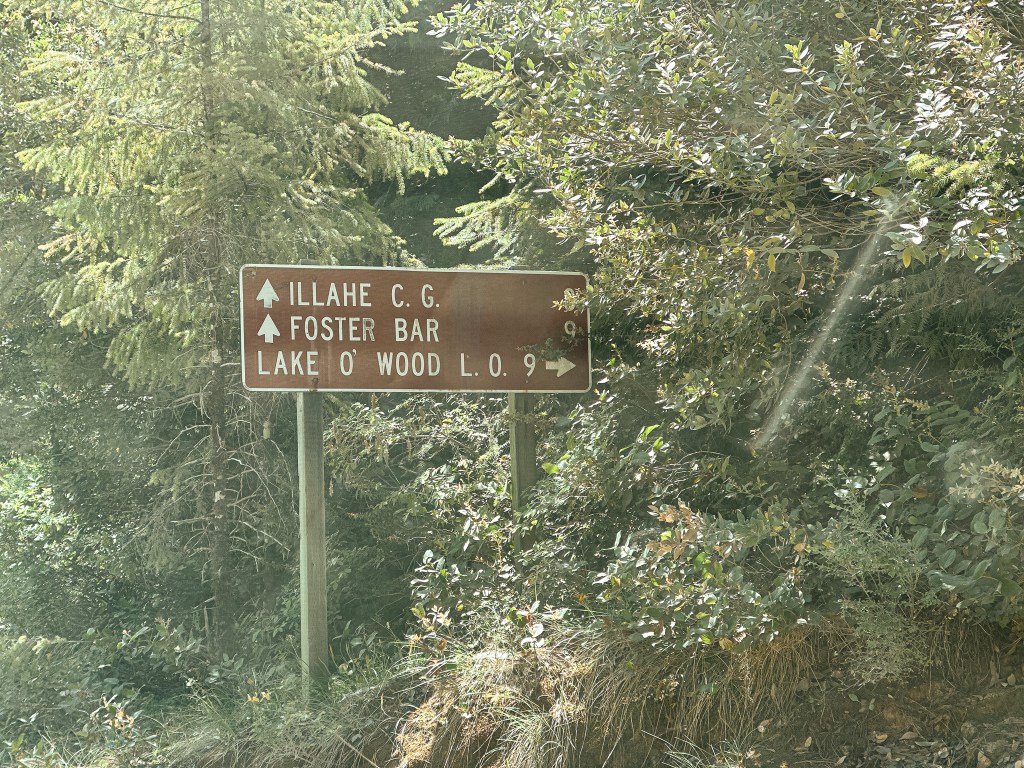
The next morning we awoke in a fog cloud that had rolled in while we slept. It made for a much colder wake up call than the morning prior. I threw together some breakfast burritos and coffee to warm us up. Our objective for the day was to make it to the rentable Lake O’ Woods L.O., more commonly referred to as Lake of the Woods. if time permitted, we would try for Bald Knob L.O. as well. We packed the car and headed down NF-3318 to NF-33. We hung a right on NF-33 to continue our route through the forest. The road remained paved until we passed the small community of Agness and crossed the Rogue River. The gravel portion of NF-33 was well maintained and looked to have been recently re-graveled. I was following directions I pulled from the Recreation.gov site that said to take NF-3340 to get there. I figured this would be the best route since it was recommended by the Forest Service. Granted it does have you connect to this road via NF-3310, but since I originally thought we’d be doing this route in the opposite direction I didn’t write that down. I had figured we could connect via the other side of NF-3340 with no issues. There was some confusion to this when we drove past a sign that pointed to Lake O’ Woods at the junction with NF-3336. It noted the fire lookout at 9 miles away. I decided we needed to continue on to NF-3340 since I figured that would be the better road. I kept telling myself “it’s the road the renters take, so it had to be the better option”. Oh how wrong I was.

When we came to the junction with NF-3340, the road looked narrow and headed up steeply from NF-33. It also appeared to be much less traveled than the other signed road we had passed. I was still convinced otherwise and made the sharp left turn. I was getting a bad feeling that we were not where we should be the farther we climbed up the road. It was covered in tree debris and some rocks, but that’s not necessarily uncommon for a lookout road. What didn’t sit right with us was that it didn’t look well traveled enough for a lookout on the rental program. Honestly, It really didn’t look traveled at all. We decided to turn around when we were met with a large drop in the road. This was a blind drop that would’ve been treacherous if we had not stopped to get out and look at it. We might have been able to maneuver around it, but beyond I could see the road turned sharply up at a steeper angle than the road had already been. Everything about this felt wrong and we decided to try our luck with the NF-3336 road. It at least had a sign for the fire lookout.

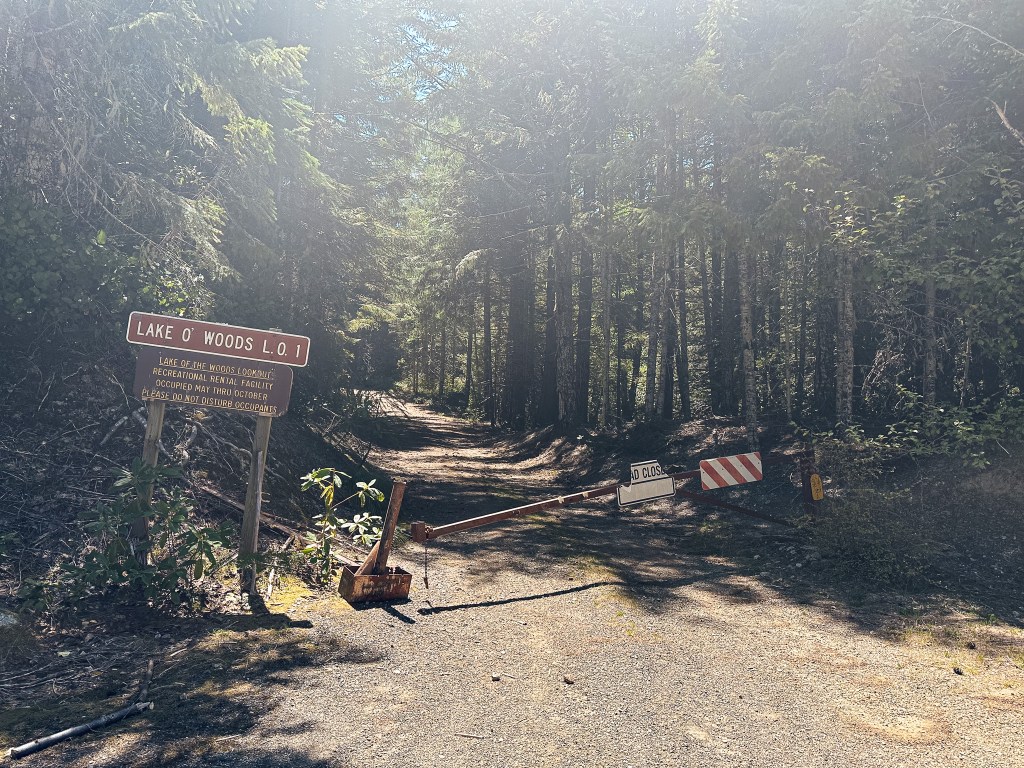
After the fiasco with the NF-3340 road, I let my partner take over the driving on NF-3336. This road seemed to be better from the start. But, don’t get me wrong, this is not a great road either. For the next 8 miles, I stressed and moaned as Garnet maneuvered around large dips where the very narrow windy road was beginning to wash out. Let’s just say I’m not the best as a passenger. The pull outs were essentially non-existent and we were happy we didn’t meet any oncoming traffic. We did make it all the way to the five way junction though. The NF-141 road to the lookout is signed and gated. If we had followed the actual directions from the Recreation.gov site, the road would have been paved all the way to this junction. Though pavement in the forest does not always equate to better road conditions. I have a feeling it is probably better than the route we ended up on though. The gate to the road was unlocked during our visit. Out of respect for the potential renters, we decided to walk the remaining distance on the spur road. We parked our car in the shadiest spot we could find and started to pack a lunch for the summit. As we were locking up the car another vehicle drove up the same NF-3336 road. It was a RAV-4 which I’m sure had a much easier trip up the road. The vehicle parked near the gate and a family of four got out to start prepping for the hike as well. We had a head start on them, but I figured they might pass us on the way up. The hike up the road came in just slightly under a mile at 0.89 miles according to my Strava tracker. This made the total road walk 1.79 miles round trip from our parked car.

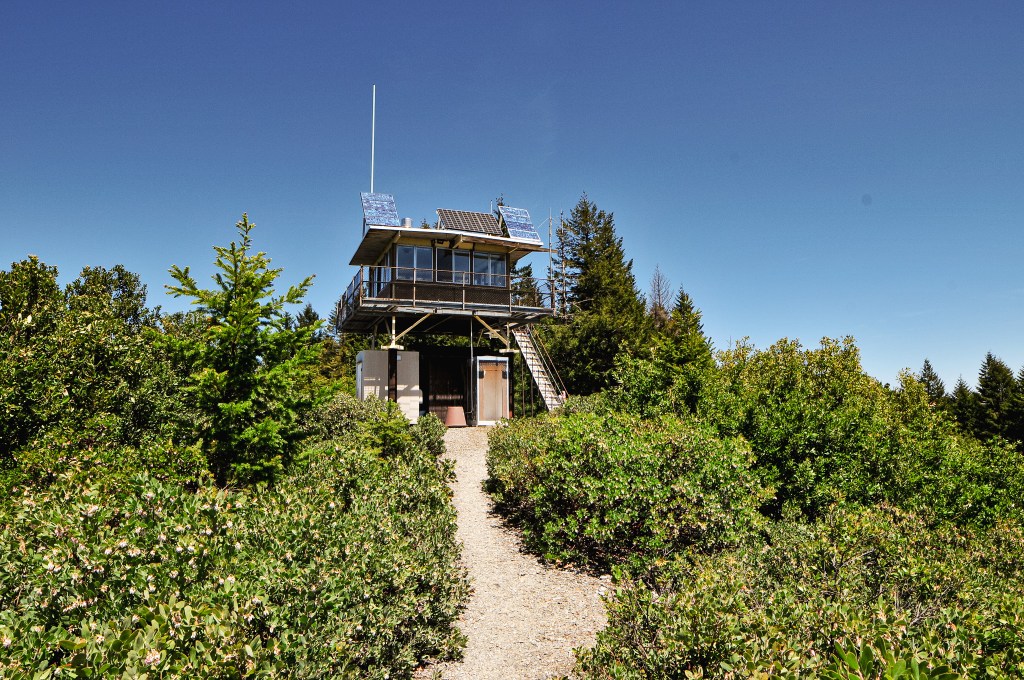
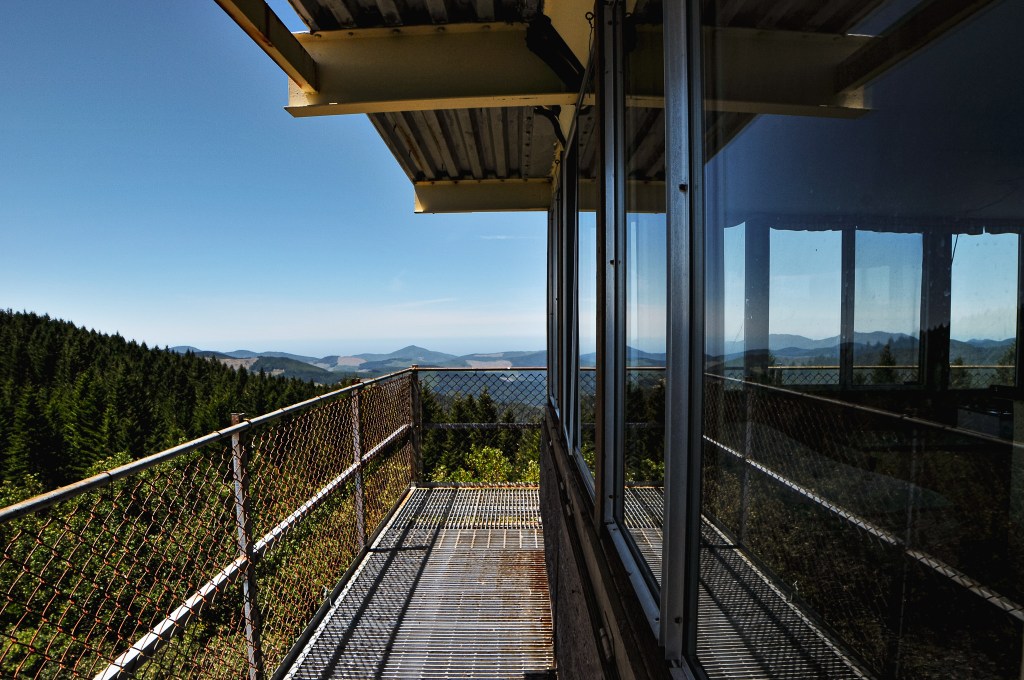
The road beyond the gate was in fairly good condition minus the final pitch towards the tower which would be hard to navigate in a lower clearance vehicle. We almost felt like we were on the wrong road as it started to head down before heading up again. It feels like a trick anytime a lookout road angles down instead of up since you’re usually aiming for the highest point. We reached the summit before the group of four. I guess the teen they had in tow slowed them down. I’m usually the slower hiker in comparison to most. There was also no vehicle here indicating that there were no renters or they had already left for the day. We quickly decided to try and get the pictures we wanted first before anyone else joined us. Afterwards we settled in to eat our lunch in the shade of the catwalk. It was too hot to sit at the picnic table directly in the sun. There was no trap door to block it off from access and luckily no renters were onsite for us to disturb. We called out a hello to double check before we climbed the tower. If there had been renters, we would have found a different lunch spot. The lookout itself might be on public land, but the structure is being rented out for private use.

The family of four made it to the summit shortly after we started our lunch. We briefly spoke to the grandparent of the group. They were locals from Agness and visited this fire lookout on occasion. She mentioned it hasn’t been rented out the past couple of years due to the Pandemic and she didn’t think it was being rented out this season either. But, the listing on Recreation.gov seems to be completely booked out for the season. The ranger we spoke with in Gold Beach also mentioned there would be renters here this weekend. I felt better about our decision to drive up via the NF-3336 road knowing they were locals and had came up the same route. They didn’t have much with them, besides a diet coke and an empty Gatorade bottle, and didn’t stay very long before heading back. We took our time before following suit. We hung a left to continue North on NF-33 towards Bald Knob L.O. after making it back down NF-3336. We still needed to find a camp for the night and hoped there would be something along our route.

History.

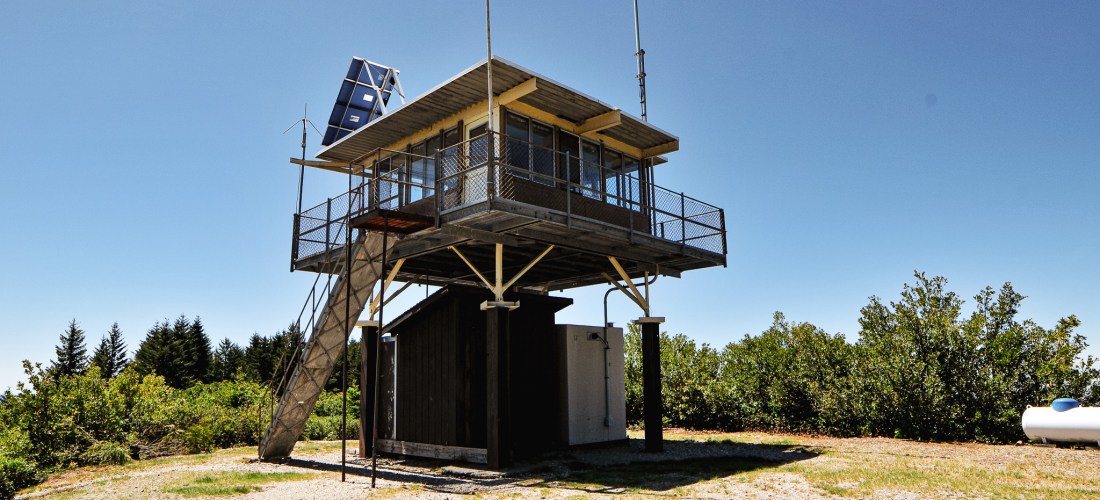
The existing tower for Lake O’ Woods was moved from the nearby Barklow Mountain in 1974. It was flown 12 miles via an air-crane helicopter that was owned and operated by the Erickson Air-Crane Company of Marysville, CA. The company was logging in the district that the lookout structure was moved to. It was set atop a 8′-12′ steel tower and had extensive remodeling done after its move. It was originally built on Barklow Mountain as a ground cabin sometime between 1955 and 1957. There seems to be conflicting information on what the steel structure is classified as though. It looks similar to a CL-100 series structure to me which is what it is noted as on Ron Kemnow’s website. The NHLR notes it as a CL-160 metal flat top while the Forest Service’s website labels it as an R6 flat-roofed cabin. It was actively staffed from 1974 until 1996. It is now apart of the rental program. Prior to this their was a 14’x14′ L-4 ground cabin built in 1933. But, the site was first used for fire detection regularly in the 1920’s. The lookout used to live in a shake cabin and would lookout from a crows nest in a fir tree on the ridge. The fire finder was mounted in the open.

Bald Knob L.O.

Oregon Lookouts

Location.

Rogue River-Siskiyou National Forest

Status.

Rental program; Currently standing

Estimated drive time from Portland, OR.

6 hours

Date visited.

May 28, 2023

Elevation.

3,630′

National Historic Lookout Register.

US 1572; OR 131

Trip Report.

Continuing on from Lake O’ Woods, we followed NF-33 up and over Agness Pass until it turned into pavement again. We stayed on the pavement until we passed the turn for Rock Creek Campground, NF-3347, off to the left. Our turn for NF-3348 was immediately after this on the right hand side. If you reach Island Campground, you’ve gone too far. But, more than likely, unless you plan to follow our route through the forest you will be accessing Bald Knob from Powers, OR. That means the road will be on the left hand side just after the Island Campground instead. The NF-3348 road is also paved and in decent condition, minus a few land slides partially covering sections of the road. There was enough room to maneuver around them without any issues. We turned onto the first major road off to the right, NF-5520. This was just past the trailhead for Coquille River Falls. We stayed on this road for a little over a mile and took another right onto NF-020. This road would take us the remaining 3 miles to the lookout or at least the gate for it. A good portion of NF-020 drives through private property, so be mindful of that when visiting. The road was narrow and didn’t offer much room for pull outs due to overgrown and brushy sides. Thankfully we didn’t meet any oncoming traffic here either. The roads were a bit rocky too, but nothing unmanageable in the Civic. It’s pretty obvious which sections are private given the clear cuts and lack of older trees.

We passed an open gate after re-entering the forest that made us think it was left open by renters. There wasn’t anywhere to pull out, so we continued farther up the road until we found a good spot to stop without blocking the road. We didn’t want to drive all the way up if someone was staying here especially since it was getting later in the evening. We started walking up the road and figured we had to be fairly close to the fire lookout. That was until we rounded a corner and found a more robust gate that was closed. This was the actual gate for the lookout. We assumed the first gate we passed was an older one that was used back when the fire lookout was actively staffed. There was a pull out before the gate that we briefly debated camping at for the night. Garnet offered to go back to get the car, but we ultimately decided it was too sloped for camping. We continued closer to the gate until we noticed the trailhead off to the left for the Panther Ridge Trail #1253. There was a nice flat parking area with enough room for a camp. We hadn’t seen any camp spots on our drive here and decided this was worth going back to get the car. There were some pull outs along the road we could have made work in a pinch for the night, but this was a much better option. Garnet graciously ran back to get the car before we made the final walk up to Bald Knob. While I was waiting I heard people talking in the distance, I assumed this must have been the renters staying at the lookout for the night. It didn’t take long for Garnet to retrieve the car.

We decided to set up camp after we continued our hike up the road. It was only a half of a mile from the gate to the summit. When we finally saw the lookout I was confused. It was still completely closed up for the season. I guess that is a better outcome than skirting around renters, but who did I hear talking earlier?? I never was able to figure that out. While we were taking pictures we discovered the trap door to the catwalk was unlocked and decided to get a better view. It looked like someone had been up here this year to paint some of the siding. We speculated they must have been doing some updates and maintenance before they opened it to renters for the season. We hung out on the catwalk for awhile since we knew we no longer had to search for a camp and it was only a short walk back to the car. We decided to take advantage of the service we had from here and ordered some items from the REI Memorial Sale. We don’t normally online shop while visiting fire lookouts, but we had talked about getting another camp table and knew the sale would be over before we had service again.

Our plan for the next day had been to move camps again to visit Eden Ridge, but both of us had noticed our gas level was a little lower than expected by the time we reached Bald Knob. Normally, we fill up before entering the forest or bring a gas can if we know we will be driving around more than usual between towns. We failed to do either of those things this time. I had filled the tank in Brookings before we headed to Quail Prairie at the beginning of our trip, but I should have refilled again in Gold Beach. There was plenty of gas in the tank to get us out of the forest from where we currently were. There was also enough to definitely get us to Eden Ridge the next day as well. The gamble would have been if we had enough gas to get to Eden Ridge and then back out. I’m not afraid of a little risk taking but this one didn’t sit right with me. It’s possible everything would have been fine but if we were wrong the outcome would be costly. There was no in between. We decided to spend our last day in the area around Bald Knob instead. We had a slower morning around camp and then hiked a little way along the Panther Ridge Trail #1253. This is definitely a little used trail and is slowly becoming a lost trail. While hiking a section that crossed the private property we missed a turn to stay on the actual trail. We ended up following an old road bed that we thought was the trail until it spit us out on NF-020. We were able to confirm this was the NF-020 road from a bearing tree. Once we realized our mistake we decided to accept defeat by hiking back up the road to our camp. It was an overall successful trip minus a few early season mistakes.

History.

The first structure was built on Bald Knob in 1914 as a simple shake shelter to house the lookout. A more robust building was added in 1918 after the shelter kept getting broken into during the winter by hunters. A gable roofed L-4 style lookout was built on the summit in 1931. It served as an Aircraft Warning Station from 1942 to 1943 during World War II. They added a small cabin during that time for the observers to live in. The lookout was badly damaged during the Columbus Day Hurricane in 1962. It was replaced the following year with the existing lookout which is a 20′ tower with R-6 cab. It is now a part of the recreation rental program. It is unclear on when they stopped staffing this lookout and added it to the program. A fire detection camera was added to the site in 2010.

Quail Prairie L.O.

Oregon Lookouts

Location.

Rogue River-Siskiyou National Forest

Status.

Abandoned; Currently standing

Estimate drive time from Portland, OR.

7 hours

Date visited.

May 26, 2023

Elevation.

3,033′

National Historic Lookout Register.

US 467; OR 64

Trip Report.

The high holiday weekend was upon us and snow was still lingering lower than previous years. Similar to a relative that has overstayed their welcome. Memorial weekend is usually considered the official start of the camping season for the general population. But, I think a lot of plans changed as reservations were cancelled and campgrounds failed to open in time. We typically like to start our season earlier by creeping our way into the lower elevations as early as March. This year had been slow to start with the snow levels and our added responsibilities as new home owners. We still managed to make it to the Northern Redwoods for my birthday in April and Eastern Oregon for my partner’s birthday in May. Despite those two previous trips this felt like our first substantial trip of the season. It would also formally kick off our fire lookout season. Though I don’t think we’ll be able to top last year after visiting a little over 50 standing lookouts in one season. Our plan for the next 5-days was to take a tour of the fire lookouts within the Southern Oregon coast range. We figured they were all low enough elevation to be snow free by this time. Plus the coastal range tends to get less snow in general than the rest of the state. There were a few posts about rental reservations in that area being cancelled on the Oregon fire lookout Facebook page that were some cause for concern. But, we didn’t really have a plan B in mind and decided to leave it up to luck. We would only pivot and reroute if absolutely necessary.

My partner and I stayed up late Thursday packing the car and prepping the remaining items for the trip. No more packing our gear down three flights of stairs the morning of departure! We also didn’t have to get up as early with the car already packed, minus the cooler of food. We just had to make sure to leave early enough to make it to Gold Beach before their ranger station closed for the weekend. We were on the road by 9AM heading south via the I-5 corridor to cut over on HWY-38. There are a few different options to connect to the coast, but HWY-38 offers the least amount of curves and is flatter than most. We met up with HWY-101 from Reedsport and continued heading south. The Gold Beach ranger station closed around 4:30PM and we made it in time with an hour to spare. The ranger on duty was very helpful. He confirmed their current snow levels were around 5,100′ with a few lower elevation snow drifts in the northern slopes. This was good to hear since all the fire lookouts we planned to visit were around or below 4,000′. We told him our intended route and asked about road conditions. He thought we should be fine getting to most, even in our Civic, but he didn’t recommend Snow Camp or Eden Ridge. The last report on Snow Camp was from the previous Tuesday where there was still 14″ of snow on the road. I took that as the entire summit being covered in snow, but more on that later. He cautioned around visiting Eden Valley due to some recent timber theft and a few land slides in the area that they still needed to clean up. Our plan was to head to Quail Prairie after our visit to the ranger station and camp in that area for the night. Another ranger showed up while we were talking about this plan and they confirmed that area was accessible to at least Packer’s Cabin, which is located 3 miles below the lookout and rentable through the Forest Service. She cautioned us to be very careful heading up the Chetco River though due to the high traffic on a very narrow road. We bought a ranger district map of the area and thanked them for their helpful information.

We headed back out on HWY-101 continuing south to Brookings. We wanted to start with the southern most fire lookout and slowly work our way back north to set us up for a shorter drive home. From Brookings, we turned left onto the N Bank Chetco River Road to head into the forest. This is a narrow paved road that winds along the edge of the Chetco River with steep drop offs as the ranger had mentioned. There were a few gravel bar campgrounds along this route that were filled to the brim with campers. The pavement was in good shape minus one spot before the last campground that drops down due erosion. If you’re not careful you could bottom out. We were able to crawl over this at an angle and others had driven their trailers beyond this section. After passing the last campground, we crossed the South Fork of the Chetco River on a single lane bridge and came to a T-junction. We turned left onto NF-1376 and the pavement ended. We weren’t on this road for very long before we came to a major fork. The NF-1376 road continues to the left along the Chetco River, but we turned right to start our climb up NF-1917. Shortly after starting up this road, I let Garnet take over the driving when the road made a dip on a narrow section. No use in wasting our time having me freak out while driving. The NF-1917 road climbs up along Long Ridge and past the Packer’s Cabin. As we got closer to the summit, there were some downed trees along the road. Luckily, the wood cutters had been through here and cleared just enough room for us to make it around. The spur road NF-180 for the lookout will be obvious since there is a gate and you can see the tower from the road. The road continues past the spur but turns into an unmaintained jeep track from there. We parked at the junction and decided to walk the remaining distance. The Strava App tracked the road walk at a little under half of a mile to the summit. The gate was open and we probably could have driven the Civic up, but we were both ready to stretch our legs after a full day in the car. The roads getting here had been decent with a bit of caution needed over a few bumps and dips.

The fire lookout looks similar to Bald Butte in the Ochoco NF given that it is completely missing a wall on the R-6 cab. The first flight of stairs have been removed to keep visitors from climbing the tower. There is no glass in the windows either, but I’m unsure if they were intentionally removed or just broken. The storage shed has since been rummaged through with items tossed from it haphazardly. There was graffiti and trash on the summit that indicated people come up here fairly often too. It is a bit sad to see given that this was on the rental program as recently as 2007 and the Forest Service still lists it as closed for repairs. But, it seems the time and place for repairs has come and gone. It just goes to show if you don’t put in the maintenance on something how quickly it will fall into disrepair. It still stands and could possibly be salvaged if the local community found an advocate team for it through the FFLA. But, that is part of the problem it seems. The FFLA calls for more leaders and local chapters in their recent magazine, but I’ve learned you can’t force people to care about fire lookouts. You can only inform them about things they didn’t already know. Then you have people, such as Garnet and myself, that care but lack the skills or know how or are not centrally located to be of any help. Places like this will continue to fall into disrepair for that reason alone.

The area had been burned over a while back which opened up the views from the summit and road. You are mostly overlooking the peaks of the Kalmiopsis Wilderness. We could even spot Pearsoll Peak in the distance. Unfortunately, it was already late in the day when we arrived which gave us little time to explore. We briefly debated just camping on the summit since there were no official dispersed camp spots along the road. That was one down fall we encountered all weekend, the camp spots seem to be few and far between in the coastal range unless it was an established campground. The peaks might not be that high here, but you still have to climb up from sea level which leaves little flat areas to camp. We ultimately decided not to camp on the summit since there was a nice grassy landing a few miles below that I preferred instead. A cloud inversion started to roll in around sunset and stayed through the night into the late morning. It was gorgeous!

History.

Quail Prairie was built in 1963 and one of the last fire lookouts to be built by the Forest Service in southwestern Oregon. It was considered an important fire detection facility for this area due to the limited established road systems. The tower is a 41′ treated timber with 8×8 wooden legs and R-6 flat cab. It was built as a replacement for the neighboring Long Ridge L.O. that was destroyed during the Columbus Day Hurricane in 1962. The Forest Service actively staffed it up until the mid-1990s. It was moved to the rental program sometime after that until it was damaged in the early 2010s. It sustained substantial damage to the side causing part of the wall to buckle. I assume this is the same wall that is currently missing from the cab. It used to be furnished with a single bed, table, two chairs, a stool, broom and fire extinguisher. It also used to feature a wood burning stove, propane stove, and propane fridge. It has since been abandoned and fallen into a state of disrepair.

Red Hill L.O.

Oregon Lookouts

Location.

Wallowa-Whitman National Forest

Status.

Abandoned; Currently standing

Estimated drive time from Portland, OR.

6-1/2 hours

Date visited.

September 17, 2022

Elevation.

5,020′

National Historic Lookout Register.

US 1679; OR 166

Trip Report.

We headed back out to HWY-3 from Courtney Butte once we were free from the confines of the caravan. We headed south towards Enterprise for another 20 miles until we reached the turn for NF-46 off to the left. According to the map, Red Hill would be situated just off of NF-46 and should be obvious. Though we knew this wasn’t always the case, an immediate example being our visit to Lookout Mountain the previous evening. As we headed up NF-46, I was less confident that we’d have enough time to get there and back before dinner. I wasn’t going to miss out on that this time! I gave us a cut off time of 5:30PM. If we hadn’t made it there by then we would ultimately turn around and plan to visit on Sunday instead. The first portion of NF-46 is paved and wide enough for two large vehicles to pass each other, it looked like relatively fresh pavement too. Once it turned to gravel there were some pot holes from wet condition drivers in certain areas. It was a mostly decent road and you would be able to drive it in a passenger vehicle with some caution.

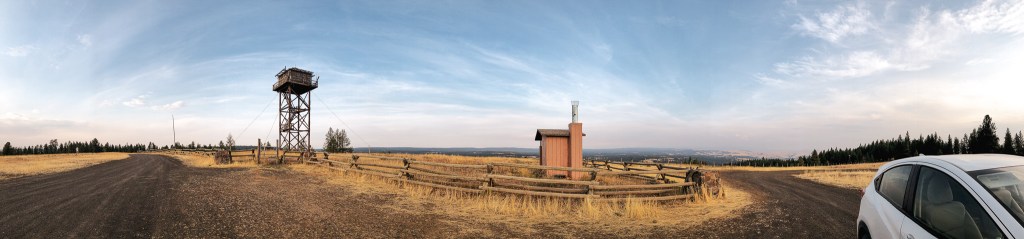
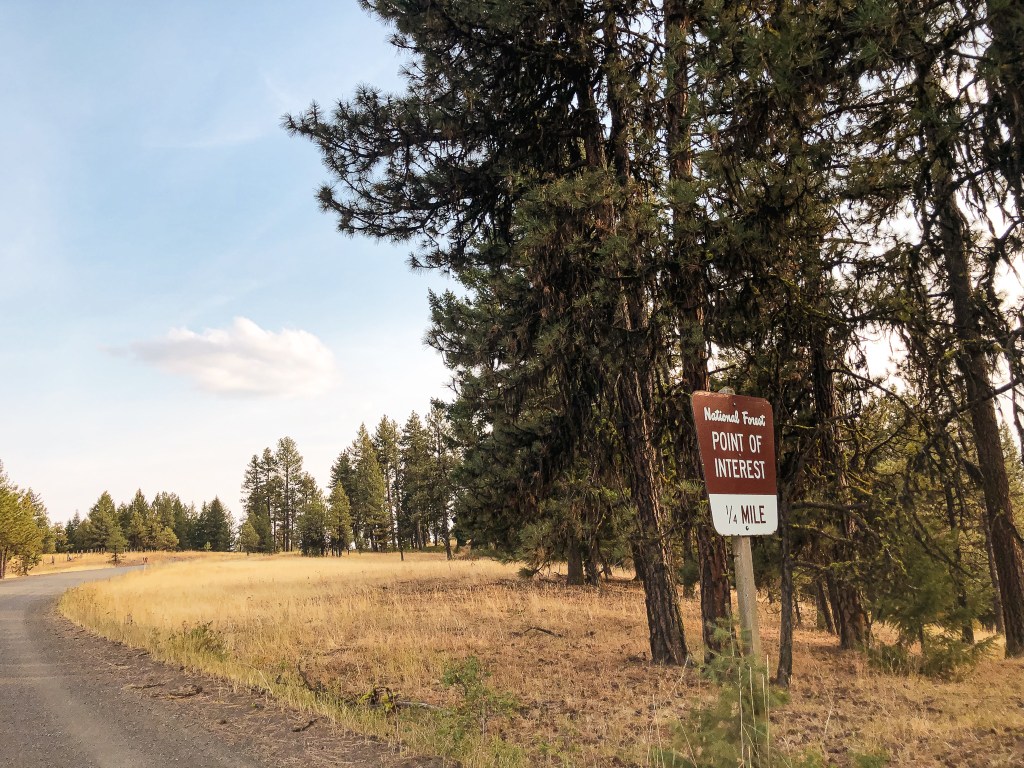
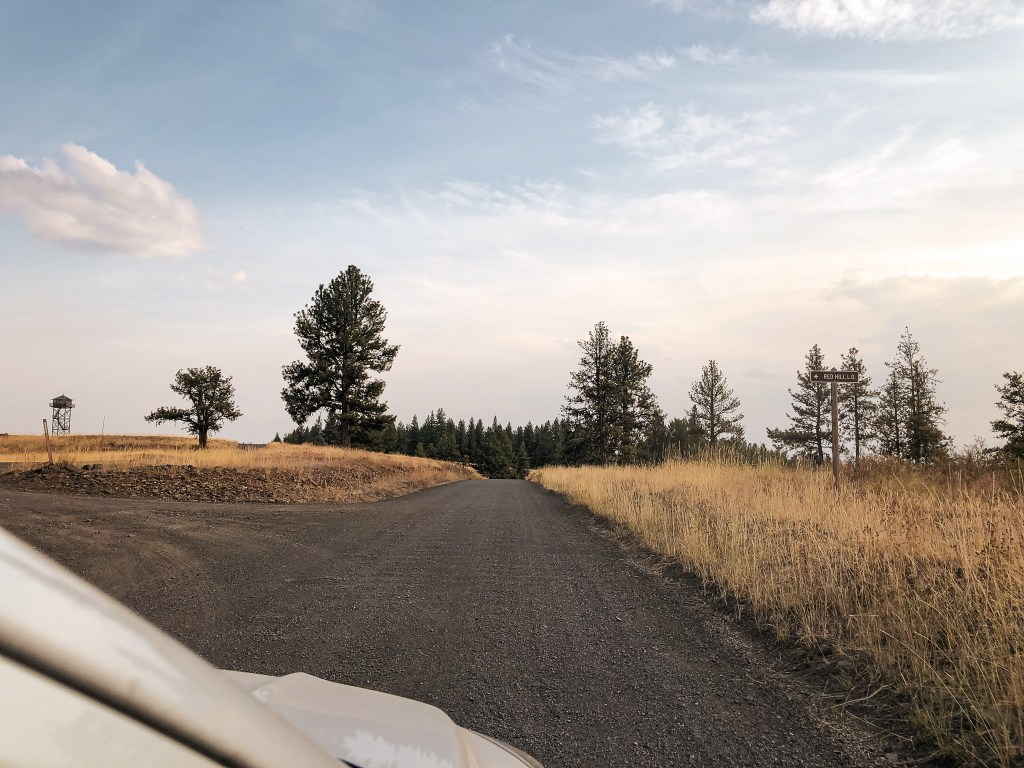
We reached Red Hill almost exactly at 5:30PM. It was about 22-1/2 miles from HWY-3 to the lookout. There was a sign 1/4 of a mile from the turn off to Red Hill that just said “point of interest”. We thought that was interesting, but knew it was referring to the fire lookout. There was also a small sign for Red Hill L.O. at the turn. The lookout is located in a open field and would be hard to miss even without all the signage. We had planned to head to Kirkland Butte as well since it was so close, but there just wasn’t enough time to do it all. We would be back in the area sometime to get the ones we missed.

We parked and walked around the base of the lookout while taking pictures. We knew we couldn’t spend too much time here and gave ourselves 10 to 15 minutes to explore around. The first flight of stairs is completely removed to keep people from climbing the tower. I’m sure it helps to deter vandalism as well. The cab wasn’t in the best of shape, but the super structure looked fairly sturdy. This would make a good project for the FFLA. We left around 5:45PM and it took us almost an hour exactly to get back to the VFW post. I would’ve liked to spend more time on Red Hill, but I also really wanted the Pizza dinner they were offering.

History.

The site on Red Hill has been used for fire detection since 1922, possibly even as early as 1917. The first tower was a tree with added spikes to aid in climbing. This tree was over 115′ and the lookout attendant would climb to where the tree forked a few feet from the top. It even had its own 25′ flag pole attached to the top. In 1924, a pole tower with 10’x10′ cab was built to replace the tree. The current lookout was completed in 1949 as a 40′ treated timber tower with L-4 cab. It has since been abandoned and is in bad enough shape that they removed the first flight of stairs to prevent people from climbing the tower.

Courtney Butte L.O.

Oregon Lookouts

Location.

Wallowa County; Private property

Status.

Maintained; Currently standing

Estimated drive time from Portland, OR.

6-1/2 hours

Date visited.

September 17, 2022

Elevation.

4,813′

National Historic Lookout Register.

US 1184; OR 128

Trip Report.

The Saturday lookout tour hosted by the FFLA Western Conference was to Courtney Butte. This is another fire lookout located on private property and requires prior permission by the land owner to visit. Similar to the day before, we were expected to meet back at the VFW post after our lunch break around 1:30PM. Garnet and I made a point not to be late this time. We drove the HR-V this morning and only left the post to make a quick trip out to refuel. Otherwise, we brought and ate our lunch there. We were ready this time when the caravan rolled out almost exactly at 1:30PM. From the post, we all took a right to head out of Enterprise on HWY-3 towards Flora Junction. We stayed on this highway for over 30 miles through alternating sections of National Forest and private land. At one point we passed a junction that pointed left towards the community of Flora. My partner pointed this out and questioned whether that was our turn. The caravan had continued straight though, so we followed them instead. I nit picked at the written directions they had given us. I rationalized that it didn’t specifically say “turn at Flora Junction”, just that we needed to head towards it. I figured since we passed it we were looking for the turn to Courtney Butte Lane now. Eventually, the highway started to head steeply down the canyon towards the Grande Ronde River. It didn’t feel like we should be going this far, or down for that matter, but we continued to blindly follow the caravan. As we were half way down the grade, the head of the caravan pulled over to turn around. Oops! They did in fact miss the turn back at Flora Junction. We all quickly fixed our mistake and turned around to head towards Flora once again.

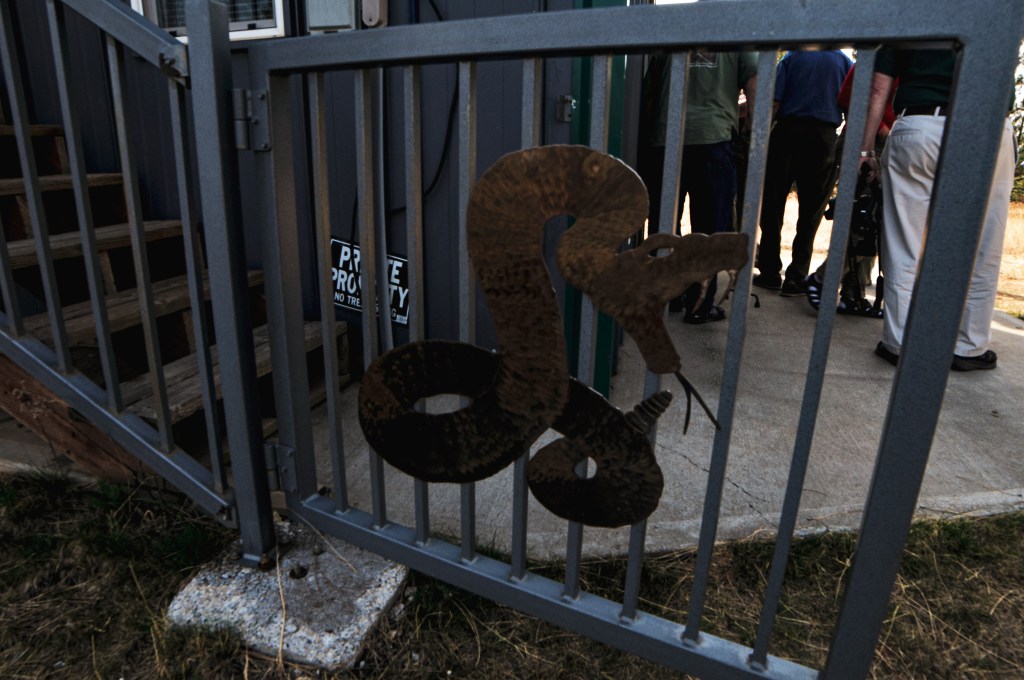
From HWY-3, heading south-bound now, we turned right onto Flora Lane. We only stayed on this road for 1-1/2 miles before reaching the junction with Courtney Butte Lane. Flora Lane continues to the right to reach the Community of Flora. While, Courtney Butte Lane is straight on and will take you all the way to the ranch. The road turned to gravel here and became a dusty show with the caravan. We stayed on this road for around 5 miles before reaching the fire lookout. We only had to pause briefly to open and close the gate. I assume this was to make sure no cattle escaped during our visit. We all parked in a line near the tower and got out to start exploring the area. I started by walking around the tower to take pictures. The owners were there to give us a brief presentation on their lookout and what they’ve done with it. The railing had some custom designs on it, one of which was a rattlesnake. The owner said they had that made, not only because it was rattlesnake country, but because one of their dogs was bit by one twice while here. The tower had some add-ons to convert it into a more live-able space for guests and it looked like it was kept in great condition. The cab still had its Osborne fire finder and stand. While walking around on the catwalk, we ran into the fire lookout attendant that staffs Spodue Mountain L.O. on the Fremont-Winema NF. She asked if we had been at the conference the whole time and we told her that we had. I mentioned that we had met her counter part, Sharon, earlier this summer on Calimus Butte. The only reason we hadn’t made it over to Spodue Mountain during that trip was because we thought it was still apart of the fire closure area. She mentioned that she vaguely remembered Sharon talking about our visit.

After taking some more pictures on the catwalk and in the cab, they gathered the group on the stairs to take a few pictures with everyone. I took some more pictures at the base for good measure and we eventually felt like we had our fill of Courtney Butte. We decided to pull out a map of the area while we waited for people to start leaving. The closest option if we wanted to visit another fire lookout before dinner was Red Hill. Kirkland Butte was also very close to there and would be a good second option if we had enough time. We unfortunately were boxed in by the caravan of cars and had to wait for them to move. Most people weren’t heading on to another lookout after this, so there was no sense of urgency to leave. This was our own fault though for not trying to park in a better spot for leaving early. Some of the other cars started leaving, but we had to wait for almost all of them because we had been near the end. Finally, the last car in front of us was getting ready to leave and we were free to continue on to Red Hill.

History.

In 1955, a 3-story enclosed ODF cab was built on the site of Courtney Butte. Prior to that, in the early 1950s, it was used for fire observation and the Ground Observer Corps station. It was regularly used by the ODF during emergencies into the early 2000s. The current owner mentioned that the ODF will still occasionally send someone up during thunderstorms. I am unsure when it changed hands to a private owner, but they have since modified and added to it for over-night stays. It’s not listed for public rental, but they let their friends and family stay in it. They seemed open to visitors as long as you get prior permission.

Lookout Mountain L.O.

Oregon Lookouts

Location.

Umatilla National Forest

Status.

Active; Currently standing

Estimated drive time from Portland, OR.

6 hours

Date visited.

September 16, 2022

Elevation.

5,229′

National Historic Lookout Register.

US 604; OR 105

Trip Report.

We headed down Whiskey Creek Road from Tope Creek L.O. towards HWY-82. Instead of turning back the way we came on Jim Town Road, we stayed on Whiskey Creek Road to meet up with HWY-82 in Wallowa. The directions we had for Howard Butte L.O. were part of a loop driving tour the FFLA Western Conference was planning on hosting Sunday. This meant we would be coming from the opposite direction mentioned which really only mattered for where the turn off would be along HWY-82. Once we made the turn-off the directions would be the same. We were also not going to be able to stay all day Sunday for this part of the lookout tours, so it was nice that we had time to see some others while here. We turned right onto Yarrington Road which was around 6 miles outside of Minam. The directions said it turned into county road 49 after 3 miles, but it seemed like we just stayed on the same road for roughly 12 miles. This road dropped down to cross the Grande Ronde River over a bridge and met up with Moses Creek Lane that took us to Palmer Junction. At Palmer Junction, there is a paved road that leads off to the left while the gravel continues off to the right. We kept right to stay on the gravel. As we were continuing on the gravel the road forked, this wasn’t mentioned in the directions but it looked like the fork to the right lead to a private residence. The left fork headed up which is typically a good sign when trying to reach a fire lookout and we continued in that direction. The last note on the directions mentioned that there should be a road that heads up the side of the butte to the lookout after 5 to 5-1/2 miles. It didn’t mention what side the road would be on or how far up from the road it would be. That made us assume it would be an obvious junction. After a while of driving, we realized it was getting late and that we wouldn’t make it back in time for the dinner. We also got the sneaking suspicion we were on the wrong road. We stopped after seeing a road marked with a Forest Service road number. Howard Butte is on state land and wouldn’t be marked as such. We decided to re-orient ourselves on a map.

The map we had confirmed our suspicion, we were pretty far off track for getting to Howard Butte L.O. now. We should have forked to the right to head down and across the Grande Ronde River again instead of heading up. We were kicking ourselves for not having the map open while trying to navigate. We had a few options now. The first was to scrap the plan and try to head back to make the dinner at the VFW post. Though it would be unlikely that we would make it back in time. The second was to back track to the correct turn and still try to get to Howard Butte. The third option was to continue further into the forest to reach Lookout Mountain and possibly Hoodoo Ridge too. We had gone far enough off track that we were fairly close to Lookout Mountain now. We figured we could try to stop somewhere, like Terminal Gravity Brewing, in town for dinner with the two latter options. We both agreed Lookout Mountain was the more appealing option and we’d be back in the area to visit Howard Butte some other time.

We continued on what was now NF-6231 with our new objective in mind. We stayed on this road until we reached a large four way junction with NF-62 and turned right. The map we had pulled out was the recreational forest map instead of our usual ranger district map. This showed Lookout Mountain being located right off NF-62 and we figured we’d be able to see it from the road. This wasn’t the case, but I luckily saw a gated road with a “no parking” sign posted on it as the road we were on started to head down. We stopped in the nearest pull out and walked back to check it out. Upon closer inspection, there was also a Covid-19 warning sign posted from when all the fire lookouts were closed to public access. We knew we had found the right road and started walking. This is NF-370 if you have a more detailed map, but I didn’t see any sign for it while there. The gate is recessed from the road as well so it could be easy to miss if you’re not paying attention.

It was already late in the day, much later than we normally would visit a fire lookout. Especially, one that we know is actively staffed. It’s better etiquette to visit between the hours of 9AM and 5PM like you would a business. A reminder that this is their personal space and home for the season. We walked up with that in mind and the intention of only getting pictures of the tower from the ground. The lookout attendant was on the ground working out with a punching bag when we walked up. We gave him his space while we took some pictures and looked at the view. He eventually noticed us and we gave him a wave. He stopped what he was doing and walked over to us to chat. He said he saw us when we first walked up but assumed we were just hunters until he noticed the lack of guns and my camera. He offered to let us climb the tower and take a look around. We told him we didn’t want to impose, but he said it was no problem. This would be the tallest tower I’ve made it to the top of with no issues to date. We talked with him for a while about his background and experience as a lookout. The sun was starting to set and we didn’t want to bother him for too long. We thanked him for his time and headed back to the car.

Before we had left he mentioned the easiest way out was to head back down NF-62 and follow it out until we saw signs for Elign. We followed his direction and turned at the signs for Elign which landed us back at Palmer Junction. This was confusing to us since he said that we’d eventually meet pavement. We also didn’t want to go back the way we came since the road wasn’t great and it was already dark. I thought maybe he meant the paved road that lead out of Palmer Junction, but it only lead us to a dead end at the fish hatchery. We continued back on the gravel road we came from and decided to stay on Moses Creek Lane instead of crossing the Grand Ronde River. This turned out to be the right call as we soon found the pavement and were able to follow it out to Elign. Side note: I would recommend starting in Elign and taking this route to get to Lookout Mountain, it’s low-clearance compatible too. The unfortunate part was Elign is over 50 miles from Wallowa Lake State Park and we still needed to figure out dinner. We realized quickly most places were going to be closed by the time we reached Enterprise. We figured our only option would be to stop at a bar that was open later or head back to camp for the food we already had with us. We cased a few bars as we drove back but none struck our fancy. Eventually, we were too tired to even want to order and wait for food anywhere. We surrendered to the fact that we had plenty of food in camp and had a sad dinner of snacks when we finally got back after 10PM.

Lookout Matt

Matt has been a lookout attendant on Lookout Mountain for 14 seasons. He is from Montana and currently resides in the Billings area during the off-season. He used to live in Portland, Oregon and professionally ice-skated for a while. He also used to staff Bear Mountain L.O. in Idaho that required roughly 8 miles one-way of hiking to reach. He was struck by lightning once while staffing Bear Mountain. He said he had his elbow on the refrigerator when the tower was struck. It sent a bolt from his elbow down through his leg. No scars or major injury, but it did knock the wind out of him. He said a good way to tell a fire lookout has been more recently struck by lightning is to look at the copper wires. If they look shiny and brand new, they were most-likely recently stripped by a lightning strike. If he could staff any fire lookout, he would choose Mineral Peak near Missoula, Montana since it holds a lot of sentimental value and is where he grew up visiting lookouts.

History.

Lookout Mountain was first established with a 60′ round timber tower and enclosed observation cab in 1935. The existing L-4 cab with 87′ treated timber tower replaced this in 1948. A few sources list this as an 82′ tower, but there were two Lookout Mountains in this area at one time. One was 87′ and the other was 82′, I believe the latter was the height of the one that has since been removed. This lookout was actively staffed until 2001 when it sustained damage during a strong wind storm. It was deemed un-safe to staff upon inspection and the lookout on duty was moved to High Ridge L.O. while repairs were completed. Repairs and remodeling were made in 2004. A crane was used to lower the cab from the tower to make the work easier. It received a new roof, wider catwalk, new hand rail, and door during this update. The tower also received work on the cross braces, stair treads, and lightning protection system. It is now actively staffed every season again.

2022 FFLA Western Regional Conference

Oregon Lookouts

Location.

VFW Post – Enterprise, OR

Date(s).

September 16-18, 2022

About the FFLA.

The FFLA stands for Forest Fire Lookout Association and was founded in 1990 by a small gathering of enthusiasts. It has since grown to over 1,400 members across multiple local chapters within the states. Its main goal is to help spread awareness and advocate for the protection, restoration, and maintenance of historical fire lookouts. This is accomplished through grants, donations, and the partnership of volunteers, local public groups, and government agencies such as the Forest Service.

Trip Report.

It has been two years since the last FFLA conference was held due to the Pandemic and six years since it has been in Oregon. I wasn’t a member nor was I even aware of the Forest Fire Lookout Association at that time. I didn’t even visit my first fire lookout until 2017 (post). This particular conference was also important since it would be the first with their new chairman. I originally wasn’t going to go due to prior plans for that weekend, but things changed and I decided to commit to going by myself. I was a bit nervous since I would not know anyone there and would likely be younger than most. I also had no background in Forestry or fire lookouts to offer besides the fact that I found them interesting and wanted to be more involved. My partner was going to be out of town on his annual week-long camping trip with his dad. I was relieved when he decided to change around his plans a bit to meet me there. I have no problem traveling on my own or visiting places alone, but the social interactions are what made me the most nervous. My partner could talk for hours about fire lookouts and their history. He also has a better memory for it than I do. I didn’t have confidence that my own knowledge and interest would hold on its own.

This year the conference was being held in Enterprise, Oregon. My partner would be driving separately from their camp in the Ochoco NF to meet me at the Wallowa Lake State Park. And I would be heading over from Portland mid-day Thursday. It is roughly a 5-1/2 hour drive from Portland to Enterprise and closer to 6 hours to Wallowa Lake State Park. As the conference drew near, we were both contemplating whether we should still go or if it would even still happen. The Double Creek Fire had recently taken off and was currently burning at 155,297 acres with 15% containment (source). There were also the smaller Nebo, Sturgill, and Goat Mountain Two Fires burning in the nearby Eagle Cap Wilderness. These were all coming together to cause poor air quality and heavy smoke for the area. Normally, these conditions would cause us to look for other plans. The FFLA didn’t seem too concerned though based on their updates and posts. The state park also had no notices or cautionary warnings about the fires. We figured if they cancelled our reservations that would be the final sign for us not to go. The cancellation never came and the air quality started improving by the day. We ultimately decided to go since the conference probably wouldn’t be held in Oregon for another few years. And it might be our only chance to meet some of these people in person. The weekend forecast called for rain and potential thunderstorms. I was hopeful the rain would be enough to dampen the smoke and that the thunderstorms would be minimal. I ended up working a lot later than expected on Thursday and didn’t make it to our camp until after 9PM.

Friday.

We woke up extra early to give us enough time to make breakfast and head over for check-in around 8:30AM. I was worried about being there late, but we ended up getting there fairly early. We noticed they had muffins, fruit, and coffee set out for the members to enjoy (something that would have saved us some time this morning if we had known beforehand). I was thankful for the coffee since I didn’t have time to percolate any in camp. We found some seats and nervously waited for the conference to start. Bob Bonstead, the head of Friends of Blue Mountains Lookouts, was hosting the conference this year. I had e-mailed him earlier this summer looking for potential volunteer opportunities, but I was a bit too late to be apart of their planned work parties for the season. He started the conference by a short presentation and introduction to our new FFLA chairman, Brad Ells. We also individually introduced ourselves with a short description on where we were from and our background in fire lookouts. It was fun, and a bit weird, to finally match faces to well-known names in the community. I’ve read so much about some of these people I felt like I already knew them. Like I said, weird. After our introductions, the presentations began for the morning and were as followed.

Welcome/FFLA State of Affairs.

Ray Kresek’s Fire Lookout Museum.

Cougar Pass L.O. & Commercial/Residential Pole Lookout Construction.

Pilchuck Restoration Lessons Learned.

During one of the breaks between presentations, I overheard someone asking the check-in if someone named Garnet was here. He was in the bathroom at the time, but I stopped to see how or why they might be looking for my partner. The person who had asked was the lookout relief, Bob LaFrance, for Desolation Peak and Table Mountain. He had heard about my partner through his group chat. My partner had visited Mt. Ireland L.O. the day before to help break up his drive to the area. He had met the lookout attendant, Warren, and his wife currently on duty. They apparently bonded about their interest in fire lookouts and talked for hours. Warren enjoyed it so much that he mentioned him in the group chat and Bob wanted to meet him too. Garnet eventually came back and I waved him down. They talked for a while, but we had to sit back down for a few more presentations. When the conference stopped to take a break for lunch they talked a bit more and exchanged numbers. It was too bad since Bob had to leave to be back on duty, otherwise we would’ve tried to get to know him more. After lunch the conference hosts lookout tours in the area starting at 1:30PM and then a dinner at 6:30PM. We had brought a lunch with us but needed to make a quick stop at the store, gas station, and decided to head back to camp to swap cars. This made us late for the tour caravan. We still managed to see two fire lookouts that evening though, one of which lead us to completely missing the taco dinner that night.

Tope Creek L.O.

Lookout Mountain L.O.

Saturday.

We continued our theme of being late this morning. We had decided to sleep in a bit since we knew there would be some food provided for breakfast this time, but we still had a hard time sticking to the schedule. We came in and quietly stood in the back while the former chairman gave a speech about the projections for the association. There were more people here today and less available chairs. Eventually, someone kindly waved us over between presentations and made room for us to sit the remainder of the time. The presentations for the day were as followed with a break in between.

FFLA Past & Future.

Hat Point L.O. and the Battle Creek Fire.

Piecing Together Olympic Fire Lookout Stories.

AI Software for AlertWildfire Camera System.

Geocaching Lookout Challenge.

Bootleg Fire Forest Management Differences.

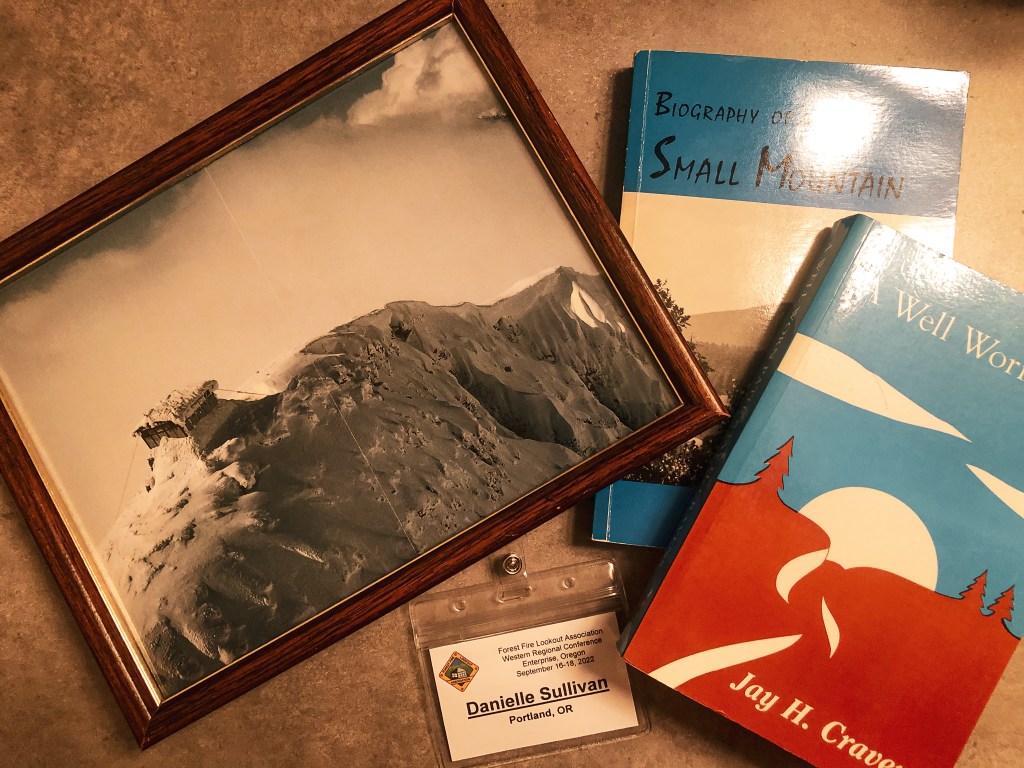
Afterwards, we took an hour break for lunch before meeting back up for another lookout tour. We brought our lunch and stayed at the post to avoid being late again, besides making a quick run to refuel. A few other members stayed behind to eat their lunches as well. We had the pleasure of mainly talking and eating lunch with Leslie Romer, the author of Lost Fire Lookout Hikes and Histories: Olympic Peninsula and Willapa Hills. It’s always interesting to hear about someone’s background and what brought them to the fire lookout community. We checked out some of the items up for silent auction and by then it was time to head out for the tour. We followed the caravan to the lookout we’d be touring for the evening. There was potential for everyone to visit Elk Mountain which is private as well, but the rancher didn’t want any vehicles with a catalytic converter driving through the tall grass. This eliminated almost every vehicle there. We decided to make a stop over at another lookout on the way back. We would’ve tried for a third, but we didn’t want to miss out on another dinner. We were still a few minutes late, but made it in time to eat Pizza and hear some of the final presentations. The night ended with the conclusion of the silent auction. I won my bids on a framed snowy picture of Swiftcurrent L.O. in Glacier NP and two books, Biography of a Small Mountain by Donna Ashworth and A Well Worn Path by Jay H. Cravens. Garnet won his bid on the book How High the Bounty by Jessie Louetta Wright, but was out bid on a shirt.

Courtney Butte L.O.

Red Hill L.O.

Sunday.

The conference was hosting an all day tour to multiple fire lookouts in the area. Unfortunately, we had to drive home and didn’t have time to partake in this portion. They had plans to visit Hoodoo Ridge, Lookout Mountain, High Ridge, and Howard Butte. They also offered directions for additional fire lookouts in the area and alternative loop options if you wanted to make your own self-guided tours. We debated making a stop over at High Ridge L.O. on our way home, but we ultimately decided it was too much with the drive if we wanted to make it home at a relatively decent hour. It also started raining before we left which was another deterrent but a good sign for the wildfires.

My Thoughts.

Things Learned.

I learned quite a few different things during the conference that I found interesting. The first was that the white conduits you find in trees near existing or former fire lookouts that were used to string the telephone lines are from 1913 to 1929. The newer ones from 1929 to present are brown to help blend in with the environment. I also learned that it’s best to use an oil-based alkyd paint when refinishing a lookout, otherwise moisture can get trapped in the wood and create rot. The Rhino tool used by most fire crews now was invented by the FMO in the Umatilla NF, Gordon Reinhart, in the 1970s. The copper wiring on a Fire Lookout will look new when it’s been recently struck by lightning. And, unfortunately, the Double Creek fire currently burning in the Willowa-Whitman NF is the largest in that particular forests history.

Observations.

There were two main weaknesses that I noticed the FFLA is facing right now. One is younger members and youth community outreach and the other is our societies reliance on technology, social media, and camera surveillance systems. A few members tried to bring up the topic and ideas to generate interest for younger members, but each time it seemed to be dismissed with a general response and no follow up. As some of the youngest people in the room it was a bit disappointing. I am sure it is a concern to the board members, but they seemed unsure on how to handle it. It’s a hard truth to face, but the association needs younger members to keep it alive. The second issue is a bit more complex. The presentation on the AlertWildfire Camera Systems was very informative and sparked a debate about lookouts versus cameras. I strongly agree that a fire lookout staffing a tower is more effective than just a camera, but trying to fight technology is a losing battle. Cameras will continue to be built and are here to stay, but I think there should be an attempt to change the narrative. Instead of us versus them, it should be viewed as an added tool and resource to fire lookouts. I understand that in some cases, like most of the ODF towers in Oregon, this has replaced people’s jobs. But, as the presentation showed camera detection is not accurate and can mistake clouds for smoke. It also showed that those staffing a fire lookout can have blind spots that could be spotted by cameras. Technology doesn’t always have to be the enemy. I know that’s easier said than done, especially working with government agencies that are already under funded and under staffed. Technology is also a helpful tool in reaching a younger generation that has grown up with it and heavily relies on it for information.
If you are interested in learning more about the FFLA or becoming a member, you can visit their website.

Tope Creek L.O.

Oregon Lookouts

Location.
Wallowa County; Private property

Status.

Maintained; Currently standing

Estimated drive time from Portland, OR.

6 hours

Date visited.

September 16, 2022

Elevation.

4,720′

National Historic Lookout Register.

US 222; OR 28

Trip Report.

The Friday lookout tour hosted by the FFLA Western Conference was to Tope Creek. This lookout is located on private property and requires prior permission by the land owner to visit. We were expected to meet back at the VFW Post after our lunch break at 1:30PM to start the caravan to the property. Garnet and I had headed back to our camp at the Wallowa Lake State Park during the break to swap our vehicle. We had made the decision to drive my Civic to the conference in the morning with the intention of carpooling with someone. But, after a lack of hands raised for those with available seats to carpool, it seemed easier to drive ourselves. Garnet was borrowing his mom’s HR-V for the week which has better clearance. This decision ultimately put us behind schedule and we didn’t get back to the post until 1:45PM. There were still some vehicles parked here, so we got out to check if they had already left. I asked someone in the building and they confirmed what we had thought. We were both stressed since this wasn’t a good start and we didn’t want to miss out on the opportunity to visit this one. A member had also previously warned that if you’re not willing to drive fast on gravel roads you would be left behind. Luckily, they had printed out directions on how to get there, so we started in that direction with the hope that everyone would still be there.

From Enterprise, we headed west on HWY-82 towards Wallowa and Lostine. We turned right onto Baker Road which is around 4 miles outside of Lostine and can be distinguished by the Wolff Ranch sign. We followed this road until we came to a T-junction with Jim Town Road. There were no road signs here, but you will want to take a left. This brought us to another un-signed T-junction with Whiskey Creek Road. We took a right and stayed on this road until we reached the first house off to the right. The house had a distinguishable bright blue metal roof. We turned right on the road immediately next to it and hoped we were on the right track. We followed this road for a little over 7-1/2 miles until we saw a two-toned blue metal rod marking a road off to the left. We turned and followed this road until we reached a hand-carved W sign. You will want to bear right here to reach the property. The roads getting here were mostly passenger vehicle friendly until we turned onto the road at the blue metal rod. It had some looser sharp rocks on this section of road that gave someone else a flat tire.
We were the last to arrive, but were relieved to see everyone still there exploring the property. I walked around to take some pictures and we signed up to get in line to climb the tower. The structure was a bit rough around the edges and they only wanted 4 people climbing it at a time. Once it was our turn, Garnet headed for the top. I made it to the third landing before I got a bit squeamish of the height. Forrest had passed me on his way down and he said it only got steeper from there, which didn’t help my confidence. I started up towards the fourth landing, but decided I didn’t need to freak myself out and headed back down. I find the 100′ towers that taper towards the top are the ones I have the most trouble climbing. These are typically the Aermotor or L-6 designs. I walked around the property to take some pictures of the sculptures and talked briefly with a few other members while I waited for Garnet to descend. Brain Wizard, who owns the property, is an eccentric artist and author. He lives on the property year round as a survivalist and was snowed in for 120 days last winter. We talked to him briefly while we were waiting for our turn to climb the tower. He mentioned he used to do terrorist surveillance and intel. Some of his work can be viewed on his website. It seems he is open to visitors with prior permission, but I would be wary of visiting without a group. He made a slight off-handed comment directed at me during our visit.

As everyone was getting ready to leave, we decided to look at possibly visiting another Fire Lookout in the area before dinner. This was a benefit to driving ourselves. The VFW Post was hosting a taco night for the conference, but it wasn’t until 6:30PM. This meant we had a little over two hours to kill. Howard Butte L.O. looked the closest on the map, so we headed in that direction next.

Pictures of Tope Creek cab courtesy of my partner.

History.

Tope Creek was built in 1936 as a 103′ timber tower with L-6 cab by the US Forest Service. The cab is listed as 7’x7′ on some sites, but noted as 8’x8′ on the NHLR. I found similar inconsistencies in the listed height from 100′ to 103′. I am unsure which dimensions are accurate. The 14’x18′ one-room ground house, used for the living quarters, was not added until 1938. Ownership was later transferred to the Oregon Department of Forestry and was staffed into the 1970s. It was eventually classified as surplus and sold to a private owner, Zella Guyness, during a state auction in 1978. The tower is still maintained by the current private owner, Brian Wizard.