Salmon-Huckleberry Wilderness; Mount Hood National Forest
Status.
Maintained by volunteers; Currently standing
Estimated drive time from Portland, OR.
1-1/2 hours
Date visited.
November 9, 2019
Elevation.
5, 045′
National Historic Lookout Register.
US 521; OR 102
Trip Report.
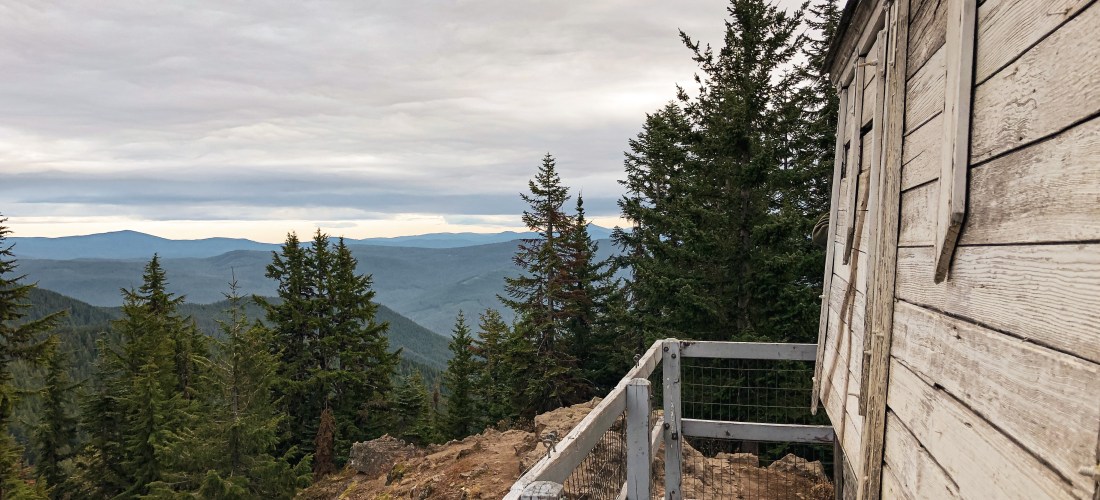
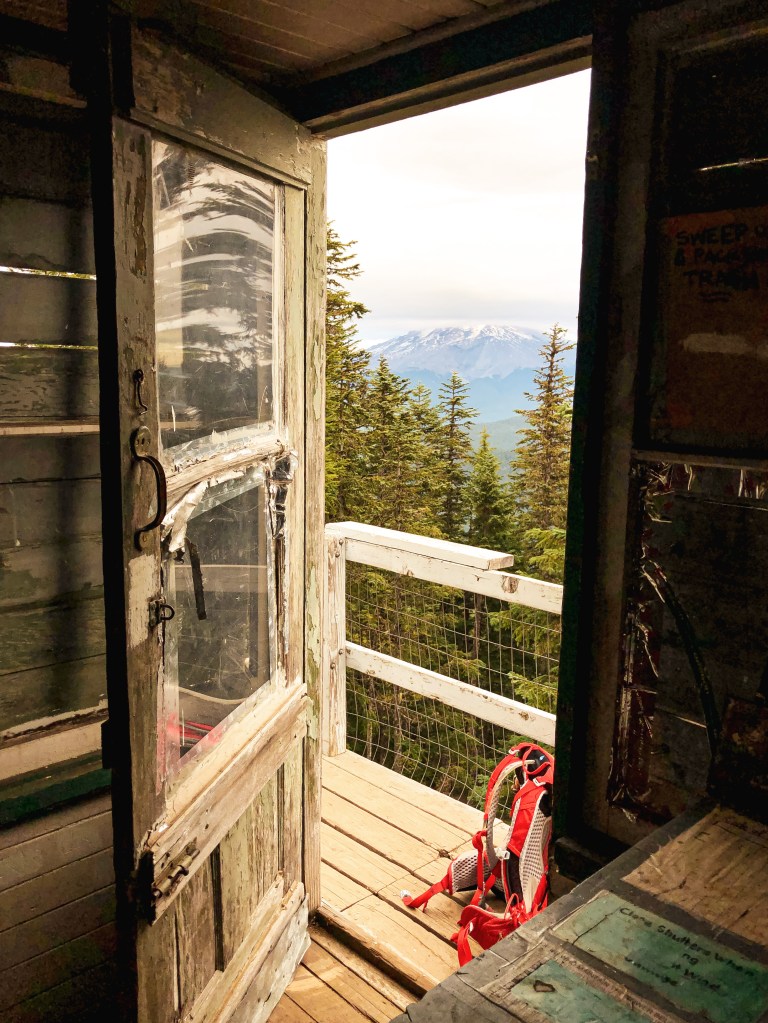
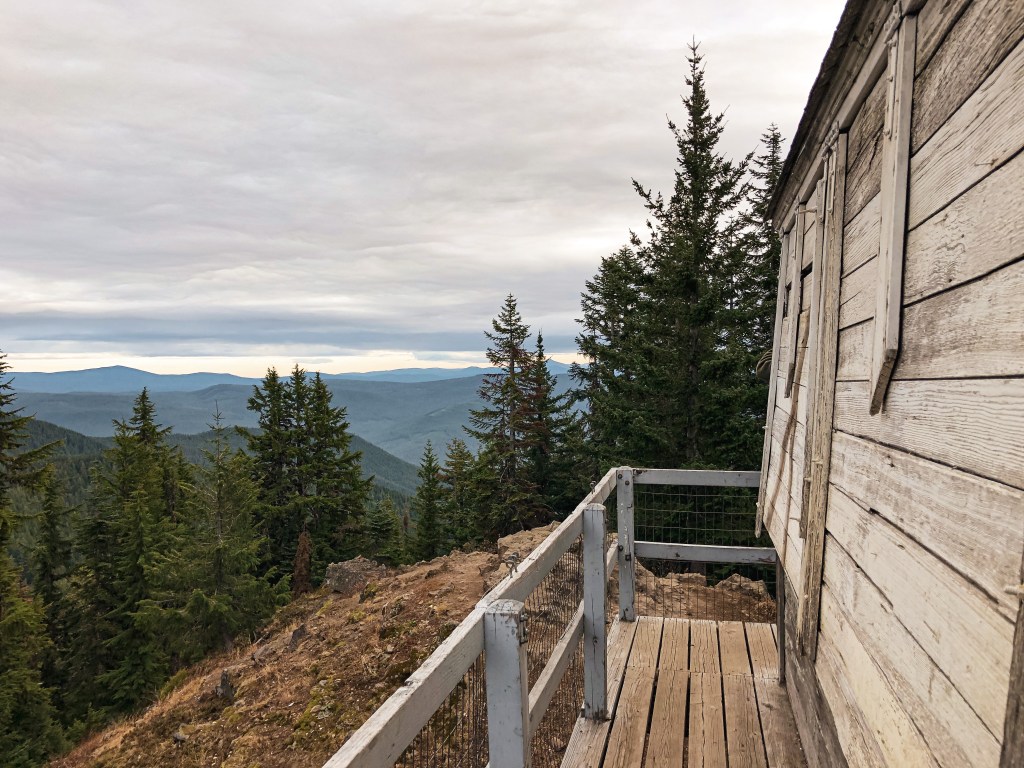
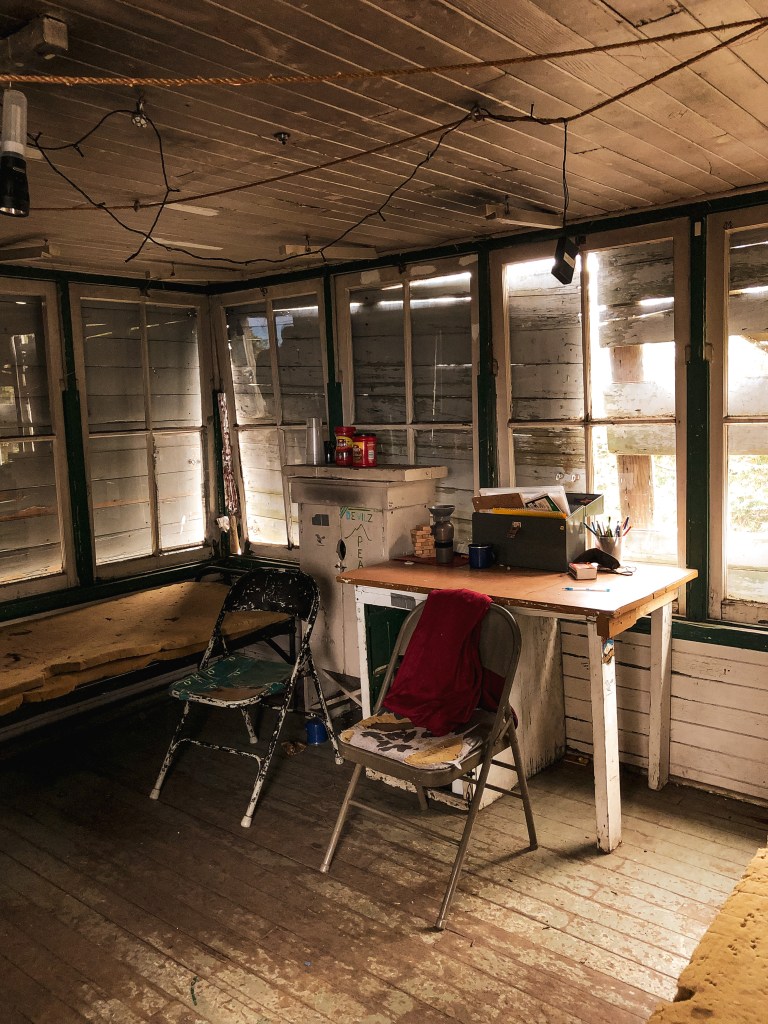
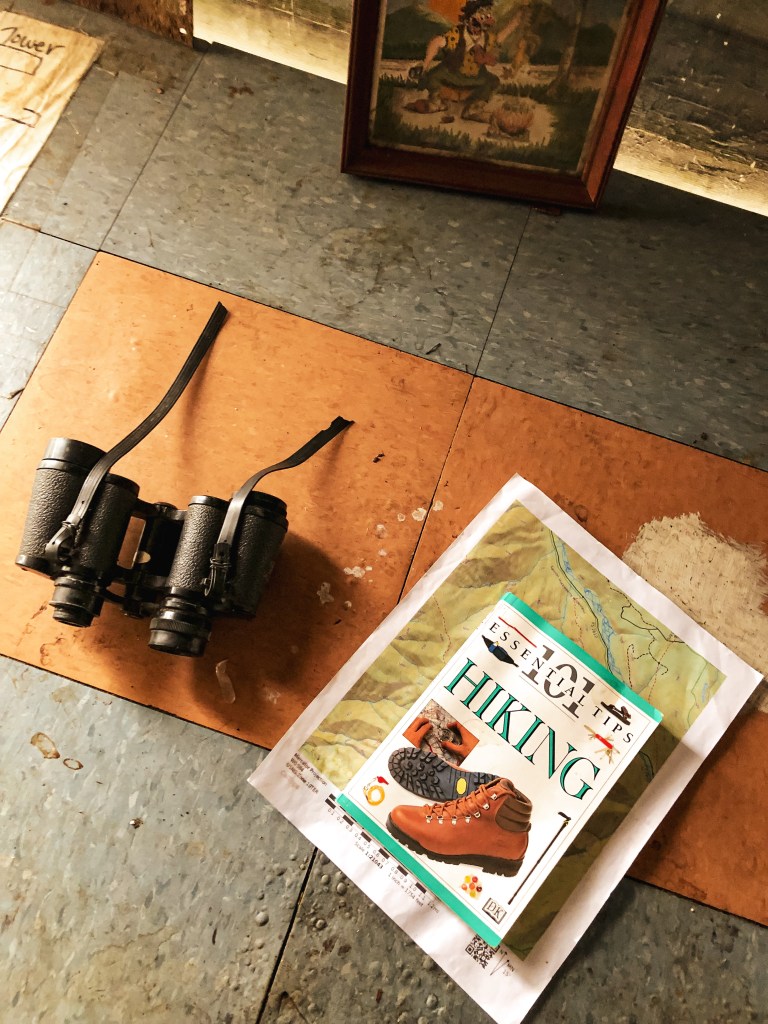
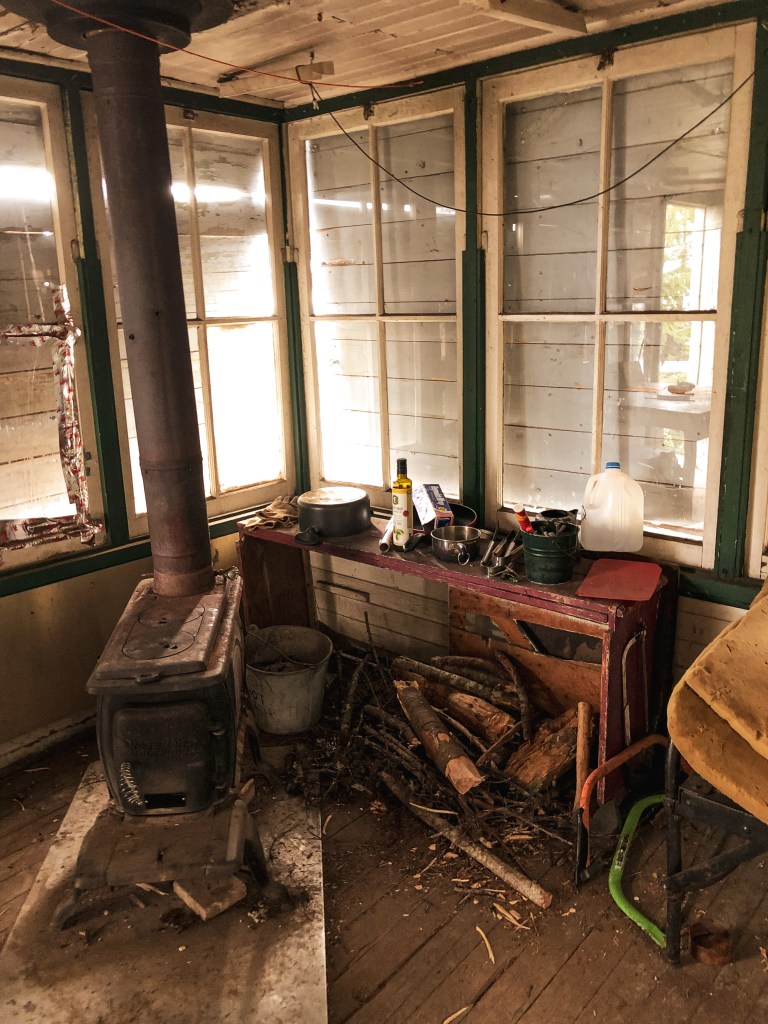
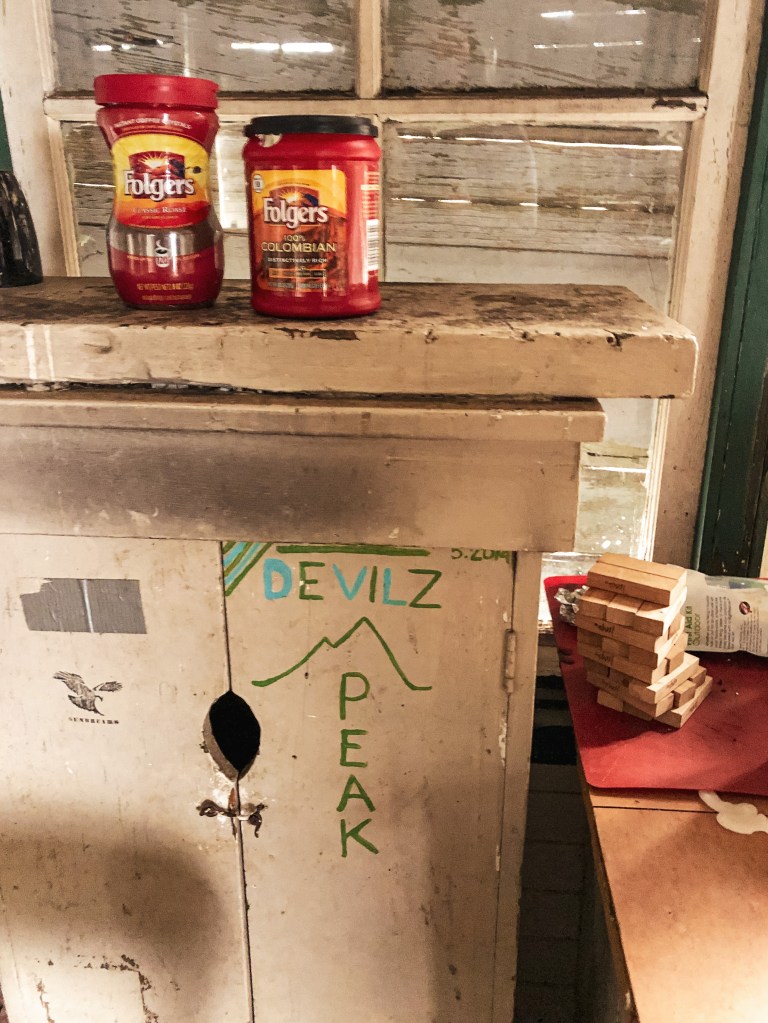
My partner and I decided to do Devil’s Peak L.O. as a day hike via Cool Creek Trail #794. There are other access trails to this lookout but this one seemed to be the most direct. And by most direct I mean very steep. It was like the Stairmaster of hikes. For 3.5 miles you are essentially walking straight up and when you think you’re close you will continue to hike up. It climbs a grueling 3,200 feet of elevation in those few miles. The trail starts off of NF-2612 which is also marked as Still Creek Road. It is paved most of the way until the last 1/2 mile where it turns to maintained gravel. The trailhead is just a pullout along the one lane road and can be missed if you’re not looking for the sign. We didn’t see anyone else our whole hike up to the lookout. We had a quick lunch at the summit as we explored the inside. It was a cloudy November day and we were rapidly losing sunlight. As we raced down the trail we passed another couple on their way to the summit. We were surprised to see someone else heading up so late. They only had day packs as well so we knew they weren’t staying the night. Most of our hike down was in blue hour and by the last mile we had our head lamps out. We didn’t reach my Civic until it was already dark out. The other couple came down shortly after us with their own set of head lamps. Off season hiking always becomes a race against the sun.
History.
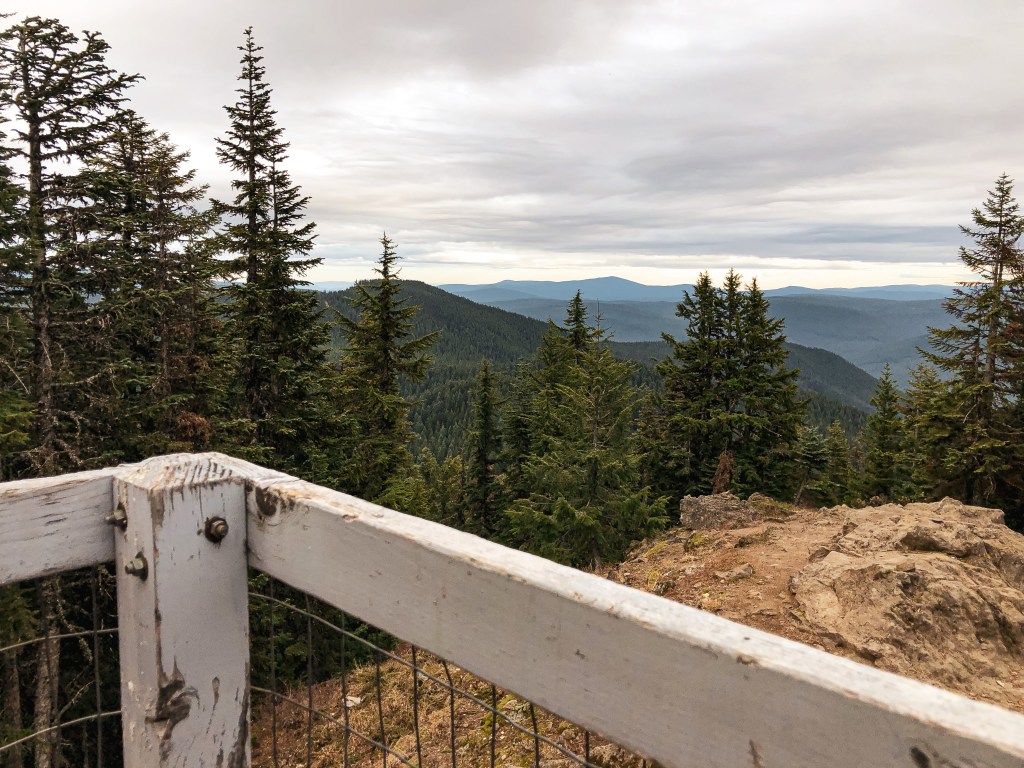
Devil’s Peak L.O. was originally built in 1924 and decommissioned in 1964. It is an 8′ tower with an L-4 cab and listed on the National Historic Lookout Register. The lookout is maintained by volunteers and they have kept it in great condition. The entire structure is open to the public and you can even stay in it on a first-come first-serve basis. I really want to do this sometime but the thought of lugging a heavy backpack up this trail is less appealing. There is no water source up there either, so not only do you have to carry your standard gear but water as well. You still get views of Mt Hood and the surrounding peaks but since it hasn’t been active in years the trees are slowly obstructing the tower’s views.
This was another early morning hike where I met up with a friend from out of town. They were driving from Coos Bay and we were planning on spending the weekend in Bend after completing this hike. We met at Black Butte Ranch which is just down the highway from the Forest Service road you need to take to get to the trailhead. We decided to take their Subaru due to the AllTrails reviews of the road. The NF-1110 to the trailhead is rough but doable. I did see a few sedans up there. You can access the trail from Camp Sherman if you don’t want to make the trek up the “treacherous” road according to an AllTrails review. I did not attempt this road with my Civic. A Northwest Forest Pass is required for parking.
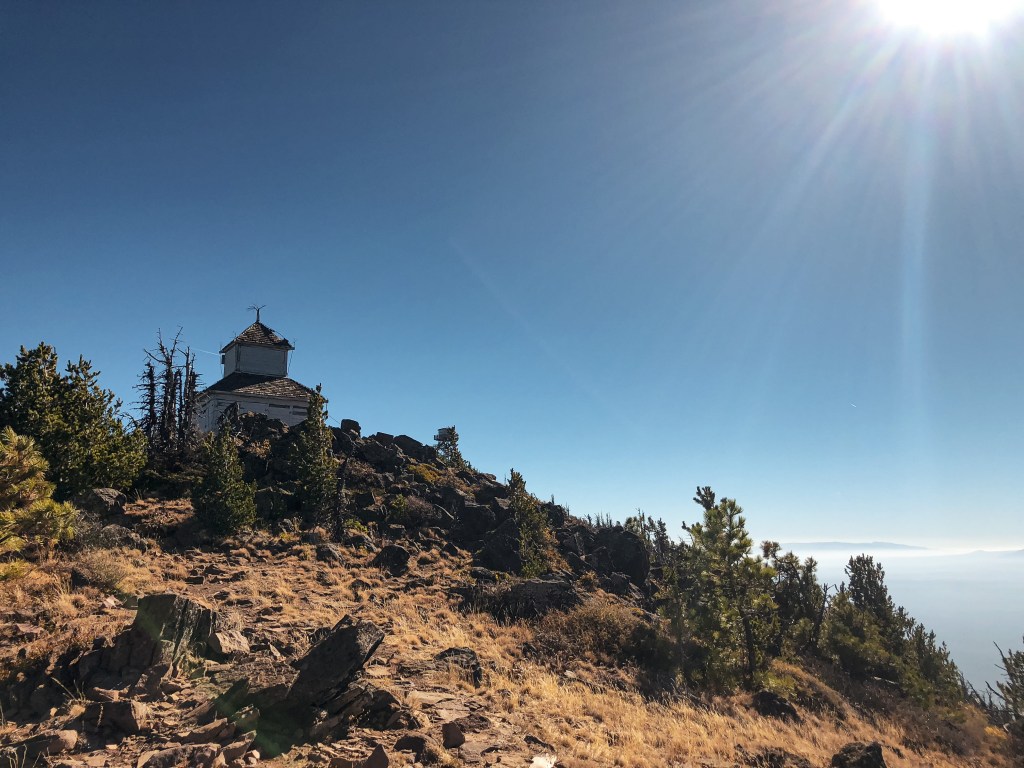
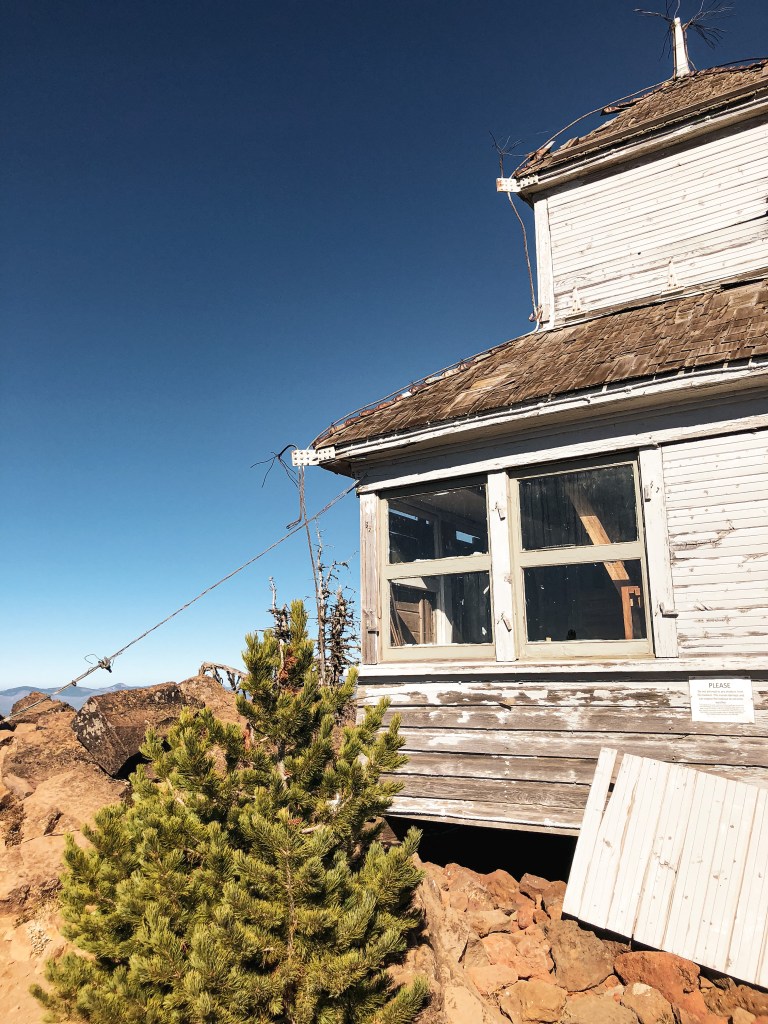
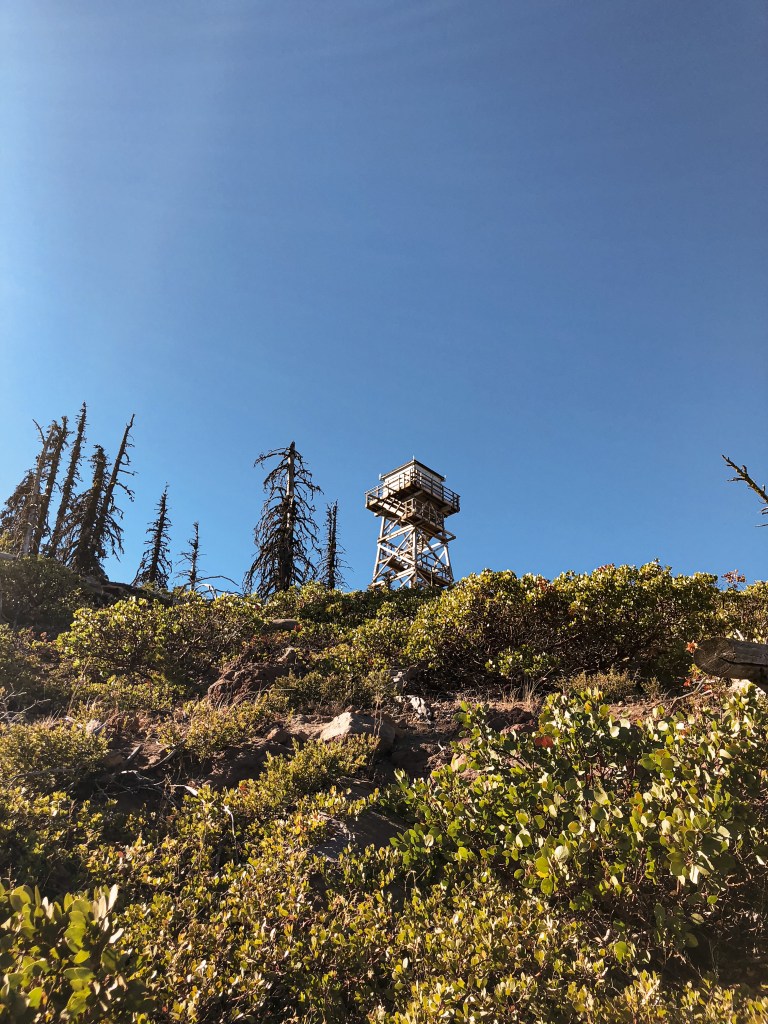
The hike itself was just shy of 2 miles one way and gained 1,538 feet of elevation. It will definitely get your blood pumping before you reach the top. The trail is rocky and exposed which makes the sun beat down much hotter than normal. Once on top you can check out the old D-6 cupola that use to be the main lookout. You can also see the taller lookout that is actively staffed, but you are not supposed to go within a few feet of it. There are posted signs due to the popularity of this hike. However, from the ground you can still see Mt. Jefferson, the Three Sisters, Mt. Saint Helens, Mt. Hood and beyond. From recent pictures and reviews on AllTrails, there seems to be an added platform with noted mountains and peaks. It also looks like they have made some repairs to the cupola and updated the staircase. These were not here when I visited in 2018.
History.
Black Butte became the first lookout site in the Deschutes NF in 1910 when two tree lookouts were built. They were replaced in 1919 by a platform lookout supported by the trunks of four trees. In 1922 an Aladdin D-6 Cupola was built. The D-6 was the first standardized lookout style for the Forest Service in the Pacific Northwest. The design was meant to simplify the construction of fire lookouts, requiring just few people, minimal tools, and simple diagrams. In 1934, the CCC built a 83′ tower with a 7’x7′ L-6 cab to increase visibility from the original cupola. This structure was used as the active lookout until 1993 when it was condemned due to unsafe conditions. The cupola again served as the lookout until the current 65′ lookout with 10’x10′ cab was completed in 1996. The condemned lookout collapsed during a heavy winter storm in December 2001. You can still see the 1922 D-6 Cupola and the 1996 structure on this hike.
Bull of the Woods Wilderness; Mount Hood National Forest
Status.
Burned in Bull Complex Fire; September 6, 2021
Estimated drive time from Portland, OR.
1-1/2 hours
Date visited.
September 23, 2018
Elevation.
5,520′
National Historic Lookout Register.
US 200; OR 26
Incident Management Team officials confirmed last night that the Bull of the Woods Lookout located within the Bull of the Woods Wilderness was lost due to fire activity yesterday. This lookout was listed on the National Register of Historic Places and frequently visited by those who enjoy the history and background of Fire Lookouts. “We acknowledge that losing this historic Lookout is a loss that will be felt by many in the area and beyond,” said Rick Connell, Incident Commander of NR Team 4.
Over the past several weeks as the fire moved towards the historic Lookout, several actions had been taken by firefighters to protect it. Plans to wrap the Lookout in structure wrap material were made several times but had to be cancelled due to dangerous conditions to firefighter safety and the unavailability of trained personnel. Working on dangerously high and structurally compromised materials in a remote wilderness location to wrap a structure requires firefighters who are specifically trained for that type of work. If a person falls from a high surface without appropriate fall protection training and equipment the consequences could be severe. The extremely steep terrain on all sides of the Lookout’s location also creates dangerous wildfire conditions where fire can move quickly uphill without warning. The combination of safe forecasted fire behavior conditions and trained personnel needed were never able to converge for structure wrapping. The safety of the public and firefighters is always the highest priority in fire response.
On August 31 a helicopter rappelling fire crew flew to the site and cleared trees and brush around the Lookout to make it more defensible. The crew could not safely remain at the site since it was on steep terrain directly in front of the approaching fire. For the past six days numerous hours of helicopter flight time had been used to drop water to slow the movement towards and intensity of the fire near the lookout. Yesterday, smoke obscured visibility on the north side of the fire and it wasn’t safe to fly aviation in that area.
On September 5 fire activity increased on three slope aspects below the Lookout site. This type of fire behavior is what was concerning for firefighter safety every time the discussion came up about firefighters working at the Lookout site. A smoke inversion and active fire behavior limited visibility for aircraft to safely fly and limited the tactical operations that could be performed for fire suppression. There are no safety zones or roads near the Lookout for firefighters to safely engage in firefighting on the ground. The fire was also making a push and threatening multiple values at risk on other portions of the fire at the same time. It is disappointing to see a historic structure like this Lookout destroyed by fire. However, many photos and stories have been preserved to continue to tell the story of the Bull of the Woods Lookout for years to come
-Mt Hood NF, September 6th 2021
Trip Report.
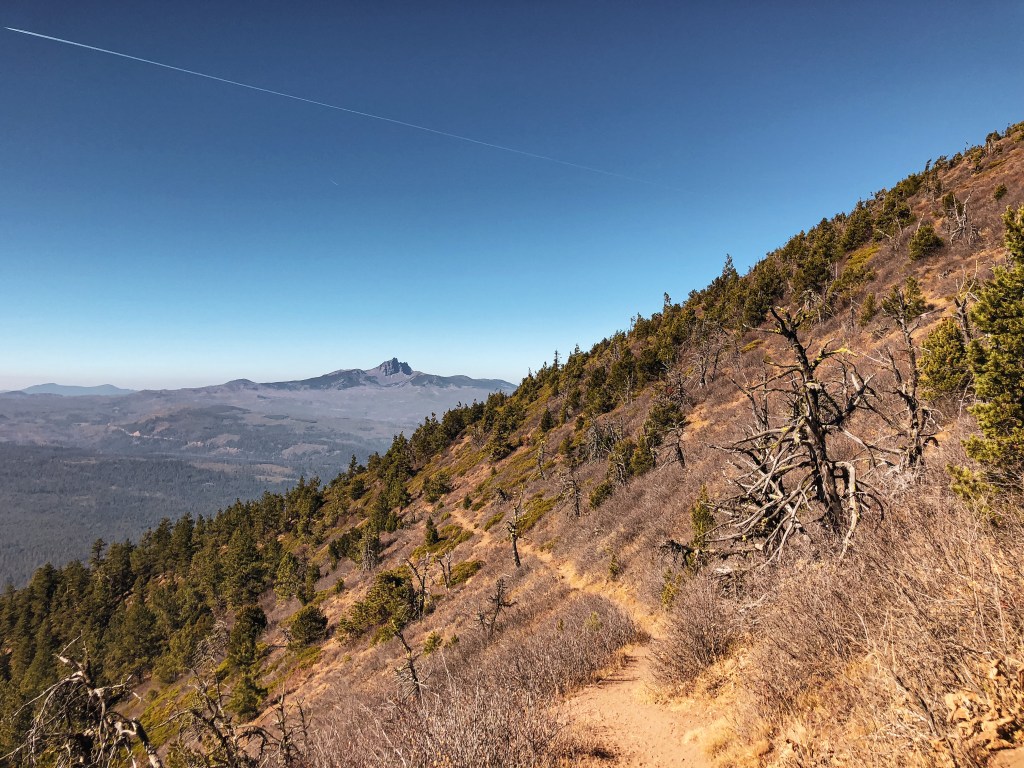
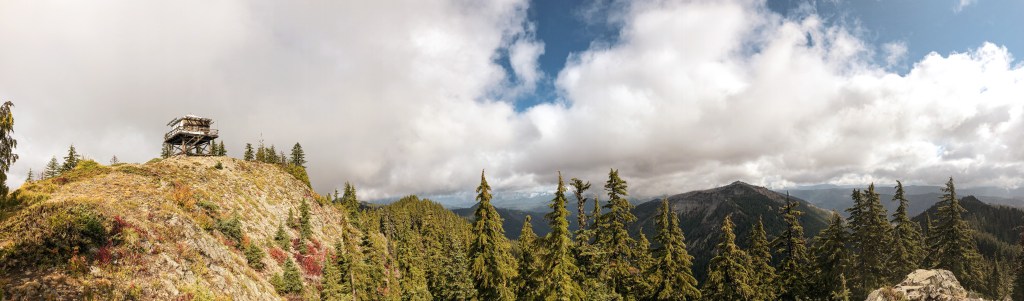
I’m reminiscing about this beautiful fire lookout in the middle of a rugged Oregon wilderness. Unlike most fire lookouts, there are no roads that lead here. Access was via the multiple interlocking trails found in the wilderness. The most direct route, and the one I took to get there, was the Bull of the Woods Trail #550. The trail switchbacks through shady woods until you crest the ridge line. You will gain 1,250 feet of elevation over 3.2 miles. Once you reach the ridge you are exposed to spectacular views as far as Three Sisters, Mount Jefferson, and Three Fingered Jack.
I hiked this trail with one of my good friends back in September 2018. I feel lucky now that we were able to see this when it was still standing. NF-6340 was a decent gravel road up until the end where it was rutted out due to people driving it in wet conditions. But my Civic was able to make it to the trailhead with some careful maneuvering. It was a colder day that felt like the beginning of fall. The understory was still wet from a recent rain and the clouds were rolling over the sun throughout the day. We had the trail to ourselves for the entire hike up and our summit lunch. It wasn’t until we were packing up to leave that we met an older couple and their dog at the summit. They even made a comment about my Civic being at the trailhead and that they were impressed it made it up there.
History.
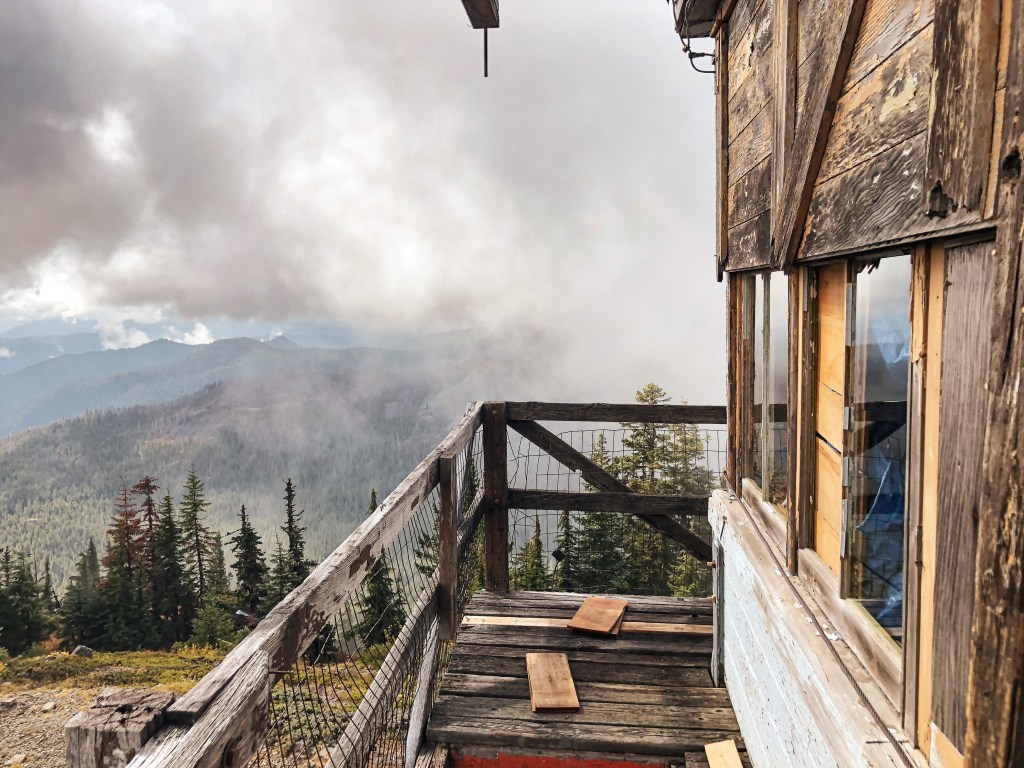
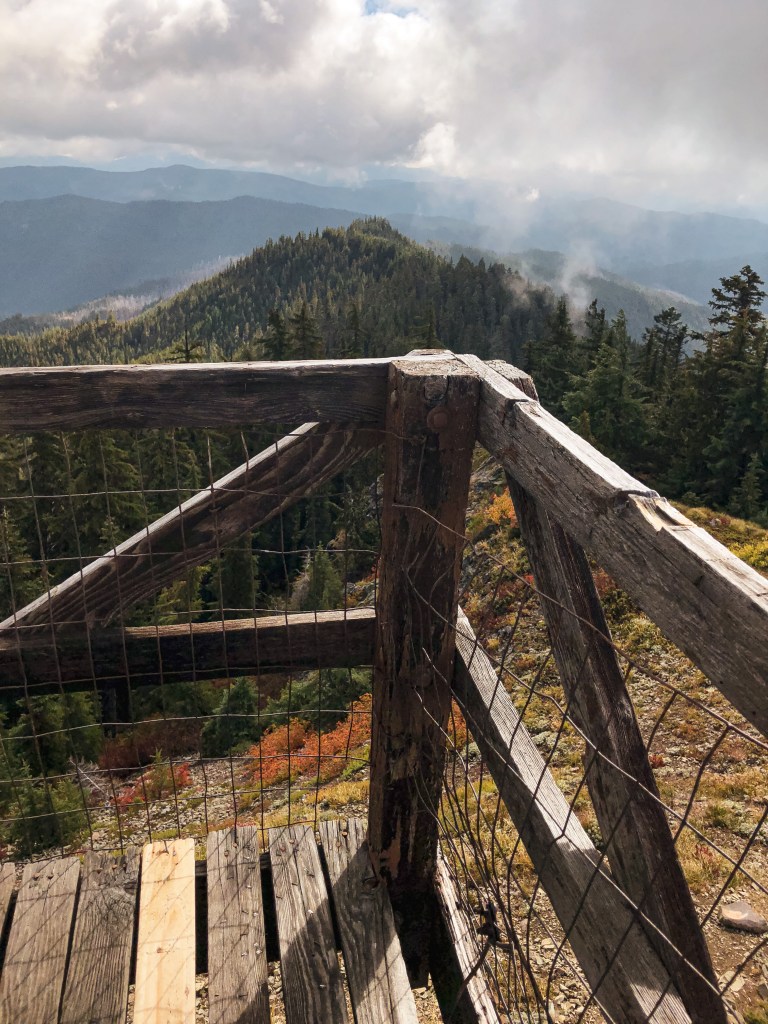
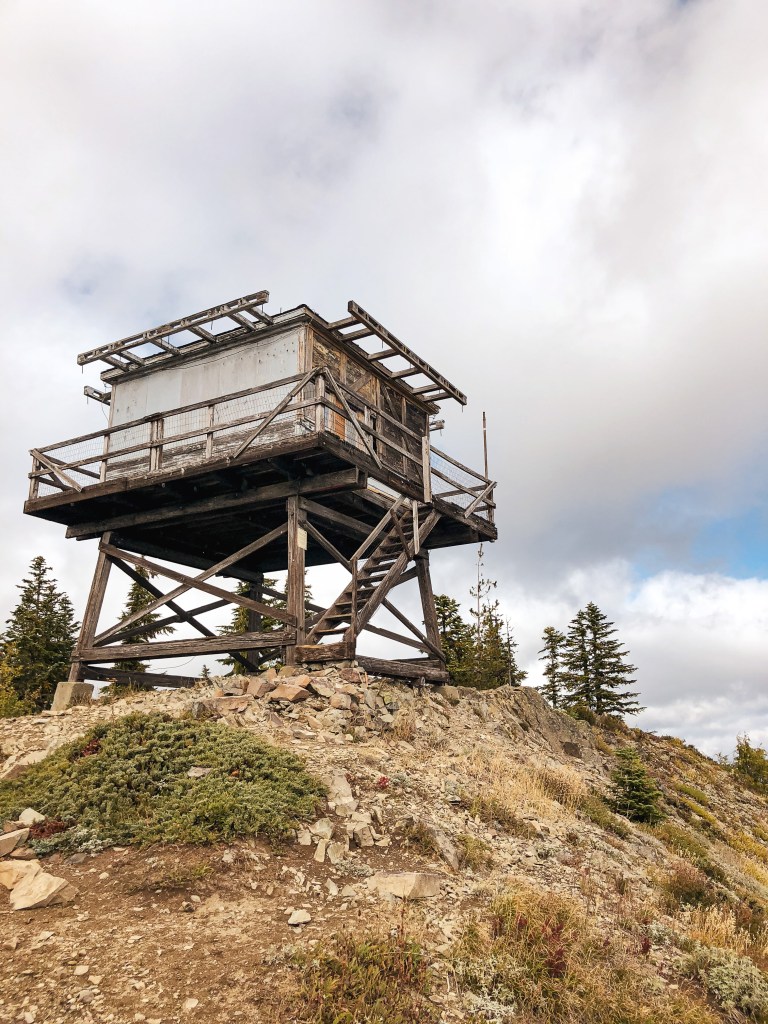
This lookout was an L-4 built in 1942 and regularly used until 1963. The forest service intermittently staffed it in high fire danger until the mid-1980s. In the early 2000s, volunteers with the Sand Mountain Society helped renovate it but it had seen better days. When I visited in 2018 the cabin was shuttered and locked aside from the few boards that were pried off and a broken window. The catwalk was mostly useable but had some broken boards as well. Unfortunately, its structural integrity is a moot point, given that it burned in the 2021 Bull Complex fire. The trail and forest will recover and still make for a great day hike once the area is reopened.
My heart breaks as we lose more of these historic structures every year. All I can do is hope that I get a chance to experience them while they’re still here!















 The Roaming Civic