
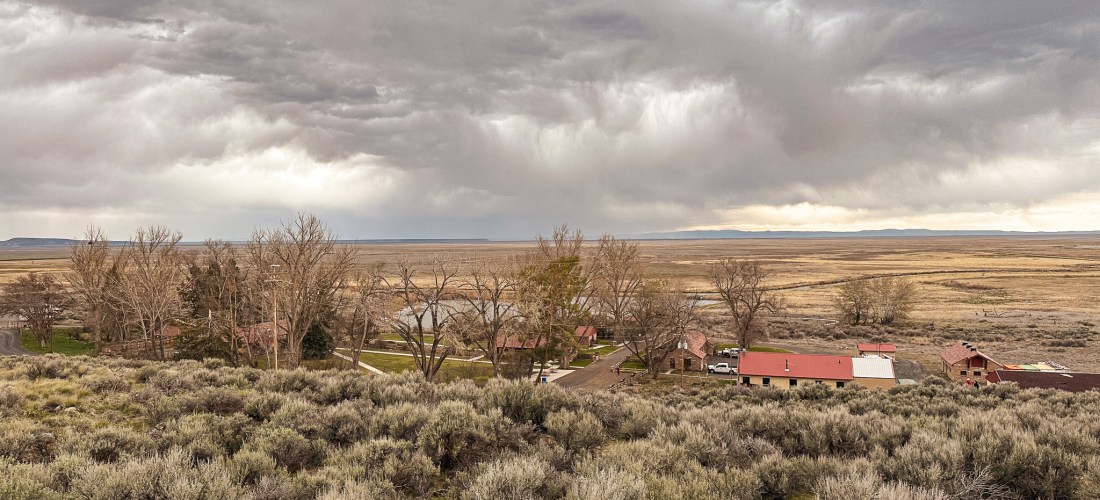
The Malheur National Wildlife Refuge is an important wetland for year round resident birds and wildlife managed by the U.S. Fish and Wildlife Service. It’s also a major stop over for migrating birds along the Pacific Flyway. It is located in the south-eastern portion of Oregon’s high desert and is considered part of the start of the Great Basin. The Refuge was established in 1908 to help protect the migratory bird population and now encompasses over 187,000 acres. Within the boundaries of the Refuge, you will find more than just a plethora of wildlife and resources. There is also a significant amount of history ranging from early Indigenous peoples (Petroglyphs) to the first European settlers of the area (Round Barn, P Ranch, & Sod House).
I decided to spend my birthday camping near the Malheur NWR in hopes of seeing a decent amount of birds and visiting the lookout towers noted in the area. Early April is always a challenging time when trying to locate a place to camp with decent weather. I was robbed again of visiting the Enchanted Valley in the Olympic National Park and almost everywhere in the state was forecast to be wet. I didn’t realize until the morning of our departure that this was the exact same weekend of the Migratory Bird Festival in Burns, OR. We were a bit concerned about not being able to secure a spot at the Page Springs Campground after reading about it. Many birders come to this area in early spring to watch the migrations. One might say they flock to the area, har har. But, we decided to risk it and hoped for the best. It took us around 7 hours from Portland to reach the area. We were lucky to be coming in on a Thursday and were able to find a camp spot, almost all were taken by the end of the day.

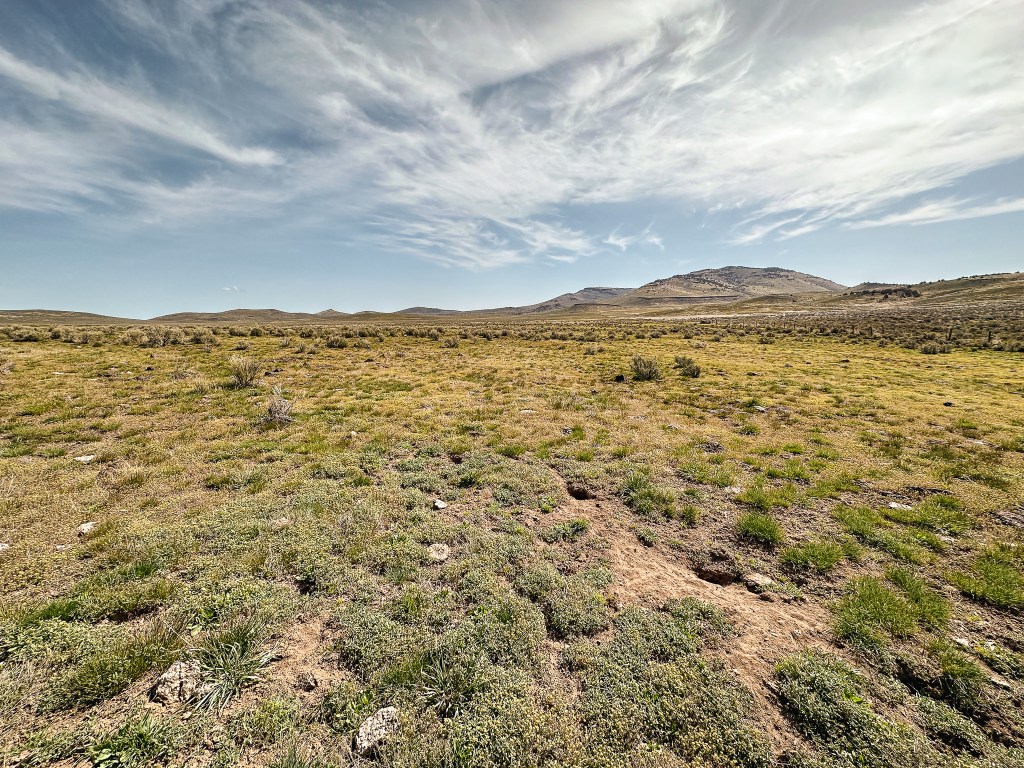
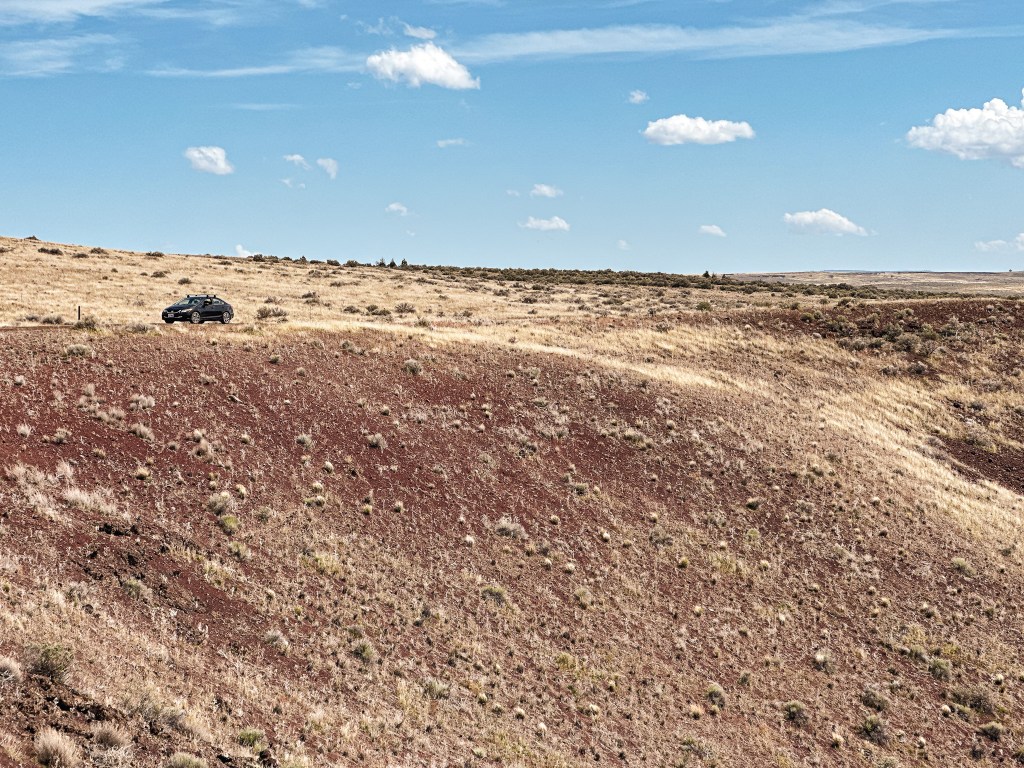
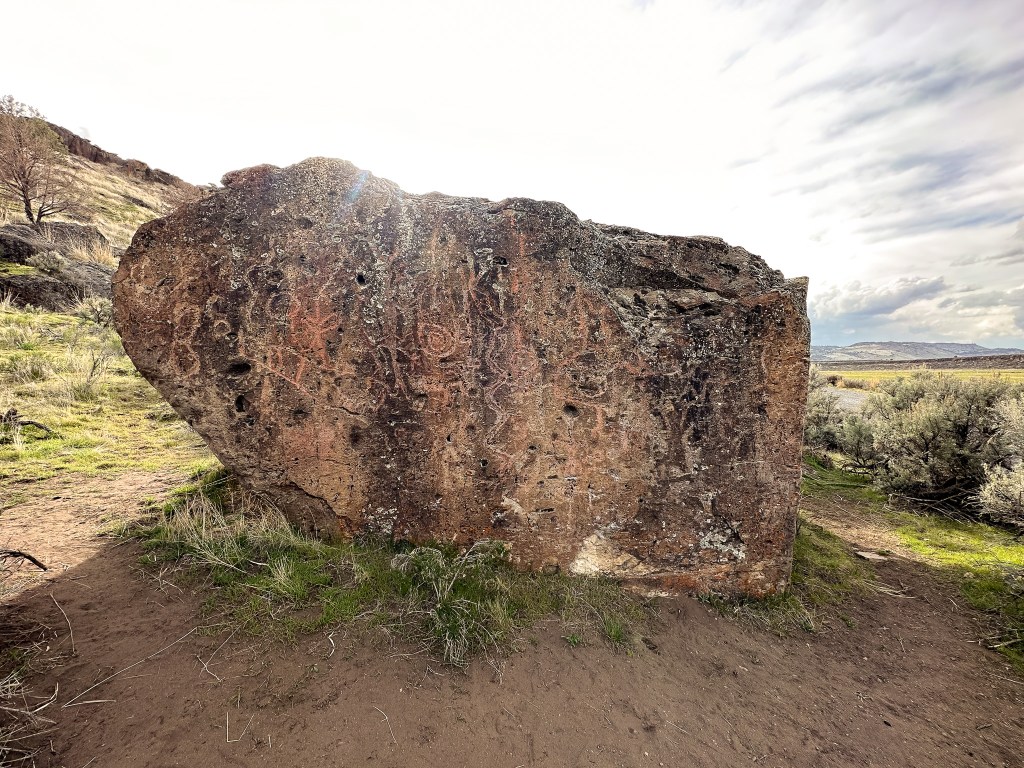
We were able to visit all four of the towers in one full day along with the visitor center and taking the auto tour through the Refuge. Our second day we had hoped to visit Riddle Mountain L.O., but decided not to continue our attempt after meeting a particularly muddy section on the road. Our tire had even sunk in a bit after making an attempt to circumvent it. We knew there was still snow on top from the AlertWildfire camera, but figured it was hikable if we could have driven closer. This one will have to wait for when we know the area will be dry. It was a bit of a disappointment since this one is very isolated to reach and will require its own trip. The trade off was that we now had time to see the Round Barn, the Diamond Craters Outstanding Natural Area, the petroglyphs near Krumbo reservoir, and the old homestead site at Benson Pond. We were pretty lucky on our weather conditions as well. The highs were in the 70s and we got mostly sunny skies during our trip. The forecasted thunderstorms and rain seemed to only roll in during the evening and were usually gone by the morning. Minus our final morning, where we had to pack up everything wet while it rained.

I will preface this list below with the fact that there doesn’t seem to be any confirmed evidence that any of these were used to detect wildfires. I am still going to count them towards my total, but I’m inclined to believe they were built and used primarily for wildlife viewing in the area. Two of them are even listed on the NHLR, but I think that mostly has to do with the fact that they are the same Aermotor design as a fire lookout. I found this interesting since I have gotten some push back on a couple sites I tried to nominate due to not meeting requirements. Everyone has their own qualifications on what they count as a fire lookout. My personal take is that if a structure, of any form, was used in the detection and spotting of wildfires it should still count no matter if it has been relocated or not. If said structure, of any form, is still intact at the original site or standing it should still count as existing. It becomes a former site, in my mind, once the structure has fully collapsed, been removed, or burned down. Take that for what it is, my opinion.
P Ranch.
Date visited.
April 11, 2024; April 12, 2024
National Historic Lookout Register.
US 430; OR 55
About.
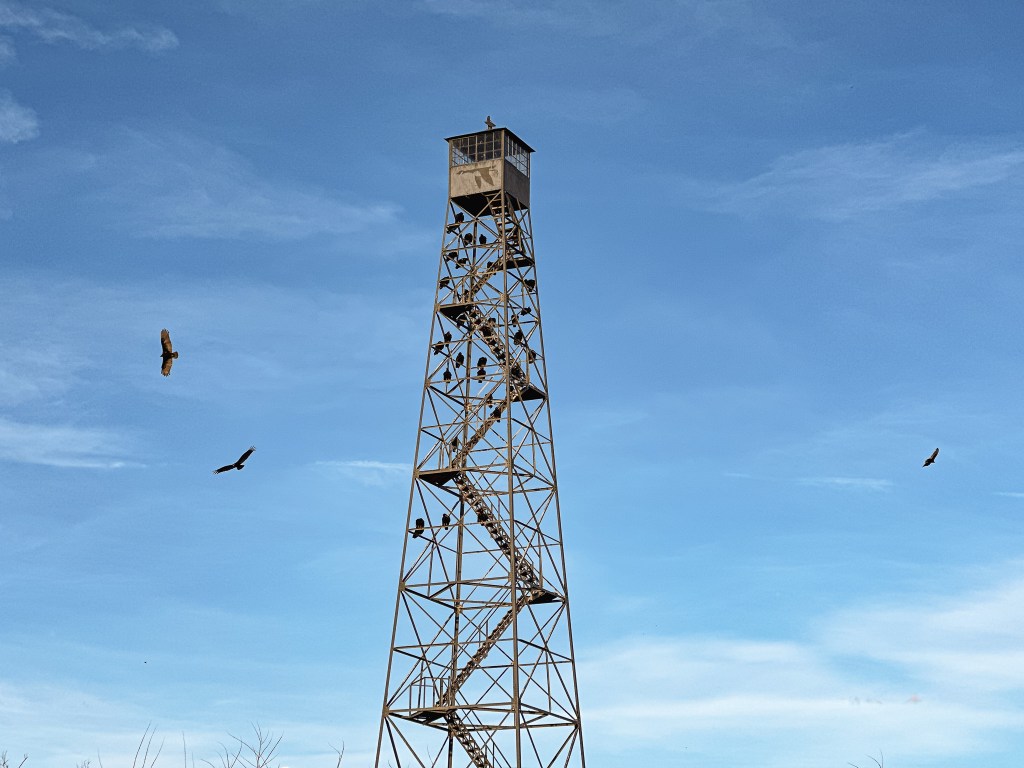
The 72′ Aermotor tower with 7’x7′ cab was built by the CCC in 1933 near the site of the original P Ranch. Most of the ranch buildings were demolished by the CCC during the same time and the main ranch house burned in 1947. In 1935, the site became a part of the adjacent Wildlife Refuge. This tower can be easily accessed from Frenchglen by taking the Steens Mountain Loop road and turning left onto the Center Patrol Road. It’ll be the first left off the Central Patrol Road and can be found by following the signs to P-Ranch. It sticks up high enough though that you will see. The area around the base of the tower is closed due to wildlife, but it can easily be viewed from the road, parking lot, or the Riverview trail. I really enjoyed how the Turkey Vultures used this one to roost at night. This is stop #19 on the Blitzen Valley Auto Tour Route.


Sod House (Headquarters).
Date visited.
April 12, 2024
National Historic Lookout Register.
US 429; OR 54
About.
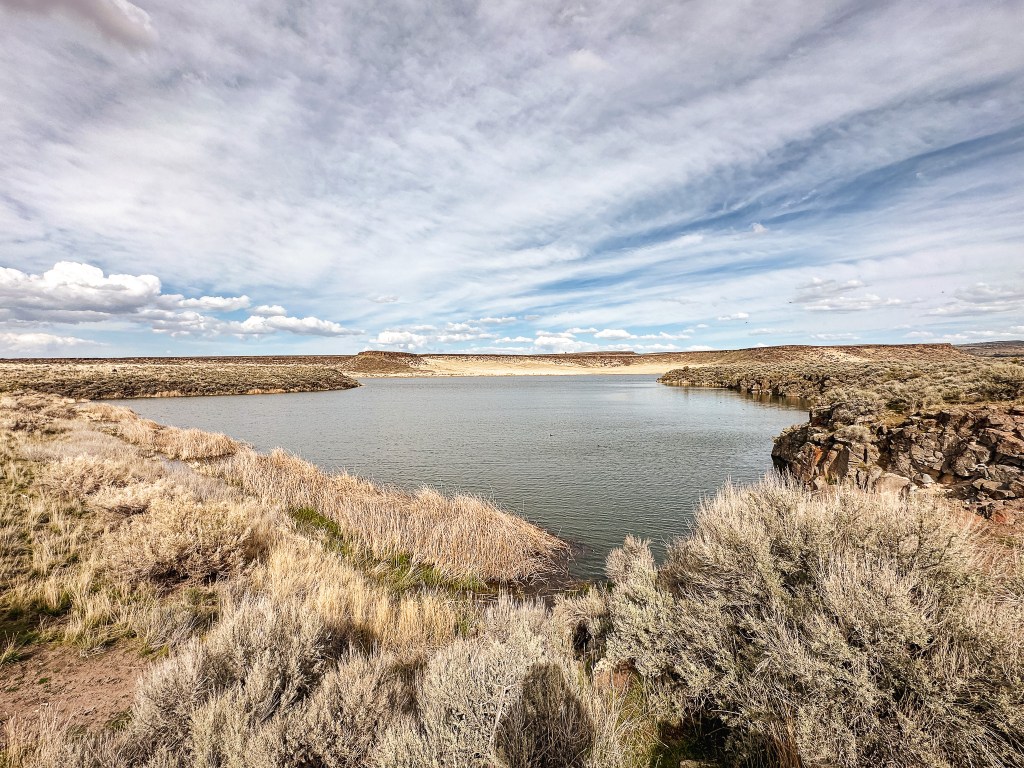
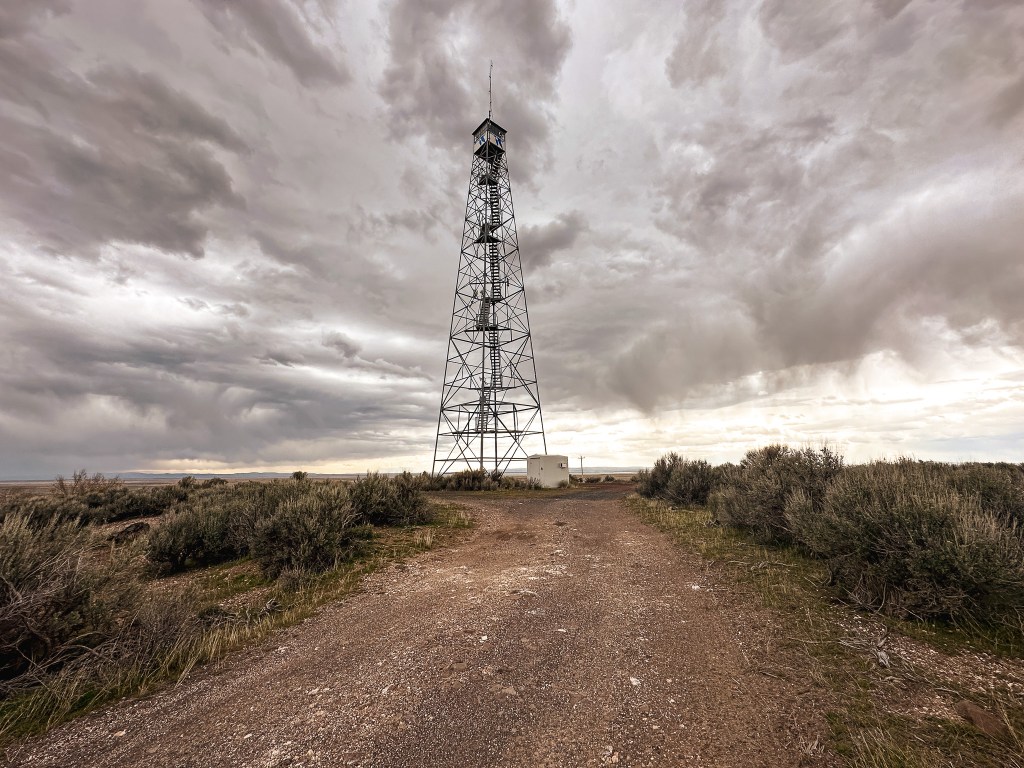
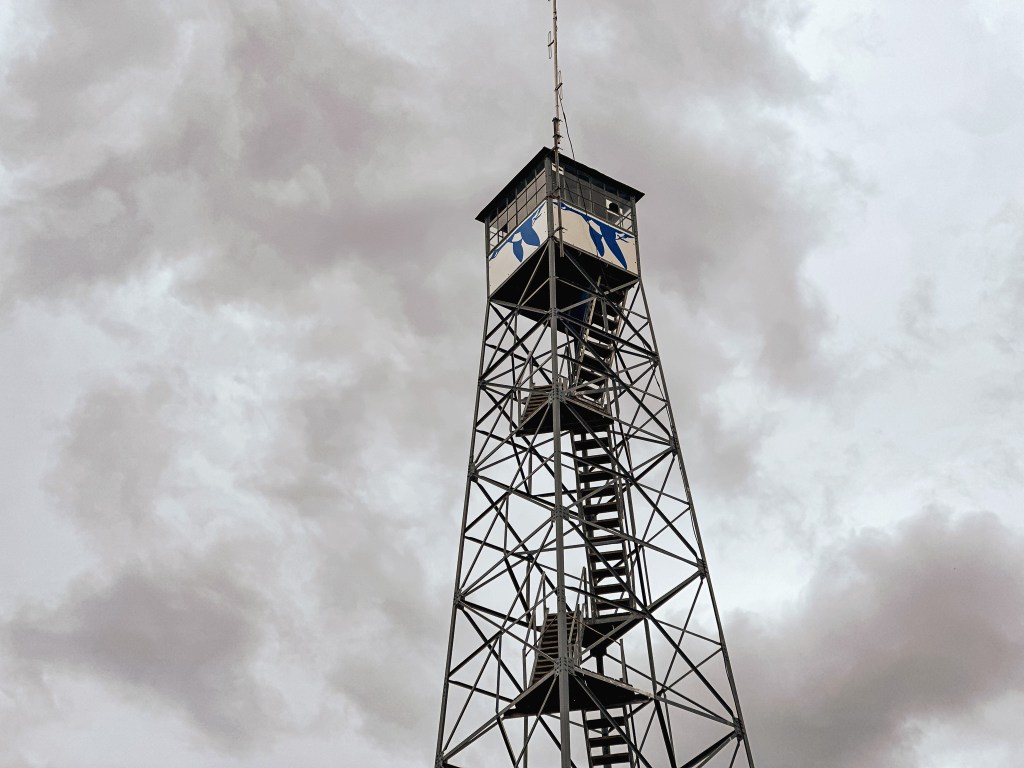
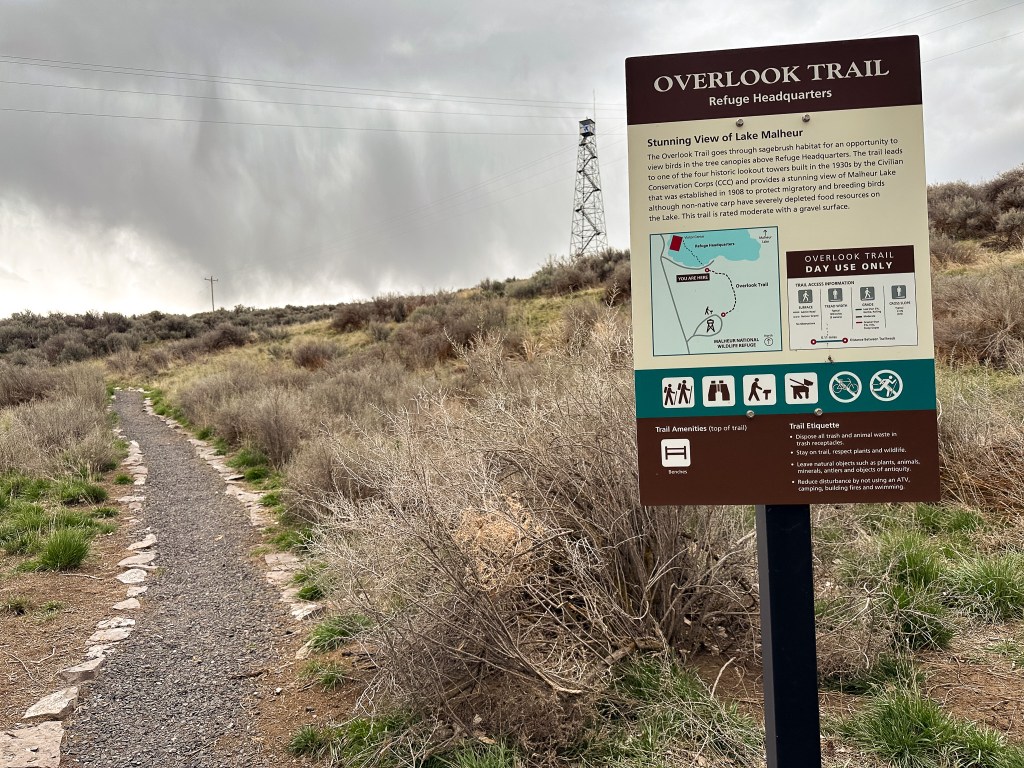
The Aermotor tower with 7’x7′ cab was also built by the CCC in the 1930s. It was most likely completed around the same time as the Refuge headquarters in 1935. I found conflicting information on height varying from 80′ (NHLR) to 90′ (Rex’s Fire Lookout Page) to 99′ (Burns Herald-Times). This tower is easily accessed from HWY-205 by turning on to Sodhouse Lane and following the signs for the Refuge visitor center. You can either drive right up to the base or access it from the short Overlook trail starting at the visitor center. The trail is only 0.11 miles of packed gravel. You can walk up to the base of this tower, but the bottom stairs have been removed to keep visitors from climbing it. The base of the tower offers a nice view out over Malheur Lake and the headquarter grounds below. This is stop #1 on the Blitzen Valley Auto Tour Route.
Stubblefield Butte.
Date visited.
April 12, 2024
National Historic Lookout Register.
Not registered.
About.
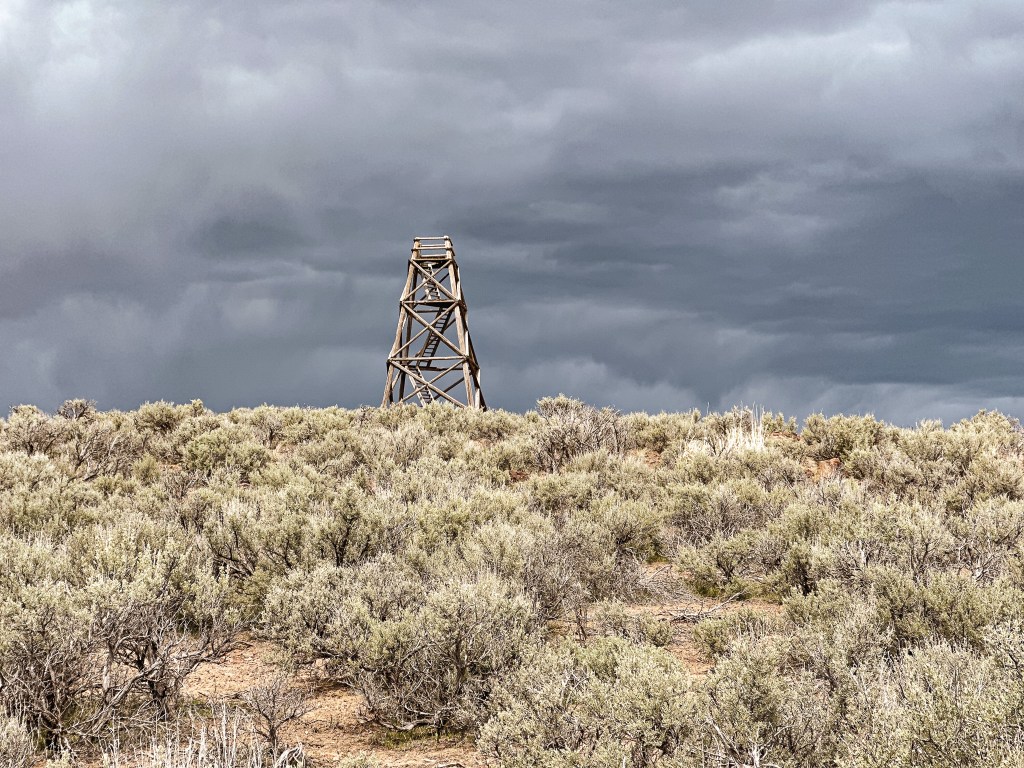
This 50′ tower with wooden platform was built by the CCC in the 1930s. It appears that the main access is from the road along the Stubblefied Canal, but the area has since been closed to the public due to wildlife. It is best viewed from HWY-205, but can be seen from the Center Patrol Road as well. We found the best view was from a small pull out just across the highway from a private residence near Saddle Butte. You might be able to get a closer look from hiking along adjoining BLM land, but make sure to have a decent map. It’s not completely clear on what is private and BLM land beyond the fence line. I recommend a good pair of binoculars for viewing. This tower still has it’s stairs intact due to the limited accessibility.
Rattlesnake.
Date visited.
April 12, 2024
National Historic Lookout Register.
Not registered.
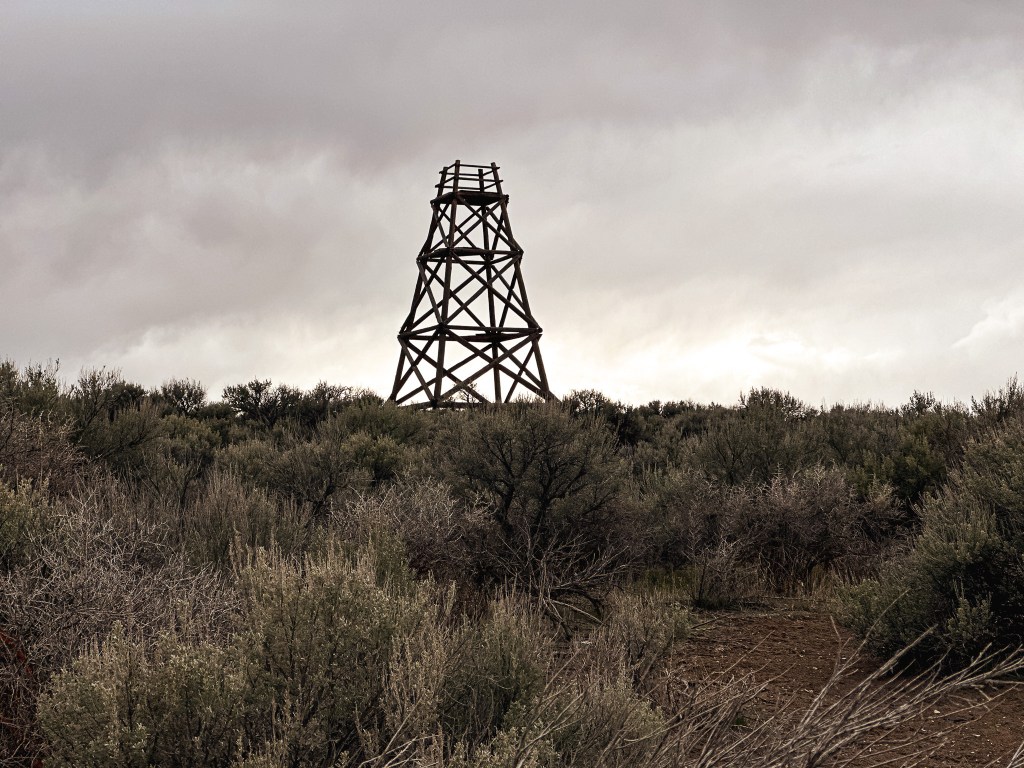
About.
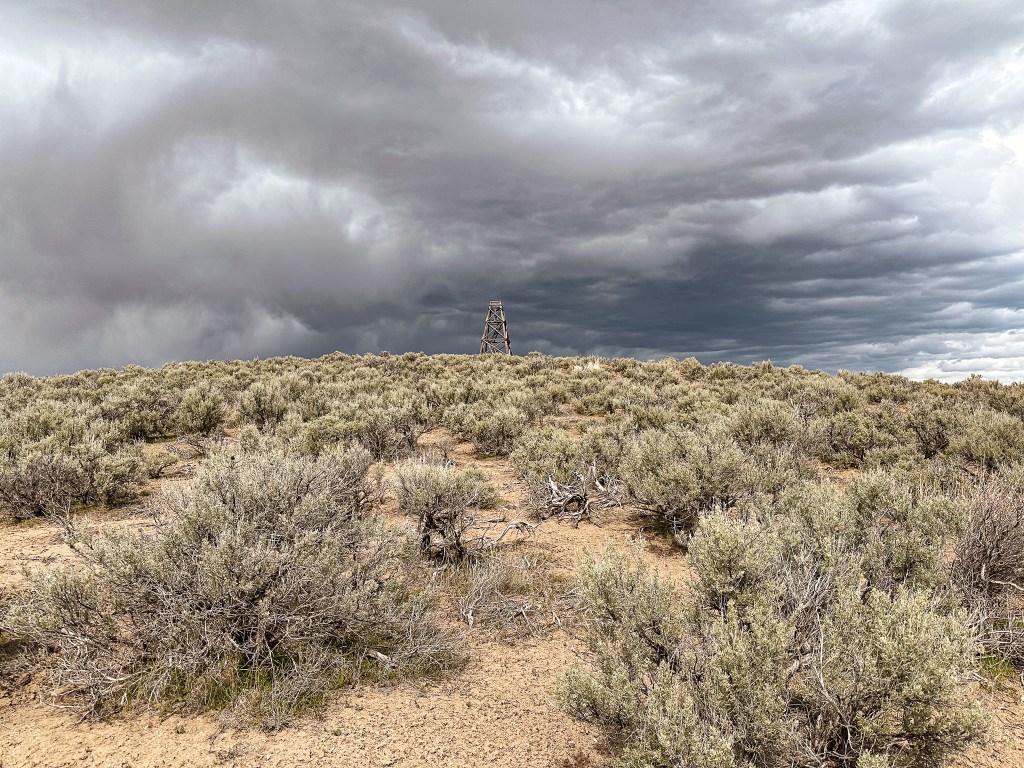
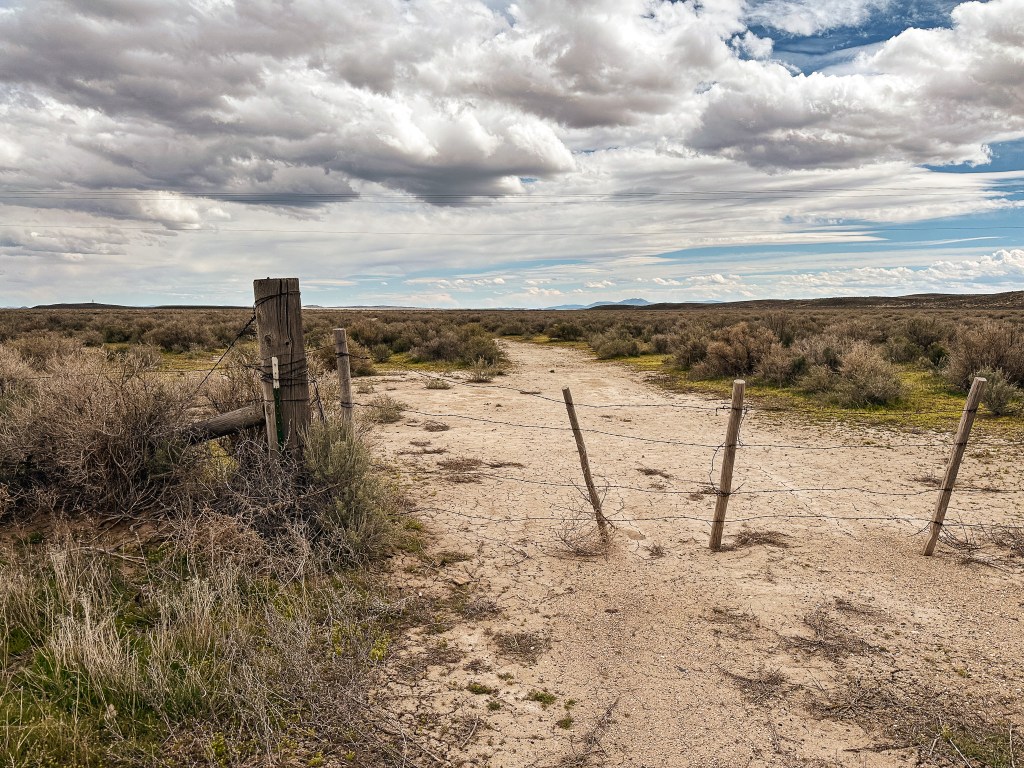
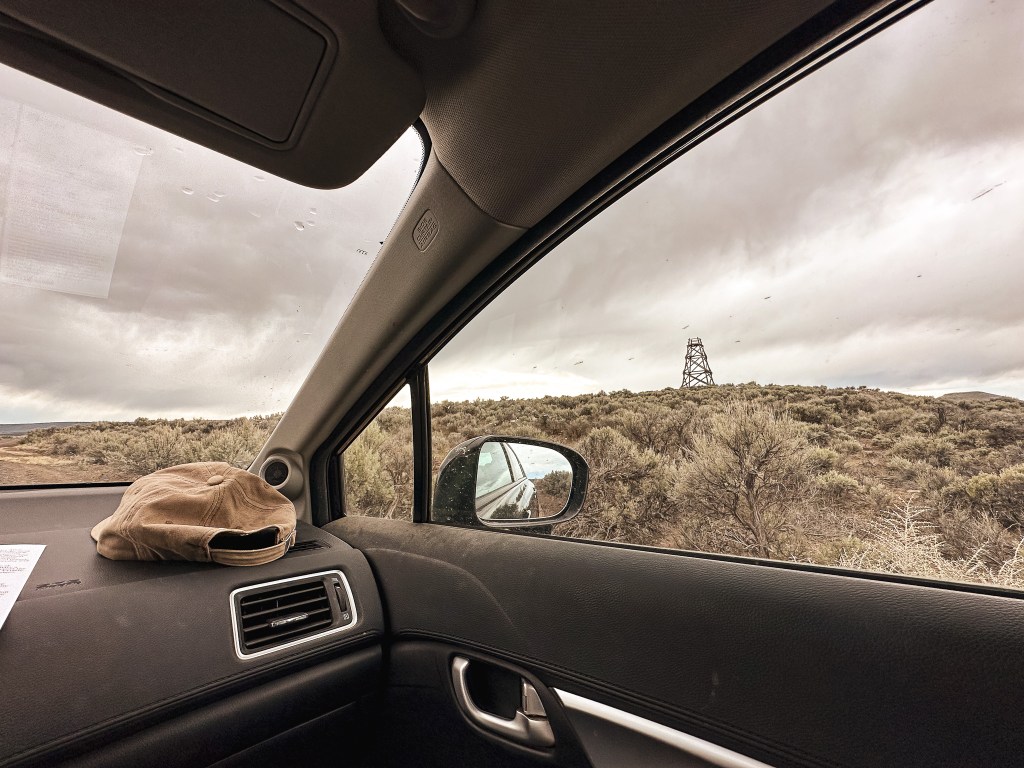
This 50′ tower with wooden platform was built by the CCC in the 1930s. It is best viewed from the Center Patrol Road that is considered a part of the Auto tour route of the Refuge. This is included in stop #6 on the Blitzen Valley Auto Tour Route. You can no longer walk up to the base of the tower, but the road gets you really close. The surrounding area is closed to the public due to wildlife. The stairs on the tower have been removed to dissuade visitors from attempting to climb the tower. The tower is named after the larger Rattlesnake Butte across the road that used to provide the only natural crossing of the Blitzen River for miles.

 The Roaming Civic