Hello fellow lookout enthusiasts, staffers, or readers alike;
It is nearing the end of 2025 and has been a while since I have posted on here. For lack of better words I have simply fallen behind. The reality is, despite being busy in many different ways, I have lacked motivation to write. I do plan on completing my backlog and I know there are no expectations for my own blog, but the longer I sit on it the less useful the information becomes. Anyway this is all just a quick post to say – hi, hello – I am still here and see that there is still traffic on this page.
A small update on this last season. We didn’t visit as many fire lookouts within our own state, but have found ourselves at more former sites than previous years. They can be just as interesting to us and tend to still have a decent view. One of our longer trips was a 10-day 1,768 mile road trip around Minnesota which consisted of visiting 23 fire lookouts within the state. That trip made up the bulk of the fire lookouts we have visited this year. Our second longer trip was an 8-day 50 mile backpacking loop through the Eagle Cap Wilderness. We did manage to check off some harder to reach lookouts in Oregon via backpacking trips, specifically Pearsoll and Mule Peak.
What’s to come in 2026? Only the forest service roads can tell us for sure. We are planning on a 2-week road trip but haven’t settled on which states or parks that will include yet. We are still in the speculative stage of planning beyond the dates. More than likely it will expand our fire lookout scope to another state but that is not the sole purpose of the trip. we will still continue to chip away at fire lookouts here locally but there are less and less every year.
I am most active on Instagram for now under the handle @takeahikedani if you want more day to day updates on where we have been recently.
I am also happy to stay connected via e-mail – especially if you notice any discrepancies of information, have condition updates, recommendations, or have questions on fire lookouts we have visited (e-mail: sullivan.danielle@yahoo.com).
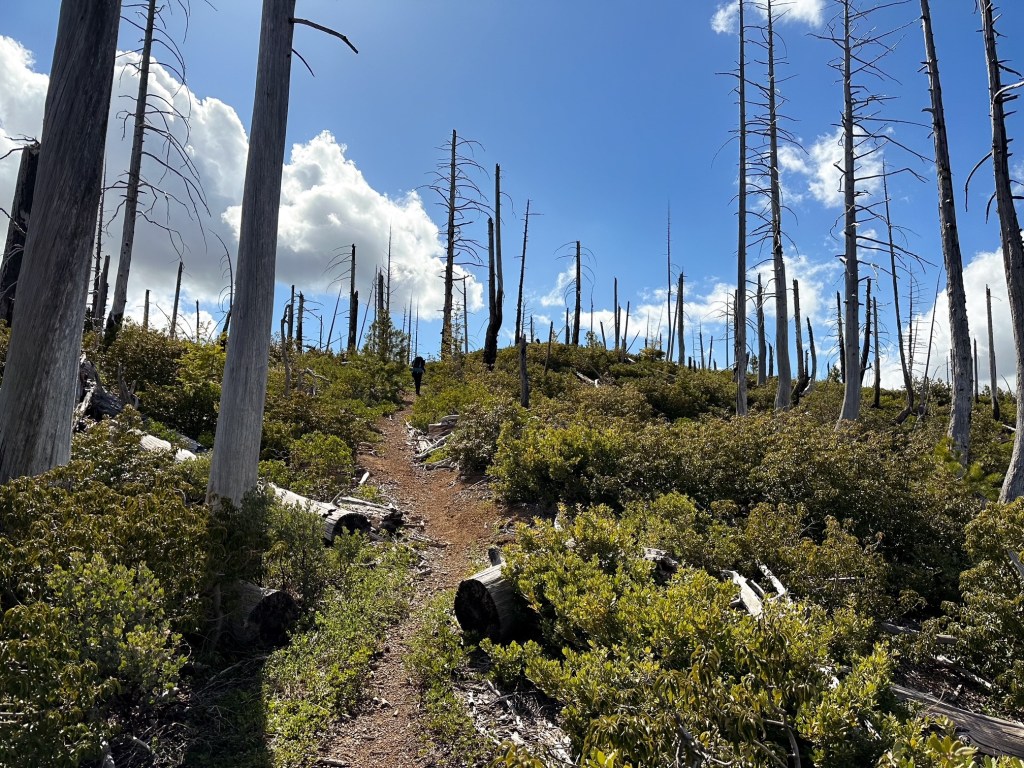
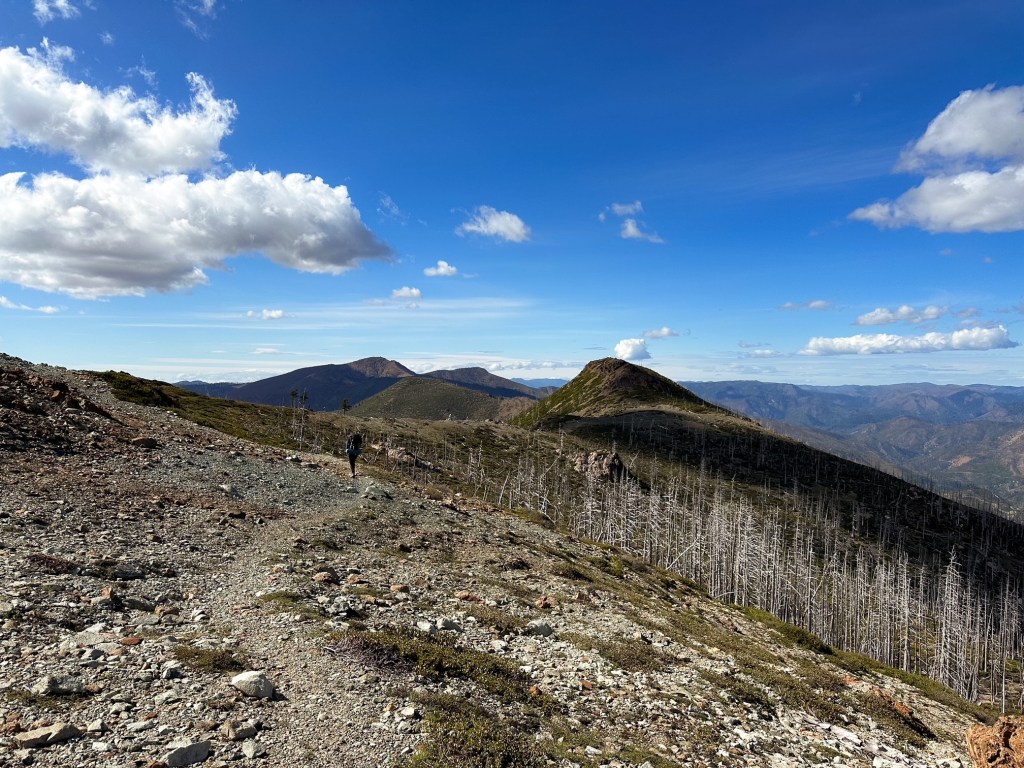
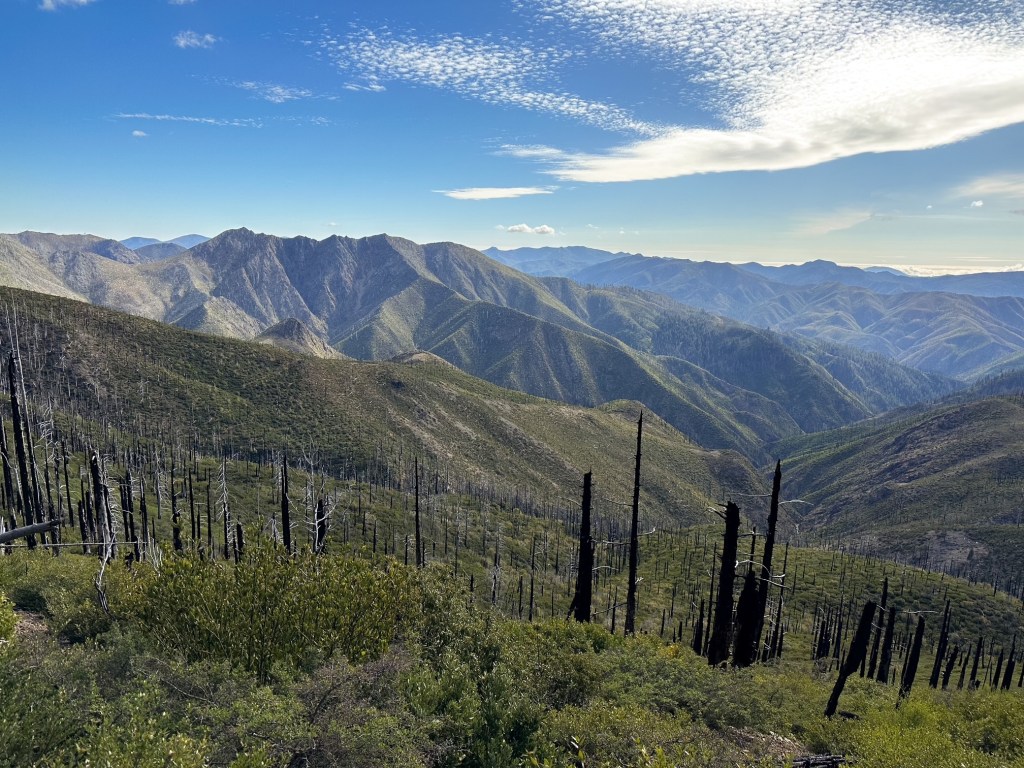
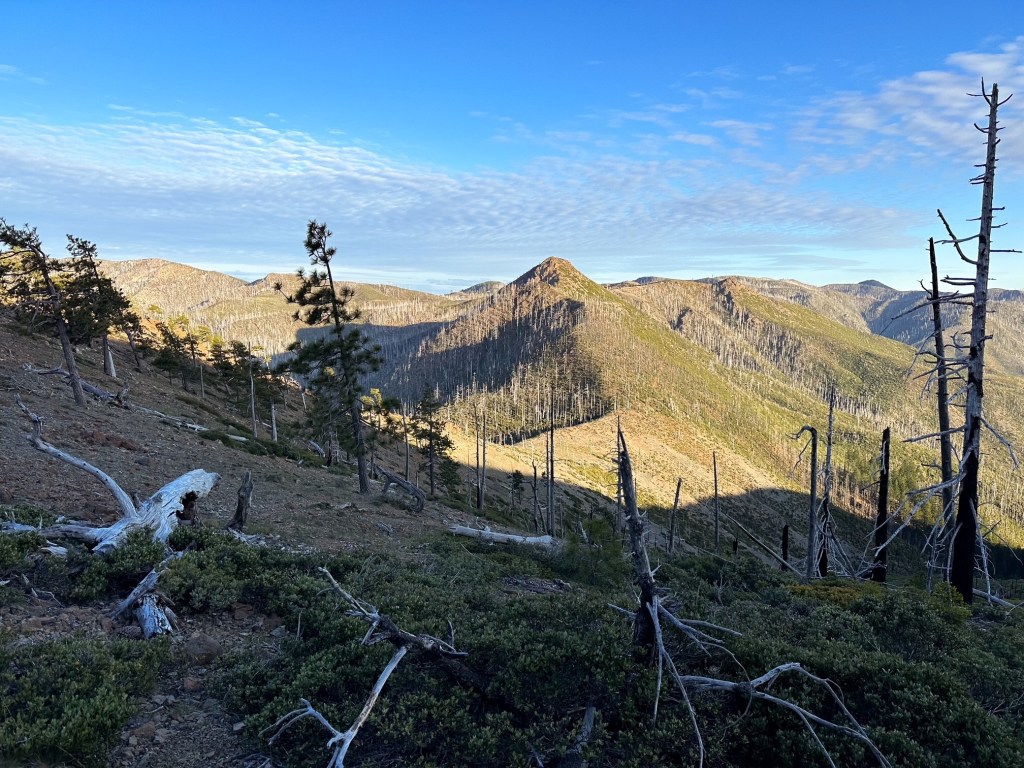
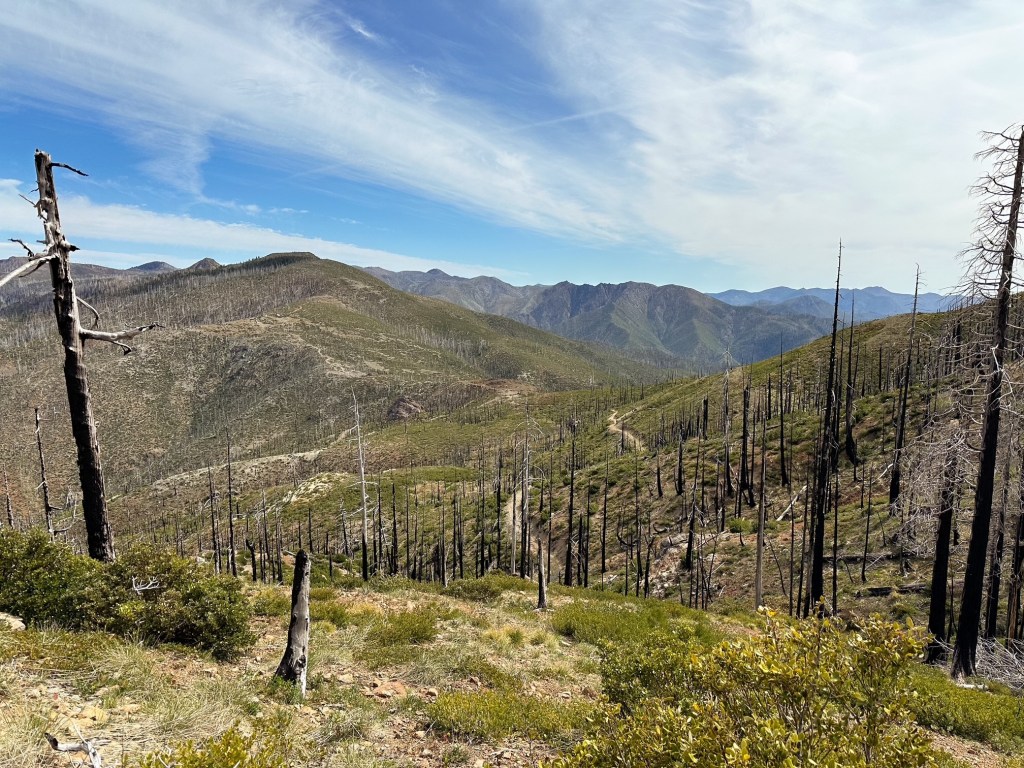
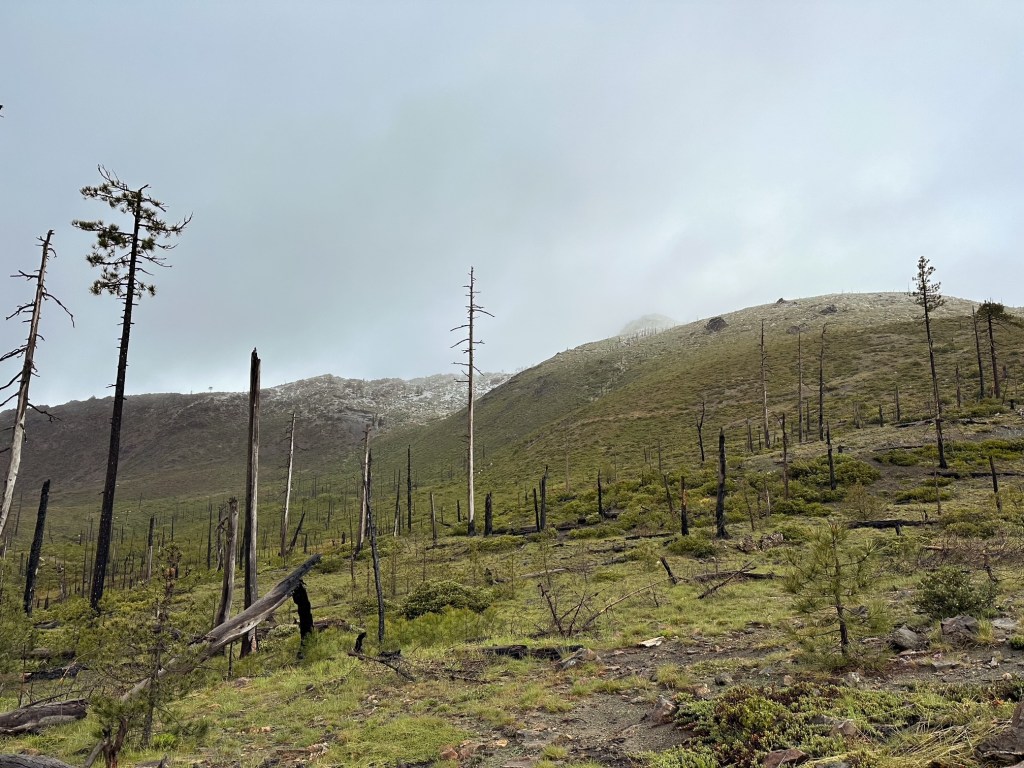
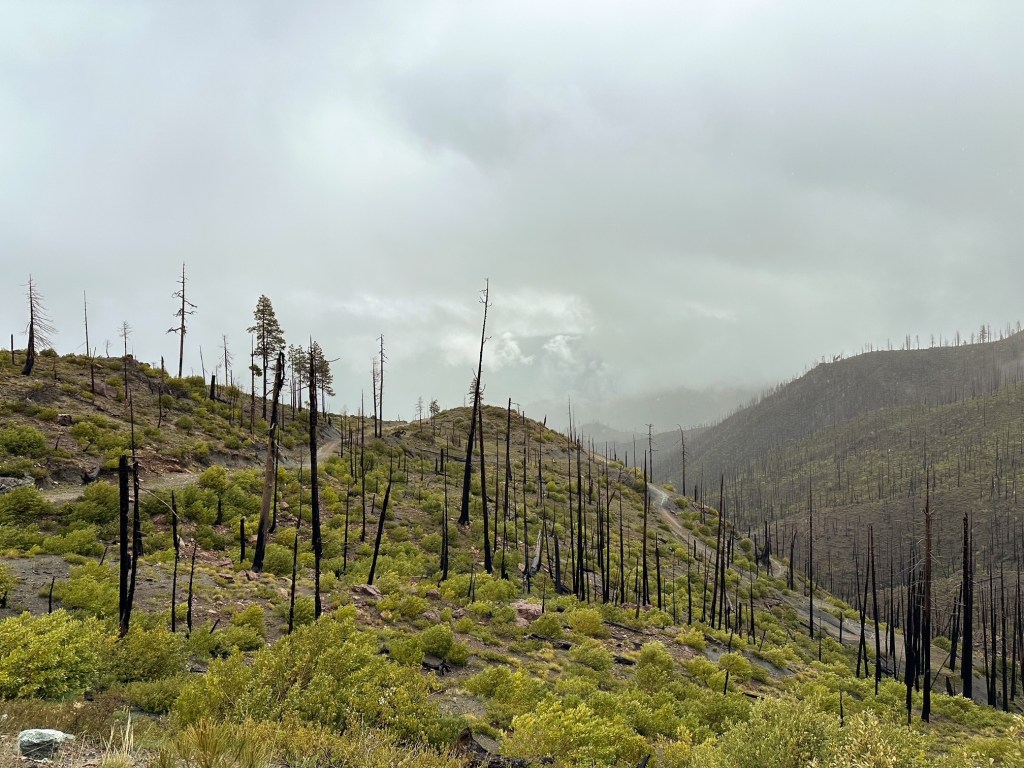
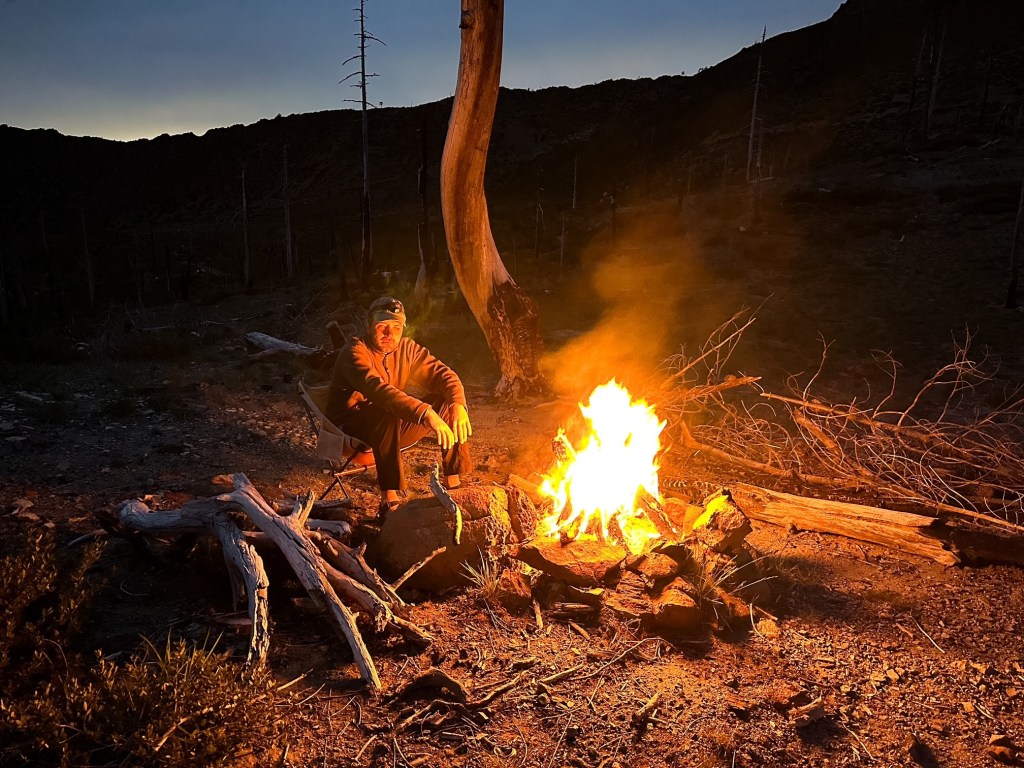
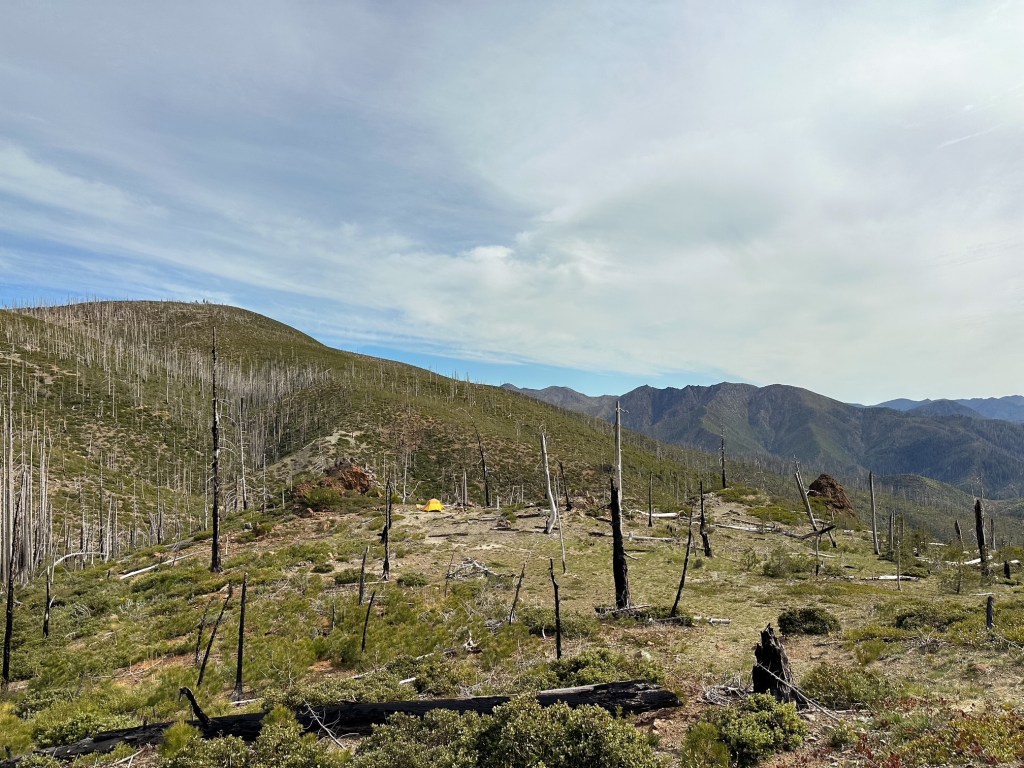
I learned a new term on the way back from our most recent trip to the Kalmiopsis wilderness. Kalmiopsised. As far as I can tell this was a term coined by the Northwest Rafting Co that does commercial rafting trips to this area. It is the best description I have found to explain the appeal and hardships that come from visiting the Kalmiopsis wilderness.
Kalmiopsised [Cal-mee-opp-sis-ed] – adj. 1. being cold, wet, exhausted, and happy in Oregon’s Kalmiopsis Wilderness. 2. in pain and despair in a rugged, harsh place with a big smile your brain is trying to relay to your face muscles.
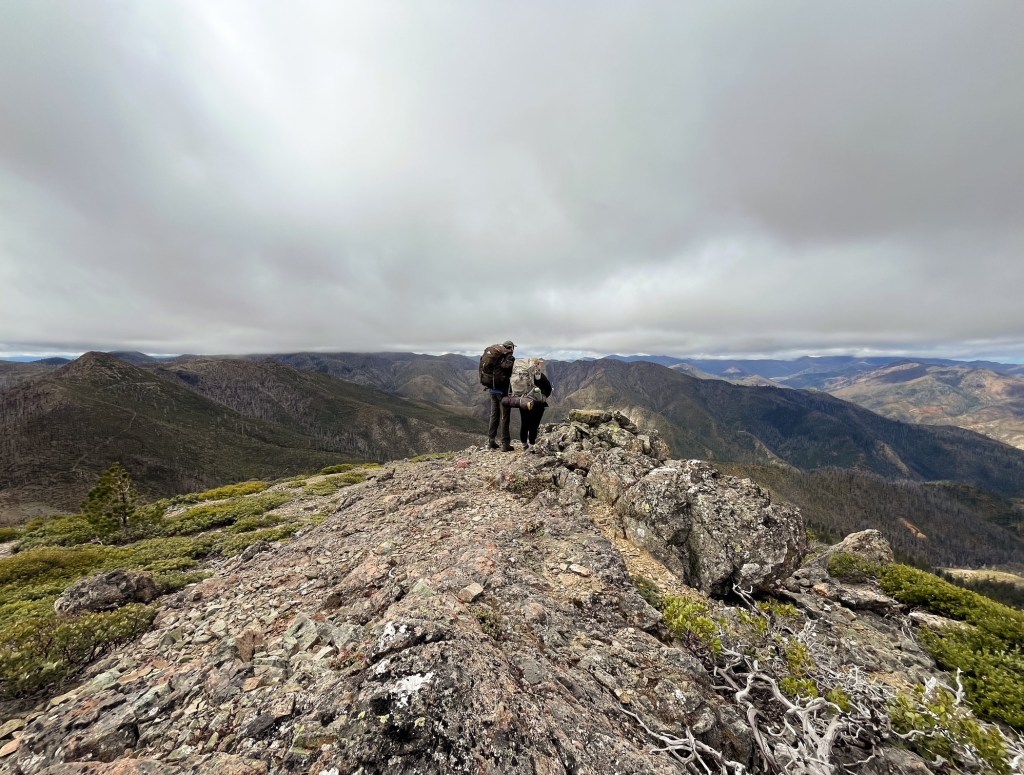
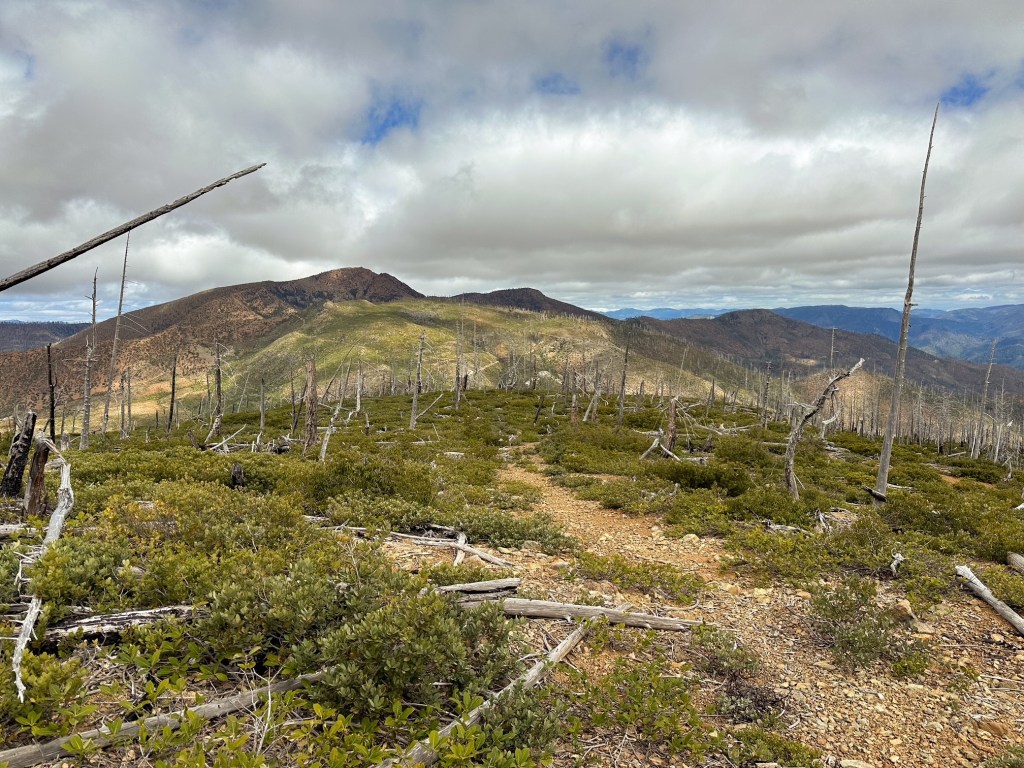
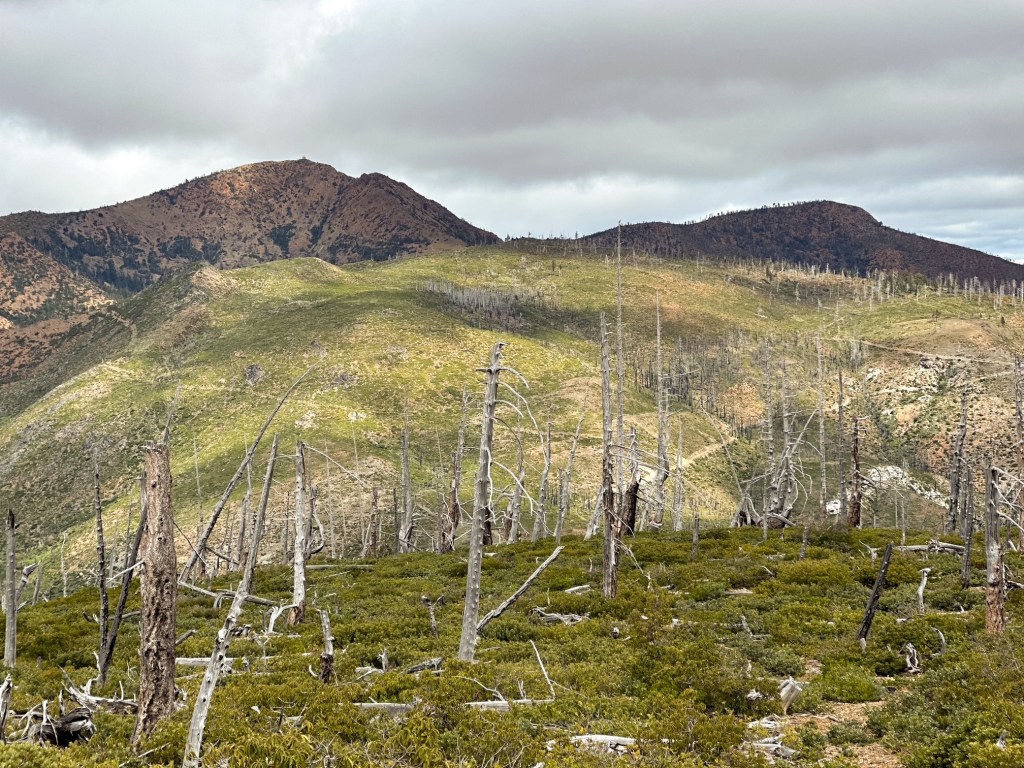
We have been to the Kalmiopsis wilderness a handful of times now. Our first trip was just last year during the 2024 Memorial Weekend, where we planned a 5-day backpacking loop through the eastern side of the wilderness. The second trip was for Garnet’s birthday and focused solely on reaching the fire lookout on Pearsoll Peak. Our most recent trip(s) were for Garnet to complete the 50-mile Leech Loop through the wilderness. I had backpacked into Babyfoot lake both times to send him off and pick him up. Each trip has offered memorable challenges and left us wanting to return for more. The below report will detail the relevant sections of trail from these trips that you can take to reach Pearsoll Peak.
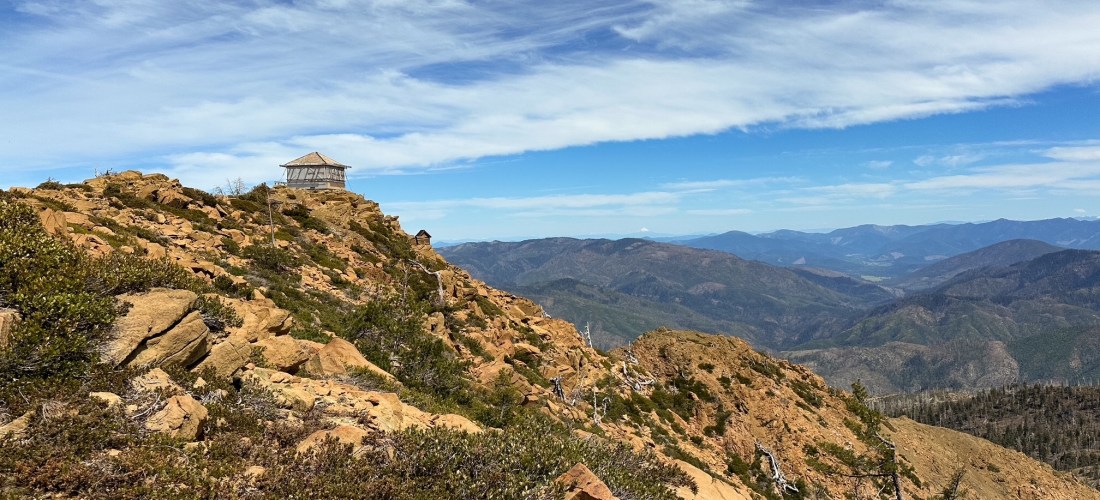
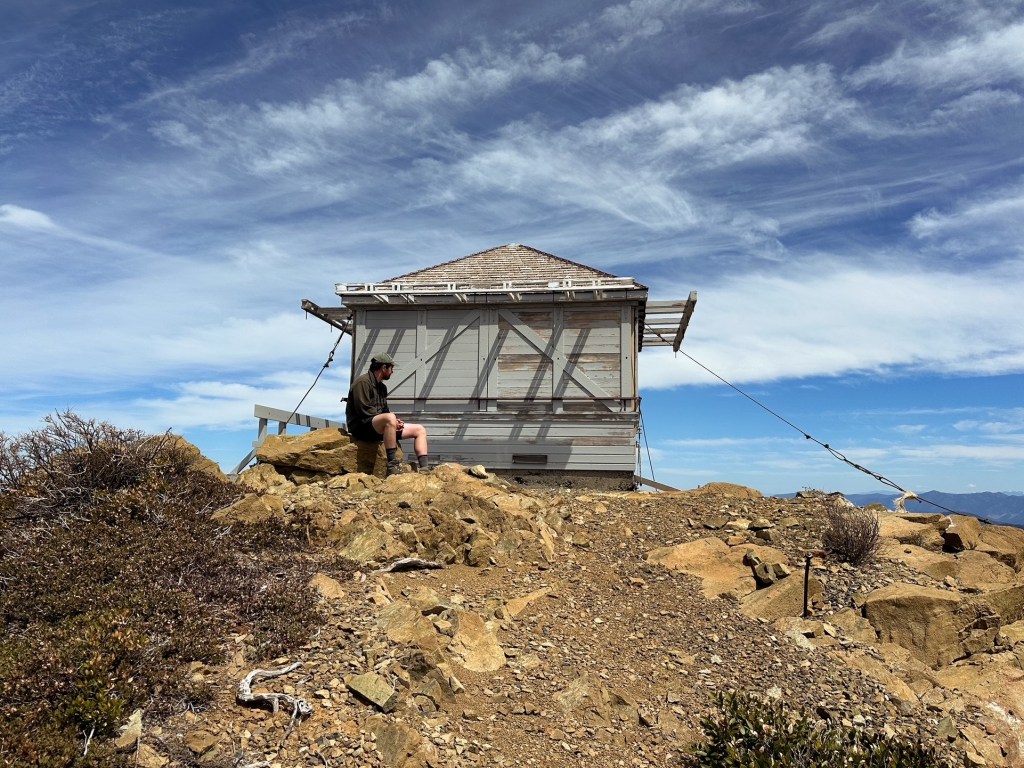
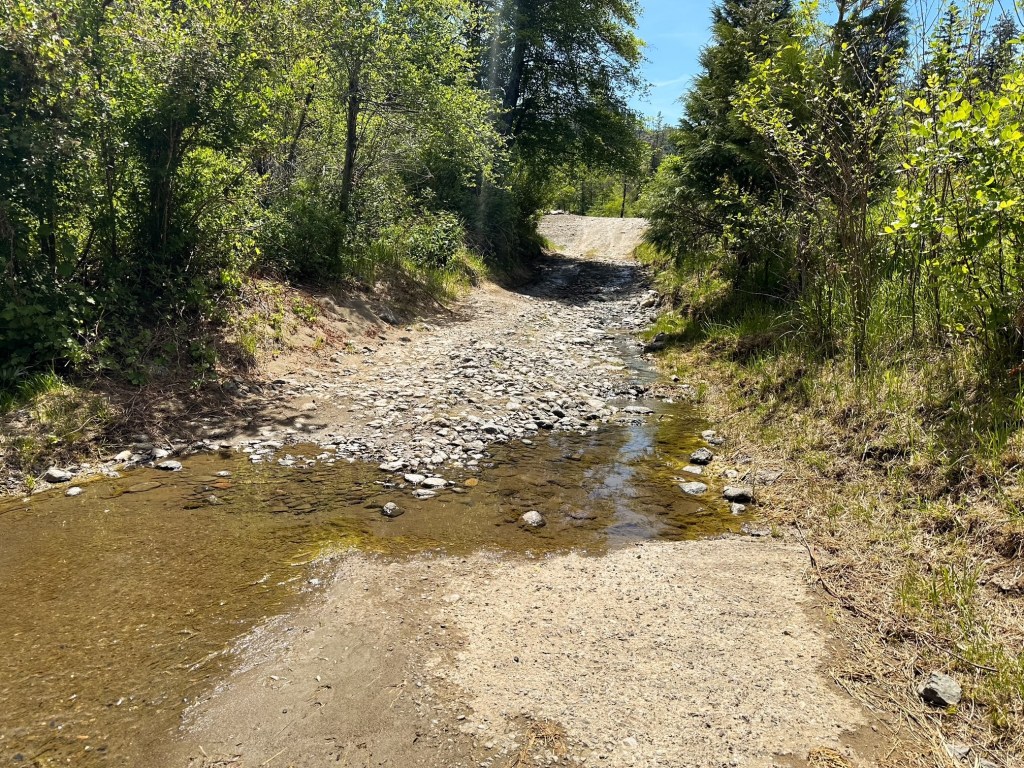
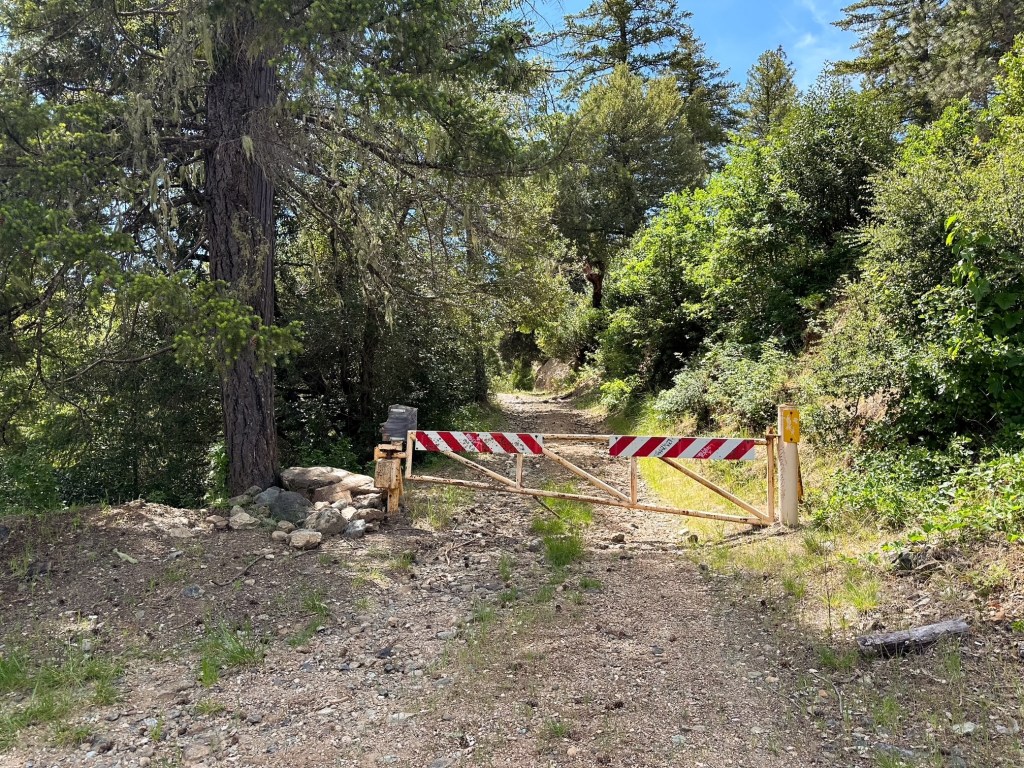
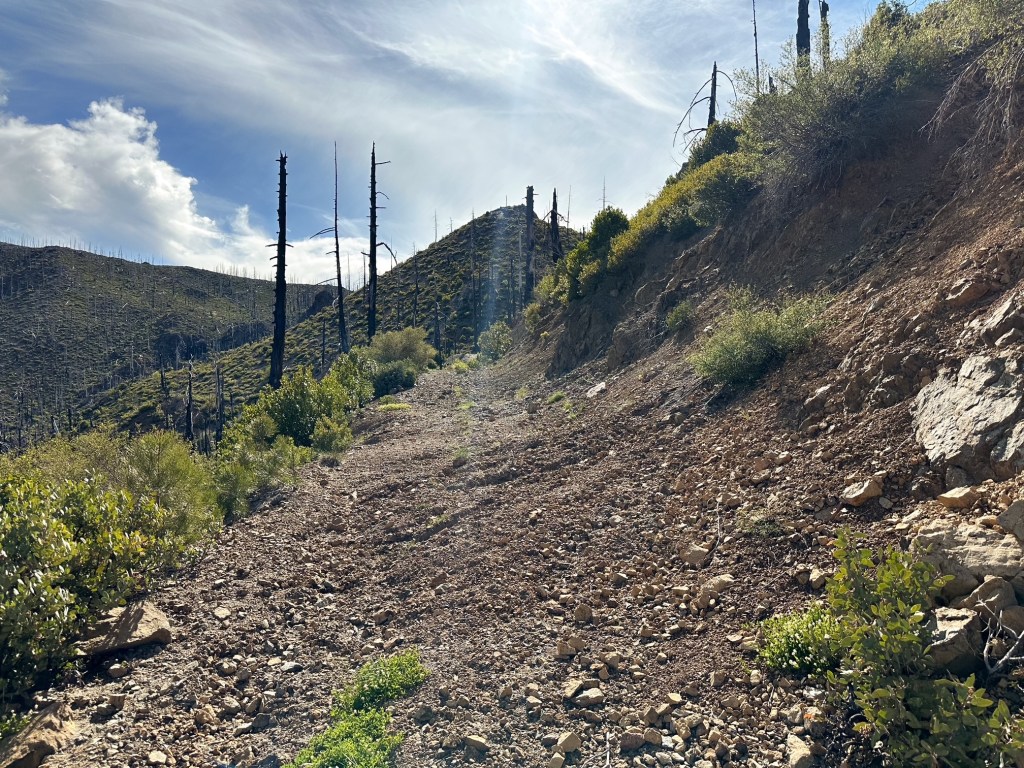
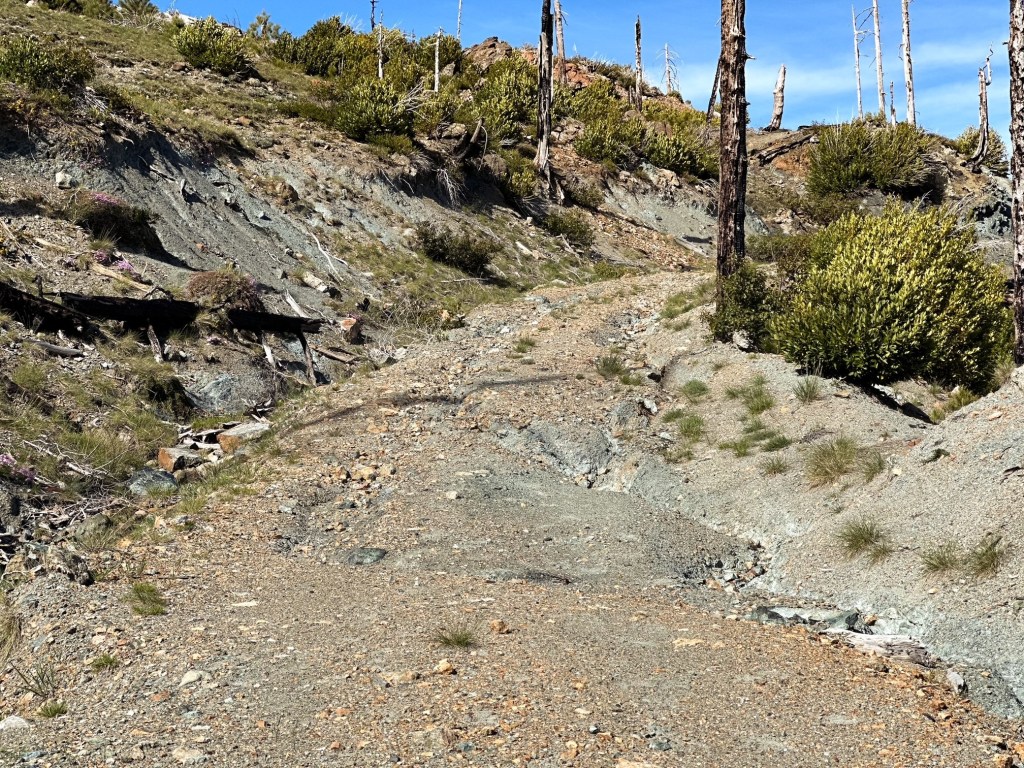
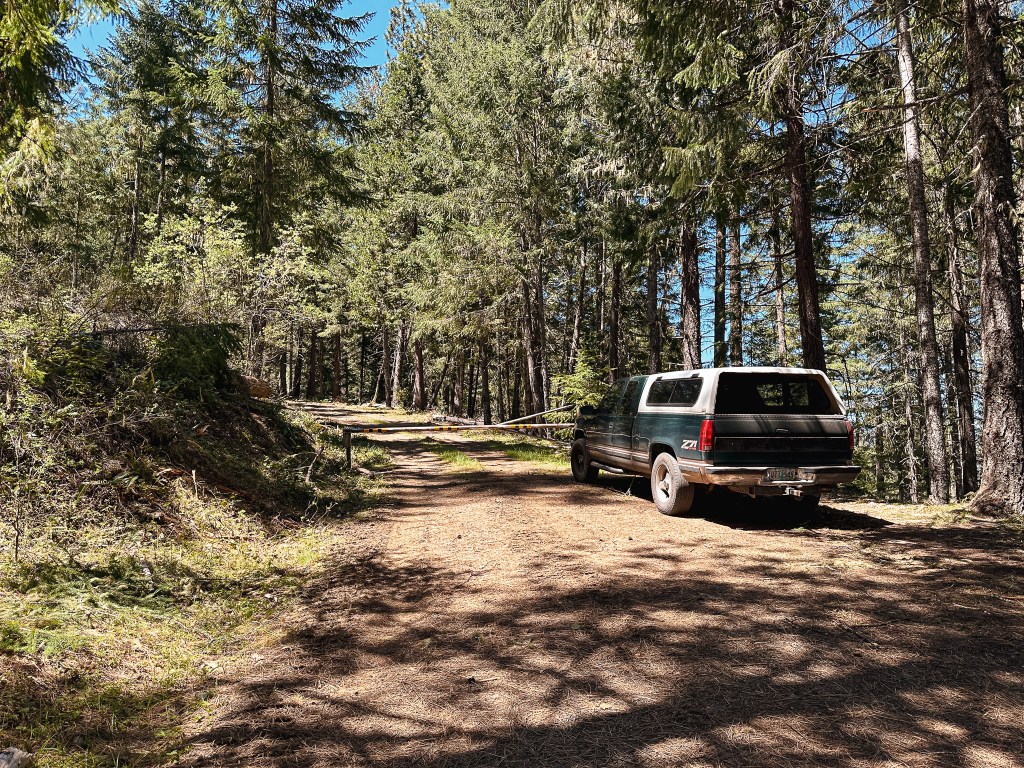
The Chetco Pass trailhead is the main access point to reach Pearsoll Peak. From there, the hike is moderate in length and elevation along the old roads that now make up the “trail”. The variance in routes comes from how you decide to get to Chetco Pass. The access road is gated in the rainy season from end of September to beginning of June. It is narrow, rocky, and full of erosion issues not suitable for most vehicles. If you drive a low clearance vehicle, like us, the only way to reach Chetco Pass is via hiking. Unfortunately, this turns a relatively moderate day hike into a strenuously long one. We opted to break up the distance and spend more time in the area by turning this into a backpacking trip. Please note the fire lookout is not open for overnight stays at this time and is currently secured with a lock bar – do not plan on camping in the lookout. If you are hiking your way to Chetco Pass, the closest starting points are going to be from the McCaleb Ranch area or the Kalmiopsis Rim trailhead.
McCaleb Ranch Access to Chetco Pass
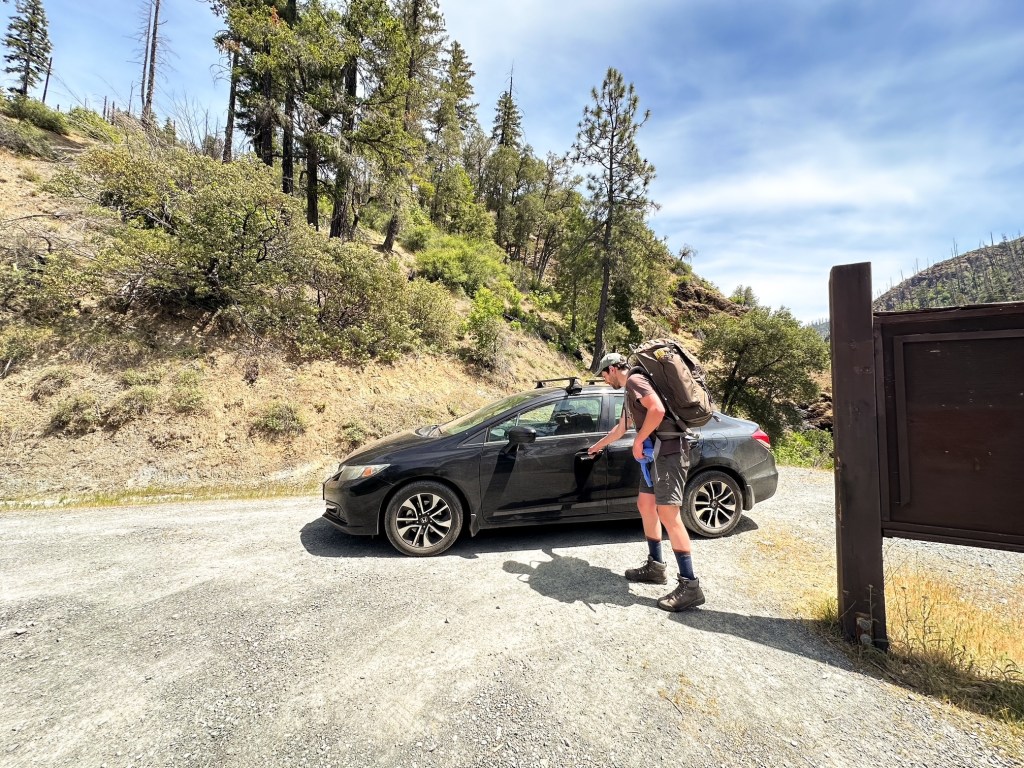
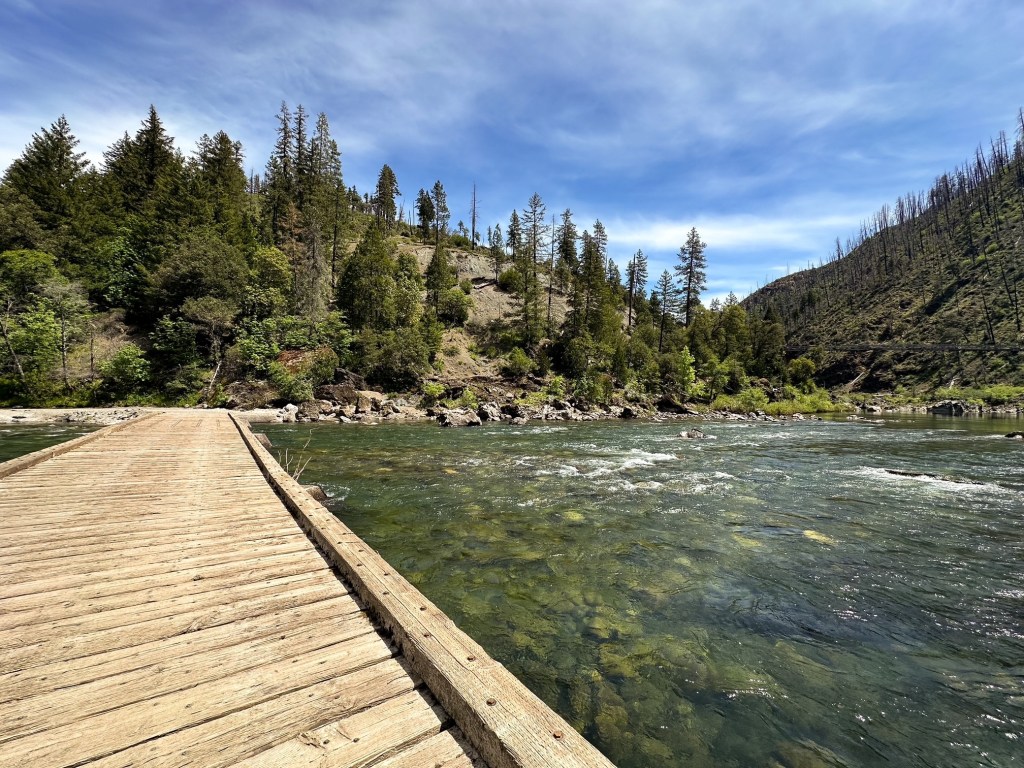
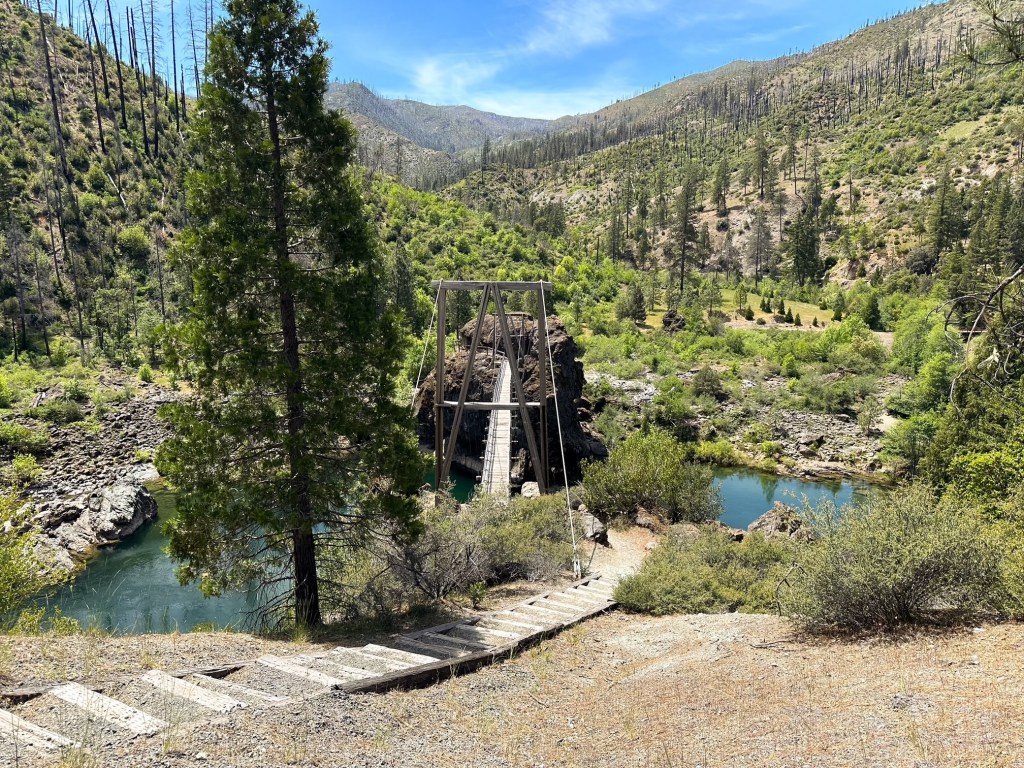
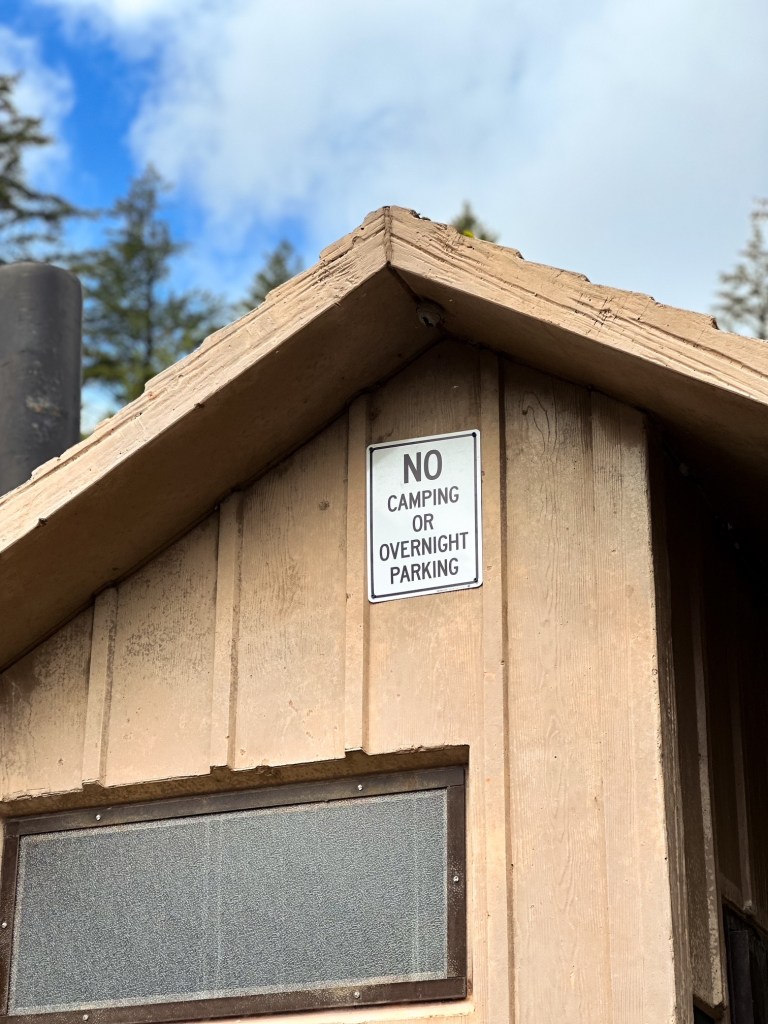
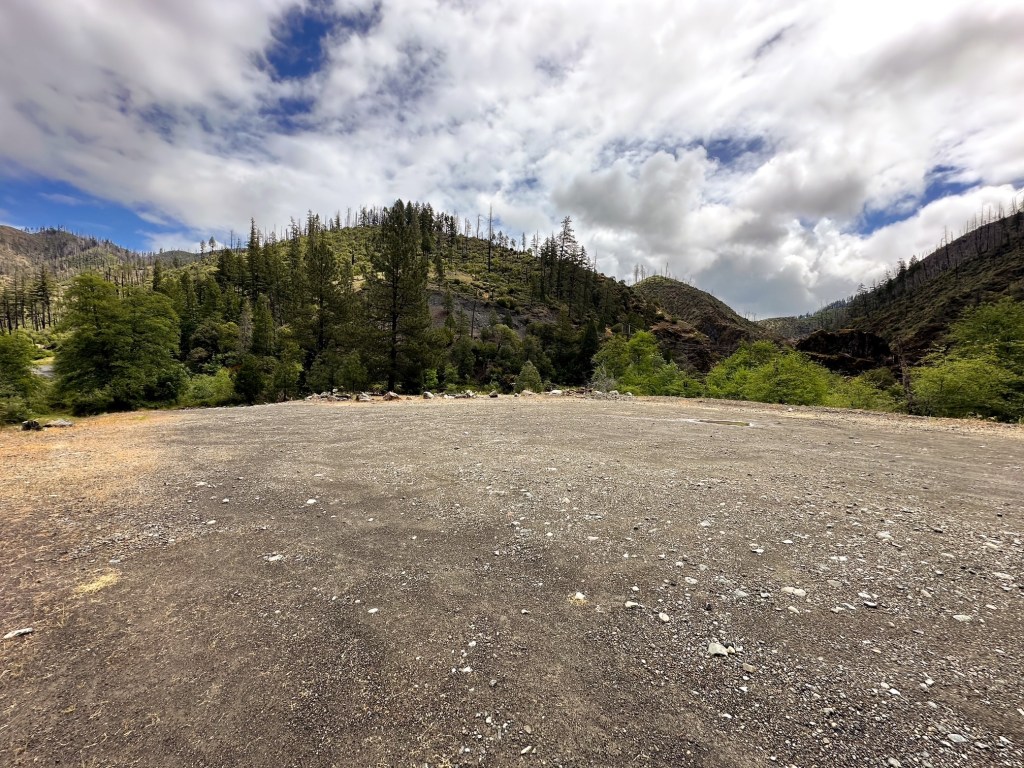
From Grants Pass, we followed HWY-199 until we reached Selma. We turned right onto the paved Illinois River Road that leaves directly from the community. We stayed on this road until we reached the unsigned junction with NF-087 off to the left that heads steeply down to the McCaleb Ranch. The junction is located where the pavement ends and the road splits off from a wide turn around area. The Illinois River Road is paved most of the way to this junction minus one short section of gravel in the middle. There are some potholes to avoid along the route, but we were able to maneuver around them. You will also pass a major junction with NF-4105, stay left to continue on the Illinois River Road. It should be obvious since NF-4105 is not paved. The biggest hazard along this route is meeting oncoming traffic. The road narrows the farther you drive and it is not wide enough for two passing cars except for when there is a pull out to utilize. You will know you are close when you pass the Store Gulch Campground. Once at the NF-087 road you have three options for parking. The first option is located at the bottom of the road just below the McCaleb Ranch after you cross the river. This is only suitable for high-clearance vehicles and day hikers. The parking area is large and offers a bathroom, but has signs posted for no overnight parking or camping. There is also a small section just beyond the bridge before you reach the trailhead that is not passable to low clearance vehicles. If you are attempting to drive all the way to Chetco Pass you would follow the directions to this trailhead and continue beyond the yellow gate from there. The second option is to park at the trailhead for the swinging bridge, I believe the official name is the Fall Creek trailhead. This is located along the first sharp bend of the NF-087 road. This is where we decided to park our car. It was slightly confusing on if we could park here given the two No Parking signs posted on each side of the trailhead. We ultimately decided those were meant to keep people from parking on the edges and potentially blocking the road. The old signboard here offers no information and the historic swinging bridge is currently closed to pedestrians due to some structural concerns. From what we found online, the Forest Service does plan to repair the bridge eventually but it is a slow going process that is not as simple as it seems and even more so with our current administration in place. If you want to avoid any confusion or are worried about traction issues, your third option would be to park at the junction at the top of the NF-087 road and hike down from there.
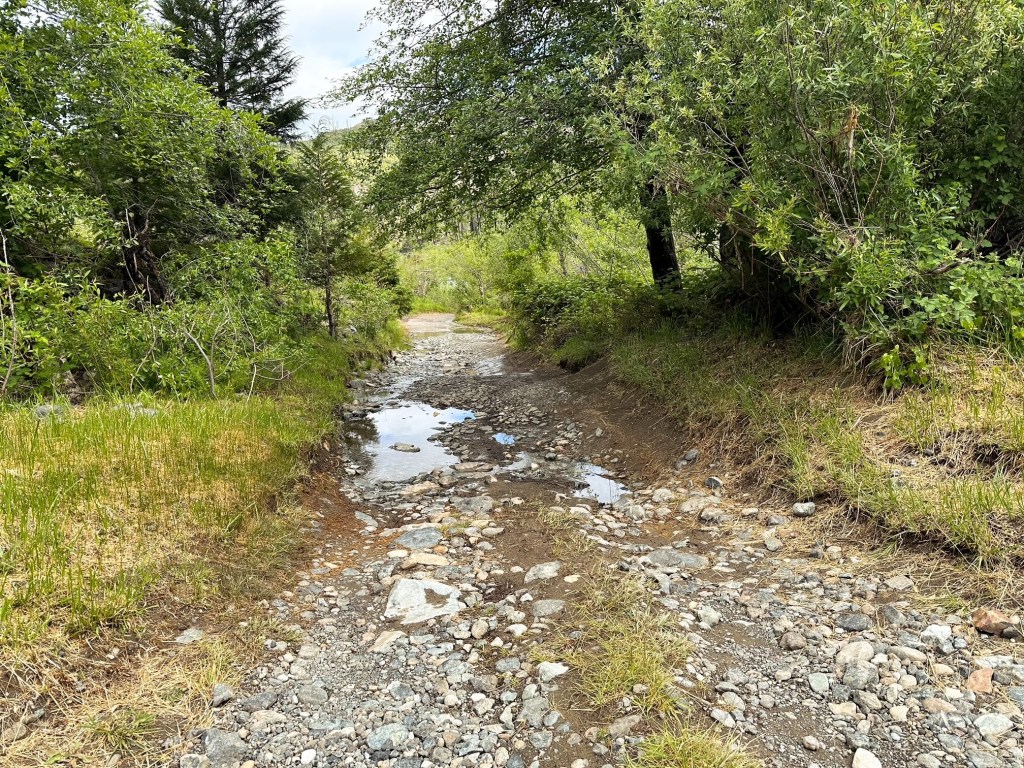
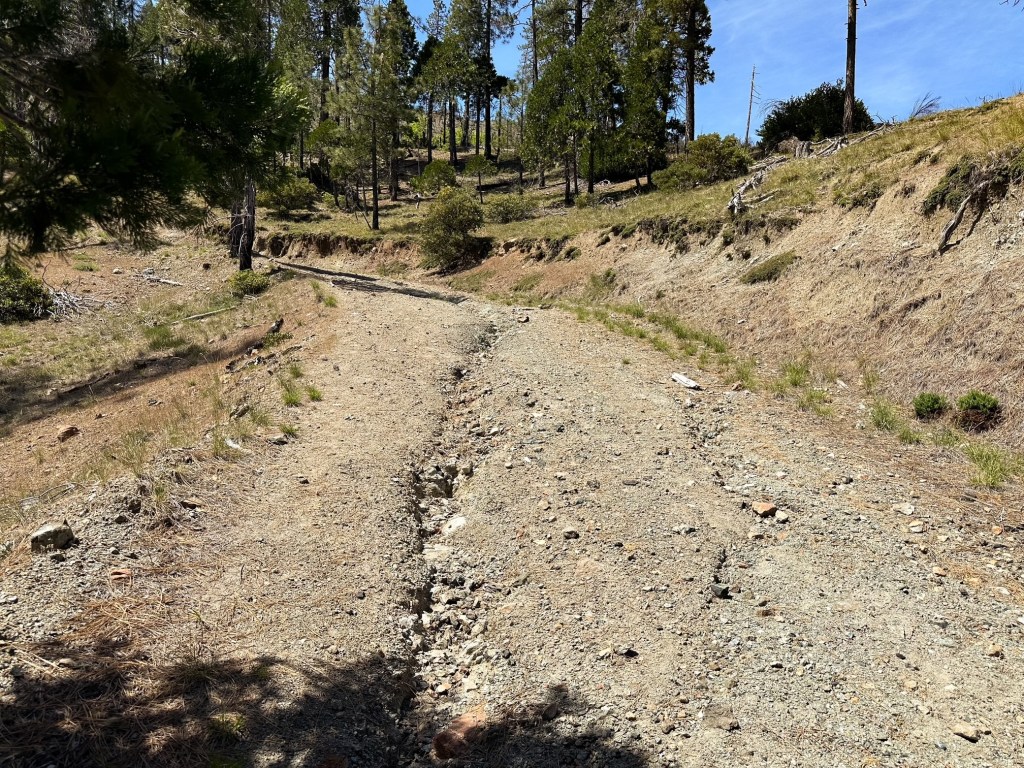
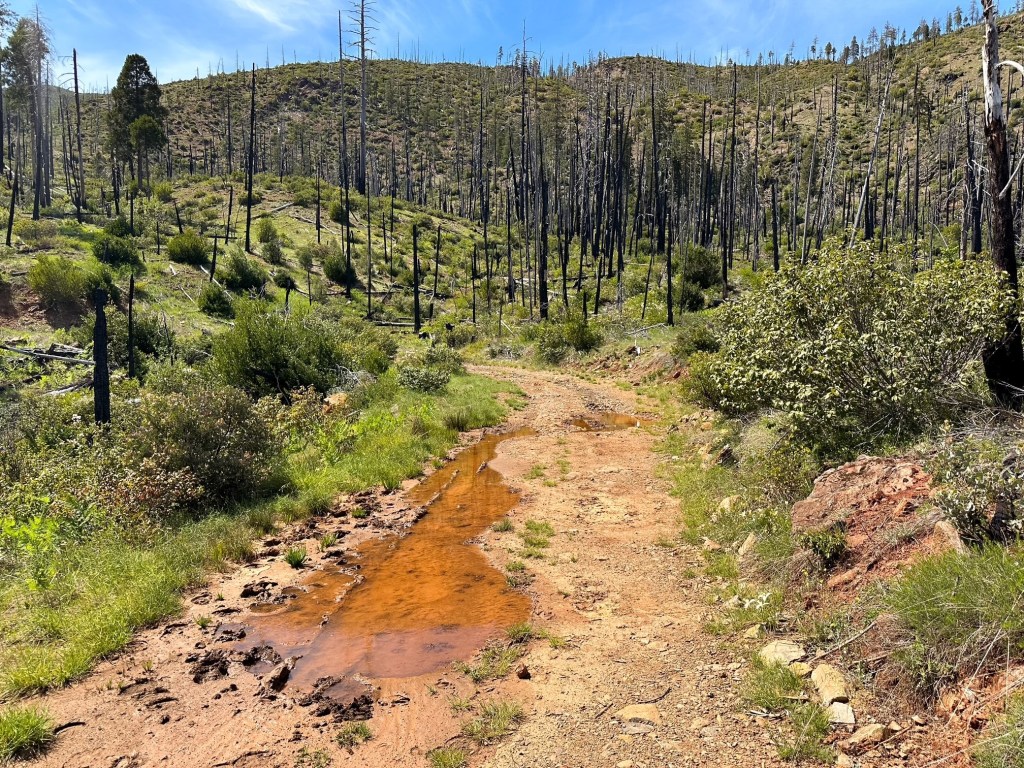
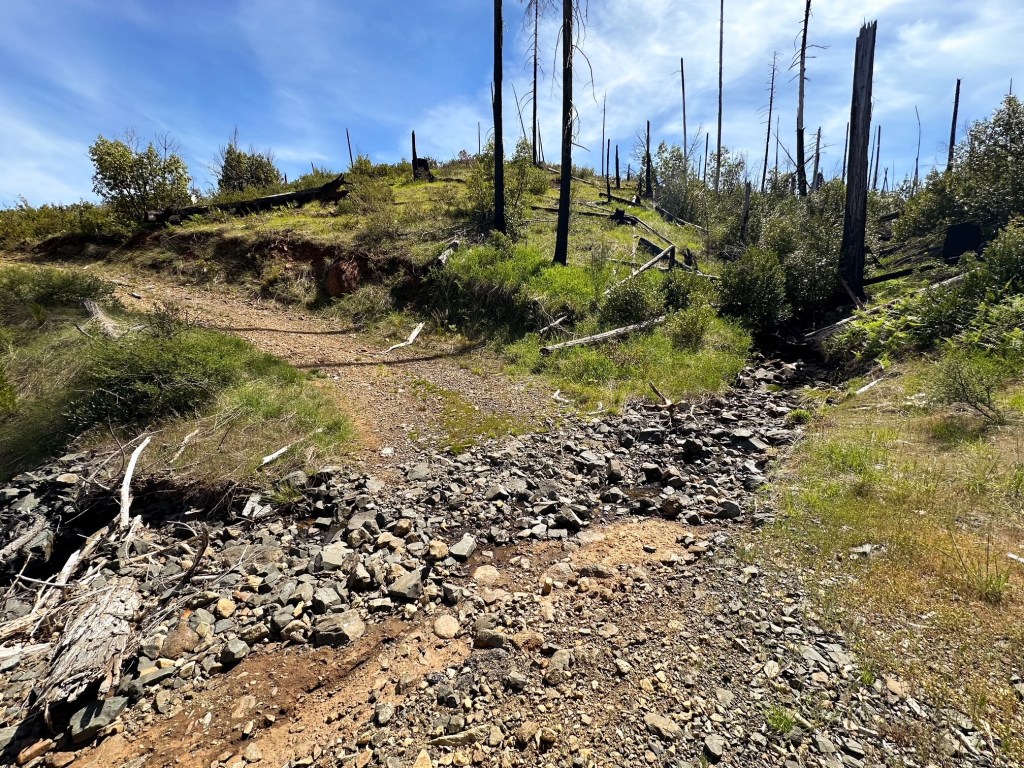
We reached the trailhead just after noon and had a quick lunch before saddling up with our packs to hike the road. We knew we had at least 4-1/2 miles of road walking to reach Chetco Pass and planned to find camp just beyond along the Slide Creek trail. The temps were forecast for a high in the low-60s and mostly sunny, but with the exposure and weight of our packs it ended up feeling much warmer. We had to hike down the road and cross via the vehicle bridge due to the swinging bridge closure. Once across the Illinois River, we headed towards the yellow gate at the back of the parking area. The only other gate is posted with private property and no trespassing signs for the McCaleb Ranch behind the bathroom. There is also a bridge that leads to the Fall Creek Trail off to the left. The road wastes no time gaining elevation and we took breaks often in what little shade the few trees had to offer. The condition of the road is deteriorating and I wouldn’t be surprised if they end up permanently closing the gate at some point instead of making the needed repairs. There are some sections that are not that bad, but there are major erosion issues happening that will make it difficult for most vehicles. The worst of it was about a mile below the pass on a tight switch back. The water run-off cuts deep through the road and a small section has eroded away to no more than the width of an ATV. You would most likely have to put one of your wheels on the side slope or off the road completely to fit a standard vehicle past this point. These are just cautionary warnings since the road is narrow, rocky, soft bedded when wet, and does not offer many turn around points if you decide to abort part of the way there. It’s obvious this road does not see much traffic just from the amount of shrubs and grass growing through it.
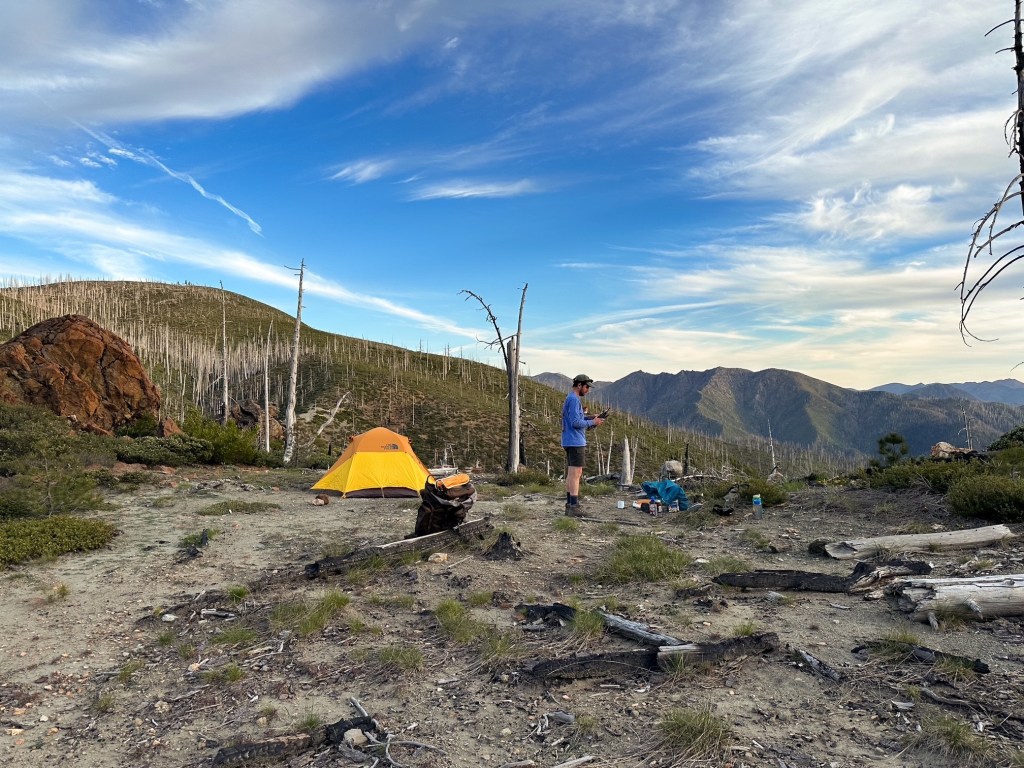
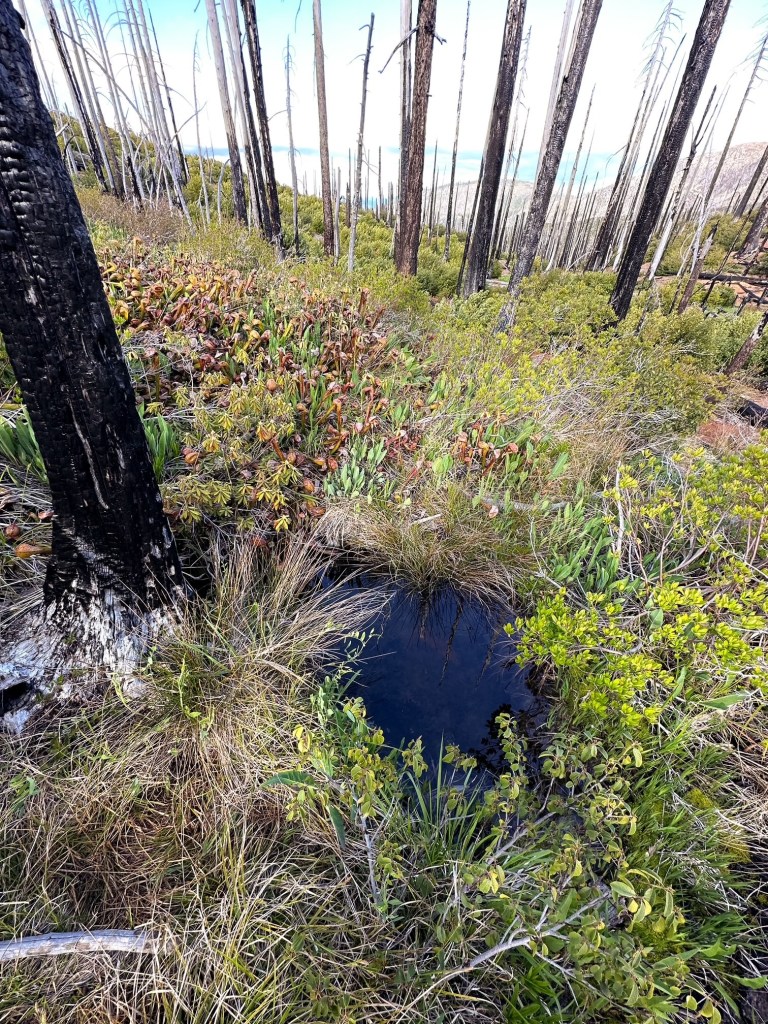
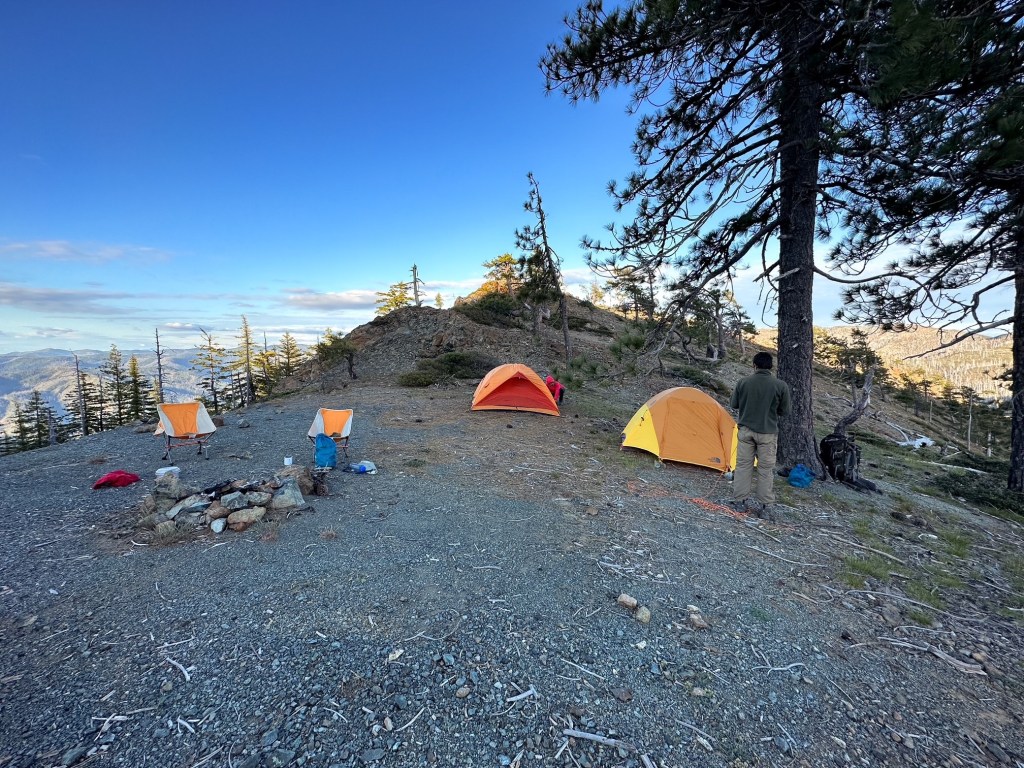
I eventually fell behind Garnet and started to struggle with my calves trying to seize into a charlie horse. I was probably less than half a mile from the pass when my calf cramped. I was frustrated because I had drank almost all of my water and wasn’t even over exerting myself. One water bottle was even full of electrolytes. I felt fine in every other aspect, but my body obviously needed more water. I had to shorten my steps the rest of the way to keep my calves from cramping again but I eventually made it to the pass with Garnet waiting. I won’t even bother telling you how long he had been waiting for me. We continued straight to head down the Slide Creek trail in search of a camp. We knew there was a decent one at least a mile down, but ended up finding one less than a few 100 yards from the pass that worked perfectly for our base camp. There was a creek not too much farther down the road either. I’m not sure how reliable this water source is for year round visits, but if you are ever in need of water in this area look for the Darlingtonia plants. They grow where the water sources are most concentrated. Strava tracked my mileage from where we parked to our camp at 5 miles with 2,650′ of elevation gain. I took a screen shot when I reached the pass of the mileage and it was around 4.85 miles. The elevation gain would have been the same since we only headed down to reach camp.
Kalmiopsis Rim (Onion Camp) Trailhead to Chetco Pass
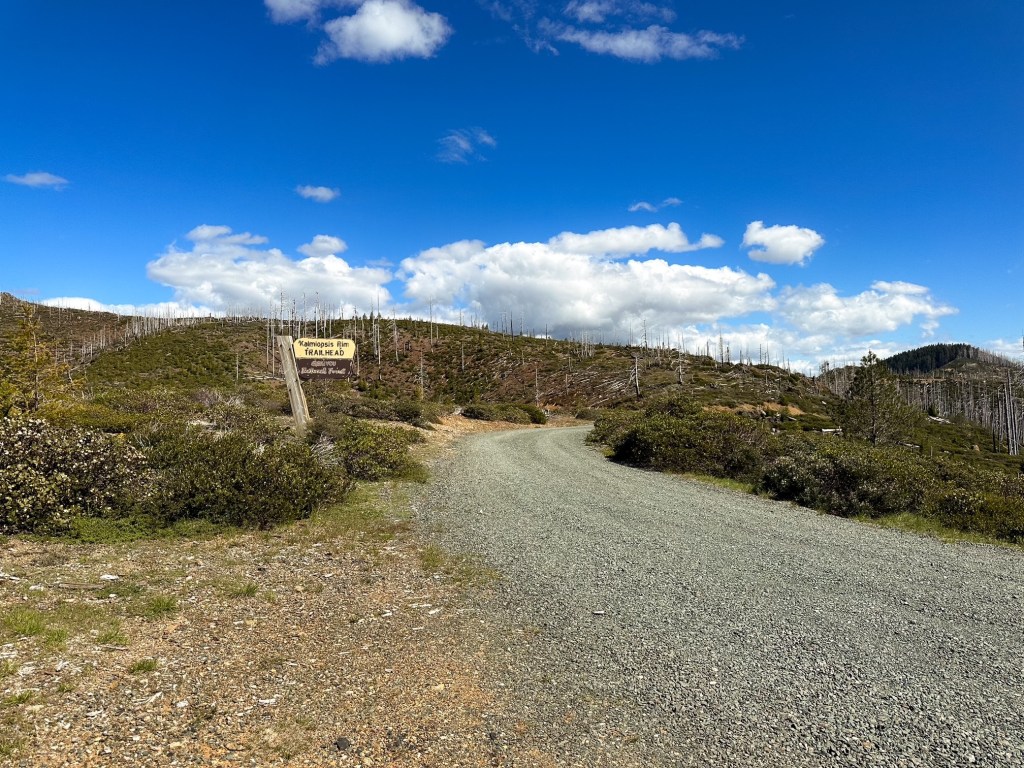
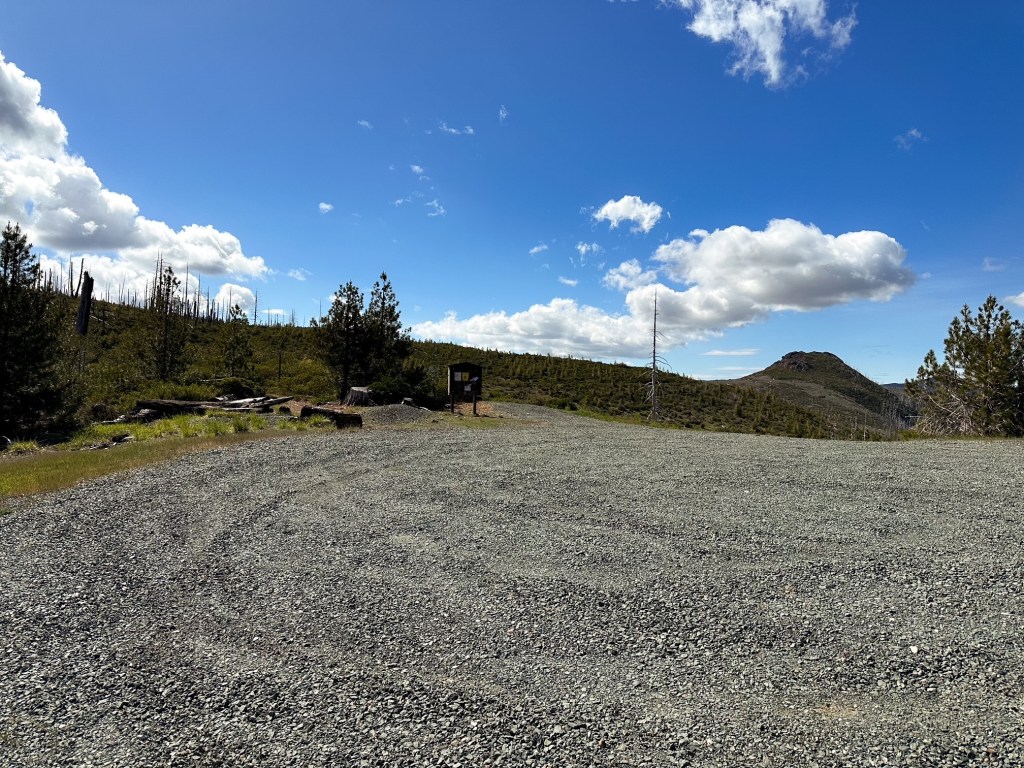
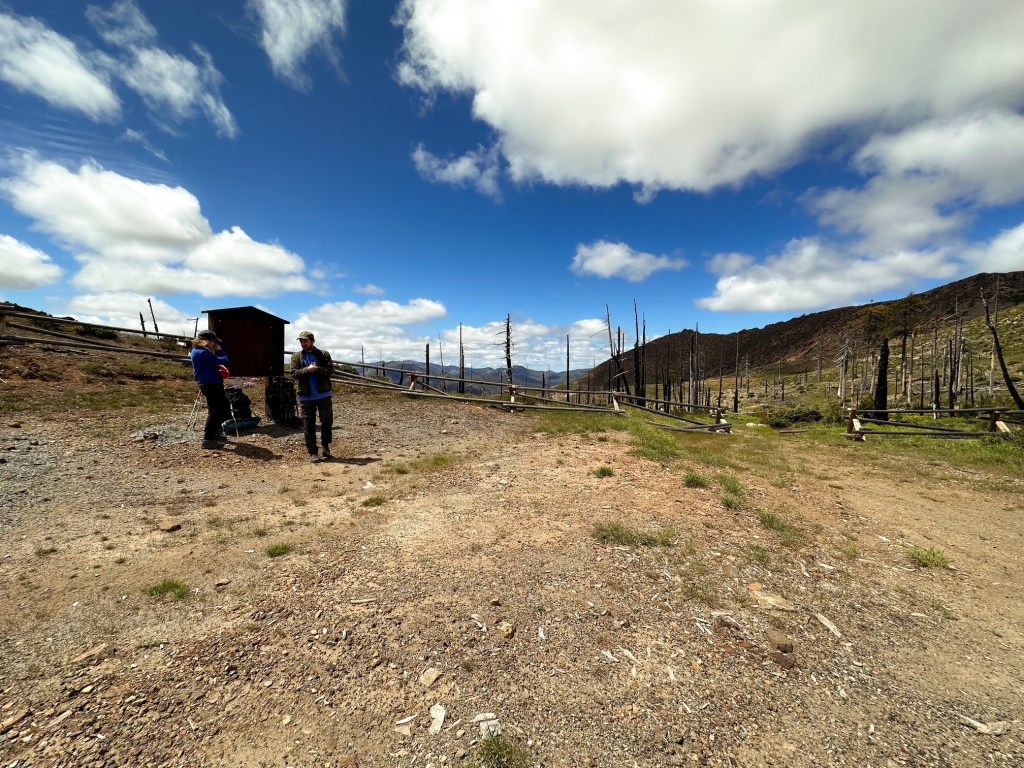
From Grants Pass, we followed HWY-199 past Selma until we reached the paved Eight Dollar Mountain Road off to the right. It’s on a curve in the highway with it’s own turn lane. If you reach the community of Kerby you have gone too far. The Eight Dollar Mountain Road narrows to a single lane beyond the gate and eventually turns into the NF-4201. It becomes gravel after crossing the bridge over the Illinois River. There are a few deep potholes in the paved section of this road but all are currently avoidable. You will stay on the NF-4201 road until you are almost to the Babyfoot Lake Trailhead. Just before you reach the Babyfoot Lake TH, you will turn right onto NF-142 and follow this to the Kalmiopsis Rim Trailhead (sometimes referred to as the Onion Camp TH). The gravel conditions are good for the majority of the drive and passable to low clearance vehicles. Some caution is required though. The last six miles has the majority of hazards as the road narrows and becomes rockier. There are some potholes and minor high lines but all are currently passable. Your biggest threat is oncoming traffic around blind corners. It is roughly 17 miles from the highway to the trailheads and there is a little less than a mile and a half between the two trailheads. The trail begins to the left of the signboard at the Kalmiopsis Rim TH.
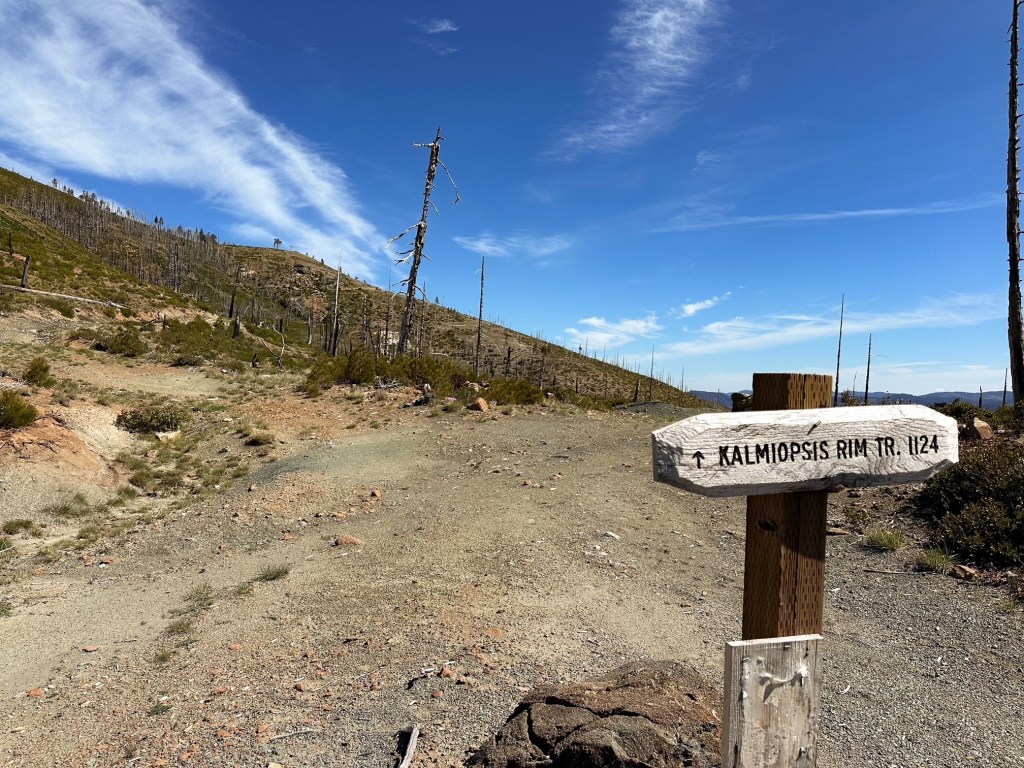
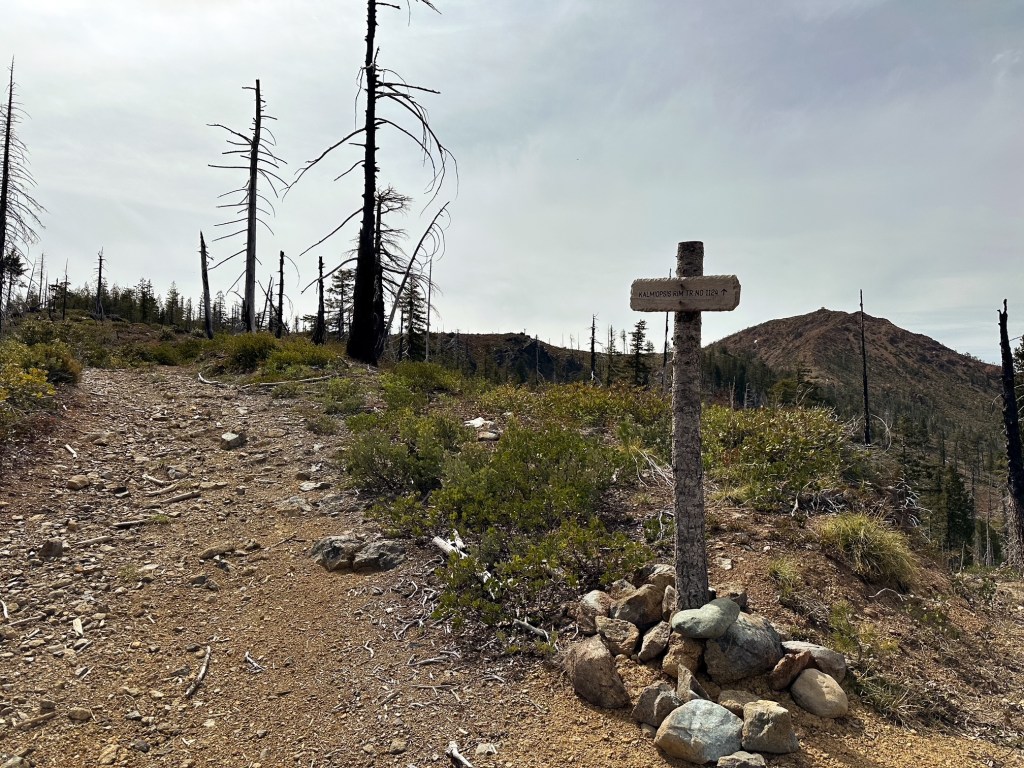
We had hiked the Kalmiopsis Rim Trail #1124 as the start of our route for a 5-day trip through the wilderness. The mileage for this route is estimated based on online information since I didn’t track it on Strava. I opted to conserve my phone’s battery for photos instead. The trail starts out by mildly climbing to meet the ridge line and turning to head towards Whetstone Butte. It drops down on the left hand side of the butte to descend to Eagle gap. Our destination for the night was a dry campsite tucked in a saddle between Eagle Gap and the summit of Eagle Mountain. We didn’t plan on making it very far our first day since we had a long drive from Portland and didn’t make it to the trailhead until after 4PM. We were also traveling with Garnet’s mom for the weekend and had to keep that in mind. There is a spring at Eagle Gap and that is where you would need to get water if you plan on camping in the same spot. You have to drop below the trail on the right side of the gap to reach it. It wasn’t completely obvious where exactly it was located, but we were able to locate it by the Darlingtonia growing around it. From Eagle Gap, the trail becomes faint and steeply climbs to the ridge again. It is roughly 2.75 miles and anywhere from 1,300′ to 1,700′ of elevation gain (I found varying information online) from the trailhead to the summit of Eagle Mountain. I’d estimate the camp spot is about 1/2 of a mile before the summit (a little over 2 miles from the trailhead). These mileages really only matter if you want to break up your route into a backpacking trip like we did.
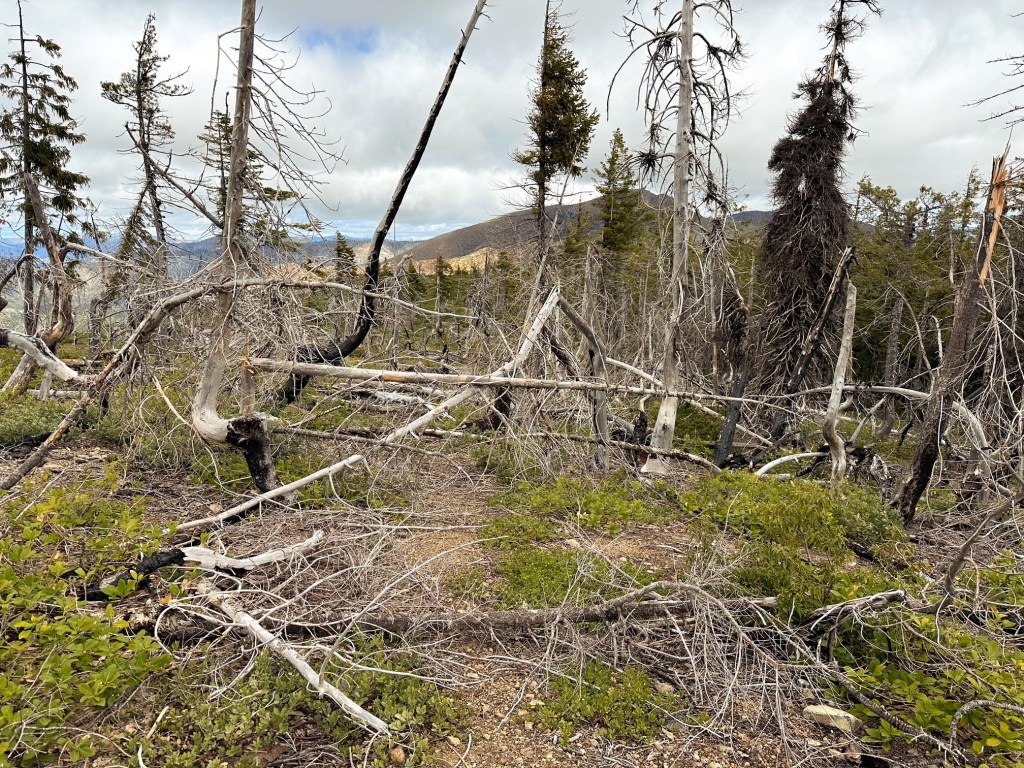
The next morning we woke in a dense cloud with wet gear. We packed up to make the final climb up Eagle Mountain before heading down again to Chetco Pass. I recommend taking a small off trail detour to take in the expansive views from the official summit of Eagle Mountain. There is a small pocket as you are coming down from the mountain that has a few matchstick sections of downed trees to navigate. Once past the treed area the trail widens to an old mining road and you have a clear view of where you are headed. Chetco Pass is roughly 4-1/2 miles from the Kalmiopsis Rim trailhead. You don’t gain much more beyond summiting Eagle Mountain from this route to reach Chetco Pass. You could hypothetically break up your route by camping just below Chetco Pass instead of near Eagle Mountain too. We had hoped we would have had time to reach Pearsoll Peak during this trip but that would’ve required another day for us. Our route for the weekend instead continued down the Slide Creek trail from there to meet up with the Chetco River before heading back up to Babyfoot lake.
Chetco Pass to Pearsoll Peak
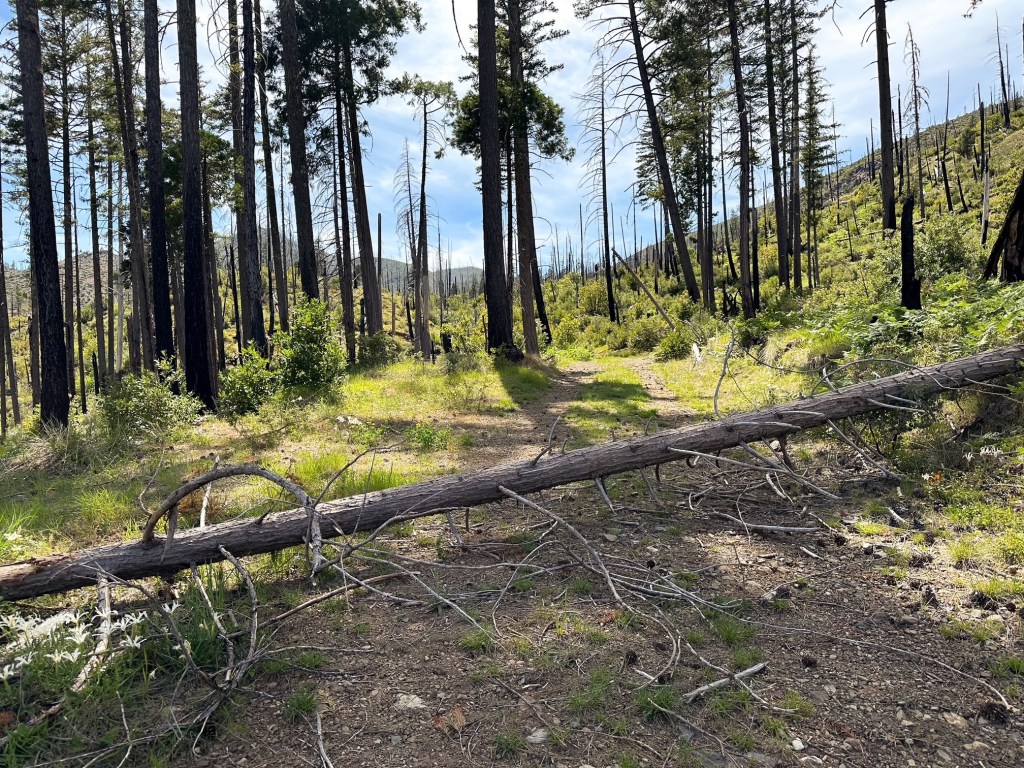
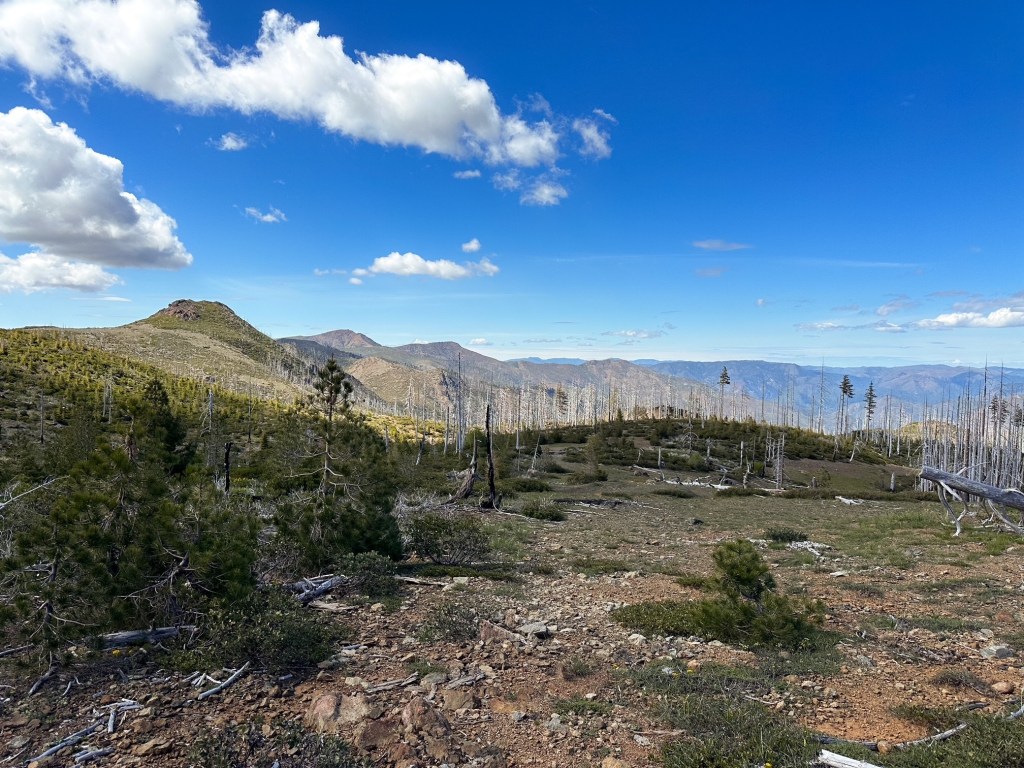
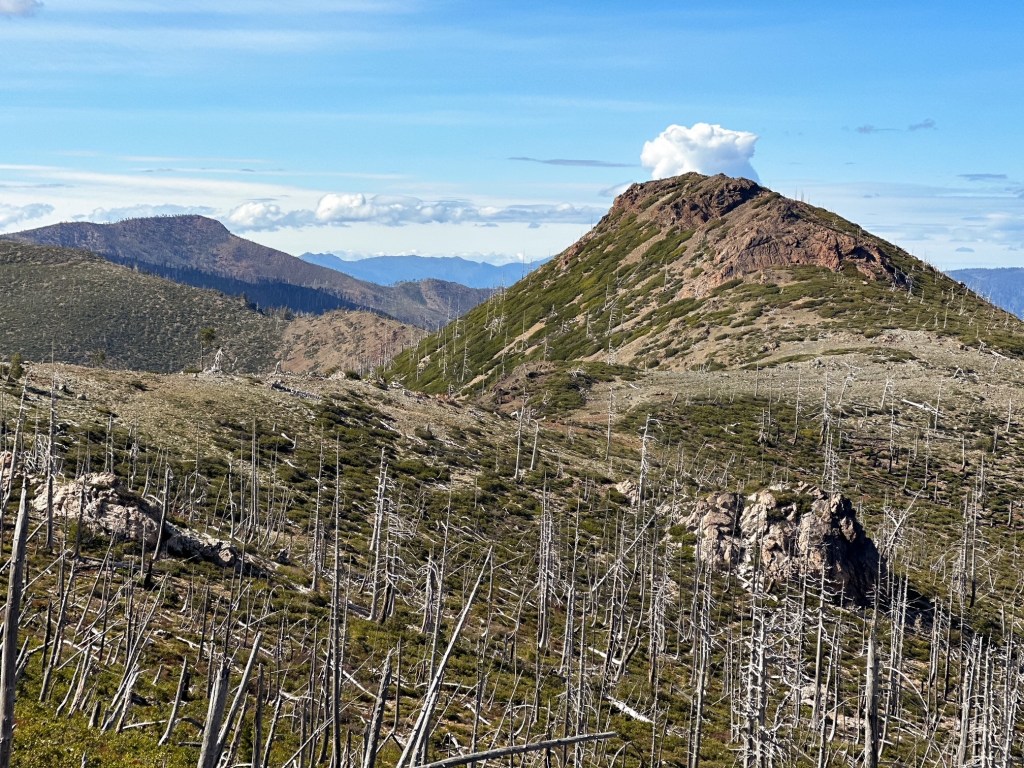
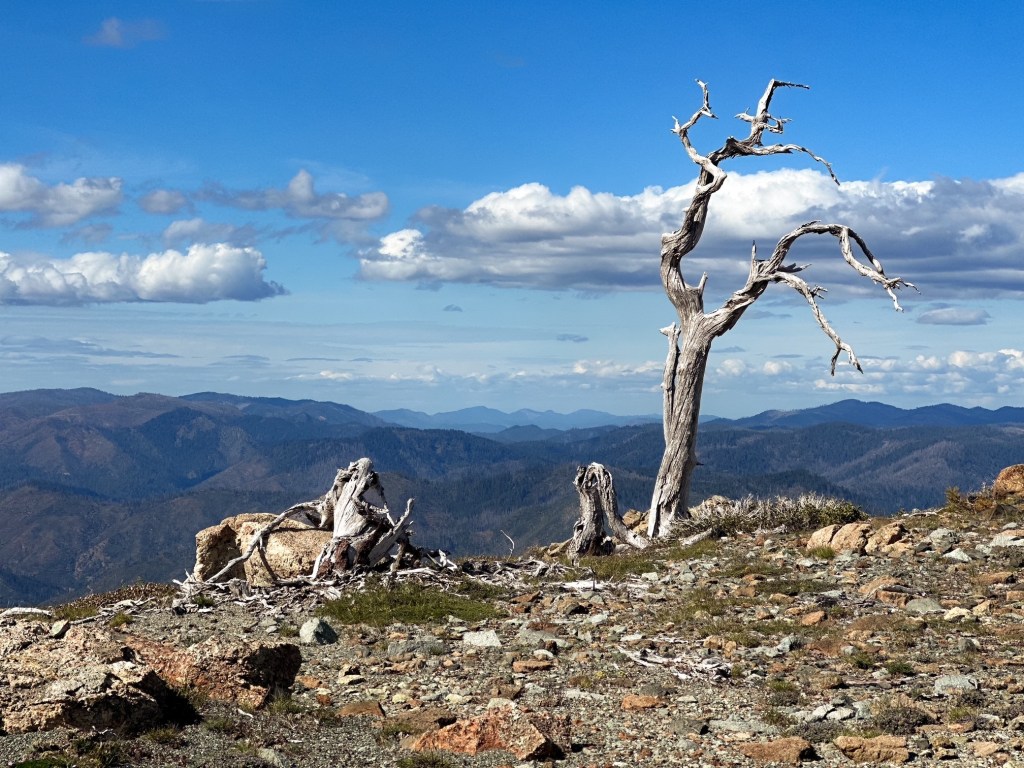
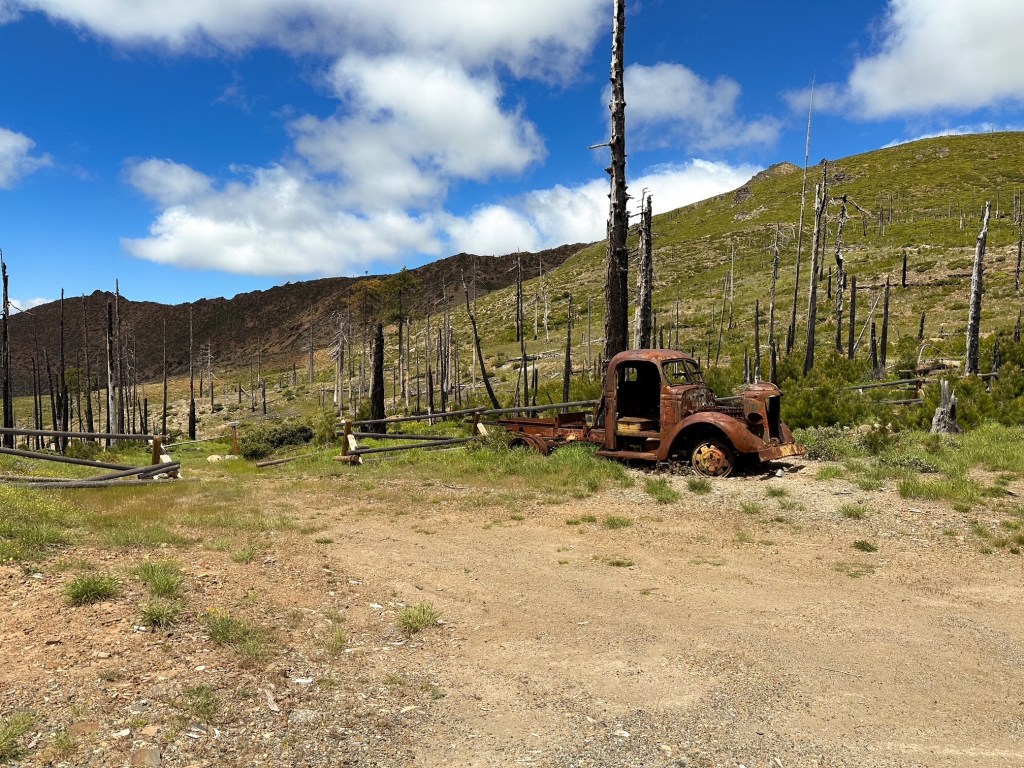
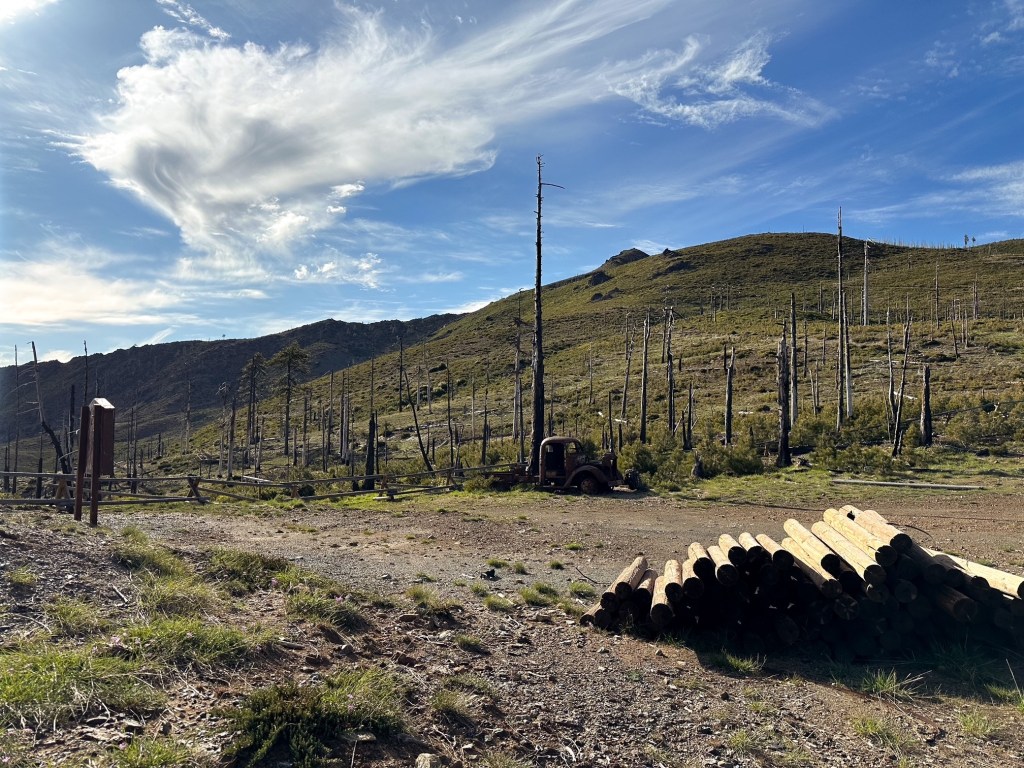
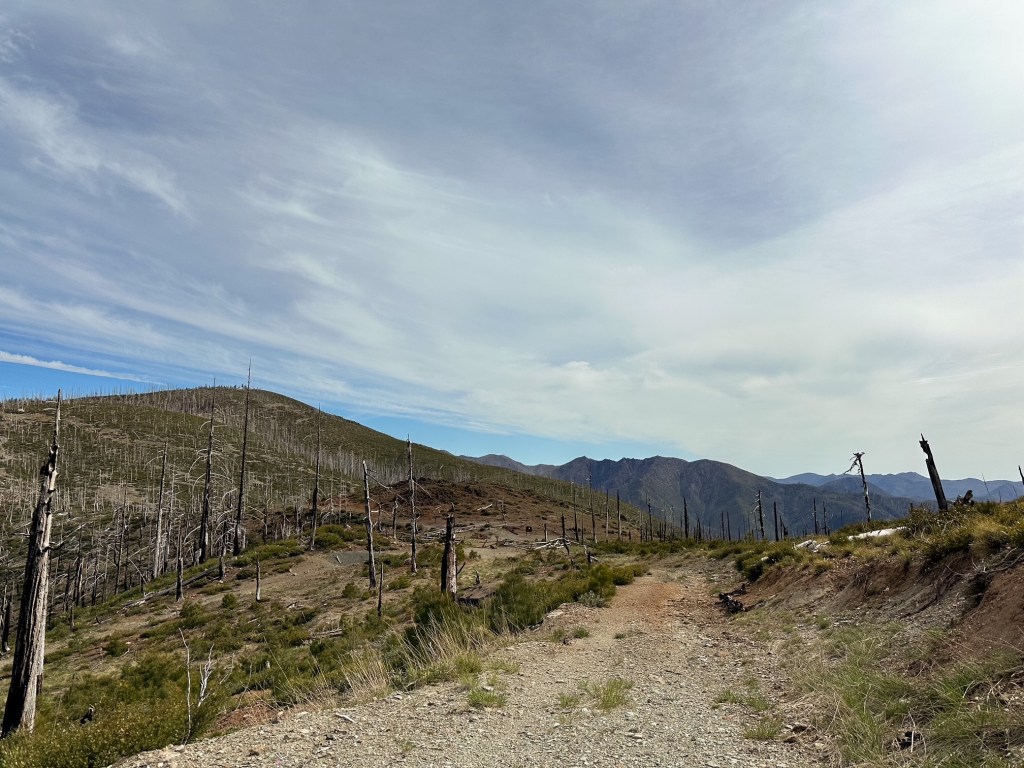
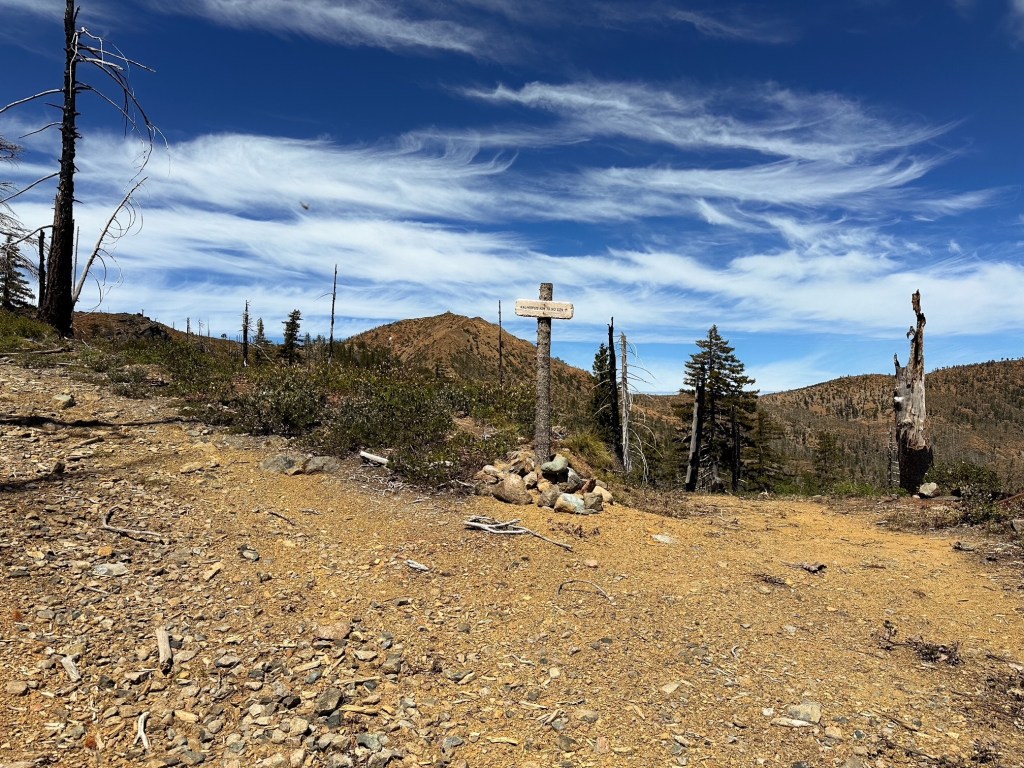
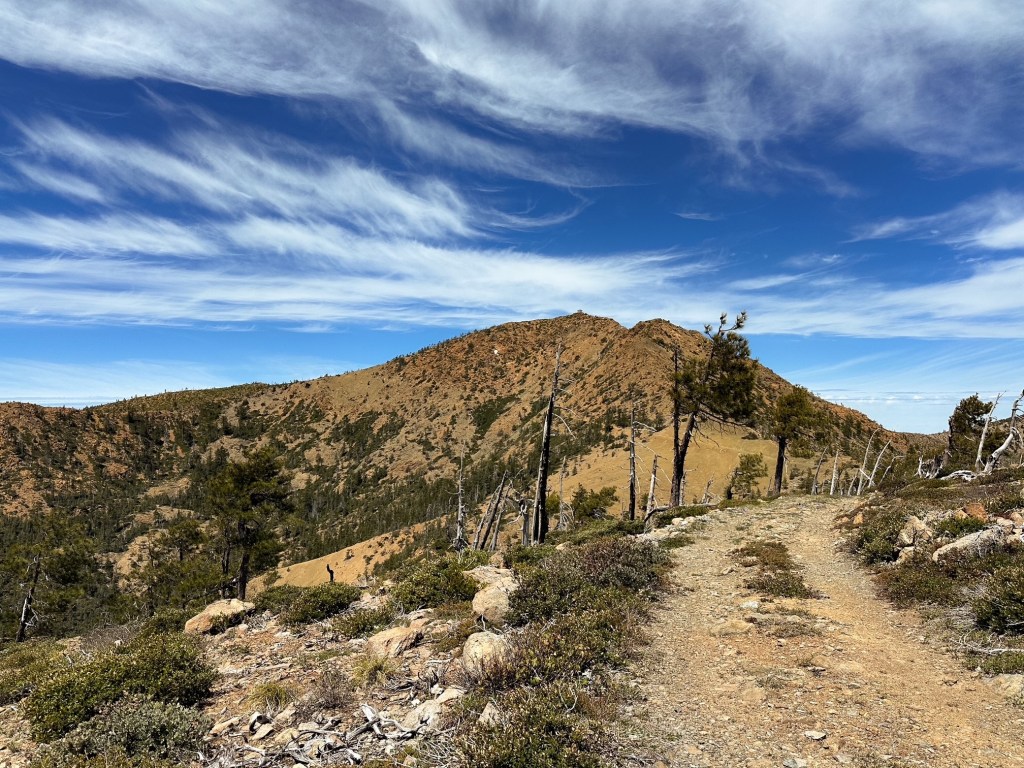
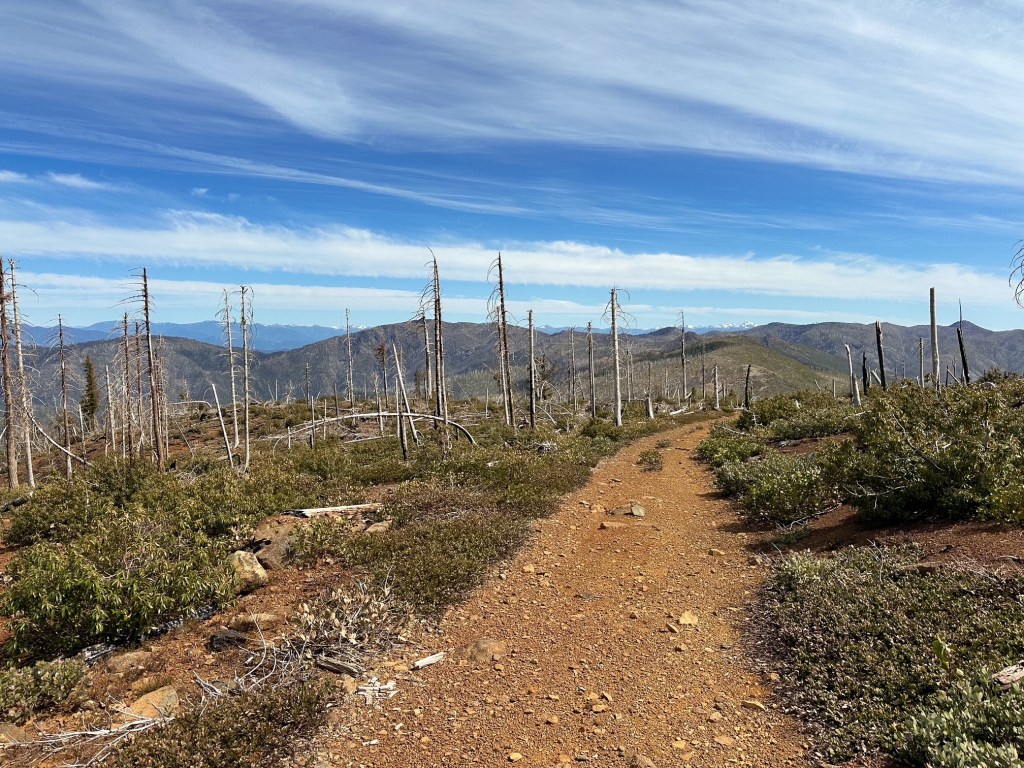
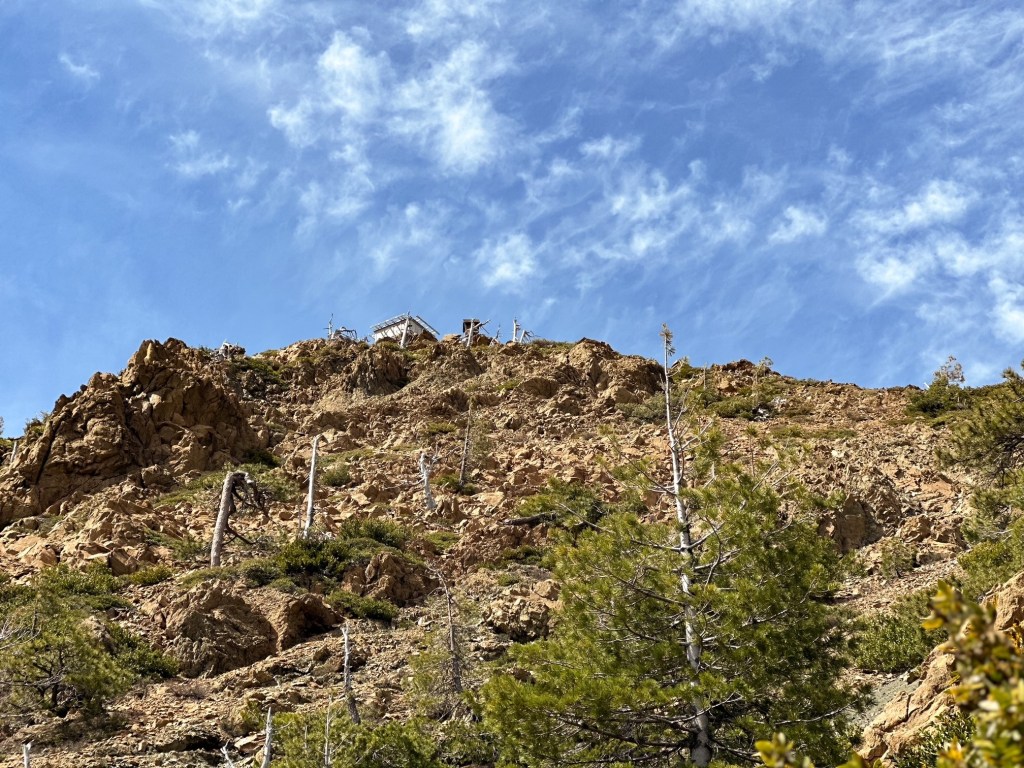
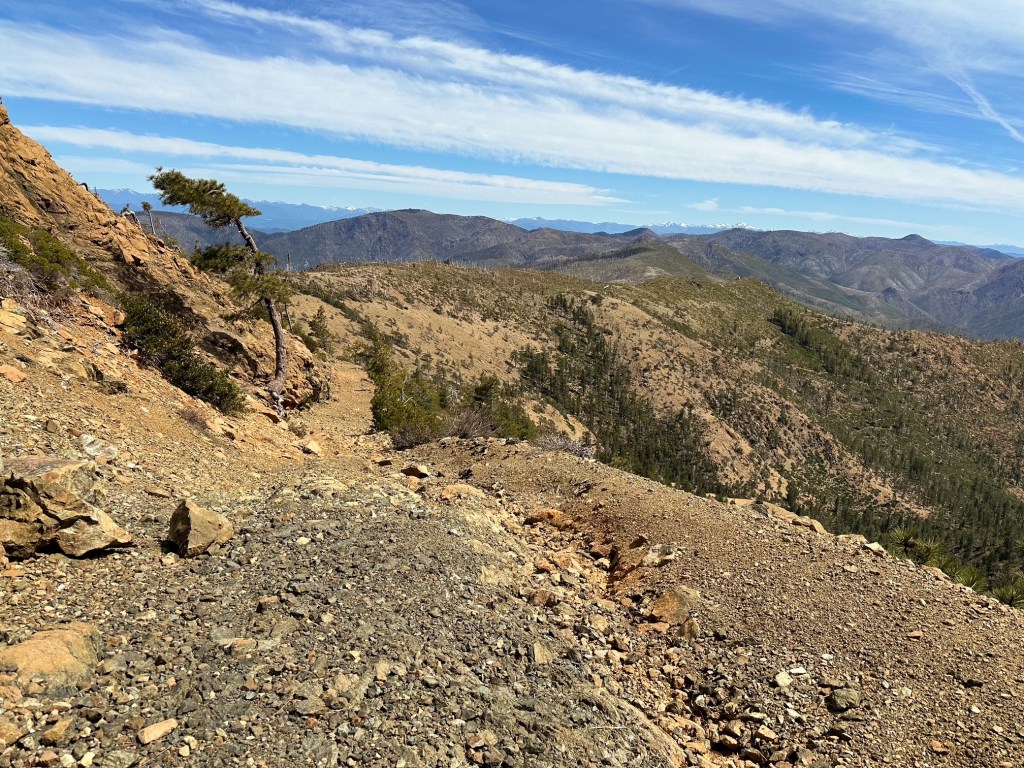
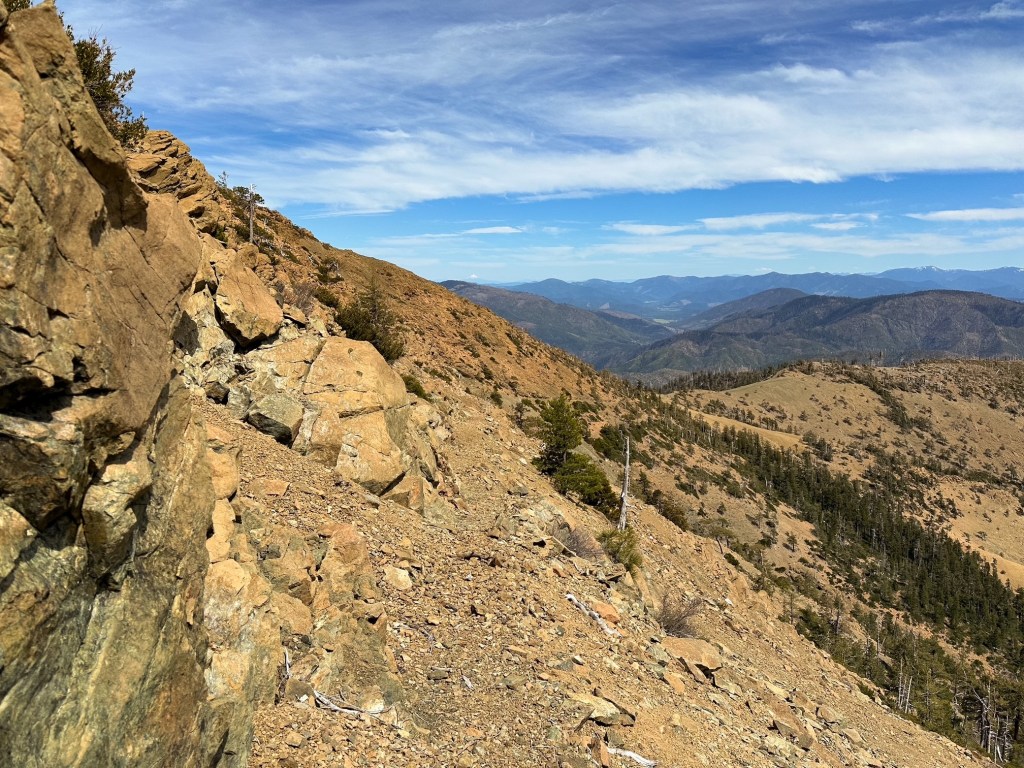
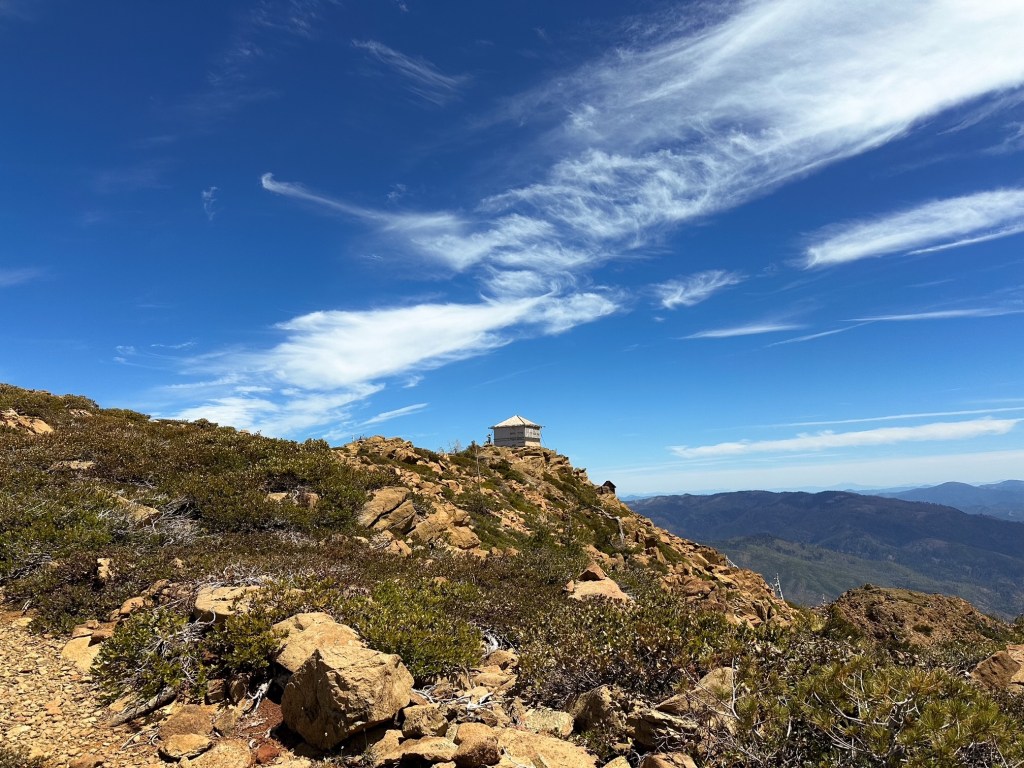
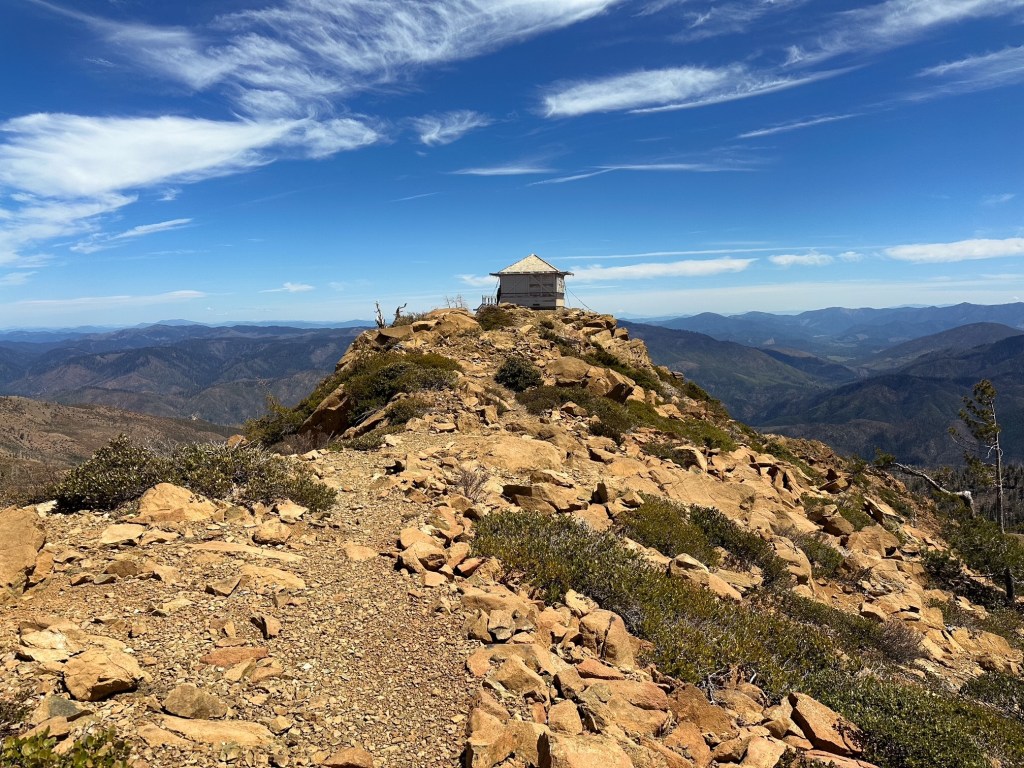
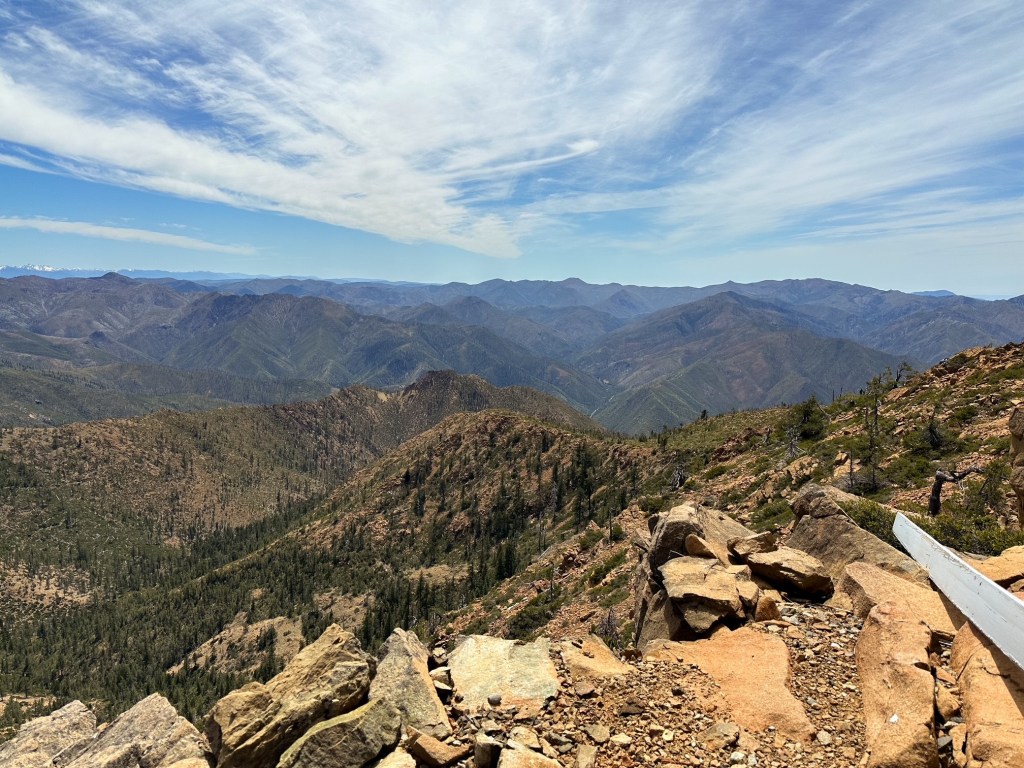
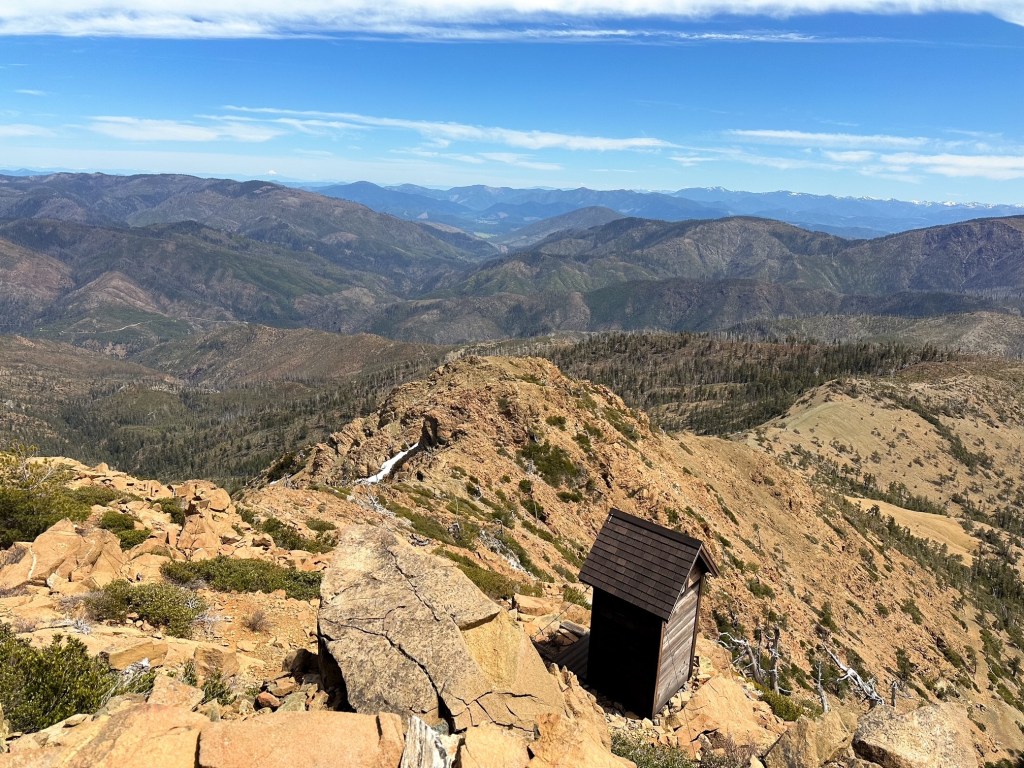
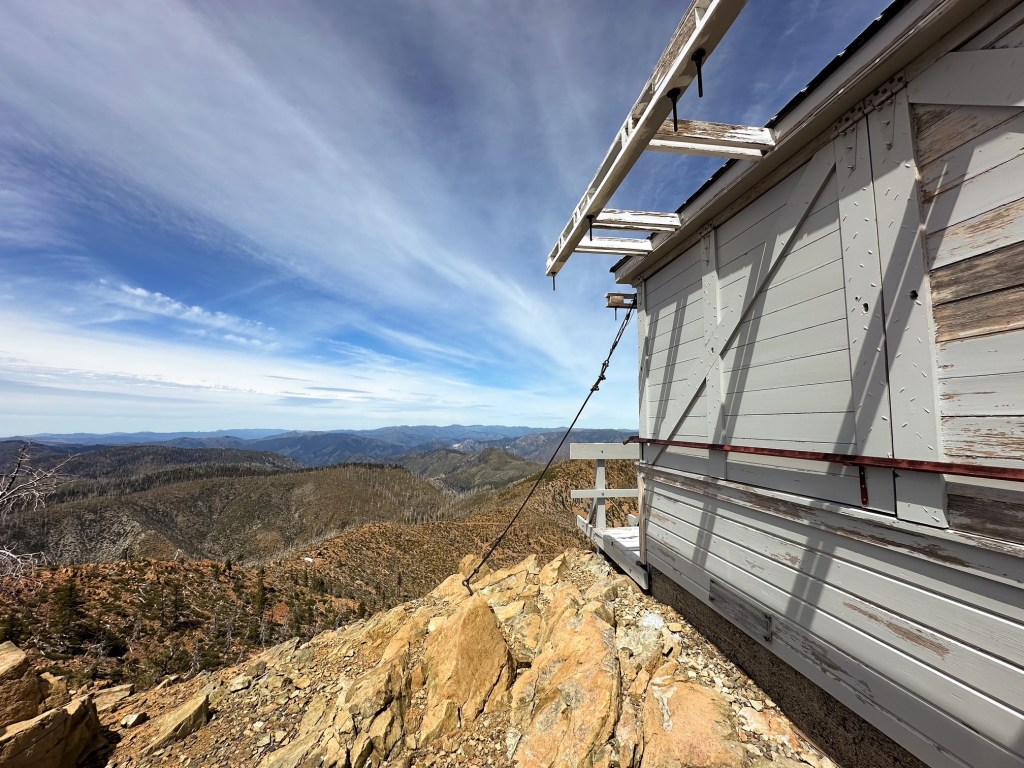
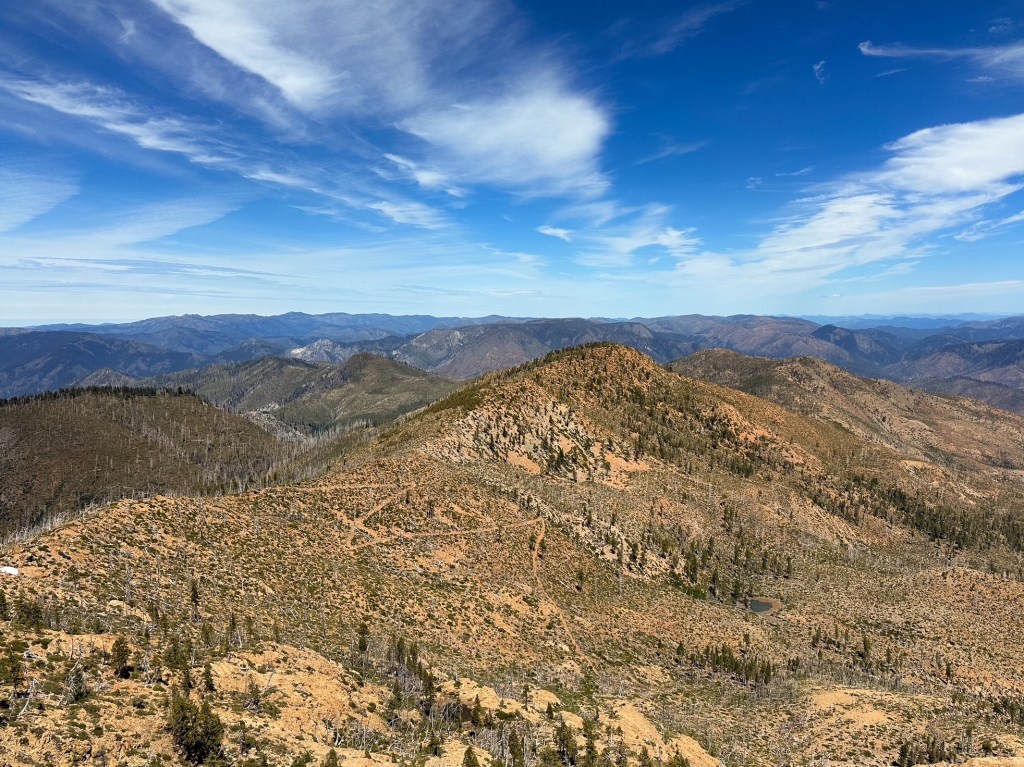
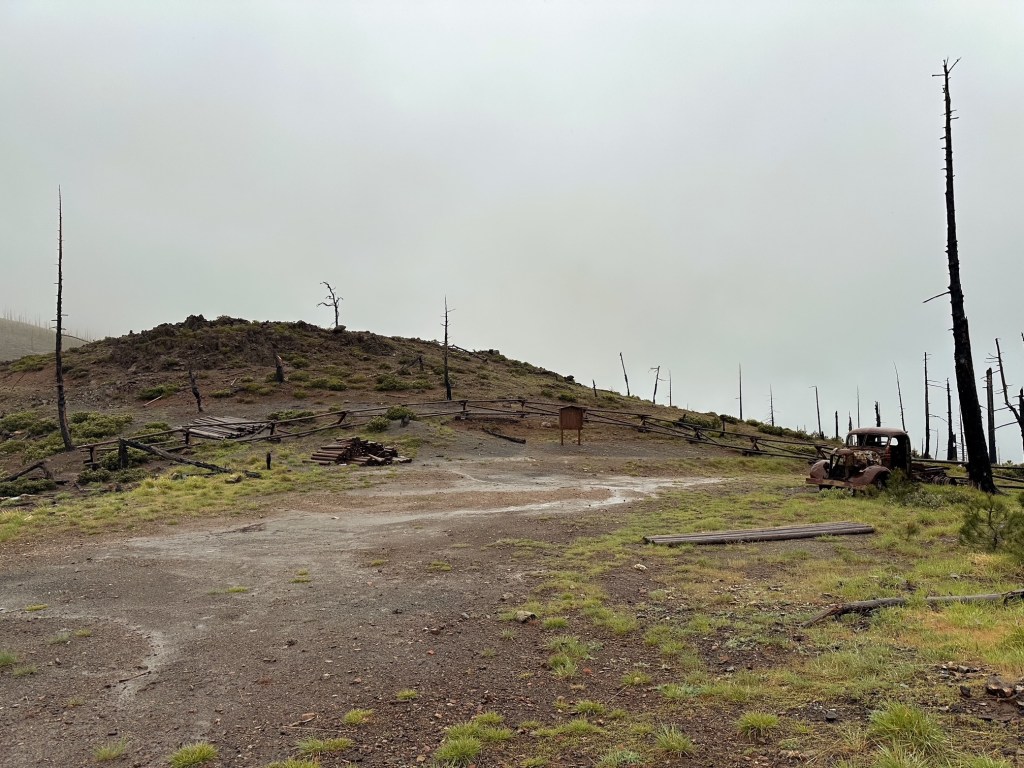
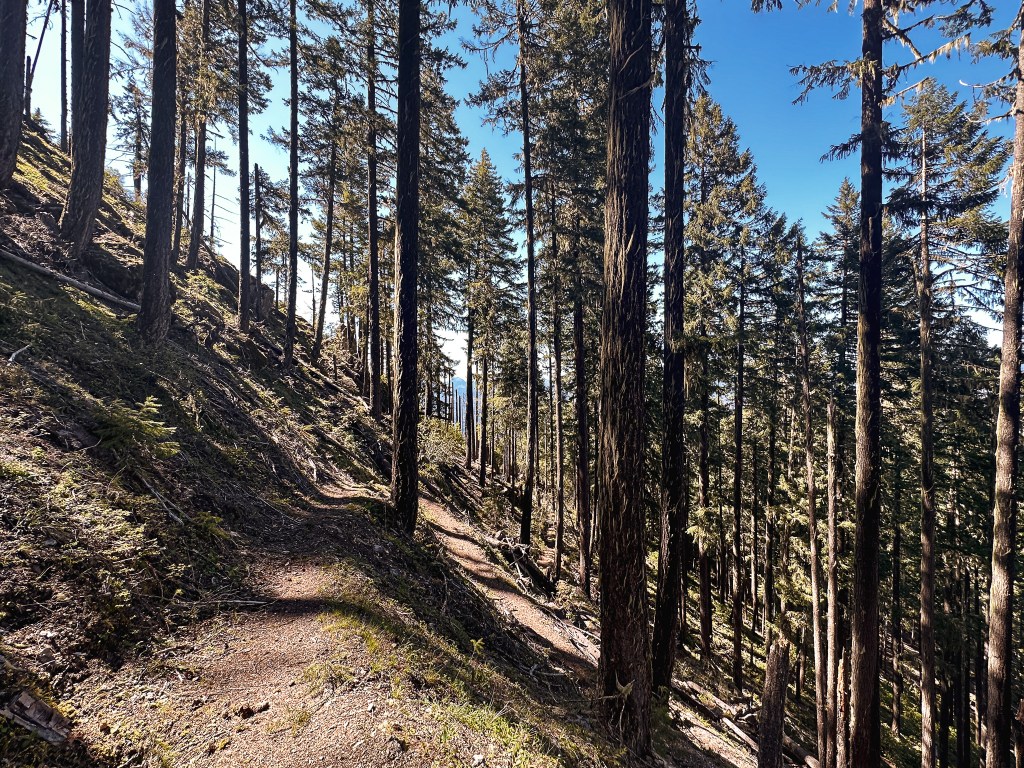
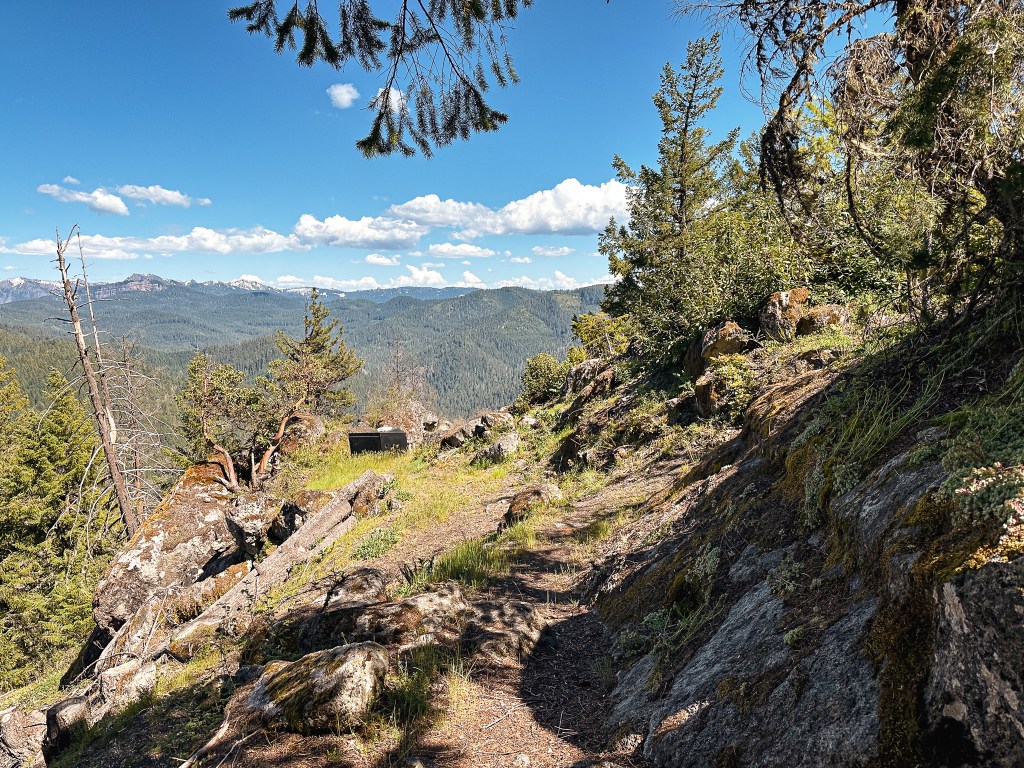
Once you have determined which route you want to take to reach Chetco Pass, the official hike to Pearsoll Peak begins. There are three trails that leave from Chetco Pass. The Kalmiopsis Rim Trail #1124 continues on both the left and right side of the pass, while the Slide Creek Trial #1102 continues straight (if you’re looking at it head on from the road). The hike to Pearsoll is accessed from the right hand side of the trailhead and follows the old road to the official lookout trail. This is the only area with the wood fence cut out – I’m not sure if that was intentionally done or if someone personally cut it to drive farther up the road. The old road continues for a mile before you reach a fork with your first view of Pearsoll Peak. The Kalmiopsis Rim Trail continues straight, but you will want to take the road heading left. This road continues for another mile before ending at the remains of the old Pearsoll Mine and narrowing into the official Pearsoll Peak Trail #1125. The Pearsoll Peak Trail climbs steeply to the back side of the ridge for half of a mile to reach the summit. The map shows that this trail can be accessed from the continuation of the Kalmiopsis Rim Trail on the other side as well, but we did not scope out that route (Aka if you continued straight at the aforementioned junction). The tread along the trail is in mostly good condition given that it is built into the rock, there is only one section that looks like it could erode over time near the main switchback given the looser conditions. We enjoyed our time on the summit with a leisurely lunch before heading back down. Breaking up the distance allowed for us to have more time to enjoy our surroundings.
Although we decided to turn this into a 4-day backpacking trip, you could easily modify it into a shorter trip or a day hike if you’re into hardier hikes. The first half of our trip was sunny conditions and warm temps, but the second half and hike out was in the rain. This lead us to a couple of discoveries. The first was that our tent is probably well overdue for a re-water proofing. The second was that the Chetco Pass road becomes very soft under wet conditions – I wouldn’t recommend trying to drive it if there is any rain in the forecast. Even our feet were sinking in the road in certain areas which only tells me that a car would do the same. Anyway, I’m sure this is way more information than what you need or even want but if you made it this far congrats.
Chetco Pass to Pearsoll Peak is ~ 5.4 miles RT, 1,400′ of elevation gain
Kalmiopsis Rim TH to Pearsoll Peak is ~ 14.4 miles RT, 2,900′ of elevation gain
McCaleb Ranch TH to Pearsoll Peak is ~ 15 miles RT, 4,050′ of elevation gain
History.
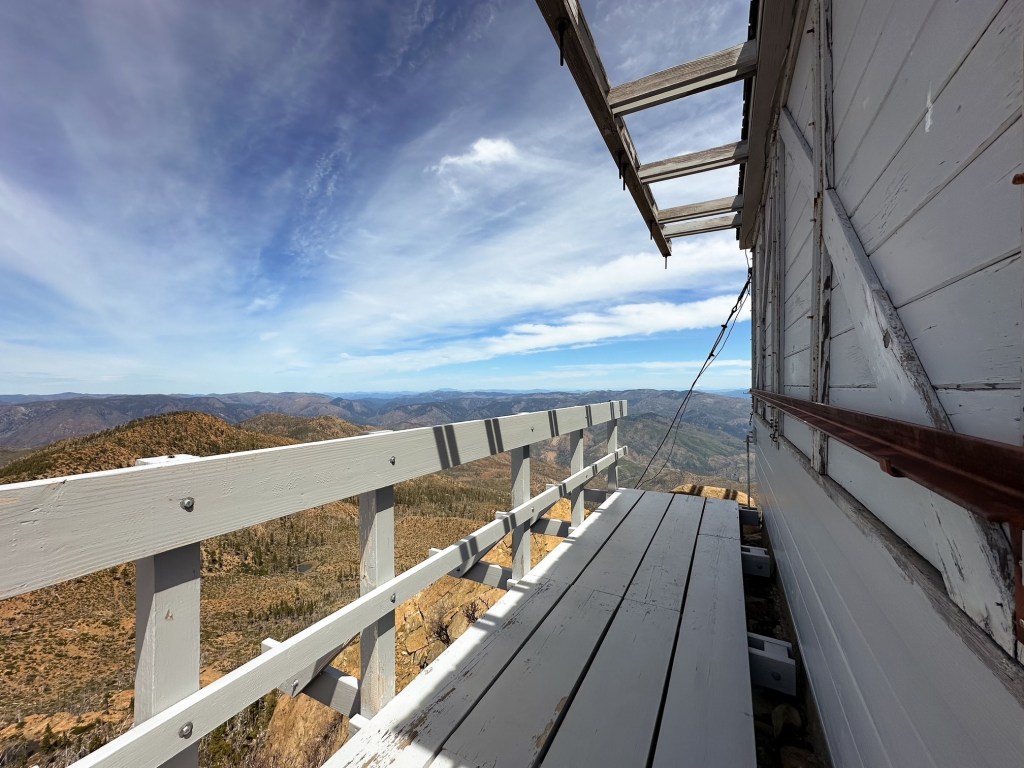
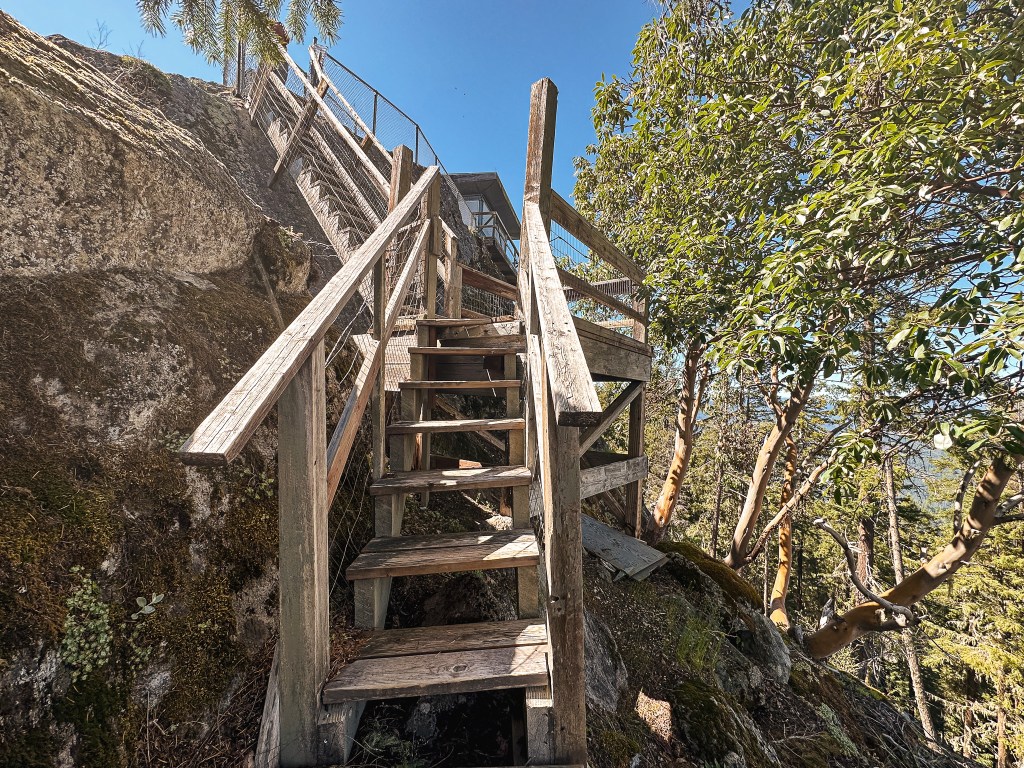
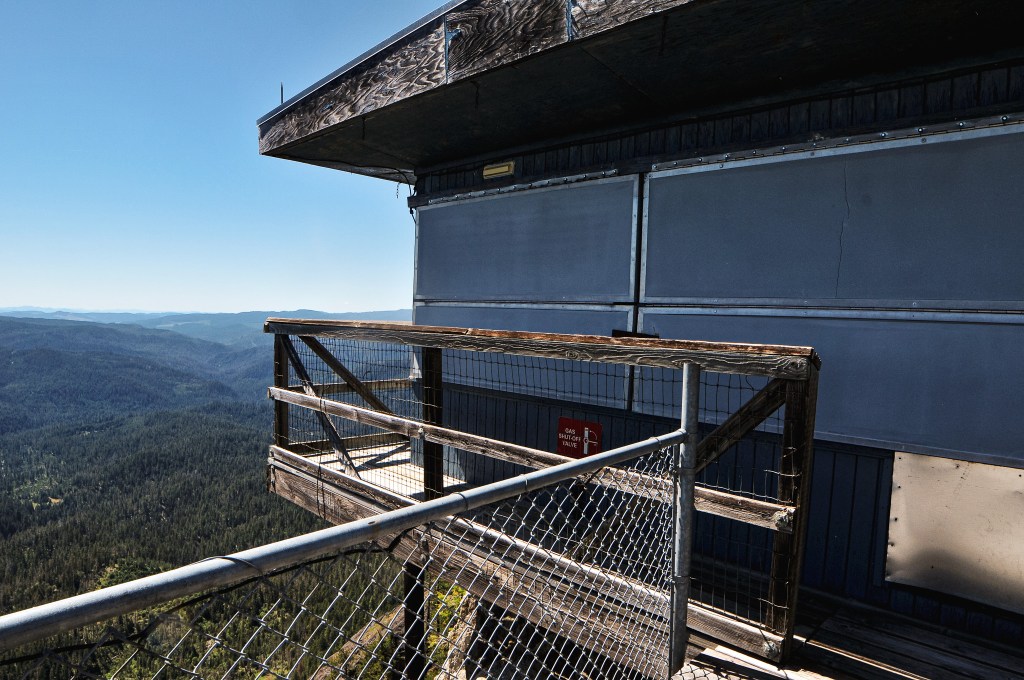
The first structure built on Pearsoll Peak was completed in 1920 as a D-6 Cupola style cabin. There is evidence to suggest this was utilized as a fire detection camp as early as 1914 when a telephone line was constructed. The lookout was replaced in 1954 by the current L-4 ground cabin. This was actively staffed into the early 1970s before being abandoned and falling into a state of disrepair. In the early 1990s, the Sand Mountain Society partnered with the Illinois Ranger District to help to restore the lookout. Thanks to their efforts it still stands today. It is unclear if the Sand Mountain Society still plays a part in maintaining this structure (their website has some glitches and is under construction last I checked). There is a new standing platform and signs of recent paint on some of the shutters. I think most of the maintenance and work is now captained by the Siskiyou Mountain Club. They play a major role in keeping the Kalmiopsis Wilderness accessible for hikers and backpackers through their stewardship programs.
We still had one more night of our trip but I had fudged the reservation at Pickett Butte and only booked two nights. We brought all our gear to disperse camp for the final night. The trickiest part would be locating a good spot to camp. We got up early enough to pack up our things and clean up the fire lookout before locking up. Always try to leave it better than you found it. We headed back out to the paved CR-46 and turned right to head deeper into the forest. If you stay on CR-46 long enough it eventually turns into NF-28 once you have reached the forest boundary. We drove a little bit past our turn for Acker Rock to check out the South Umpqua Falls first. This is a popular swimming area in the summer when the water and current are not as strong. There were still a handful of people here trying to take advantage of the warm weekend in the shallower areas. We didn’t stay too long since the day was only getting warmer and we didn’t want to be hiking in the heat of the day if possible.
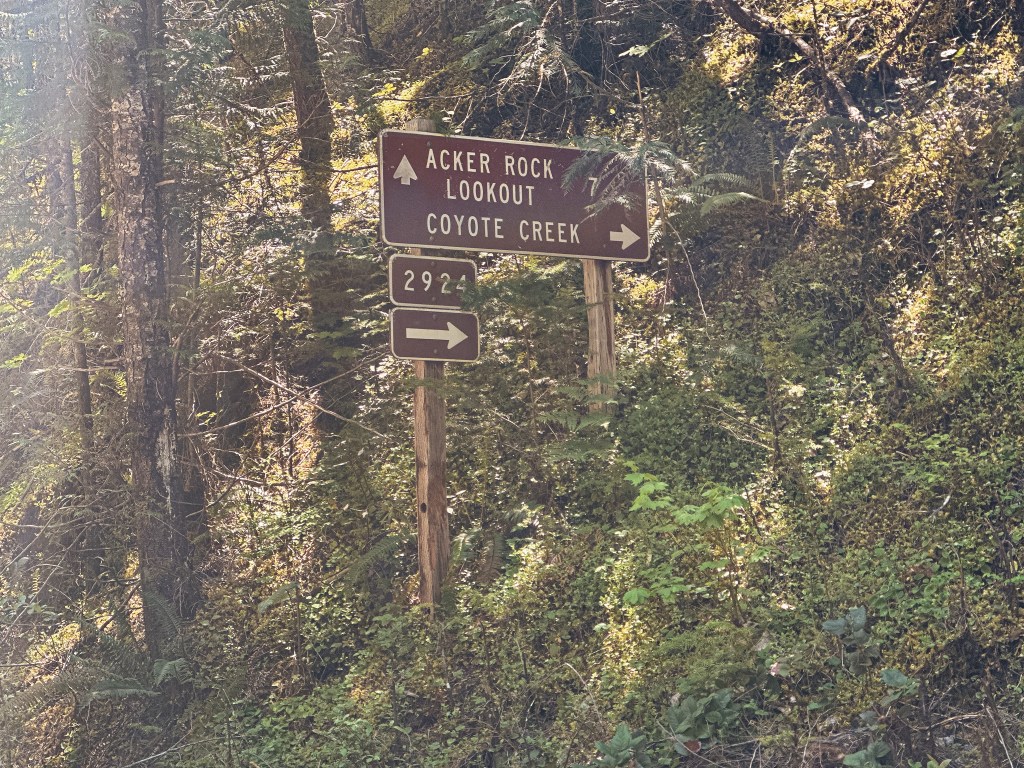
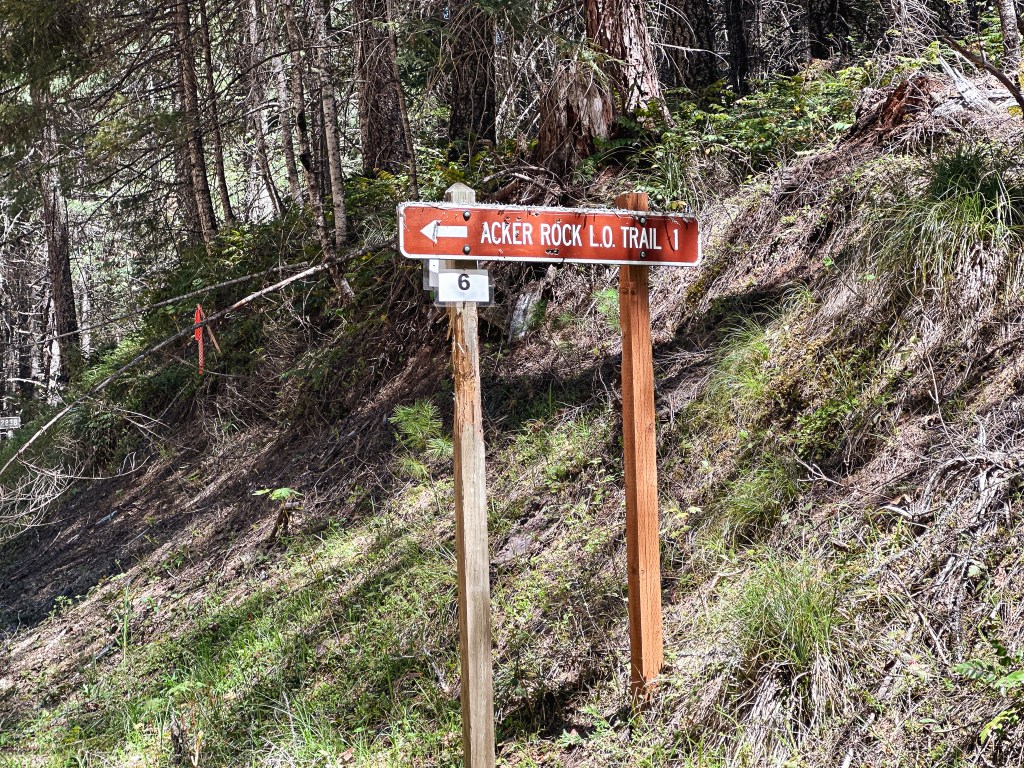
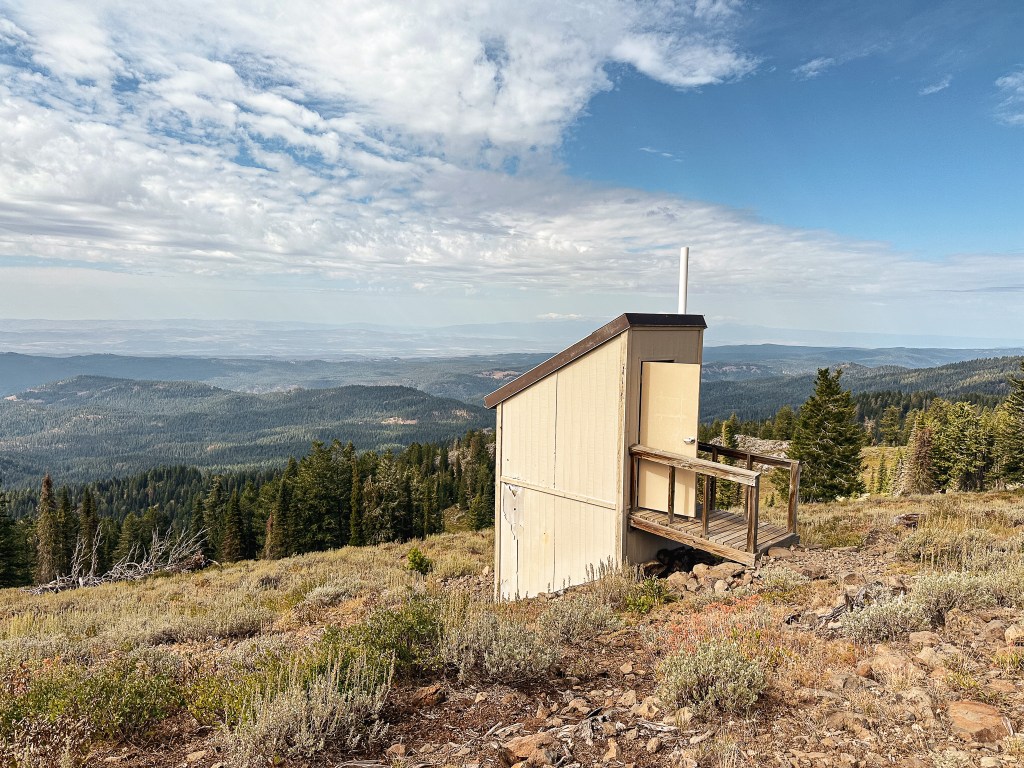
We back tracked a bit to cross the South Umpqua River on NF-29 and followed this to NF-2838 off to the left. We stayed on NF-2838 until we reached the gated NF-950 where the road walking would begin. There were a couple signs for Acker Rock along this route that made it easy to navigate. This is a rentable fire lookout as well, but the season is much shorter and it does not open until August 1st. We decided to visit outside of the rental season since it’s directly on the ground and would make it hard to visit without disturbing the renters. There was one other car parked near the gate when we arrived and we could only assume they were at the lookout. If you are renting, you should get a code to unlock the gate to drive closer. Though there is still a short but steep 0.4 mile hike to the fire lookout to be aware of. We packed a lunch to have at the lookout and began our road walk. It’s fairly straight forward. We followed the road until it dead ends in a parking/turn around area. From there, it turns into more of a trail that switchbacks up the side of the ridge. You will pass the exposed composting toilet on your way up and hope that no one is using it at the time of your visit (or hope that no comes up while you are using it). There were some smaller downed trees we had to navigate around at the start of the trail, but I’d be surprised if someone hadn’t cleaned them up since our visit. There was no one else at the lookout when we arrived and we didn’t run into anyone along the road either. We speculated that maybe the vehicle was abandoned or they were wondering somewhere off trail. We eventually got our answer as we saw two guys rock climbing up the other side of the ridge. One of them came over to check out the lookout while we were having lunch and gave himself a scare when he didn’t hear us. We spent a good chunk of time hanging out at this lookout since the only thing left to do for the day was find a place to camp.
The Strava app calculated this hike at 3.08 miles RT with 1,025′ of elevation gain. You can assume the road is around 1-1/2 miles from the gate to the summit. We ended up camping off the side of a road in a grassy pull out for the night. We passed up a couple different official dispersed spots given their location or otherwise. Not all dispersed camp spots end up being what we want and are more about convenience for the night. There were a couple of campgrounds in the area, but we had passed on those as well.
History.
Acker Rock was first established as a fire lookout site in 1932-1934 when a 14×14 L-4 gable roofed ground cabin was built on the summit. At the time the lookout was accessible by driving 21 miles outside of Tiller and then hiking an additional 3 miles. It was noted as possibly being used as a lookout point prior to this but no structure was utilized. It was replaced in 1963-1964 by the current R-6 flat cab structure and was staffed until at least the late 1980’s. Given the precarious location of the lookout, replacing the structure was no easy task and required helicopter assistance. A news article from 1963 stated “the lookout house appeared to be supported on one side by rock and on the other by little more than imagination”. In 2006, the roof was replaced and needed repairs were completed before it was added to the current rental program.
After heading back down from Bland Mountain (post), we continued our route along county HWY-1 to reach the community of Tiller. The ranger station is easily located after crossing the South Umpqua River on the left hand side. The office building was already closed for the evening but you are still welcome to explore the grounds. The access to the re-located fire lookout is found to the right of the main parking lot via a short trail. You can see the fire lookout from the lot and it is well signed for access. The lookout was closed up for our visit, but I believe they open it up to visitors during working hours upon request. Despite being well cared for throughout the years, it is definitely starting to show its age. I’m curious to see if access and maintenance on the lookout will change once the rangers are relocated to Canyonville. I would guess that it would make it and the other historic buildings onsite an easier target for vandals. Strava tracked the walk as only 0.24 miles RT with not enough elevation change to register. There wasn’t much to note about out visit except there is a spigot in the parking lot that provides water to the public. After taking a refreshing rinse, we continued on into the forest for the weekend.
History.
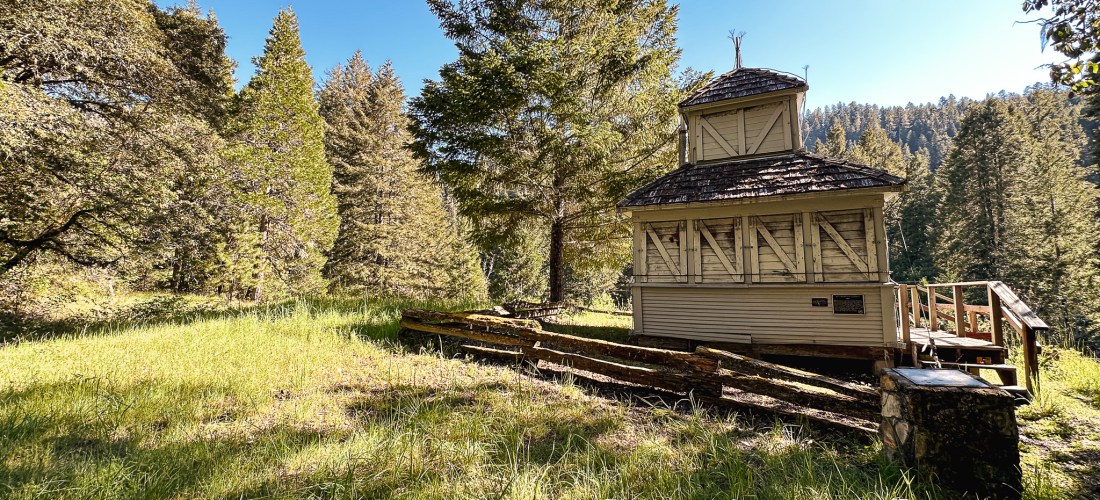
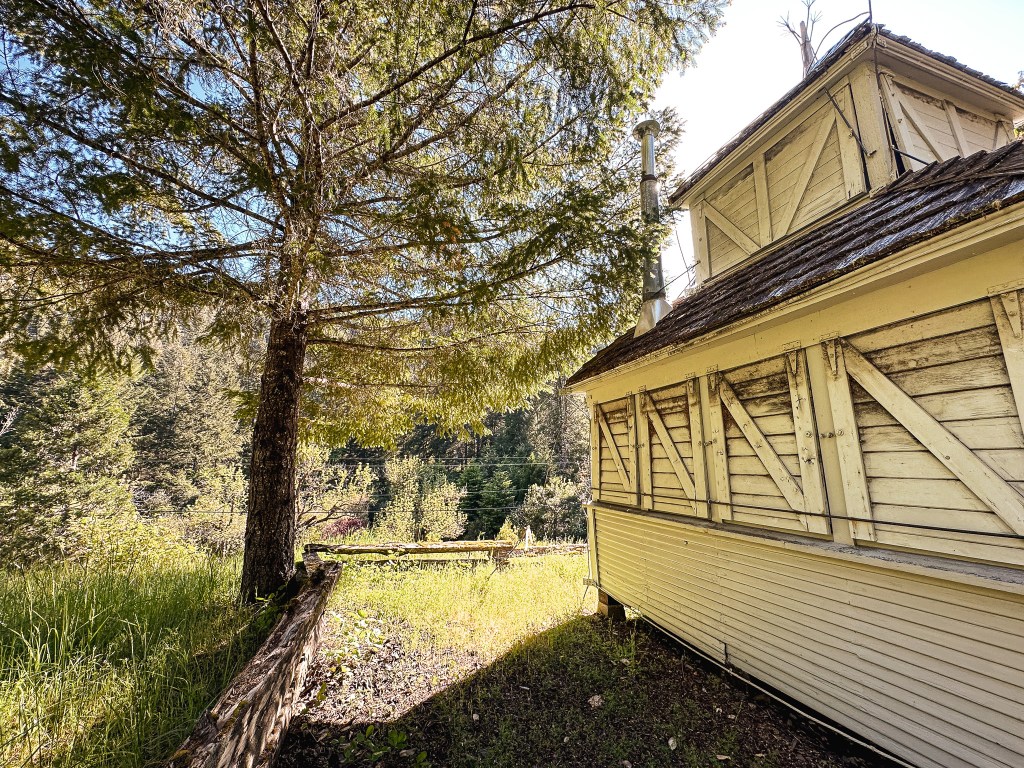
The original site of Red Mountain was developed in 1921 by adding a 25′ platform crows nest with tent camp. A D-6 style 12’x12′ cupola cabin was added to the site in 1928. The fire lookout was actively staffed into the 1960s. It sat unused on the site until it was relocated to the Tiller Ranger Station in the fall of 1985. There is a dedication plaque on the lookout crediting Roy O. Brogden, District Ranger 1984-1998, with heading the relocation and restoration efforts in this area. Restoration work was completed in June 1986 by a combined effort of the Forest Service, State Historic Preservation Office, and the National Advisory Council on Historic Preservation. Additional restoration work was completed in 2000 by community volunteers in celebration of National Public Lands day. The site is open to self guided tours at anytime, but the lookout itself is locked. You can inquire about gaining access between Monday through Friday from 8am to 3:30pm. I’m unsure if access to the interior will be available after they move the Rangers stationed here to Canyonville.
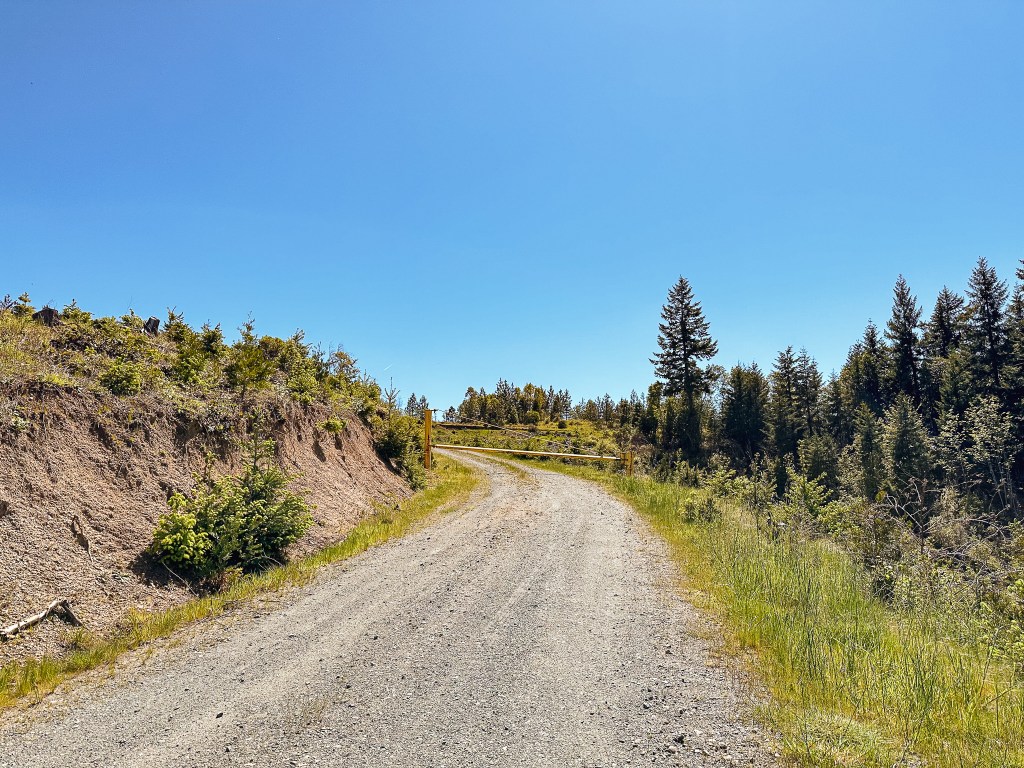
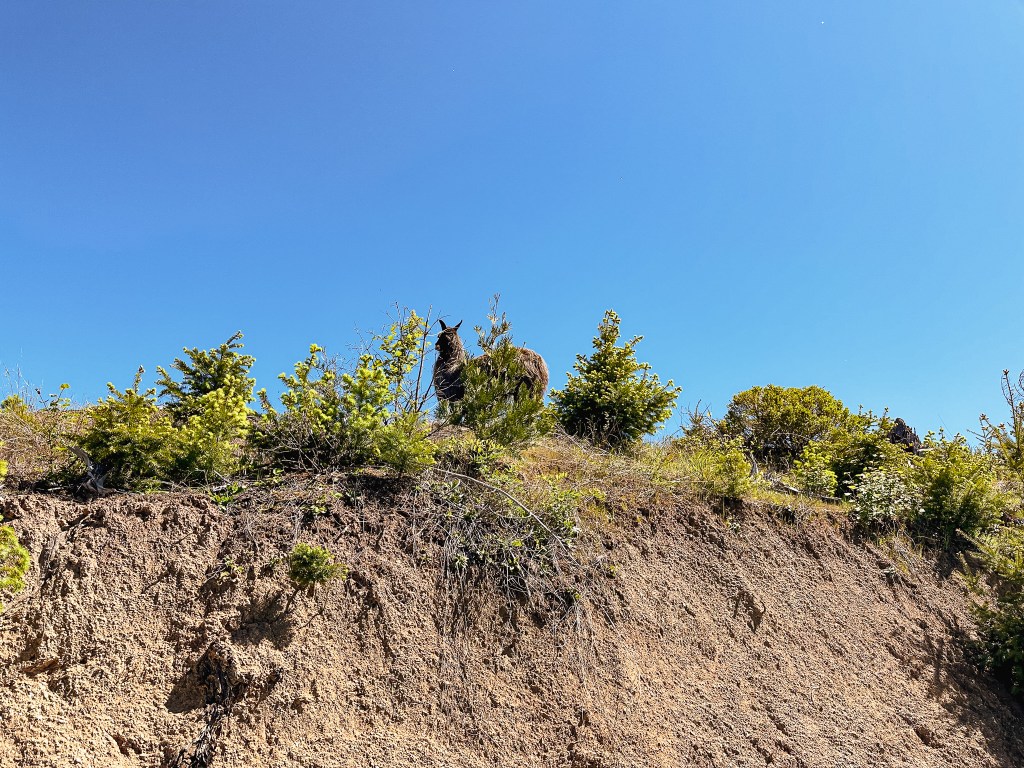
We were headed out on a four day trip to explore the South Umpqua drainage in celebration of Garnet’s 30th birthday. I had booked Pickett Butte for two nights and we planned to disperse camp for the third night. Bland Mountain was planned as our first stop before heading into the forest for the weekend. It is located just outside of the community of Days Creek on BLM land. From Portland, we shot down I-5 all the way to Canyonville and turned onto county HWY-1 to head towards Tiller. We followed this to Days Creek where we hung a left onto Days Creek Road. The road is located right off the bend entering the community. We were following the directions off a Peakbagger report from Dennis Poulin. He seems to have a lot of helpful reports on Peakbagger in relation to accessing fire lookouts. I always click on his reports first when I see his name listed. Unfortunately, we saw somewhere that he had passed away (may he rest in peace). His directions indicated that the BLM road 30-4-10 was only 2 miles down Days Creek Road. This was helpful since most of the roads off of Days Creek are private drives. There was a sign for the BLM road, but it would have been impossible to spot from the main road due to it being turned around and slightly leaning in the brush. It’s easy enough to locate if you keep an eye out for a main gravel road off to the right around the two mile marker. Once on the BLM road 30-4-10 its a little under 2-1/2 miles to the gate for Bland Mountain. There was one junction that wasn’t mentioned on the directions after we entered a clear cut and had a view of the fire lookout ahead. The road we were on looked to continue straight but there was another road veering right that looked like it could have headed toward the summit as well. We stayed left (straight) since it wasn’t mentioned. The next junction we met off to the right was on a bend in the road and was the one we took to reach the gate. The gate is shortly after you start up this road and doesn’t offer much room to turn around. I’d recommend parking below and hiking up from there if you’re not comfortable making a tight turn around or backing down the road. We parked at the gate and prepared to walk the remaining distance. As I was turning around the car I noticed an animal off to the left. This might be one of the strangest things I’ve seen in a while, but it was a llama free range grazing near the gate. I can only assume it was owned by someone in the area, but there was no one else around that we could see.
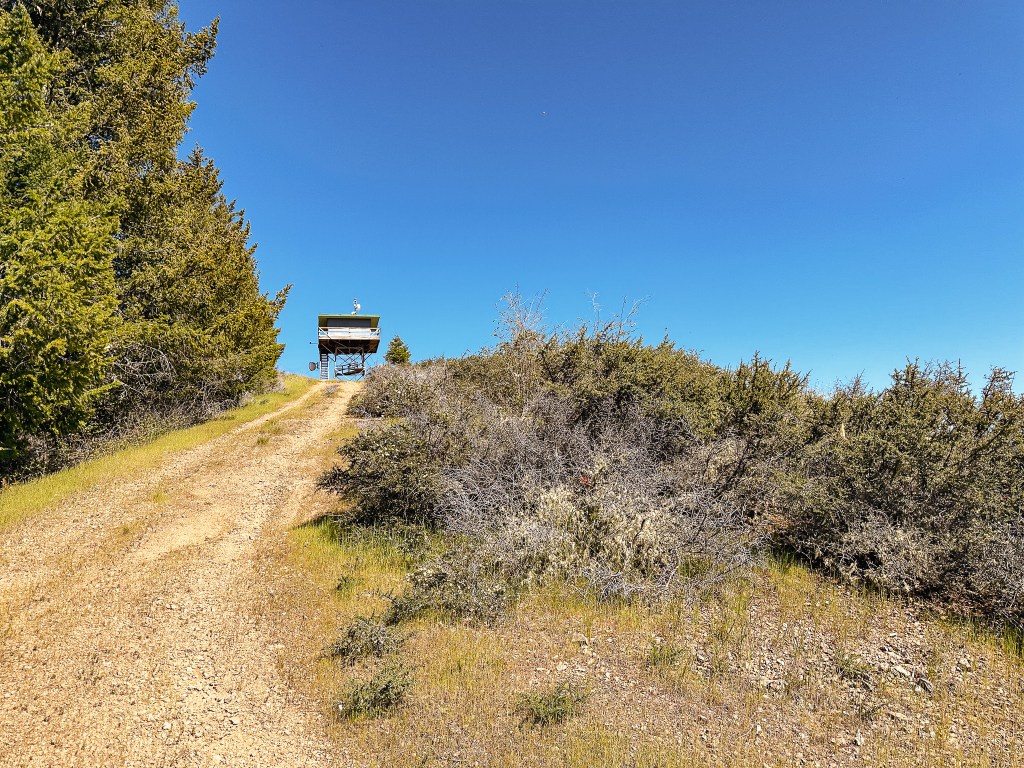
There wasn’t much to note about the road walk to the summit except that it was too hot and dry for early May. I feel like we’re gearing up for a terrible fire season this year *narrator: a terrible fire season indeed*. This entire spring has been lacking what Oregon is best known for, rain. There was a pretty display of California Poppies lining the road. I even found signs of an old gate that was probably used back when the fire lookout was staffed. The final spur to the fire lookout was off to the right while the main road continued straight. Despite being a short hike, I was struggling in the heat by the time I reached the base of the tower. I waved to the fairly new looking camera and headed for a spot in the shade of the tower. A new lock had been added to the trap door to keep visitors from accessing the catwalk and, more importantly, to keep them away from the fancy equipment. The view was pretty much the same from the base of the tower anyway. I found this lookout and summit to be accurately named. It does have a uniquely repurposed base to add interest though. We didn’t linger for too long since we still wanted to visit the lookout at the Tiller Ranger station and get settled at Pickett Butte for the night. All the roads getting here were good pavement or decent gravel and we had no issues in our Civic. The hike along the road came in at 1.75 miles RT with 472′ of elevation gain on the Strava App.
History.
Bland Mountain was established as a fire detection site in 1942 with a tent camp. The first tower was built in 1947 as a 20′ treated timber tower with 14’x14′ cab. The NHLR notes it as being a 25′ tower. The base was replaced in 1996 by a 20′ tapered metal tower that was formerly used to support a water tank. It was actively staffed up until the late 2000s, but has since been abandoned. It’s most likely still listed for emergency status. A camera has been added to the cab for surveillance of the area.
It seems that stumbling upon available fire lookout reservations has been our luck. We have yet to actively seek out renting a fire lookout, but have simply been looking at the recreation.gov page at the right time. This was how we acquired our Steliko Point (post) reservation and that is essentially how we acquired this one. I feel fortunate in this aspect since some people attempt for years to get certain reservations with no luck. We were searching for potential places to travel during my birthday trip in April and stumbled upon Pickett Butte availability. At first glance we thought the dates were for April, but quickly realized it was available during Garnet’s birthday weekend in May instead. We decided to roll the dice and book it with hopes of it being snow free with decent weather. It is a fairly low elevation fire lookout, so the main concern was how the weather would pan out. I did end up fudging our reservation a bit because I thought I needed to wait to book the third night, only to realize I should have booked it at the same time (a little too late). This was not a big deal to us, it just meant we needed to bring more gear to accommodate dispersed camping for one of the nights we’d be gone. Somehow our gamble paid off and the weather was forecasting in the mid 80s with sunny clear skies for the whole weekend.
Friday.
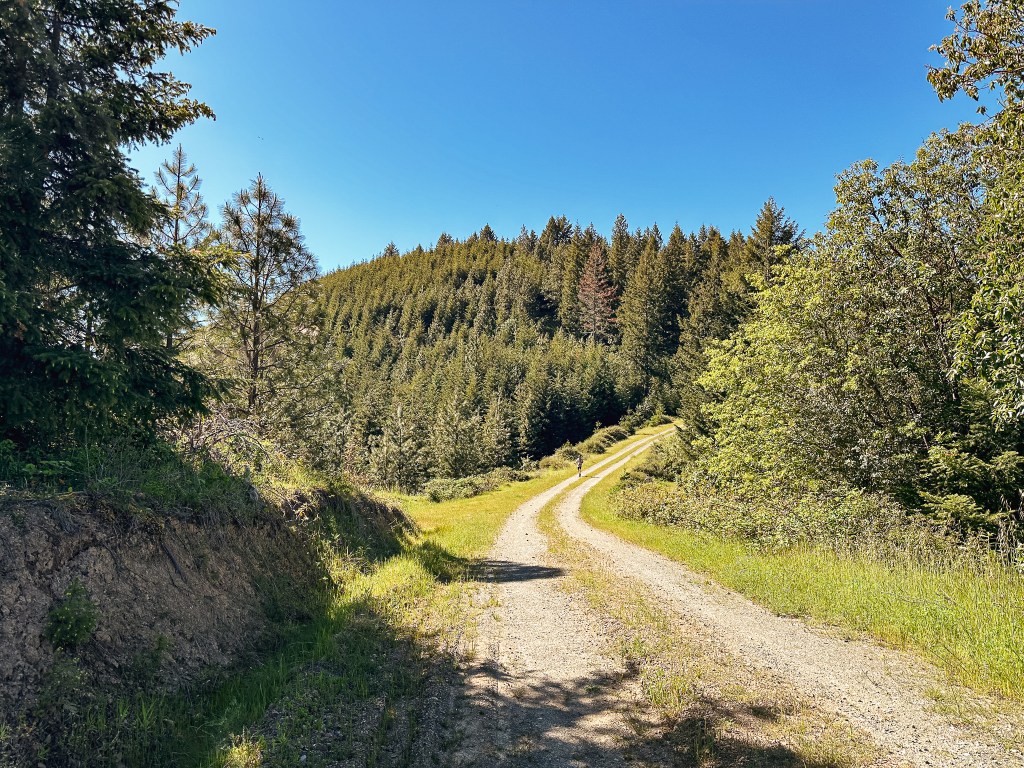
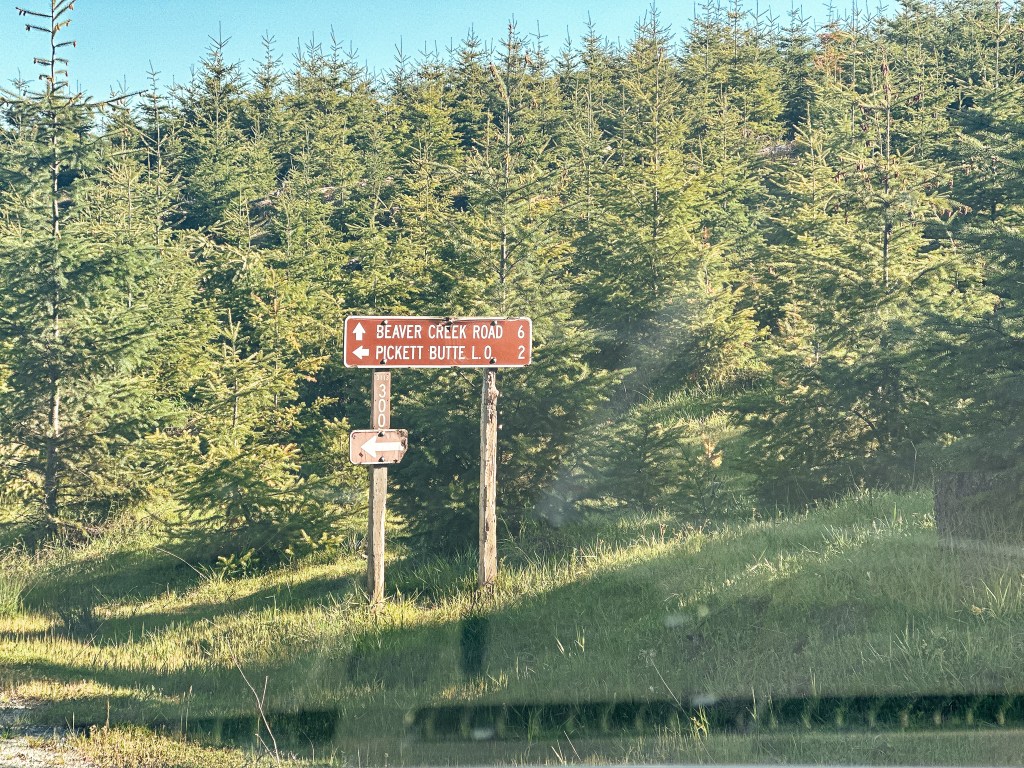
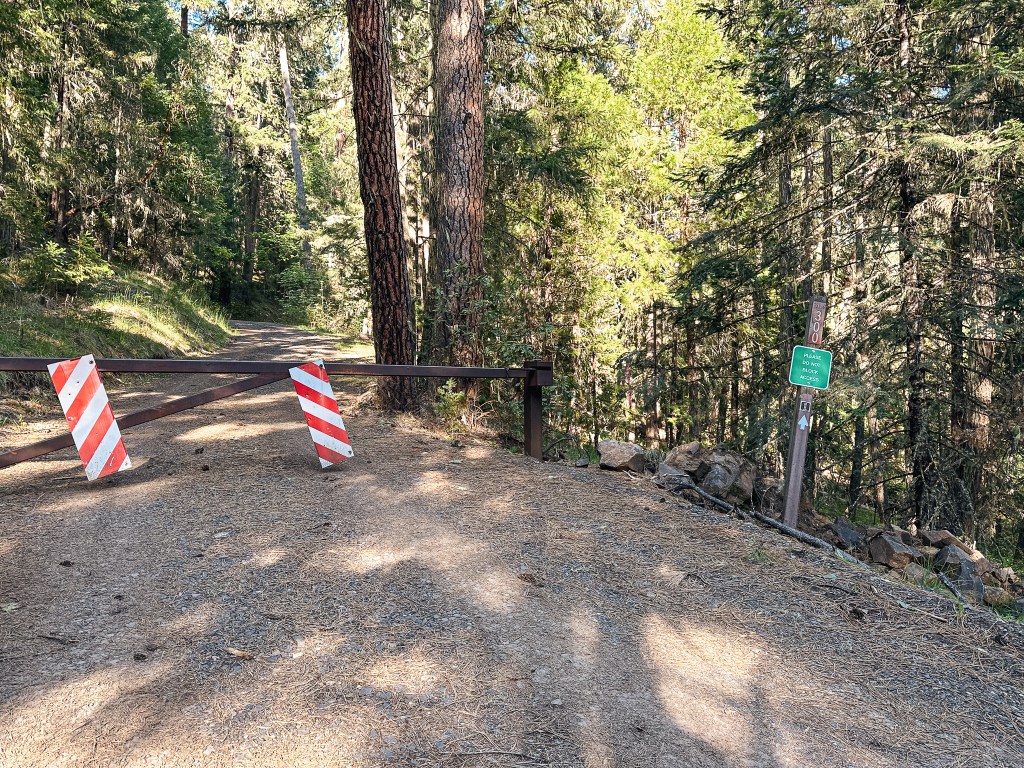
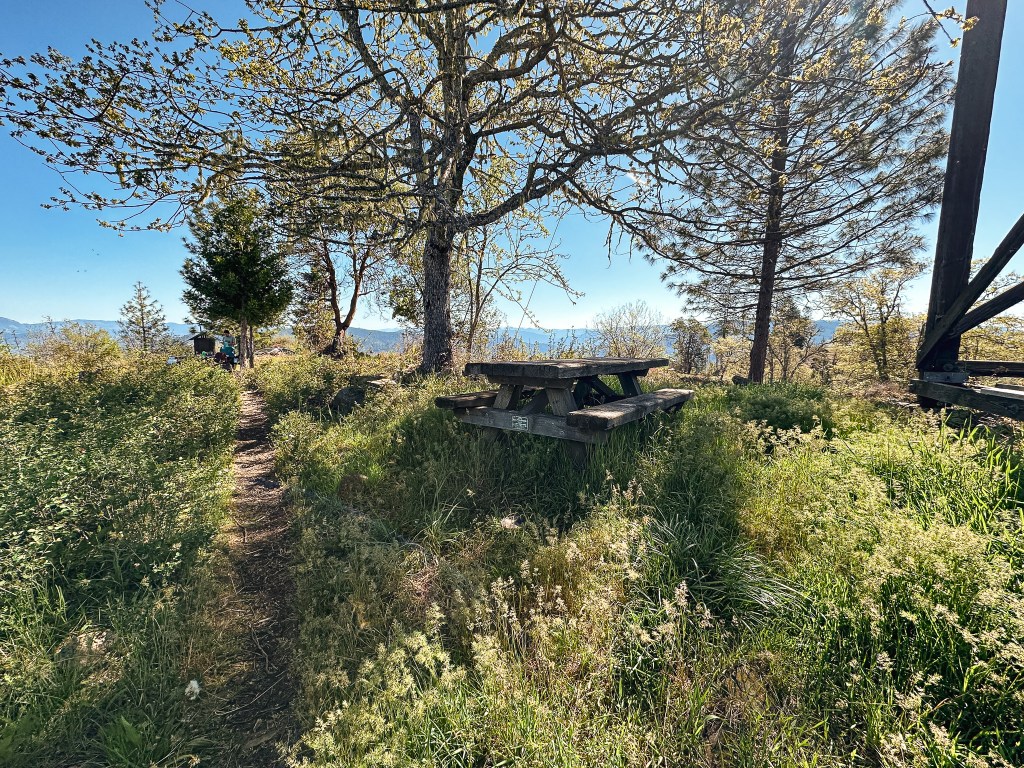
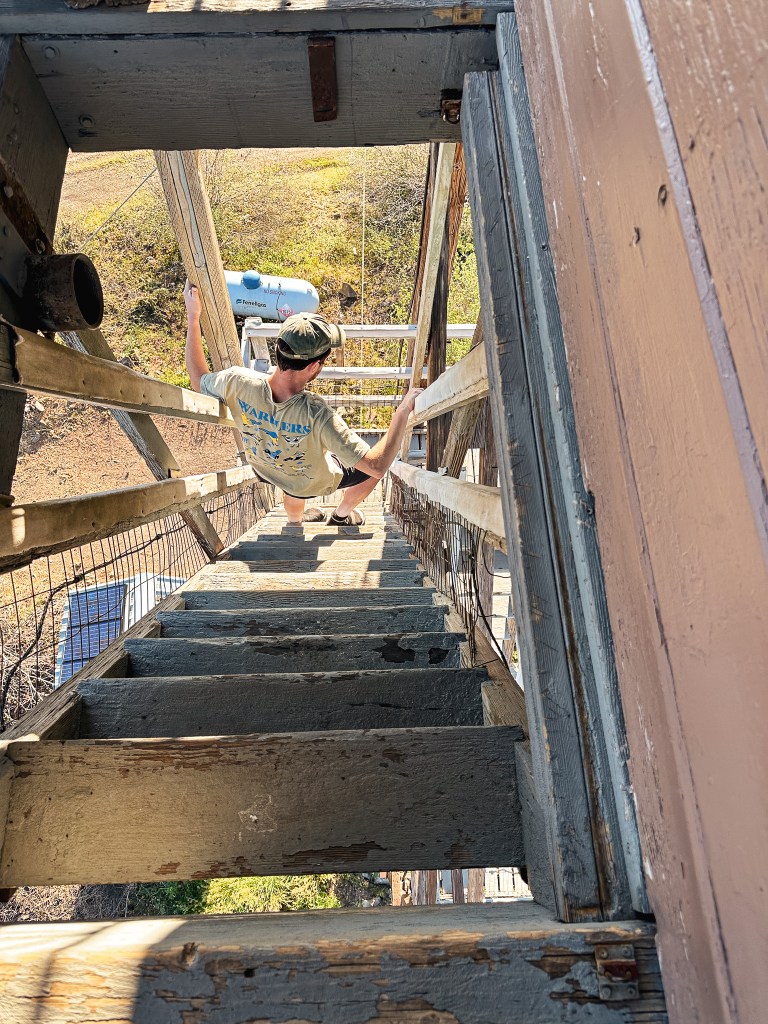
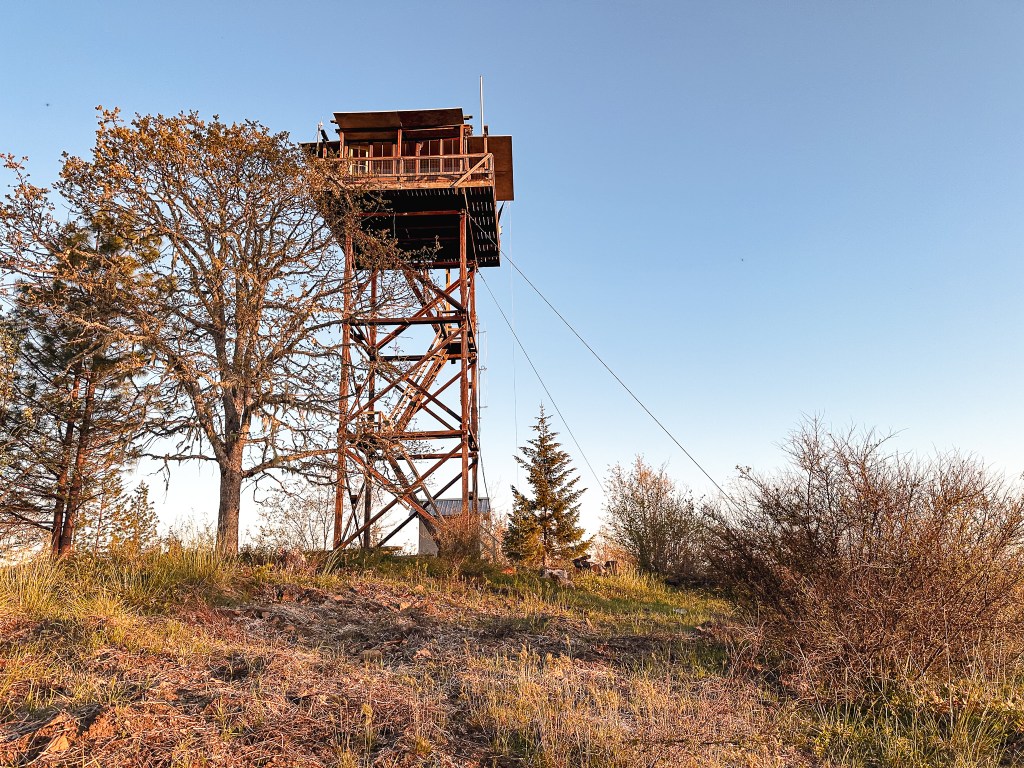
We headed out via I-5 and exited in Canyonville to turn towards Tiller on the county HWY-1 making brief stops at Bland Mountain (post) and the Tiller Ranger station (post). We turned onto CR-46 that is situated right before the ranger station. We stayed on this for 3 miles until it reached a signed junction with NF-3113 off to right. The route is well signed and seemed to be well maintained. We stayed on NF-3113 for 5 miles until we reached another signed junction with NF-300. It is an additional 2 miles to the fire lookout from this junction. There is a gate below the lookout that you will need the code for if you have a reservation for the night. Otherwise, this is where you would park to walk the remaining 0.6 miles along the road. Though the best time to visit if you’re not planning to make a reservation would be from mid-June to mid-October when it is staffed for the season. Keep in mind whether you visit during the active fire season or the renter season, it is their space and inviting you up to enjoy the view is at the discretion of those onsite. The road beyond the gate had the most signs of wear with a few water runoffs starting to form across it. There were a handful of potholes along the entire route, but they were minimal and easily avoided. This is probably one of the easier rentable fire lookouts to access in Oregon. Once parked we debated what we wanted to haul up or not. We thought it would be novel to cook something in the fire lookout, but ultimately opted to leave our food/cooking at ground level. There is a crate on a hand wench system to help bring your gear up, but it’s small and would require many loads. The stairs are also narrow and steeply pitched, more so than other fire lookouts we have visited. I could see making this effort if we had planned to hang around the fire lookout all weekend. But per usual, we had our days fully packed and only hauled the essentials to the top.
Saturday.
Our plan for the day was to back track out the way we came and continue further on county HWY-1 in search of the crows nest on Callahan Mountain. All the sources we found online claimed it was still standing and should be there. There are no trails or roads that lead directly to the summit, but we were able to get close enough to hike cross country the remaining distance. After a bit of wandering around the summit Garnet was able to identify the tree by a remaining grounding wire hanging from the branch. We are happy to confirm the tree is still very much alive and well with minimal evidence that it was ever used for fire detection. After a successful find, we headed back up CR-46 passing our turn off for Pickett Butte and continuing on to Cathedral Falls and the (former) World’s Tallest Sugarpine. There was some debate prior to our trip about adding in a former fire lookout site, but we were already feeling the fatigue from the heat and decided to enjoy a more leisurely afternoon instead. We stopped at a nice spot with access to Jackson Creek along NF-29 to cool off before heading back to the lookout for the evening.
Sunday.
We spent our morning packing up our gear since we wouldn’t be coming back to Pickett Butte for the night. Our agenda for the day included a stop at South Umpqua Falls and a hike to Acker Rock. That gave us the rest of the evening to locate a dispersed camp spot in the area. We had already spotted a few around, so we knew they existed. Our day eventually ended in a grassy pull out after passing up and vetoing a couple of our more official dispersed options. Nothing felt quit right to either of us. It wasn’t our best camp spot but it wasn’t our worst either. Thankfully the temperatures were much cooler that evening which was a nice change after feeling over heated the entire trip. We both agreed this area was pretty, but we much preferred the vibe of the North Umpqua area. Monday was spent driving home and finding out we missed a spectacular show of Northern Lights after coming back into service. It was unfortunate since where we were would have been a great spot to see them if we hadn’t been asleep. We didn’t even stay up for our regular star gazing and Milky Way.
History.
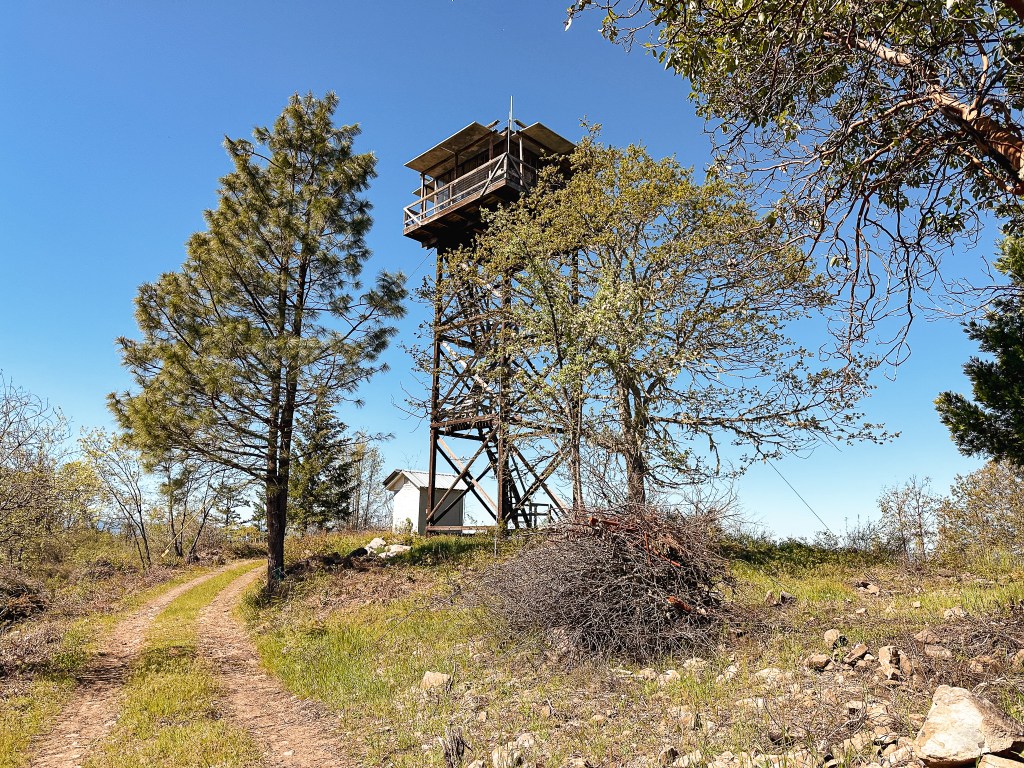
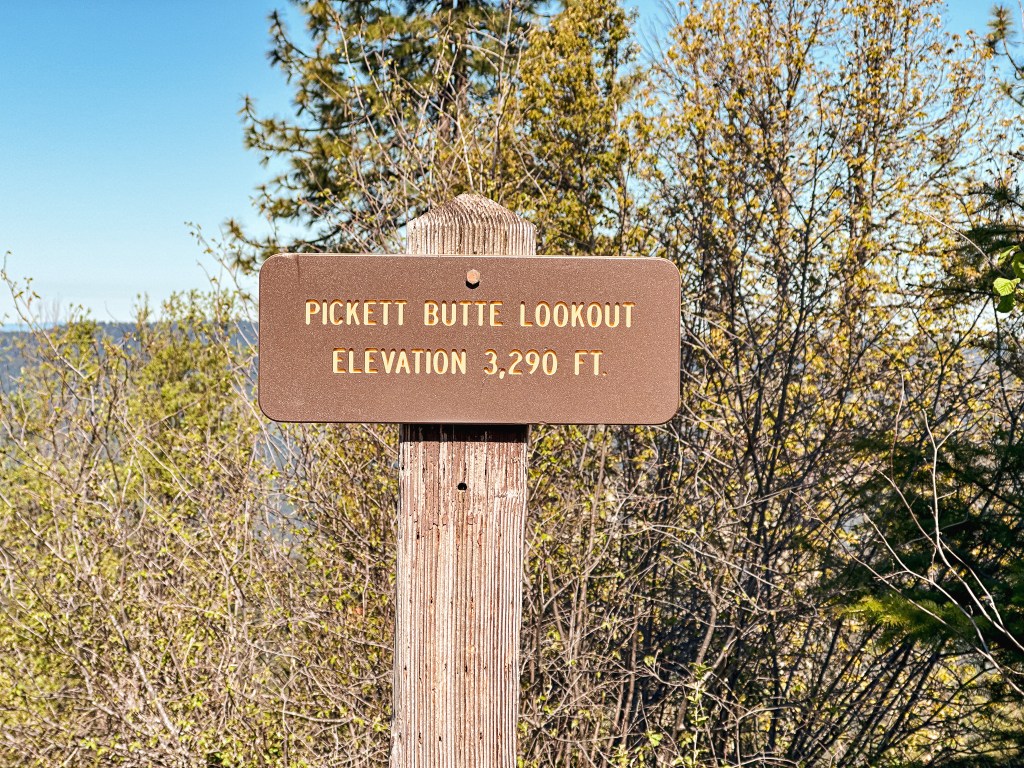
Pickett Butte gets its name from the homesteader, William T. Pickett. He traveled to the area via horseback in 1898 and decided to stay. The first lookout structure was built on the butte by the CCC in 1934 as a 25′ round timber tower with L-5 cab. It was replaced in 1941 by the current 41′ treated timber tower with L-4 cab. It was actively staffed up until the late 1990s. Eventually it was moved to the rental program for recreational use. In 2001, it was moved back into active duty to be staffed during the fire season while only offering this as a rental during the off season. As far as I can tell, this still remains to be true.
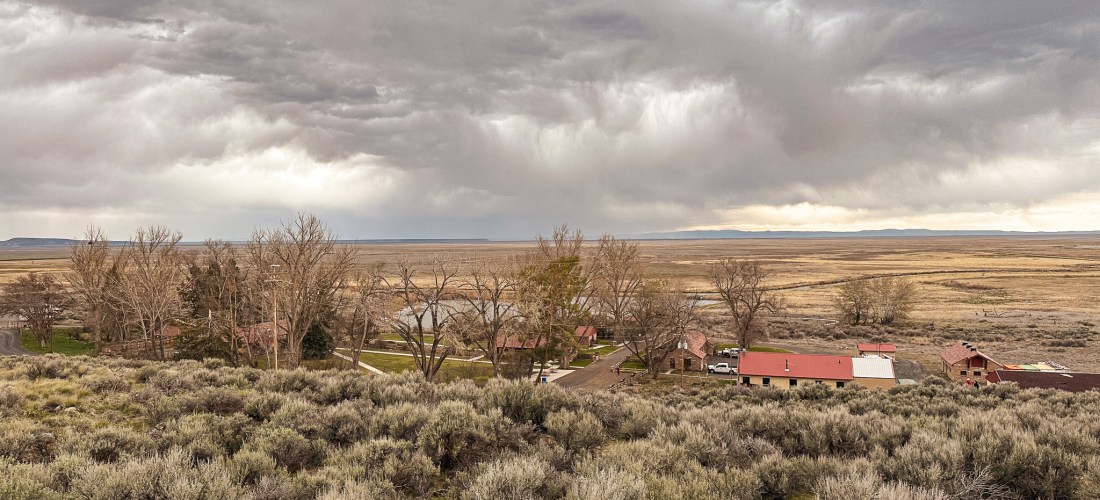
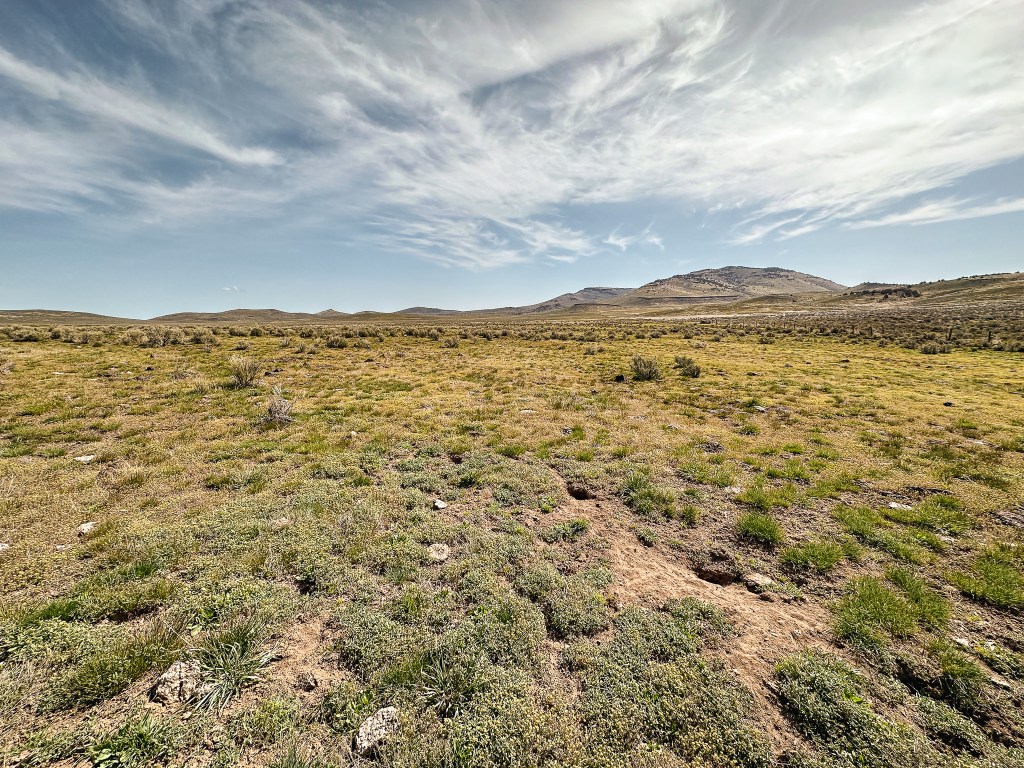
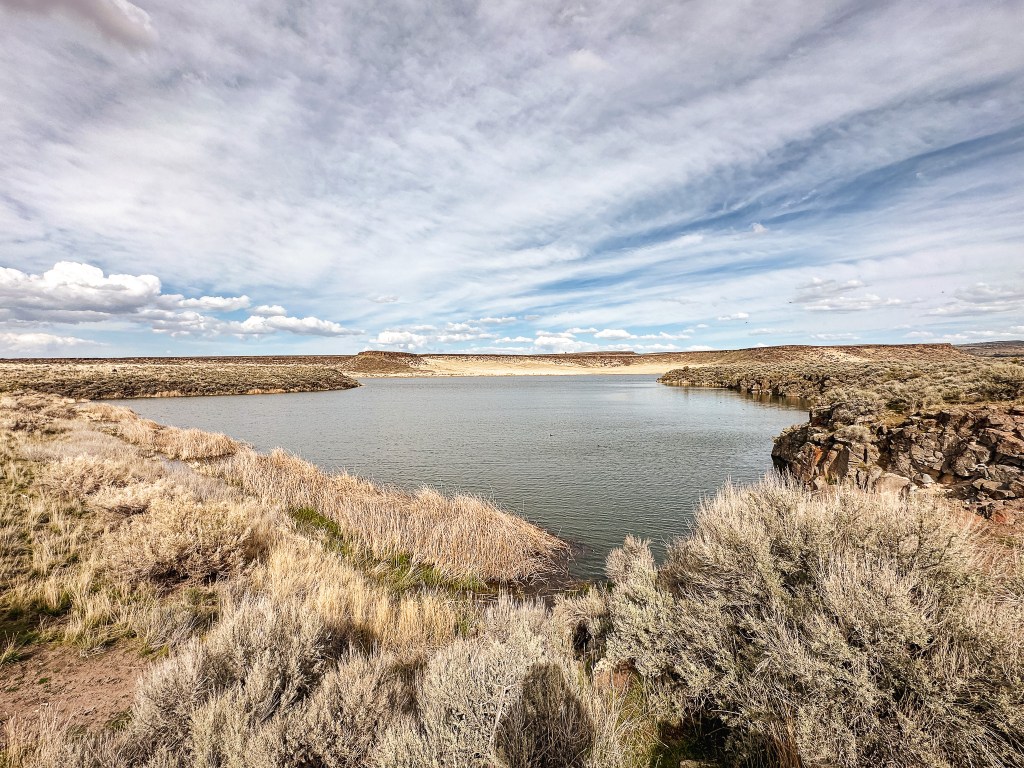
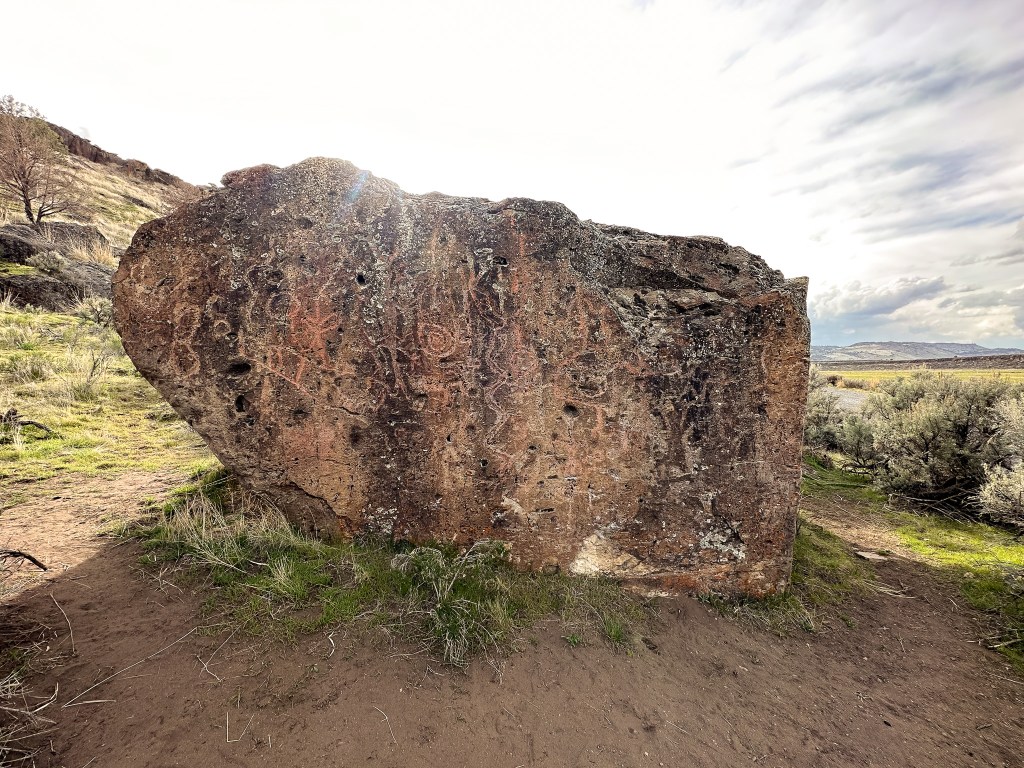
The Malheur National Wildlife Refuge is an important wetland for year round resident birds and wildlife managed by the U.S. Fish and Wildlife Service. It’s also a major stop over for migrating birds along the Pacific Flyway. It is located in the south-eastern portion of Oregon’s high desert and is considered part of the start of the Great Basin. The Refuge was established in 1908 to help protect the migratory bird population and now encompasses over 187,000 acres. Within the boundaries of the Refuge, you will find more than just a plethora of wildlife and resources. There is also a significant amount of history ranging from early Indigenous peoples (Petroglyphs) to the first European settlers of the area (Round Barn, P Ranch, & Sod House).
I decided to spend my birthday camping near the Malheur NWR in hopes of seeing a decent amount of birds and visiting the lookout towers noted in the area. Early April is always a challenging time when trying to locate a place to camp with decent weather. I was robbed again of visiting the Enchanted Valley in the Olympic National Park and almost everywhere in the state was forecast to be wet. I didn’t realize until the morning of our departure that this was the exact same weekend of the Migratory Bird Festival in Burns, OR. We were a bit concerned about not being able to secure a spot at the Page Springs Campground after reading about it. Many birders come to this area in early spring to watch the migrations. One might say they flock to the area, har har. But, we decided to risk it and hoped for the best. It took us around 7 hours from Portland to reach the area. We were lucky to be coming in on a Thursday and were able to find a camp spot, almost all were taken by the end of the day.
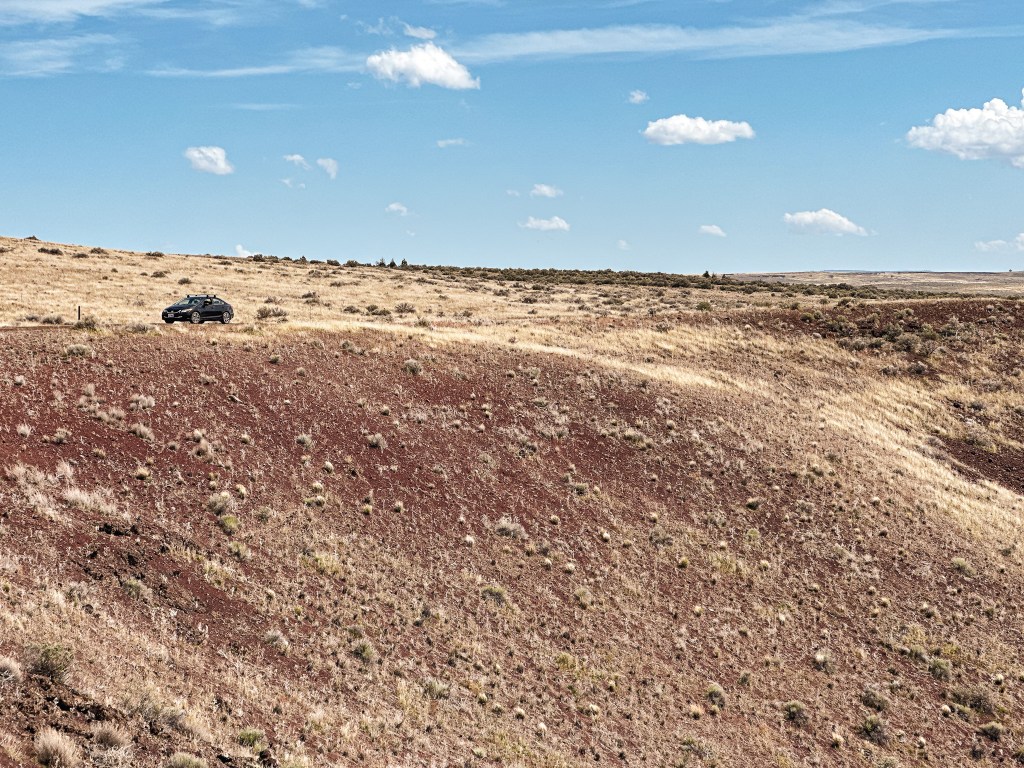
We were able to visit all four of the towers in one full day along with the visitor center and taking the auto tour through the Refuge. Our second day we had hoped to visit Riddle Mountain L.O., but decided not to continue our attempt after meeting a particularly muddy section on the road. Our tire had even sunk in a bit after making an attempt to circumvent it. We knew there was still snow on top from the AlertWildfire camera, but figured it was hikable if we could have driven closer. This one will have to wait for when we know the area will be dry. It was a bit of a disappointment since this one is very isolated to reach and will require its own trip. The trade off was that we now had time to see the Round Barn, the Diamond Craters Outstanding Natural Area, the petroglyphs near Krumbo reservoir, and the old homestead site at Benson Pond. We were pretty lucky on our weather conditions as well. The highs were in the 70s and we got mostly sunny skies during our trip. The forecasted thunderstorms and rain seemed to only roll in during the evening and were usually gone by the morning. Minus our final morning, where we had to pack up everything wet while it rained.
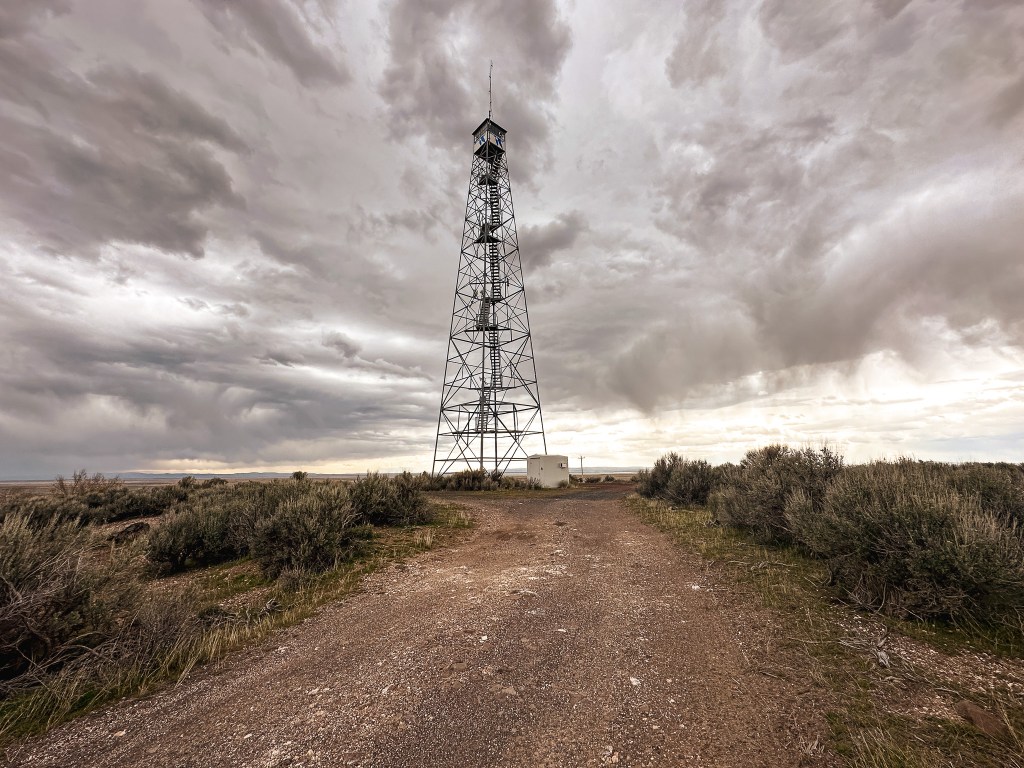
I will preface this list below with the fact that there doesn’t seem to be any confirmed evidence that any of these were used to detect wildfires. I am still going to count them towards my total, but I’m inclined to believe they were built and used primarily for wildlife viewing in the area. Two of them are even listed on the NHLR, but I think that mostly has to do with the fact that they are the same Aermotor design as a fire lookout. I found this interesting since I have gotten some push back on a couple sites I tried to nominate due to not meeting requirements. Everyone has their own qualifications on what they count as a fire lookout. My personal take is that if a structure, of any form, was used in the detection and spotting of wildfires it should still count no matter if it has been relocated or not. If said structure, of any form, is still intact at the original site or standing it should still count as existing. It becomes a former site, in my mind, once the structure has fully collapsed, been removed, or burned down. Take that for what it is, my opinion.
P Ranch.
Date visited.
April 11, 2024; April 12, 2024
National Historic Lookout Register.
US 430; OR 55
About.
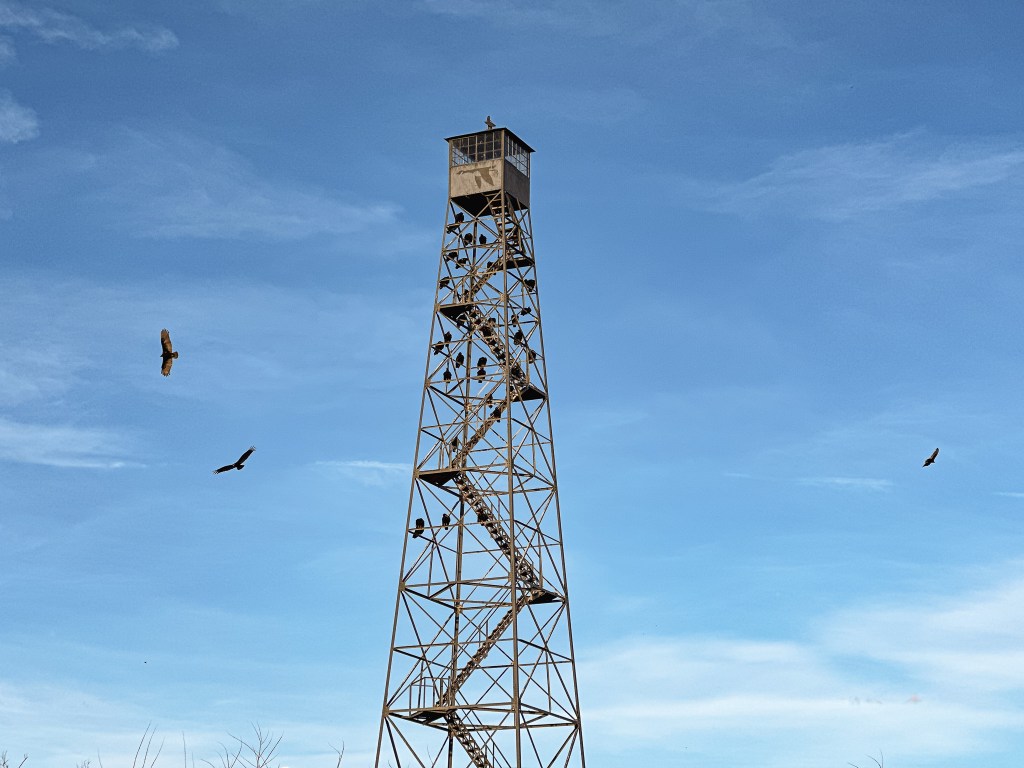
The 72′ Aermotor tower with 7’x7′ cab was built by the CCC in 1933 near the site of the original P Ranch. Most of the ranch buildings were demolished by the CCC during the same time and the main ranch house burned in 1947. In 1935, the site became a part of the adjacent Wildlife Refuge. This tower can be easily accessed from Frenchglen by taking the Steens Mountain Loop road and turning left onto the Center Patrol Road. It’ll be the first left off the Central Patrol Road and can be found by following the signs to P-Ranch. It sticks up high enough though that you will see. The area around the base of the tower is closed due to wildlife, but it can easily be viewed from the road, parking lot, or the Riverview trail. I really enjoyed how the Turkey Vultures used this one to roost at night. This is stop #19 on the Blitzen Valley Auto Tour Route.
Sod House (Headquarters).
Date visited.
April 12, 2024
National Historic Lookout Register.
US 429; OR 54
About.
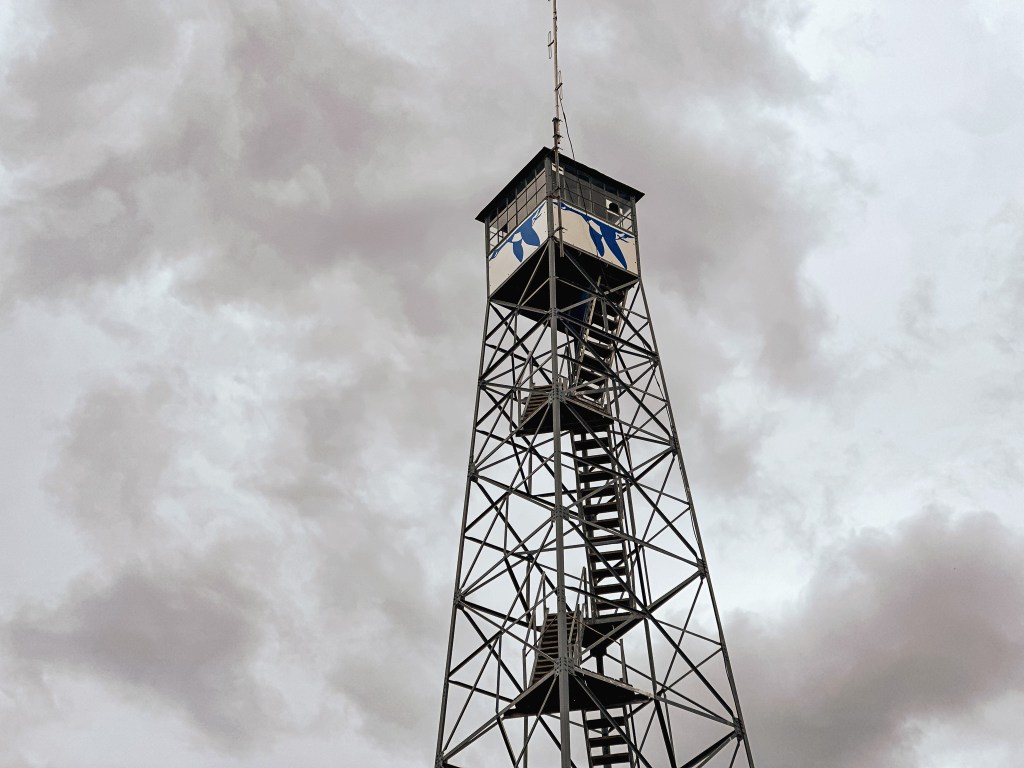
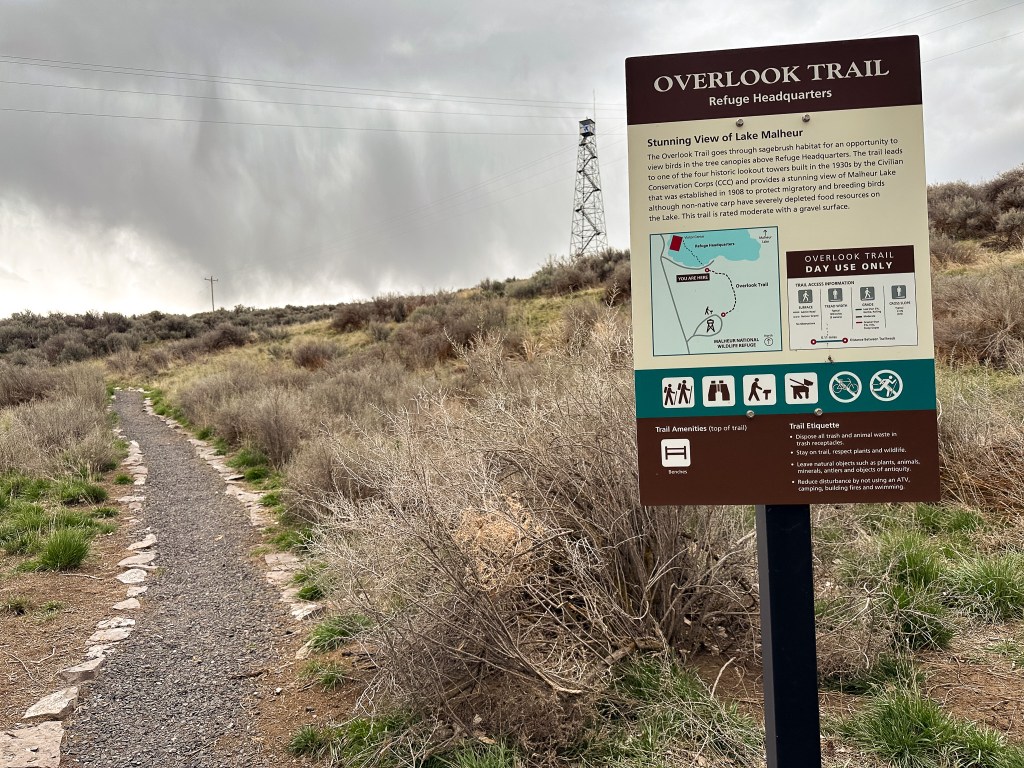
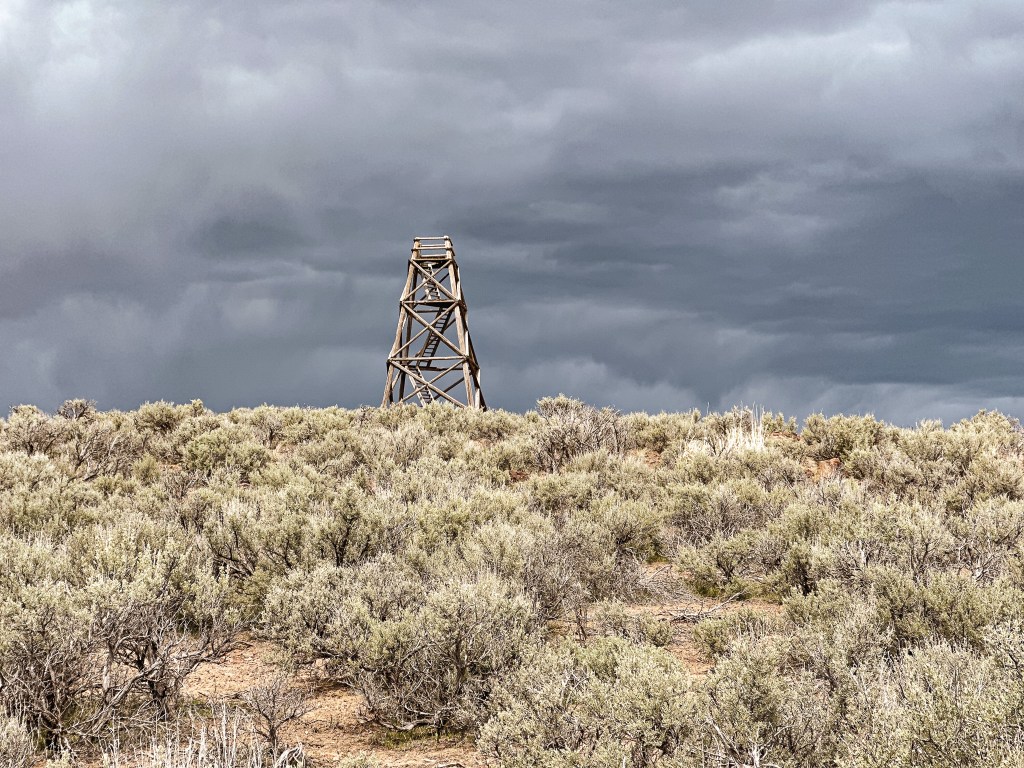
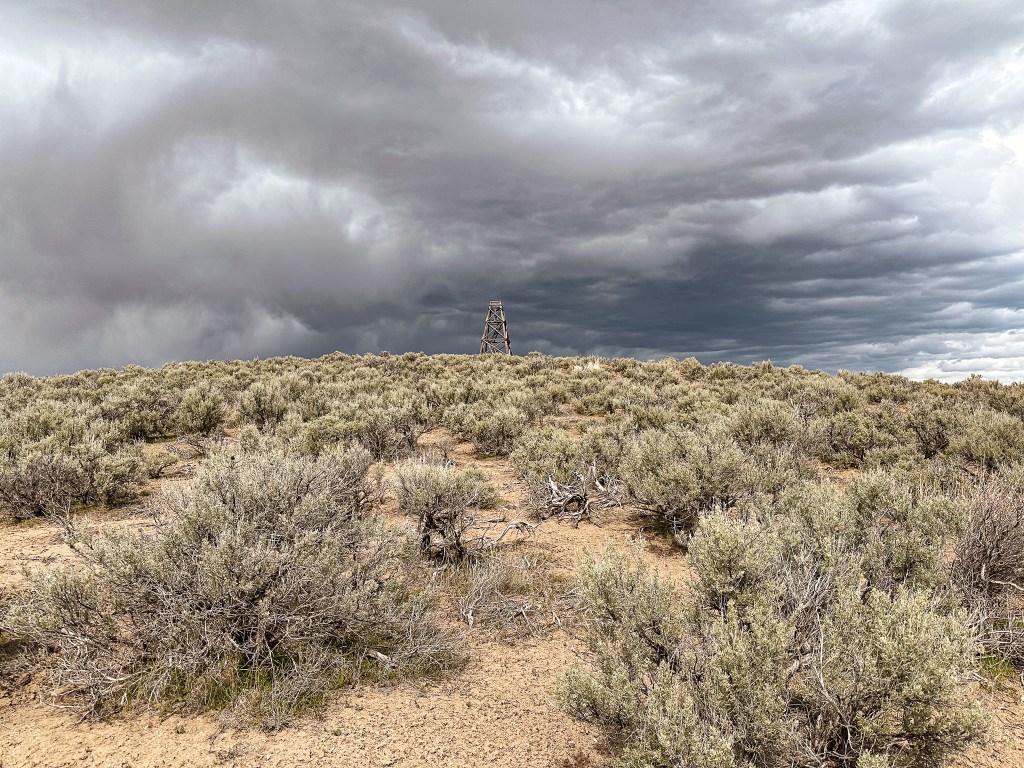
The Aermotor tower with 7’x7′ cab was also built by the CCC in the 1930s. It was most likely completed around the same time as the Refuge headquarters in 1935. I found conflicting information on height varying from 80′ (NHLR) to 90′ (Rex’s Fire Lookout Page) to 99′ (Burns Herald-Times). This tower is easily accessed from HWY-205 by turning on to Sodhouse Lane and following the signs for the Refuge visitor center. You can either drive right up to the base or access it from the short Overlook trail starting at the visitor center. The trail is only 0.11 miles of packed gravel. You can walk up to the base of this tower, but the bottom stairs have been removed to keep visitors from climbing it. The base of the tower offers a nice view out over Malheur Lake and the headquarter grounds below. This is stop #1 on the Blitzen Valley Auto Tour Route.
Stubblefield Butte.
Date visited.
April 12, 2024
National Historic Lookout Register.
Not registered.
About.
This 50′ tower with wooden platform was built by the CCC in the 1930s. It appears that the main access is from the road along the Stubblefied Canal, but the area has since been closed to the public due to wildlife. It is best viewed from HWY-205, but can be seen from the Center Patrol Road as well. We found the best view was from a small pull out just across the highway from a private residence near Saddle Butte. You might be able to get a closer look from hiking along adjoining BLM land, but make sure to have a decent map. It’s not completely clear on what is private and BLM land beyond the fence line. I recommend a good pair of binoculars for viewing. This tower still has it’s stairs intact due to the limited accessibility.
Rattlesnake.
Date visited.
April 12, 2024
National Historic Lookout Register.
Not registered.
About.
This 50′ tower with wooden platform was built by the CCC in the 1930s. It is best viewed from the Center Patrol Road that is considered a part of the Auto tour route of the Refuge. This is included in stop #6 on the Blitzen Valley Auto Tour Route. You can no longer walk up to the base of the tower, but the road gets you really close. The surrounding area is closed to the public due to wildlife. The stairs on the tower have been removed to dissuade visitors from attempting to climb the tower. The tower is named after the larger Rattlesnake Butte across the road that used to provide the only natural crossing of the Blitzen River for miles.
Friday, September 1st – The Summit Point trailhead is best accessed from HWY-86 via NF-77 to NF-7715 just before reaching Halfway, Oregon. We initially drove past this junction to check out the fire lookout at the Pine Ranger Station (post). After a quick stop, we back tracked to turn onto NF-77. This junction on HWY-86 is signed, but for some reason is labeled as the Summit Creek L.O. instead of Summit Point. I’m not sure if it was actually ever referred to as such or if it was just a misprint too costly to fix. We drove roughly 11 miles on NF-77 before we reached another signed junction with NF-7715 to the right and the McBride Campground to the left. The sign on the NF-7715 road was correctly labeled and stated there were 5 more miles to reach the trailhead. We already knew we wouldn’t have enough time to make it to a backcountry camp before dark and turned into the McBride Campground to see if there were any available spots for the night. This is a free unmaintained campground that offers fire pits, picnic tables, and pit toilets that were surprisingly stocked with toilet paper. There is also water access along the Summit Creek from most of the camp spots. I was surprised to find an empty campground given that it was a Friday on Labor Day weekend. We picked a camp spot on the far right end near the creek to set up. This put us the farthest away from the entrance if someone did decide to join us later in the evening. Dinner was simple since we only had our backpacking food and equipment to fuss with. We fell asleep to a light rain and some nearby thunder, but I hoped it would clear up by morning.
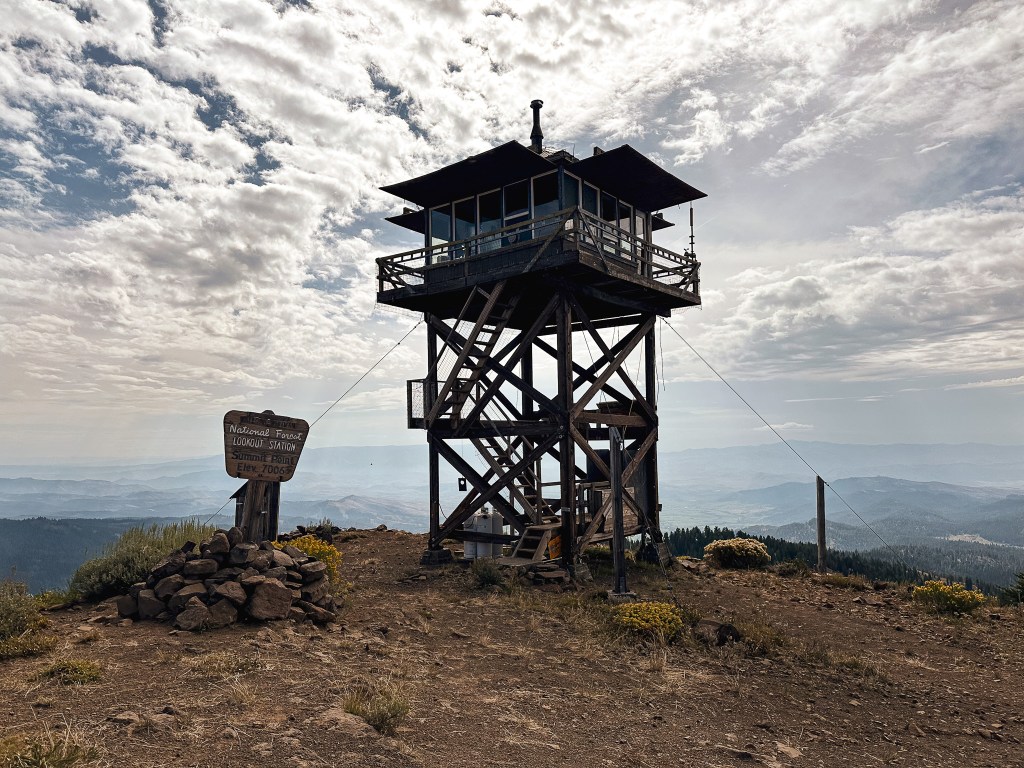
Saturday, September 2nd – We still had the campground to ourselves when we awoke the next morning. The skies were cloudy and slightly threatening in comparison to the day prior. The pack up was simple and quick, but we still weren’t on the road until after 8:30AM. We are not early risers by any means and didn’t feel the need to rush given our proximity to the trailhead. The NF-77 road had been a good gravel road all the way up to the junction with the McBride Campground. There had been a few minor rocks or potholes, but nothing extraordinary. The start of NF-7715 wasn’t daunting and we hoped for similar conditions. I had read from a prior trip report that “most any vehicle with normal clearance can negotiate it, taking care in the bad spots”. We found this to be accurate and it took us 46 minutes to drive the 5 miles to the trailhead (my car’s odometer calculated it at 4.6 miles). I will say some of the bad sections were a bit intimidating, but going slow and thinking through your wheel placement helps. We were more determined to make it all the way since we would be backpacking beyond the fire lookout. We were also met by a truck coming down when we were heading up in a tricky spot. I wasn’t able to move out of the way due to washout on the road. They were nice enough to back up and let us pass, but I felt bad that I had to take up the whole road. There is ample parking at the trailhead and my Civic stuck out among the 4 other pick up trucks. It was not surprising to see people here since it was elk bow hunting season during a holiday weekend. The road continues beyond the trailhead parking for the lookout attendant to access the tower. There was a gate blocking this at one point, but I guess someone felt it was an inconvenience to them. We started our hike up the road with 45lbs each on our backs for the long weekend. We both hadn’t been backpacking much this summer due to our house duties and could feel the weight immediately. Garnet’s new bike commute is a marathon every day, 13 miles each way, that helps keep him fit. I’m not as active during the week since I drive to work and have a desk job, so one can assume I was feeling it a bit more than him. We are normally able to slip away for a night in the backcountry here and there throughout the summer to keep our backpacking legs in shape, but that hasn’t happened much this season either. I quickly fell behind as we continued to follow the road. I reached the junction where the road to the lookout continued to the right and our “trail” turned into an old road bed. I decided to drop my pack here to catch up with Garnet. The Strava app stated it was only 0.9 miles from the trailhead to the base of the fire lookout. The attendant must have had the day or weekend off since no one was onsite during our visit. This is an actively staffed fire lookout and it seemed too early for their season to be over. After taking in the view and some pictures, we headed back to where I dropped my pack. I reloaded my back with the 45lbs and we turned to continue on the official “trail” into the wilderness.
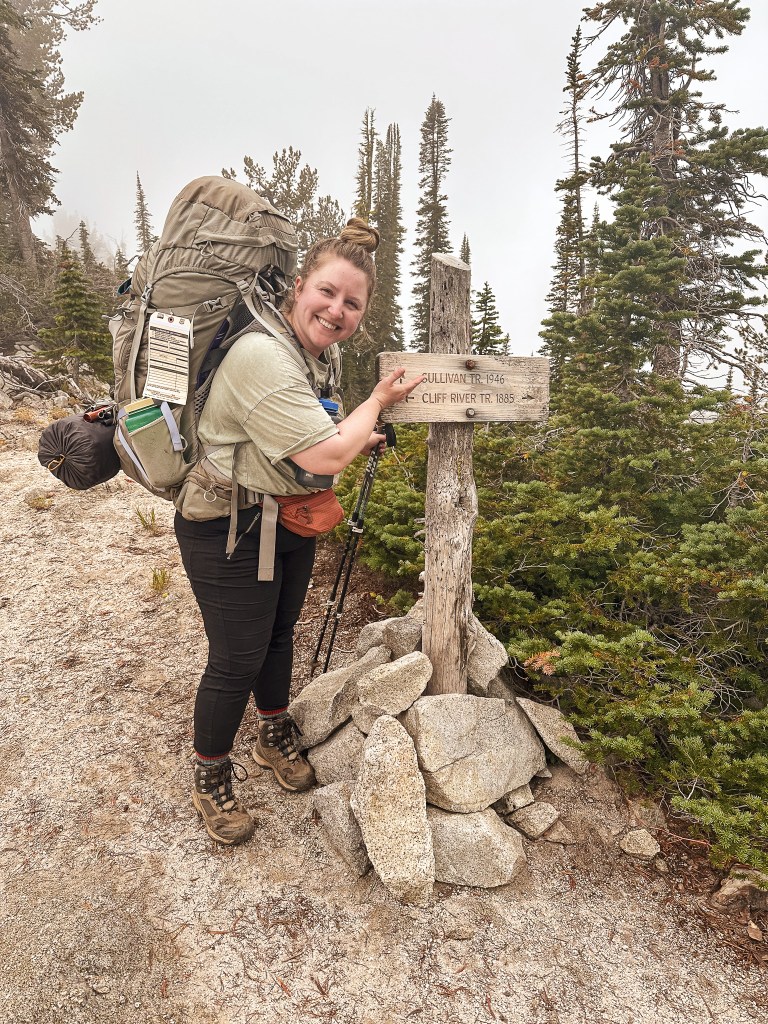
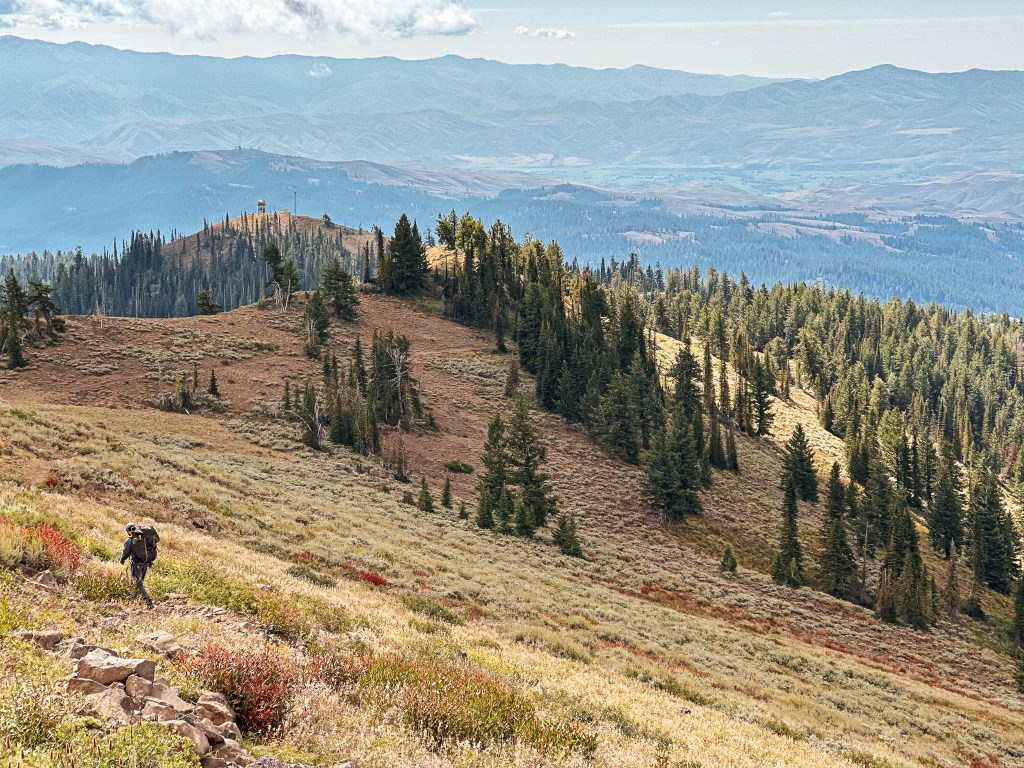
The Cliff River Trial #1885 starts out by following an old road bed that climbs up and over a hill to reach the meadow below Cornucopia Peak. We had to cross through a cattle guard and follow the fence line to reach the official wilderness boundary. The trail through the meadow can get convoluted with the many different user and game trails. We just followed the most defined of the trails to the base of Cornucopia Peak. If you have the time and energy to do some off trail navigation, Cornucopia Peak offers a rustic trail to a former fire lookout site. That wasn’t in our cards for this trip, but it was tempting being so close. Garnet had spotted an old hunting or mining cabin across the meadow on the way in and wanted to check it out while we were here. I decided to stop for snacks and to filter more water at a spring while he was off looking for the cabin. Our plan was to continue our climb along the Cliff River Trail to Crater Lake for the night. The Cliff River Trail continued to the left of Cornucopia Peak and steadily climbed up to a pass that met up with the Sullivan Trail #1946. I thought this was novel since my last name is Sullivan. From there, the trail dips down before climbing to another pass that meets up with the Pine Lakes Trail #1880. There is a lot of exposure along this section of trail and it is best done during a cooler day. I wouldn’t recommend it during the heat of summer. There was also quite a bit of erosion along this portion due to the loose scree texture of the slope. It’s not a matter of if, but when, this trail will eventually wash out. I’m not even sure trail maintenance would be able to help solve this issue given the terrain. Once at the second pass, you can see your destination off in the distance. The trail heads down from here to wind around the base of Granite Mountain until you reach the junction with the Little Kettle Creek Trail #1945. The Cliff River Trail continues all the way down to the South Fork Imnaha River, but to access Crater Lake we turned left onto the Little Kettle Creek Trail. It’s only a short distance along the Little Kettle Creek Trail to the lake. The hike from the trailhead to Summit Point and then on to Crater Lake had been 8.2 miles with 2,148′ of elevation gain. I’m not sure what it is about the Eagle Cap Wilderness, but it always seems to chew me up and spit me out rotten. Garnet had continued on ahead of me after we had reached the final pass and said he was getting ready to send out the search parties by the time I reached the lake. I dropped my pack once we found our camp for the night and laid on a nice cool rock for 30 minutes before moving again. Despite only seeing one couple hiking out from the Pine Lakes Trail, we shared the lake with two groups for the night. One was just a couple as well and the other was a group of six plus a few dogs.
Sunday, September 3rd – I had already decided the day prior that today was going to be a rest day. Garnet had previously mentioned hiking down to the South Fork Imnaha River, but we were both too tired after yesterdays hike. We spent the majority of the day reading and lounging around camp. Both groups that were camped at the lake packed up to either head out or hike deeper into the wilderness. This left the lake to us for the evening. We took a stroll around the perimeter of the lake to check out the other vacant camp spots. There were about 3 or 4 decent spots including ours and a couple of flat spots that would make due in a pinch. Despite getting quite a few people hiking past us along the Little Kettle Creek Trail, none stopped to camp at the lake. They all seemed to be heading back out to the trailhead, either Eagle East TH or Little Kettle Creek TH, coming from somewhere else within the wilderness. At one point during the day we were able to spot a mountain goat on the side of the ridge between Granite and Red Mountain. We watched it for a long time with our binoculars picking its way along the steep rocks. We gave up when some low hanging clouds rolled in to obstruct our view. Crater Lake sits just below 7,600′ which kept the temperatures cold all day. Rain rolled in later that evening and we could hear some distant thunder storms during the night. This made our tent feel extra cozy, but I hoped for clear skies in the morning.
Monday, September 4th – We initially planned to move our camp to Pine Lakes for the final night of our trip. But, after seeing how far we’d have to hike out to the Summit Point TH combined with the long drive home, we decided camping closer to the trailhead made more sense. The rain from the evening prior had thankfully stopped, but the clouds were still hanging low. We decided to try and find a camp for the night in the meadows below Cornucopia Peak. This would set us up for a much shorter hike out on Tuesday. The climb out from Crater Lake felt much easier than the hike in. Our packs were lighter than when we had started and the cloud coverage helped to keep the heat of the sun off of our backs. We only saw a group of three hiking into Crater Lake as we were hiking out. After 5.4 miles and 808′ of elevation gain we found ourselves back at the meadow. We knew there was a least one camp spot near the old cabin Garnet had checked out prior, but we decided to take a look around to see if there were any others among the trees. This is a popular area for cattle grazing, so it was hard to find a flat spot that wasn’t littered with cow pies. We eventually found a very old one set back from the trail with a fire ring that hadn’t been used in years. After setting up camp, I decided to take a hike over to the cabin since I didn’t check it out with Garnet. It was a surprisingly nice kept cabin that definitely is utilized by someone. The door frame was comically small and even shorter than me. I’m not sure the history of this cabin, but I would love to know. I realized you could see Summit Point from the cabin area and took a look at it through the binoculars. There was still no one there that I could see. We had a bit of service in camp and decided to check if there was a burn ban in effect for this area. There was not. We don’t normally go to the trouble of building a fire while backpacking, but it was cold and walking through the damp grass made our boots wet. This helped to keep us warm for the evening.
Tuesday, September 5th – We woke up to clearer skies and decided it might be worth making a trip back out to Summit Point for some better views. The hike out was going to be much shorter today, but we still had a 6-1/2 hour drive home. We saw quite a few people as we were heading out. Once we gained a view of the fire lookout again, we could see someone moving around in the cab. We decided to definitely make an extra side trip back since we were hopeful to meet the lookout attendant. We both dropped our packs at the junction this time and hiked the remaining distance along the road. As we approached the fire lookout we were surprised to see no vehicle. This was confusing since we definitely saw someone from a distance in the cab. There were also fresh tire marks on the road that hadn’t been there at the start of our trip. We also noticed the catwalk door was now open. All signs pointed to someone being there. The sun was positioned awkwardly where I couldn’t really see inside the cab from the ground. We weren’t sure if they had just left or if someone had dropped them off. As we walked around to take in some more pictures and better views, we both thought we could hear someone walking around in the cab. We stood where they could see us and decided to locate all the visible surrounding fire lookouts in hopes that they would come out to greet us eventually. After sometime we realized they probably didn’t want any visitors and said our good-byes to Summit Point. As we were turning around to leave Garnet said he saw the woman open the door to the cab, but I only heard the door when she shut it again. It was a bit odd since it seemed like she was going to come out to talk to us, but then decided against it. It’s possible she just thought we were another pair of hunters scoping the view for game. Regardless, It’s their space and should be respected. We hiked back to our packs and made the final decent to the car. The hike from our camp in the meadows to Summit Point and then back to the trailhead came out to 3.3 miles with 334′ of elevation gain. We decided to start a tradition of getting burgers after backpacking in Eagle Cap. Our first trip to the wilderness was in 2021 where we did a week long loop through a lesser used portion. It was rough and beautiful, but that trip kicked our butt too. We hiked out a day earlier than planned to get burgers and a beer at Terminal Gravity in Enterprise. They were the best burgers we’ve ever tasted (possibly because we had been eating trail mix and dehydrated food for a week). This trip we made our way to The Main Place restaurant in Halfway before heading home. Their burgers tasted pretty good as well.
History.
Summit Point was first established as a fire detection site in the 1930s when a 20′ open platform tower was built on the north end of the ridge. Construction for a new tower began on the most southern end of the ridge in 1949 and wasn’t completed until 1951. This move was noted due to constant fog obstructing the view from the northern end. The lookout built was a 20′ treated timber tower with a 14’x14′ L-4 cab. It is still actively staffed every season.
The Labor Day weekend has become historically smoke filled over the past few years where planning ahead doesn’t bode well for the eager traveler. It has started to feel like any place we decide on as our final destination will ultimately catch on fire or be in the direct line of smoke by the time the holiday arrives. Our Plan A moves to Plan B moves to Plan C. This year we had to ditch all three of our potential plans due to smoke and fire closures. We’ve avoided most of Oregon’s wildfire season thus far by focusing on projects at home, but that hasn’t stopped it from coming nonetheless. Our current wildfires have been fairly mild in comparison to other states and years prior, but the smoke has been heavy. The source of said smoke has been completely dependent on which way the wind was blowing that day. As the week prior to Labor Day progressed, we searched for alternatives. The AirNow map has become our best friend when trying to plan around the air quality and smoke. But, as soon as we thought we had a Plan D set in place the weather started to shift. The forecast called for rain and thunderstorms across the majority of the state. We were now dodging poor weather conditions on top of the smoke and we had to ditch our plans once more.
This trip has been much anticipated since we have spent the majority of August, and even parts of July, scraping and painting around the trim of our house. Yes, it’s as fun as it sounds. We are currently on the do it yourself budget which is affordable and rewarding, but comes with the hefty cost of our personal time. I was able to escape my responsibilities for a weekend at the beginning of August (post), but Garnet hasn’t been out since our road trip (post). Needless to say we planned to be absolutely feral in the woods for 5-days of backpacking no matter where we ended up. We eventually settled on a Plan E the night before departure. Our final plan (so we thought) was to make a loop through the Eagle Cap Wilderness starting and ending in Cornucopia. We planned to make stop overs to the fire lookouts in the area at the Pine Ranger Station and Summit Point as well. The weather only called for a 20-30% chance of precipitation with potential for occasional thunderstorms and temperatures ranging from high 60s/low 40s.
We woke up Friday morning later than planned since we stayed up late the night prior prepping for our trip. We were further delayed as we realized we left our ranger maps, road atlas, and Garnet’s binoculars on the roof of the car after starting our drive. This added a trip back to our house retracing our route in hopes that they were not a complete loss. We were unsuccessful in finding any of the items as we pulled into our drive way to regroup. Once resituated we headed out towards I-205 again to connect to I-84. As we were pulling out of our neighborhood, I spotted them. Some kind stranger must have picked them up from the road and neatly set them on the street corner. This corner had been blocked from our view by a car on the drive back. We were thankful for this act of kindness and continued on our way. We think someone might have ran over the binoculars, but the optics were thankfully still intact. This delay set us back significantly though. We knew we wouldn’t have enough time to make the hike in to our original destination and would have to change our plans once again. As we made the drive east via I-84 towards Baker City, I proposed a modified route. Instead of starting in Cornucopia, we would start from the Summit Point trailhead and hit our intended destinations as an out and back. This would also allow us to car camp near the trailhead for an earlier start the next morning.
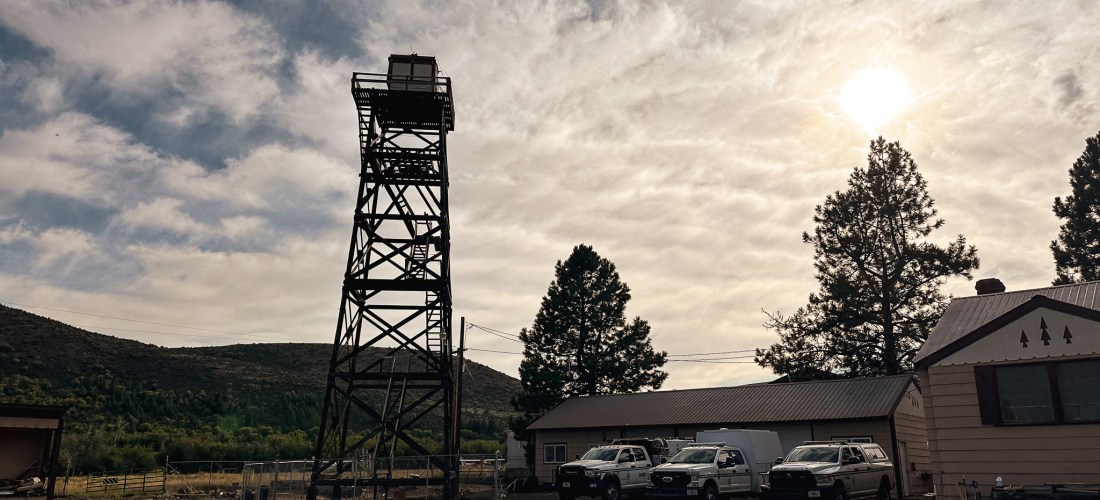
We continued on I-84 the majority of the drive until we reached the junction with HWY-86 towards Halfway. We decided it made the most sense to make a pit stop at the Pine Ranger Station before heading into the forest. There is a fire lookout located there and it is easily accessible if you are in the area. From HWY-86, we turned right onto Sawmill Cutoff Lane. This is just before the turn off for Halfway and there is a sign for the Ranger Station near the junction. The Ranger Station is only a short distance down this road off to the right. It is near the junction with Pine Town Lane, but it should be obvious and signed. We pulled into the visitor parking area just before 5pm. The Ranger Station was already closed for the day, but you can see the tower from there. We walked to the right of the visitor center following the road to the back quarters. There was an authorized personnel only sign that we decided to ignore. I think this is more of a grey area and intended for visitor vehicles since Ranger Stations are open to the public. There were even a few people out, but no one said anything to us as we walked back to take pictures of the fire lookout. We didn’t stay long enough to be a naissance or a concern to those onsite anyway. I’m sure if the Ranger Station had been open and you wanted to ask to see it they would happily agree.
History.
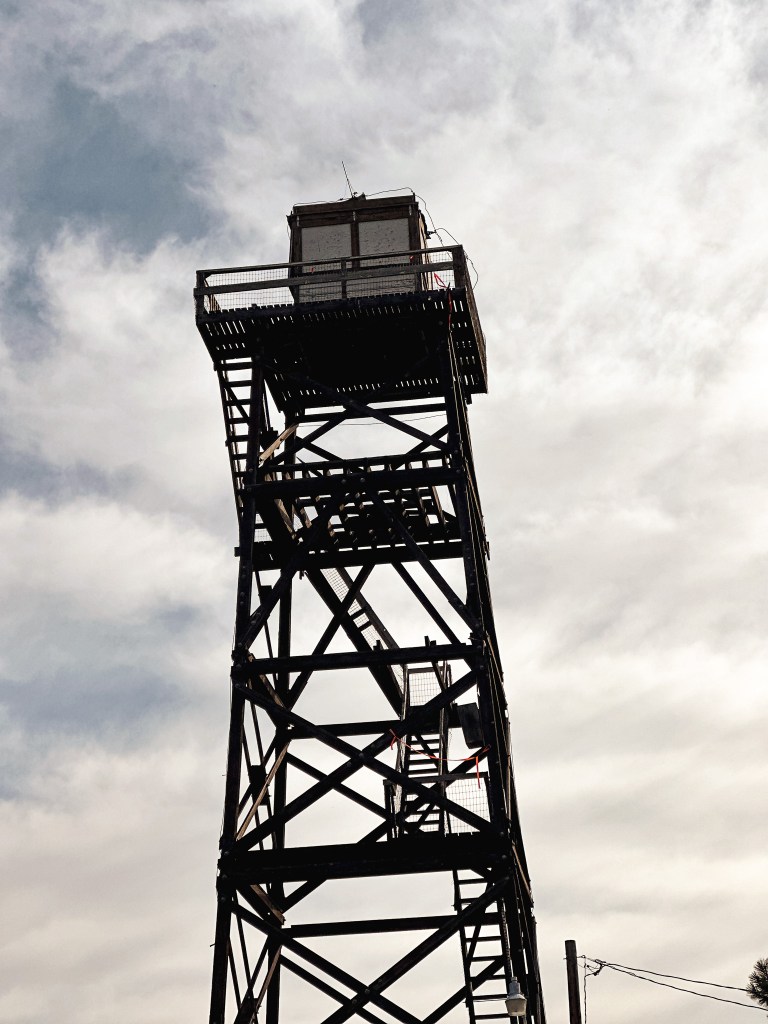
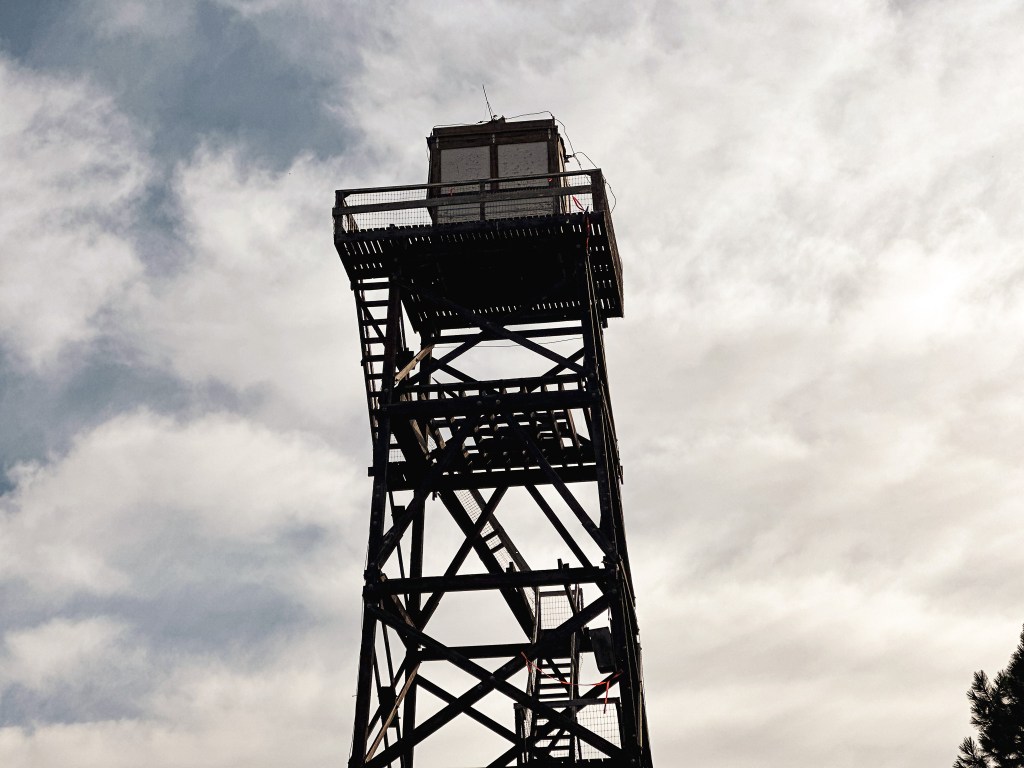
There is little information available on this fire lookout. It is located on the grounds of the Pine Ranger Station, also known as the Pine Field Office, just 2 miles southeast of Halfway. It was built in 1938 as a 52′ treated timber tower with 7’x7′ cab. It is also referred to as the Halfway Lookout and is still used during emergencies. It is unclear when it was last used and if it was ever used for consistent fire detection. A Ranger onsite might know the story, if you stop in during visiting hours. There is now a fence around the tower to keep unwanted guests from climbing it.
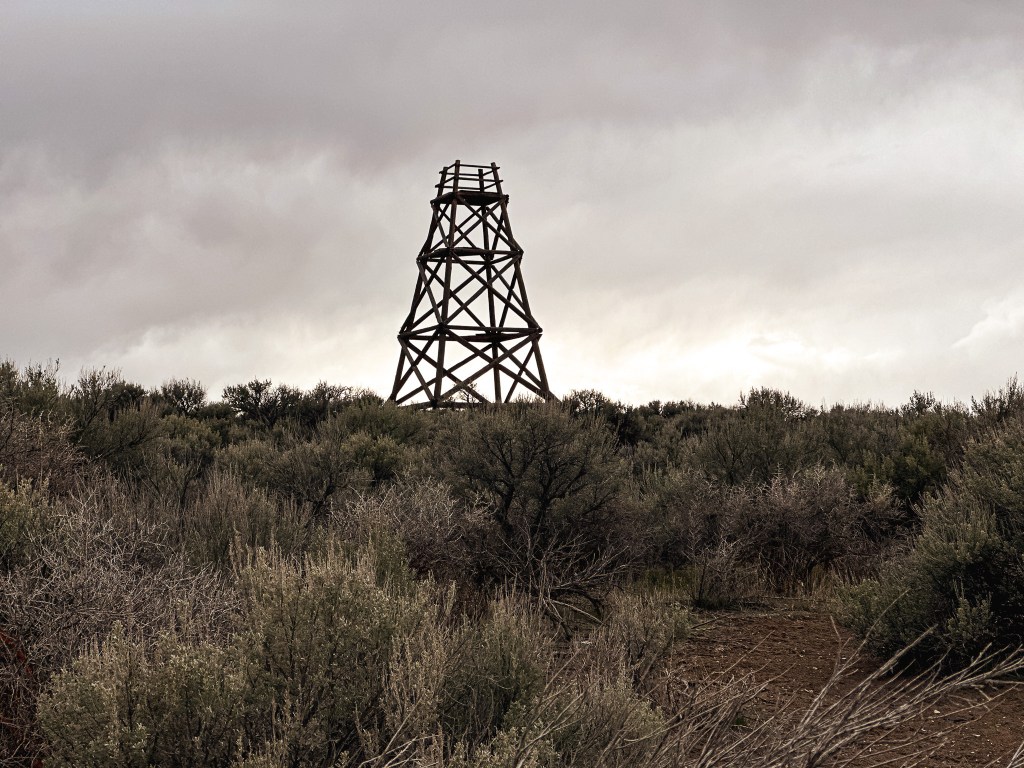
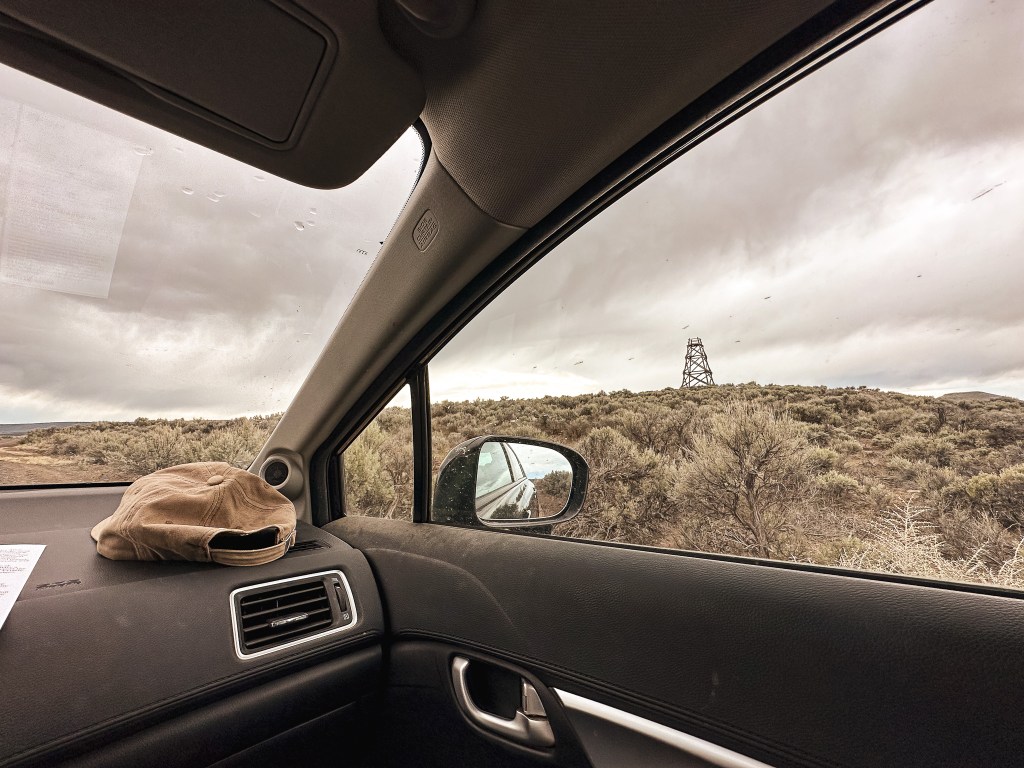
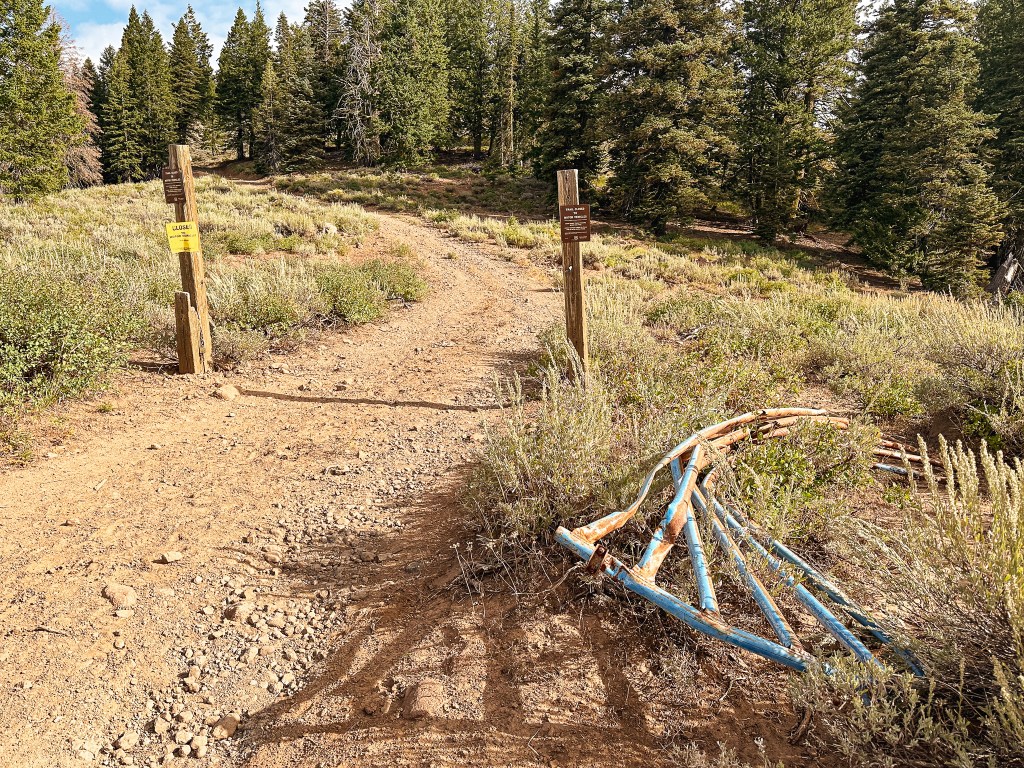
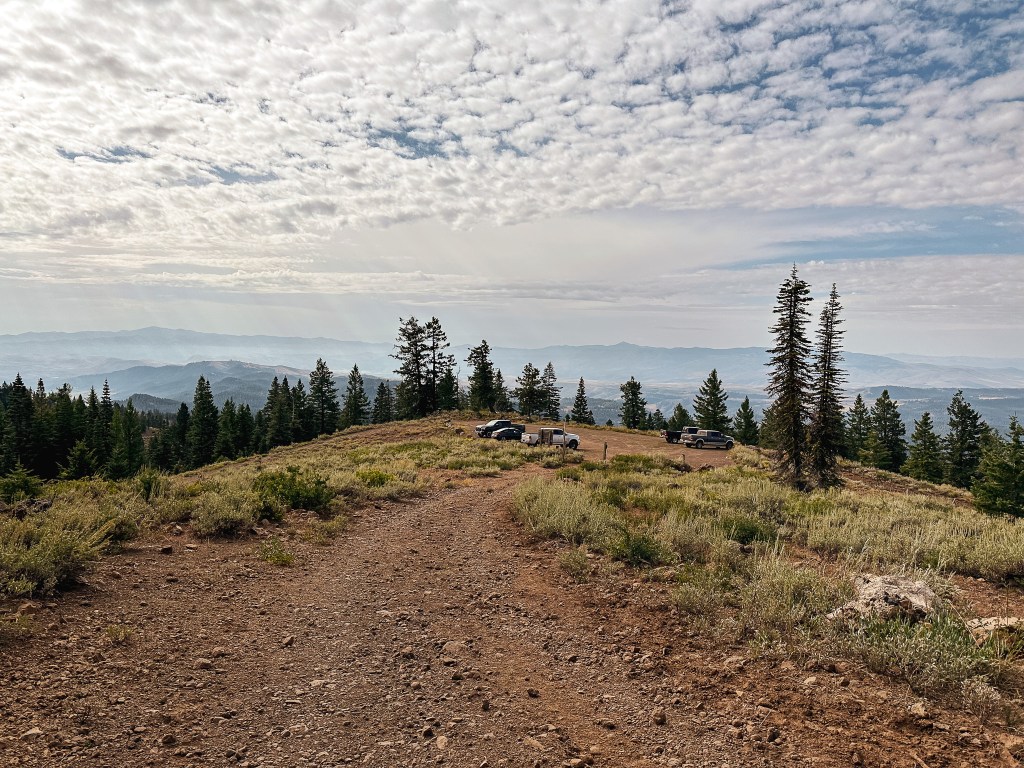
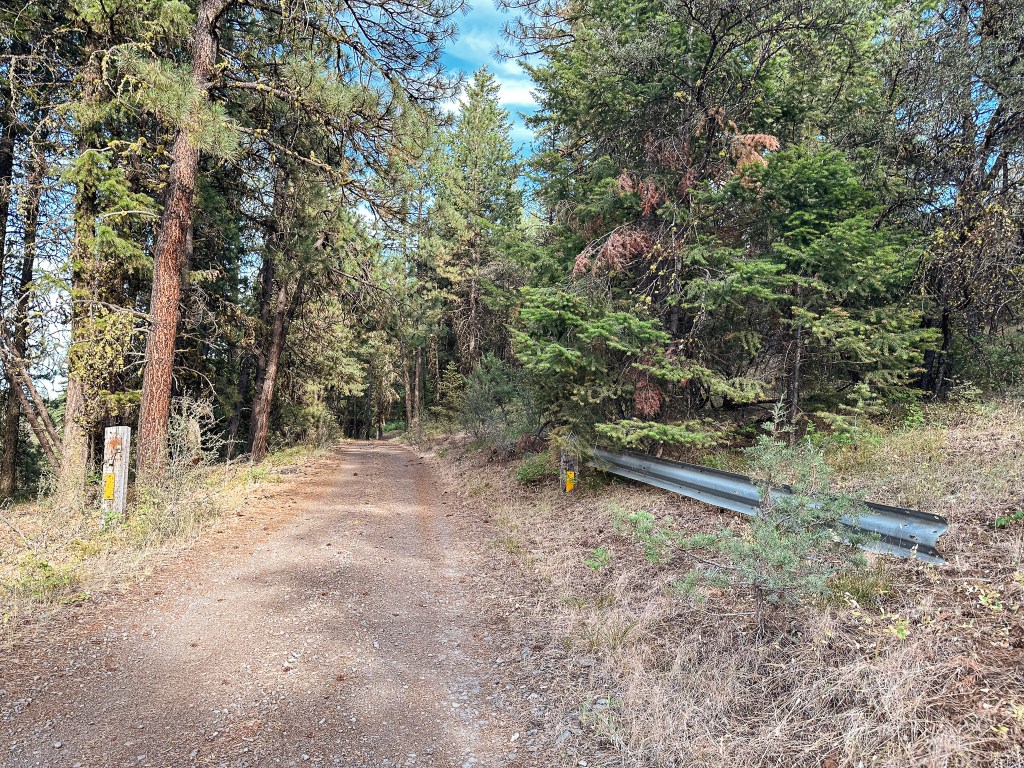
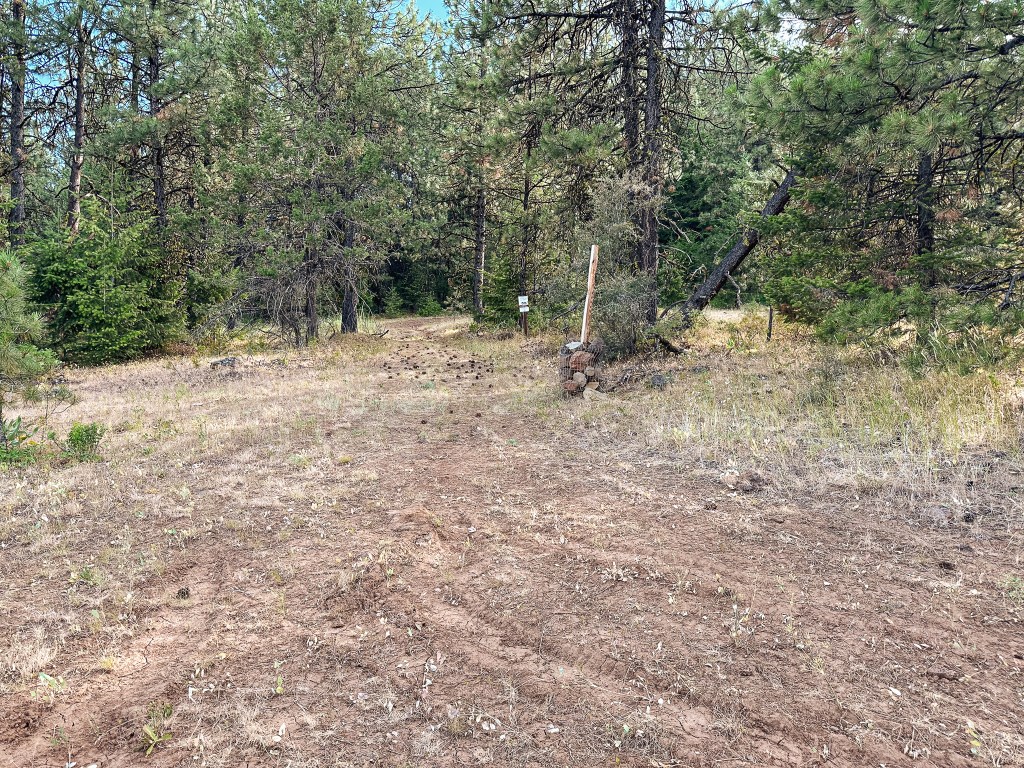
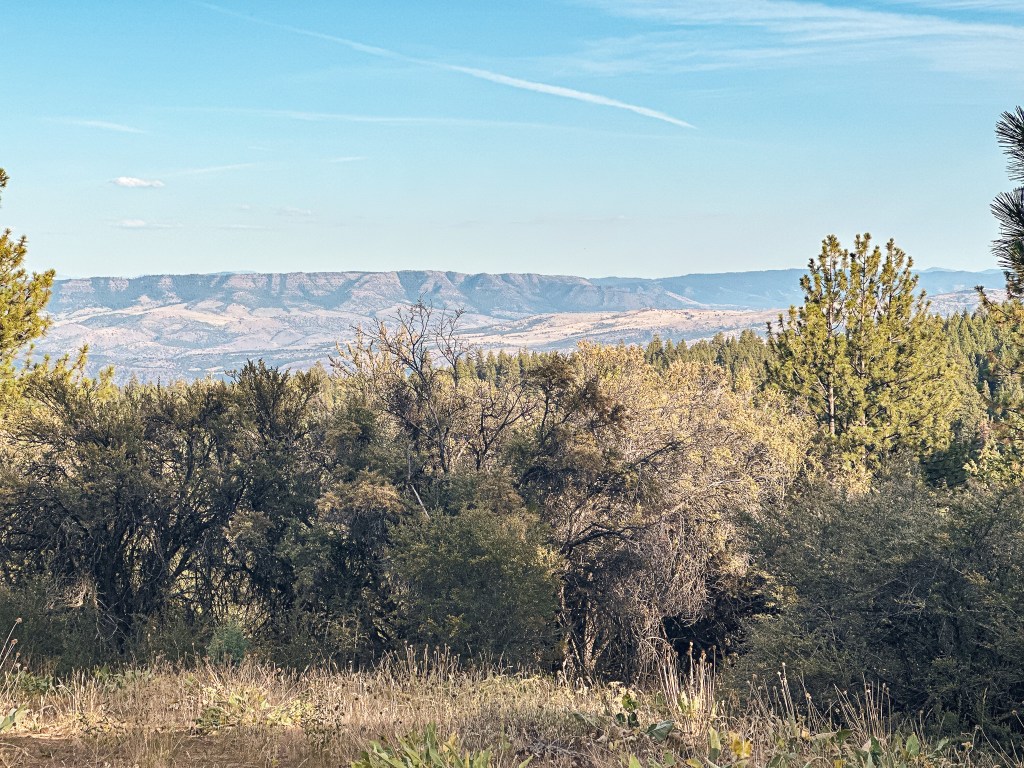
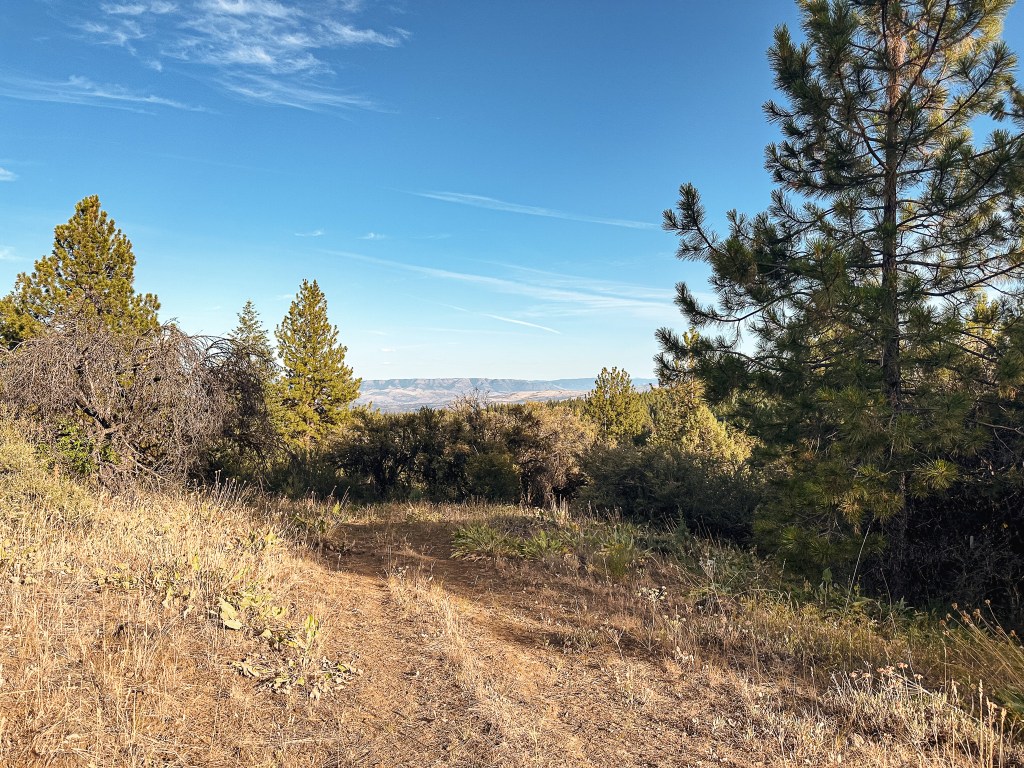
We headed back to NF-24 from Tamarack Mountain (post) and turned right to continue through the forest. We stayed on NF-24 until we reached NF-180 off to the right. We decided to park here to wait out the heat of the day. Ant Hill was only a little bit farther up the road, but it was so hot that the air was thick with heat even in the shade. We ate lunch and killed time by napping in our camp chairs or reading until we could feel the day starting to cool down. We walked the remaining distance up NF-180 to the junction with the decommissioned road NF-182. You could easily drive to this junction as well, the road is in decent condition. There is no sign at the NF-182 junction to indicate the turn besides a “closed to all motorized equipment” sign and a post with rocks. It’ll be off to the right once the road starts to curve and opens up to a view. The NF-182 road is closed to motorized traffic and you will need to walk from here. Though there is no gate or berm to stop someone from driving up. We could see tire tracks leading up the road despite the sign. Obviously, don’t be those people. No one likes those kinds of people. The NF-182 road will wind you around until you reach the summit of Ant Hill. There are no views from the summit except for just below it on the road. From where we parked our car at the junction with NF-180 and NF-24, the Strava app calculated the road walk at 1.30 miles RT with 136′ elevation gain.
Day 9/9: We drove home without incident. This trip might not have gone as smoothly as we initially hoped, but we still successfully made it to all our destinations with only a few additional scrapes added to the car. Somewhere along the way I visited my 100th fire lookout as well. I can’t say for sure which one it was since it’s dependent on your definition of an official fire lookout. One could make arguments for or against some of the ones I have listed and for that reason I am not going to claim one specific lookout as my official 100th visited. We can celebrate once I reach my 100th visited in Oregon, but even that might come with a few asterisks in place.
History.
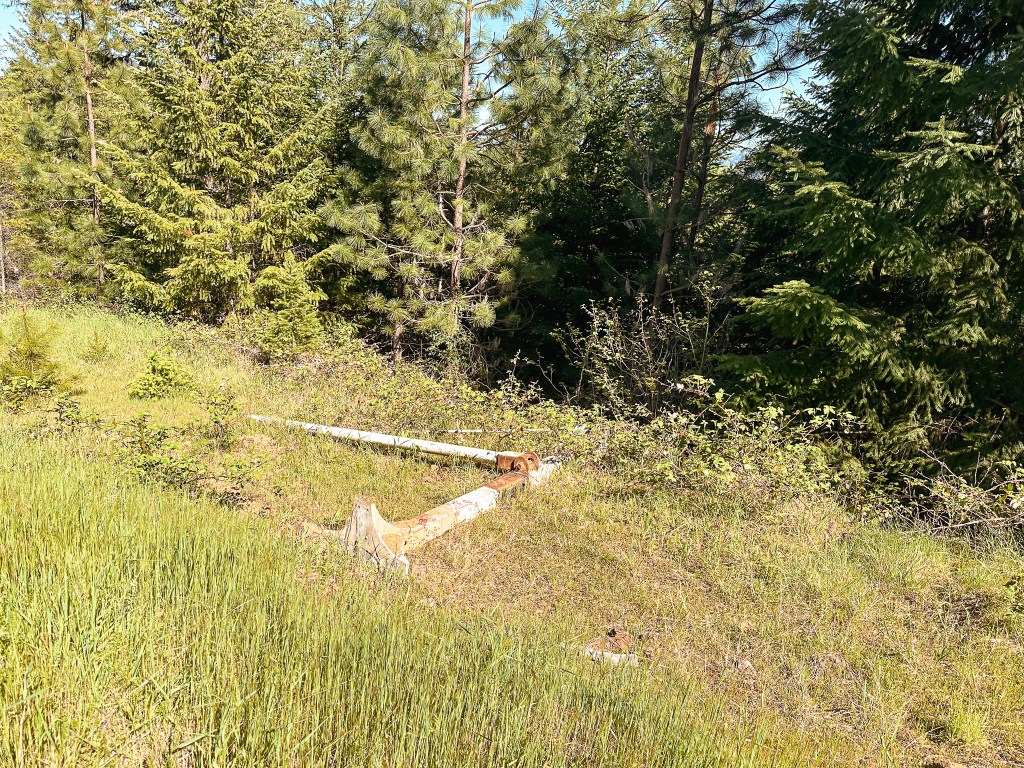
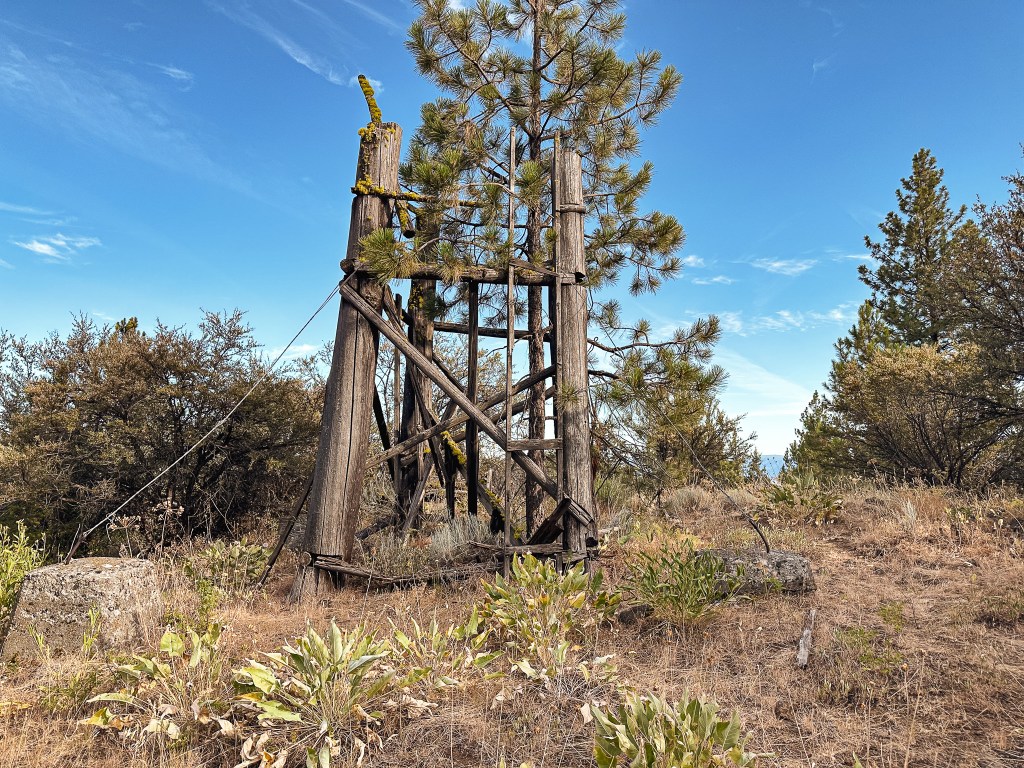
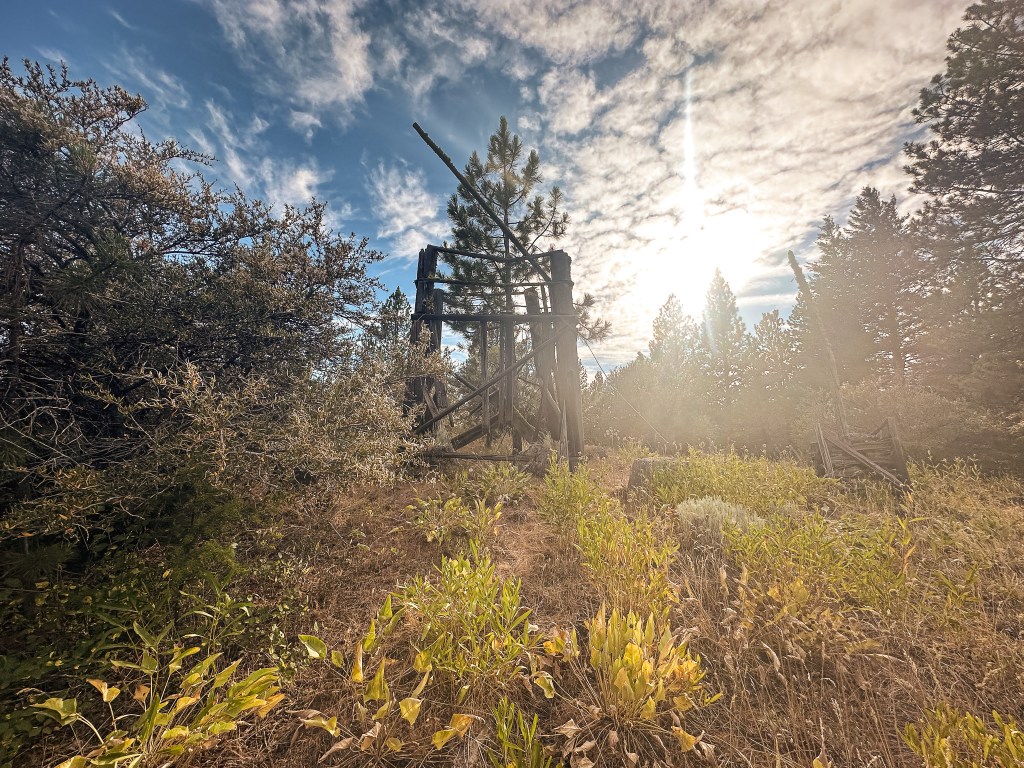
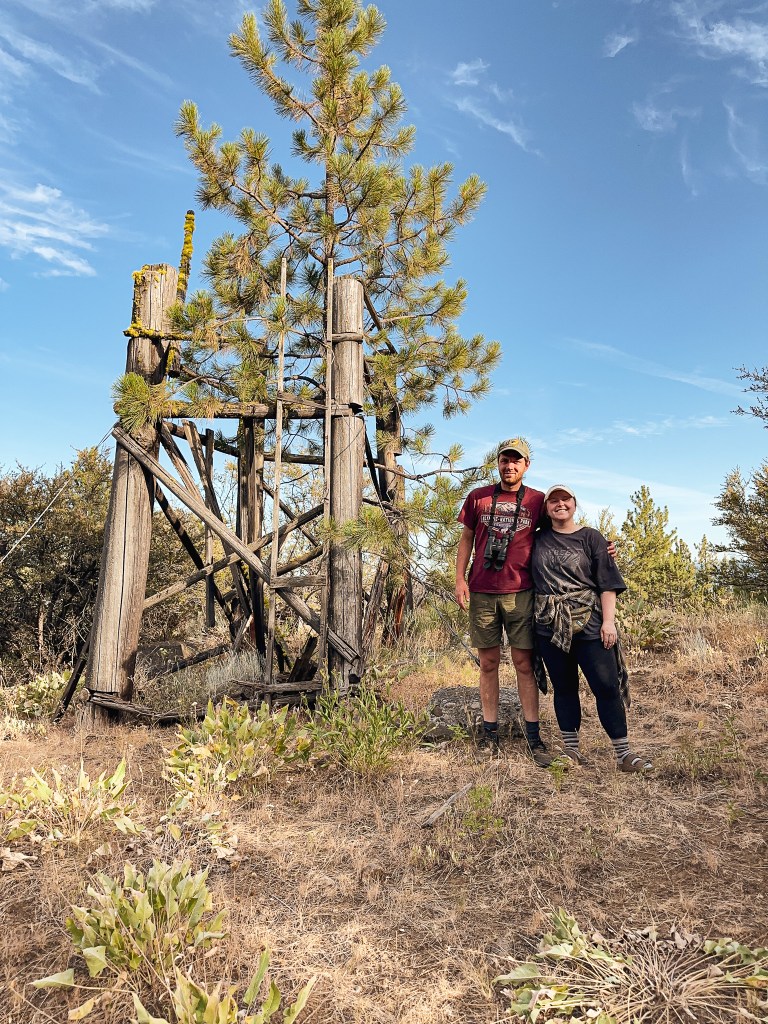
The first lookout structure was built on the summit in 1935. It was a pole timber tower between 16′ to 24′ with an L-4 cab. I’m unsure of the exact height. It is listed on the Former Fire Lookout Site register due to the tower being dismantled and removed in 1956. I personally would consider this an existing lookout site due to the 10′ open platform tower that still stands today. There is no information on when this structure was built or if it was utilized for fire detection. The only mention of it I could find was on the geocache site. It states this structure was built from recycled material of the previous lookout. It reminds me of the lookout structures utilized on Green Butte (post) and Craft Point (post).




























































 The Roaming Civic