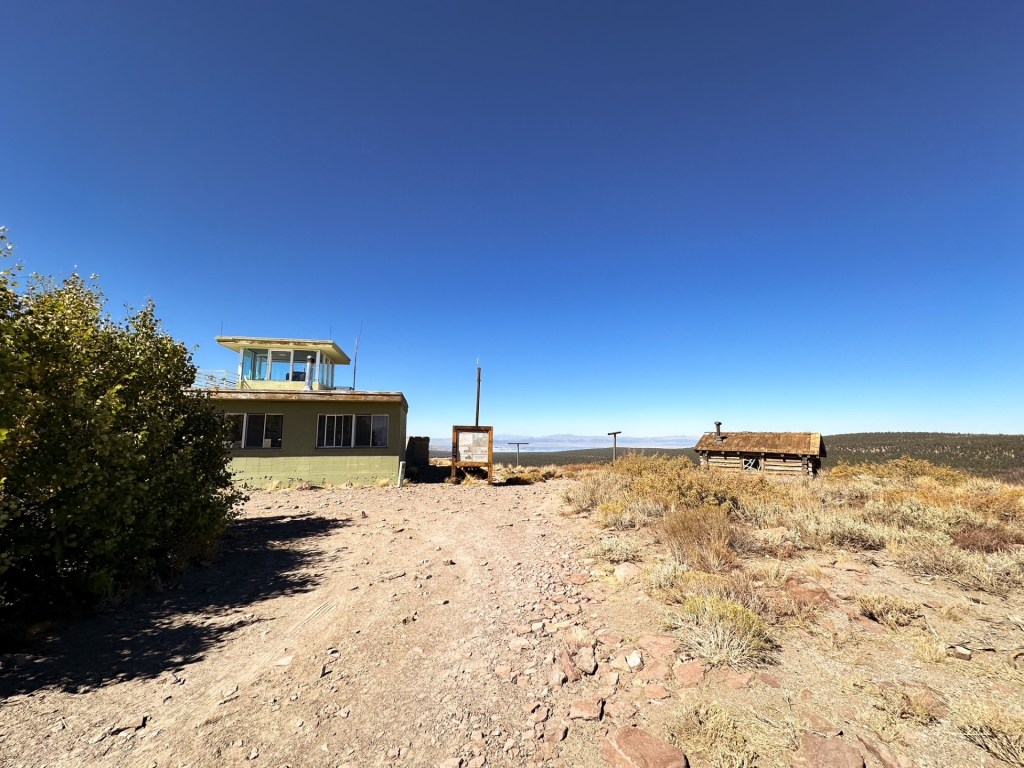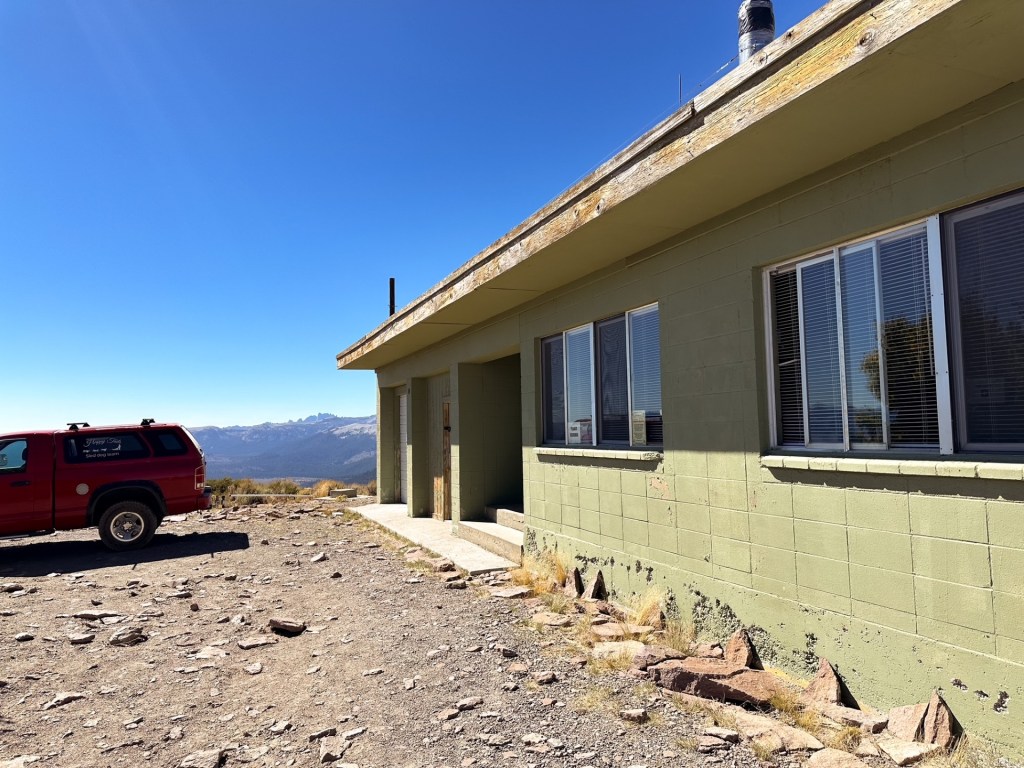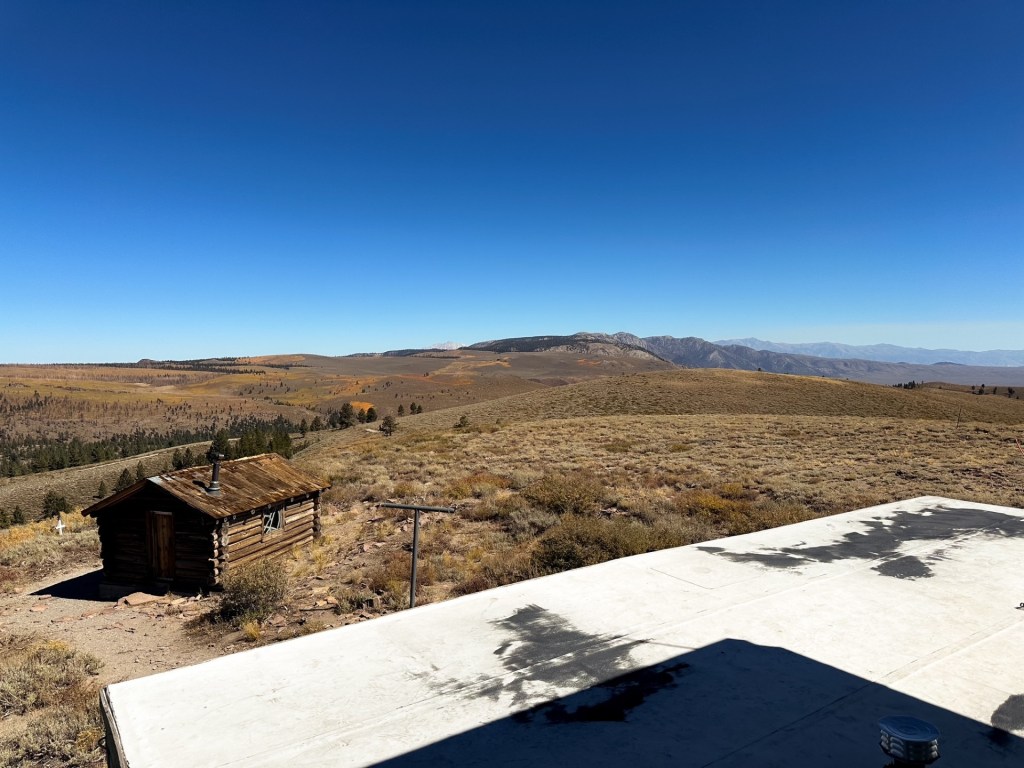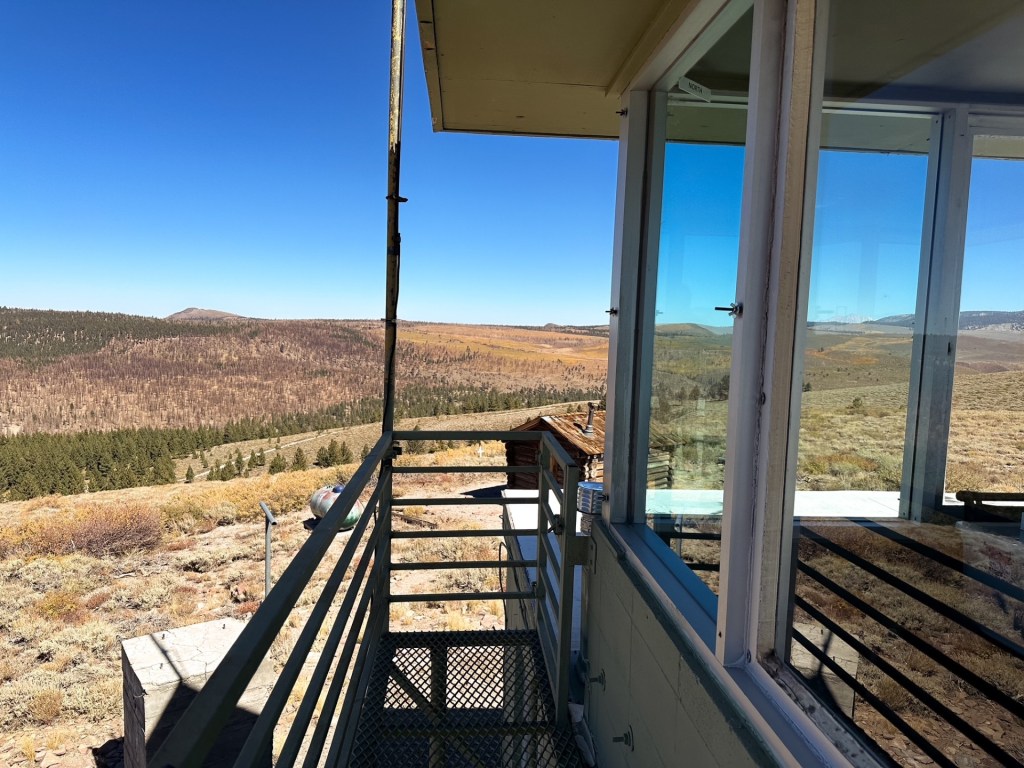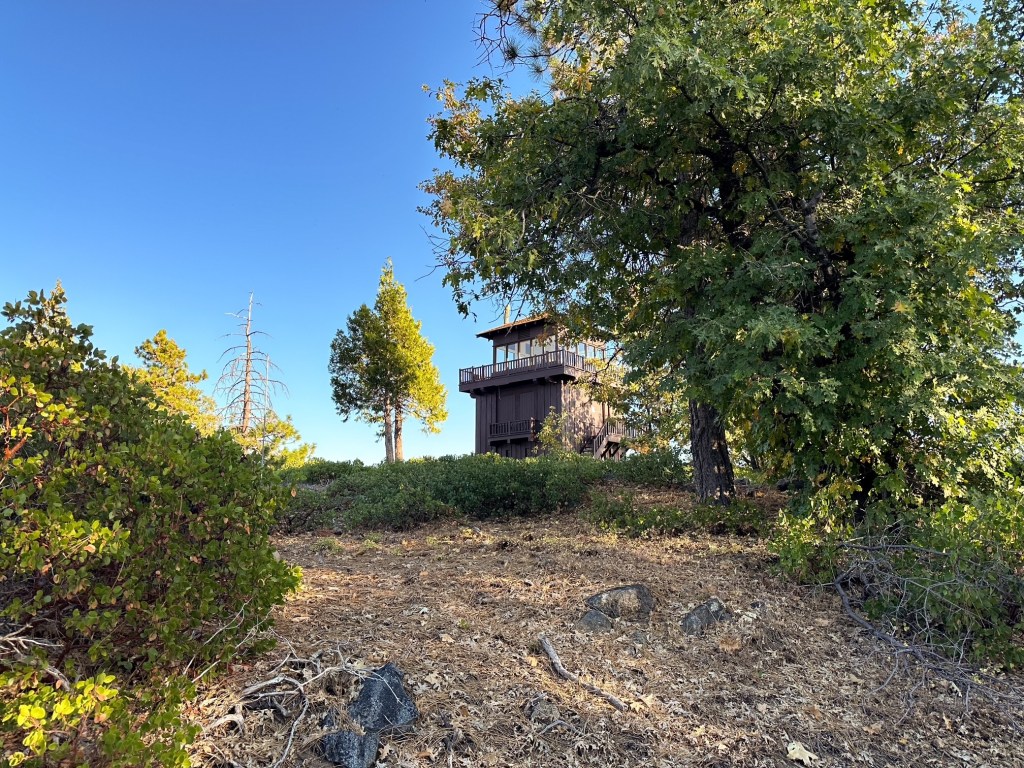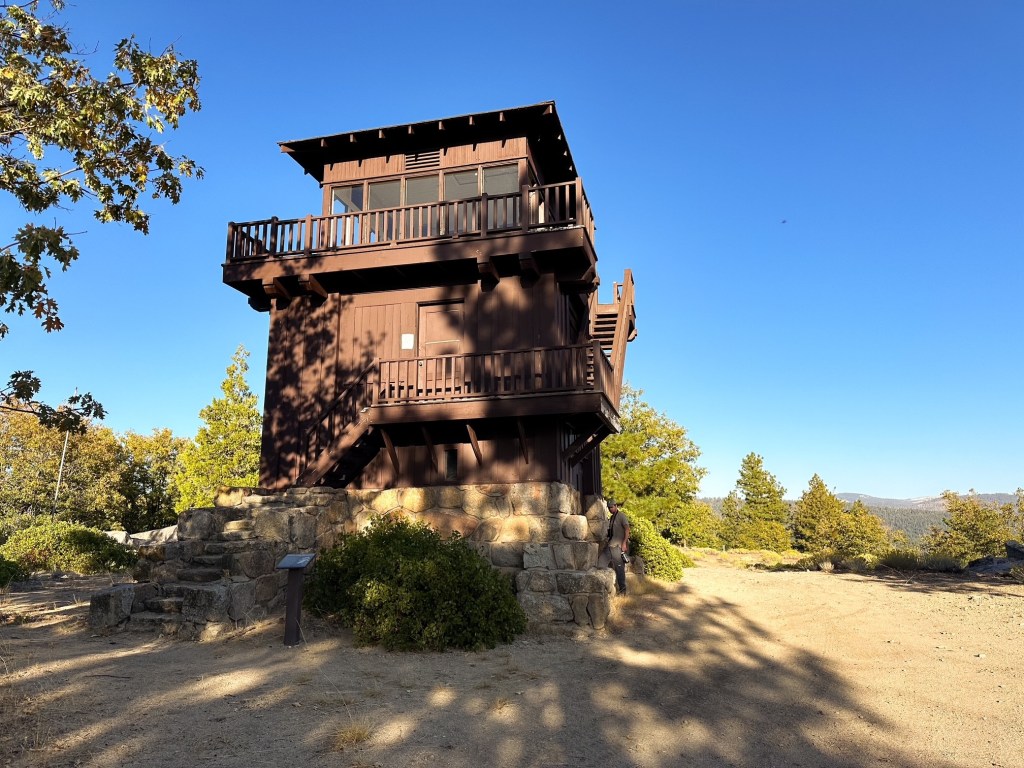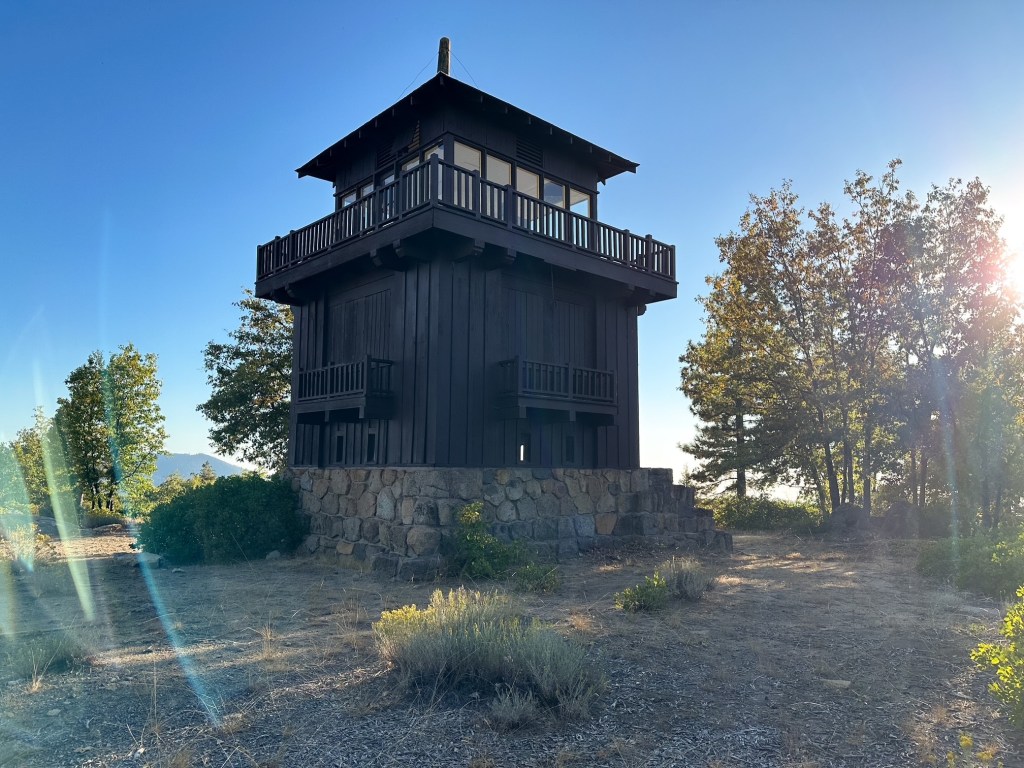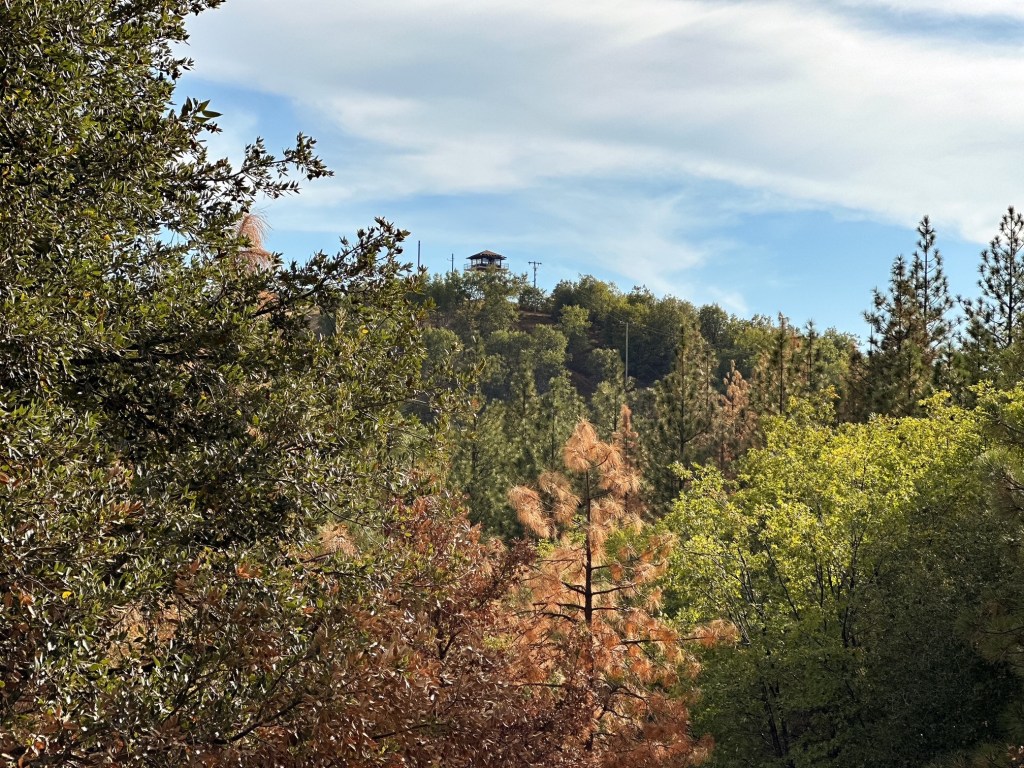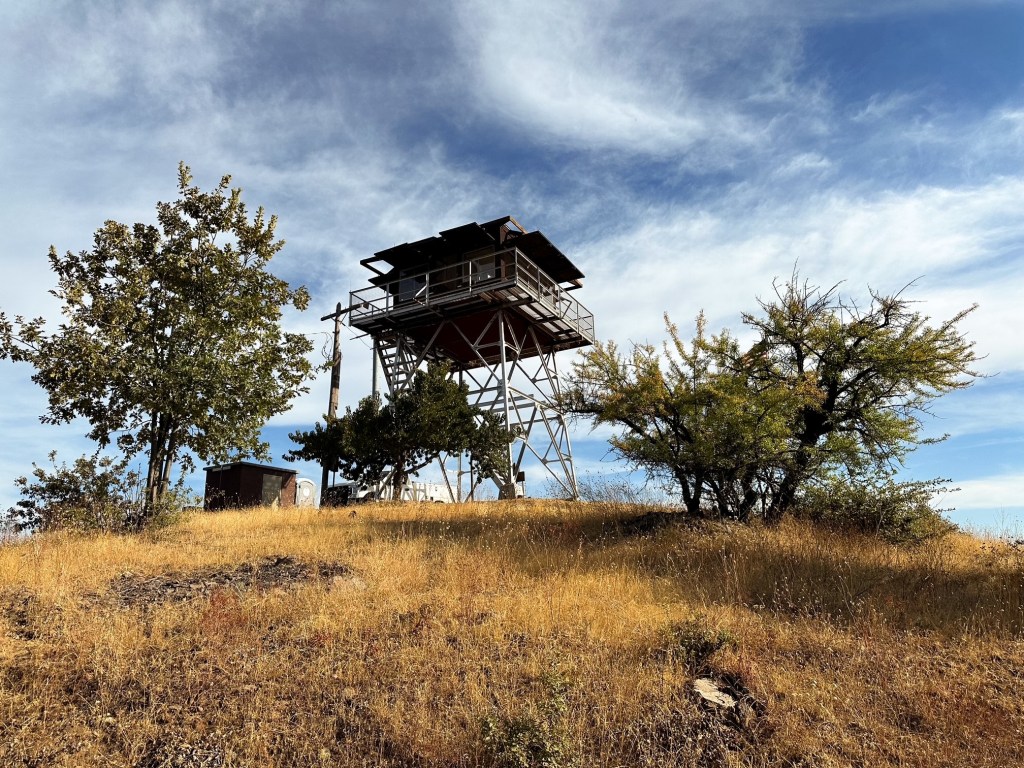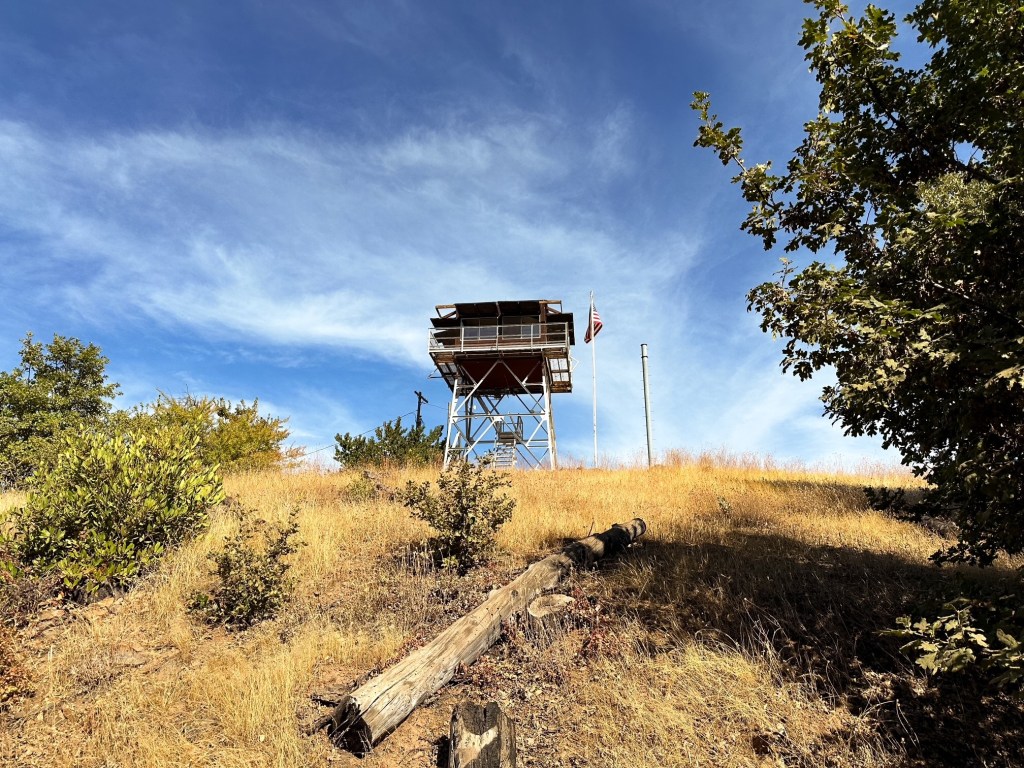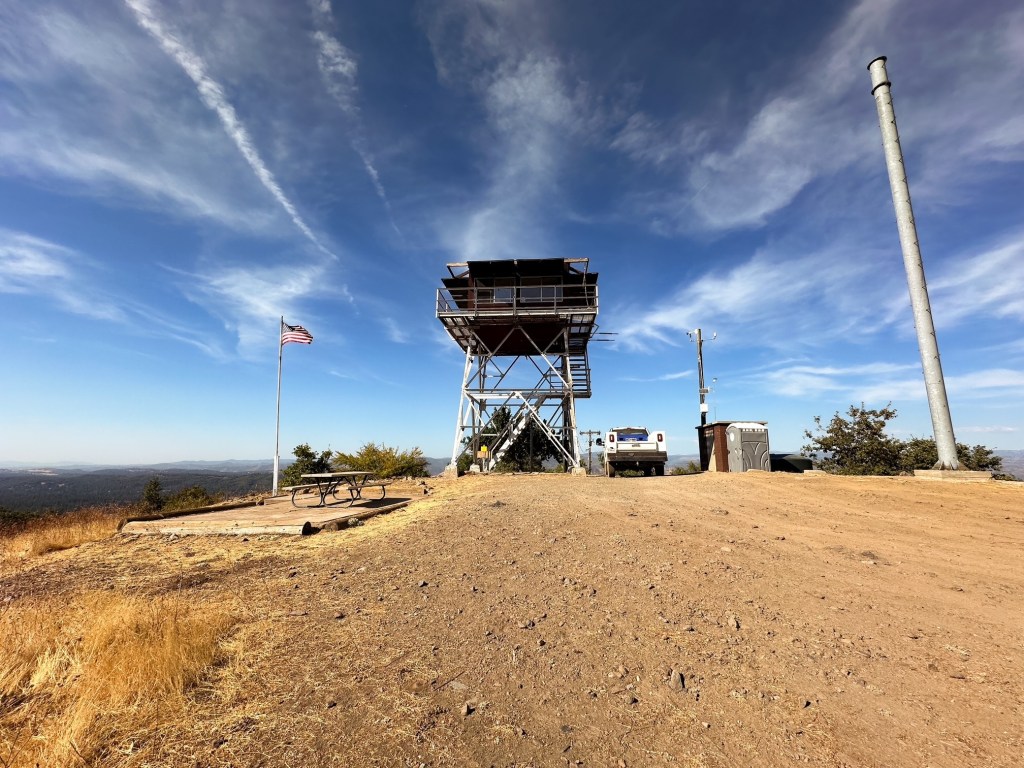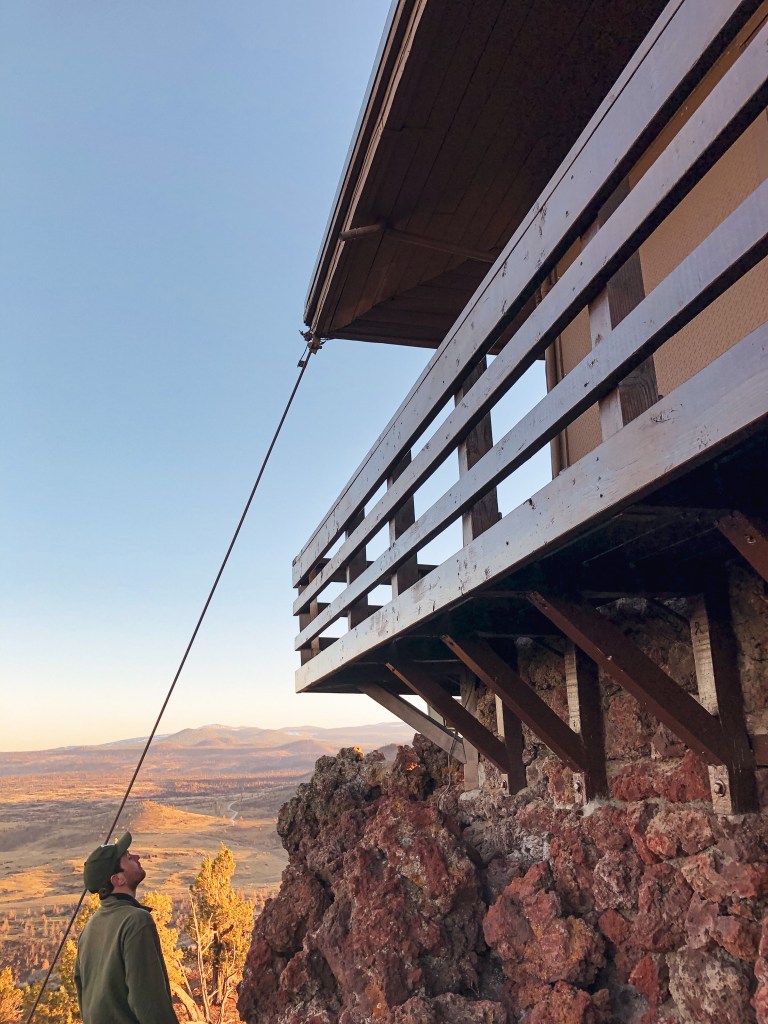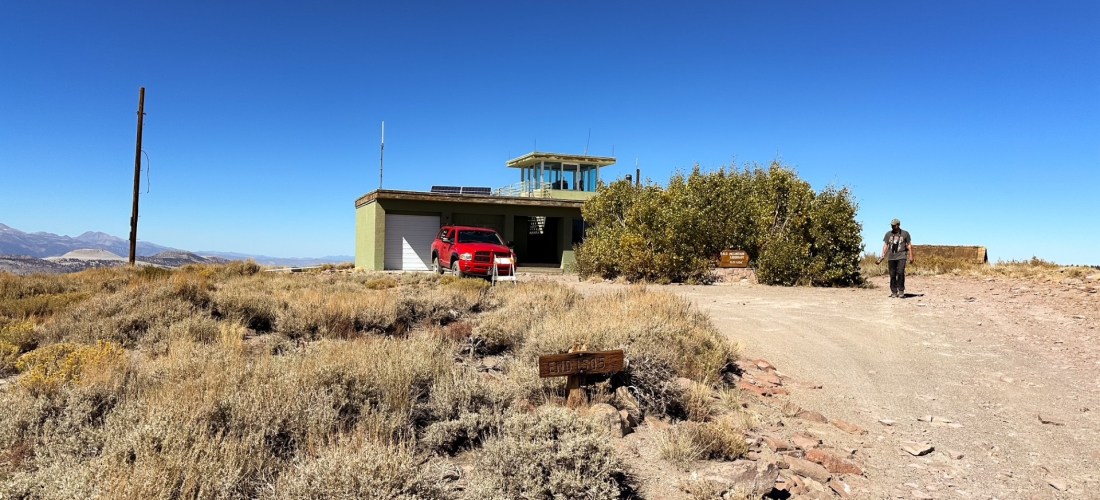
Crane Flat L.O.

California Lookouts

Location.

Yosemite National Park

Status.

Educational; Currently standing

Estimated drive time from Portland, OR.

15 hours

Date visited.

September 22, 2024

Elevation.

6,610′

National Historic Lookout Register.

US 280; CA 14

Trip Report.

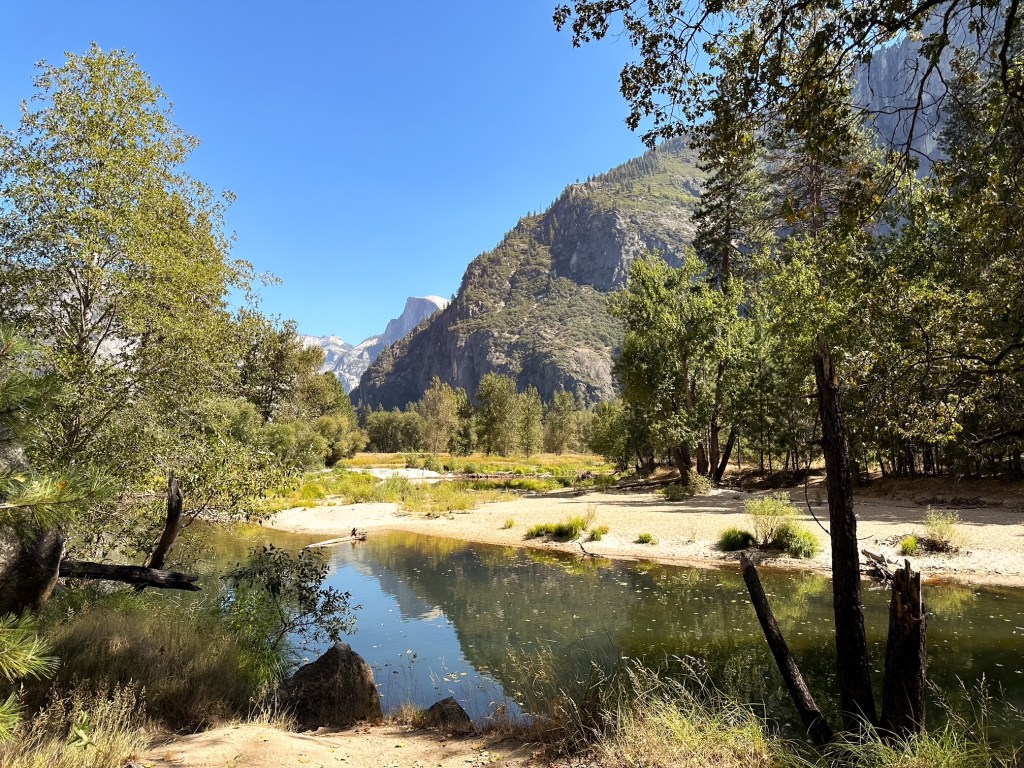
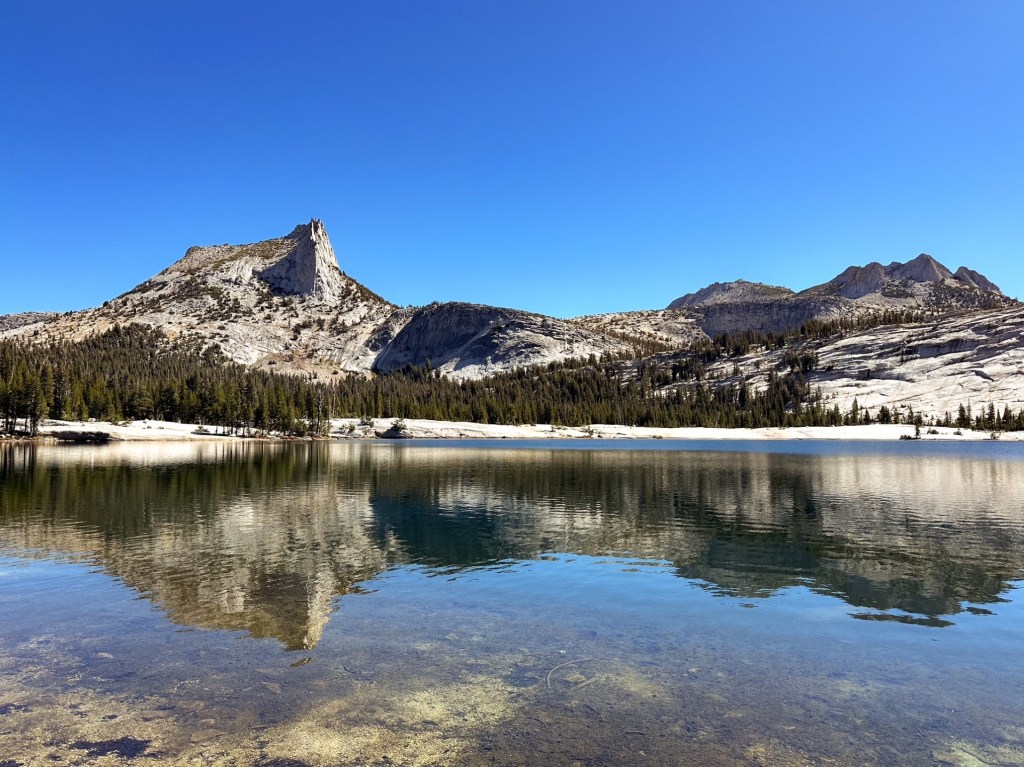
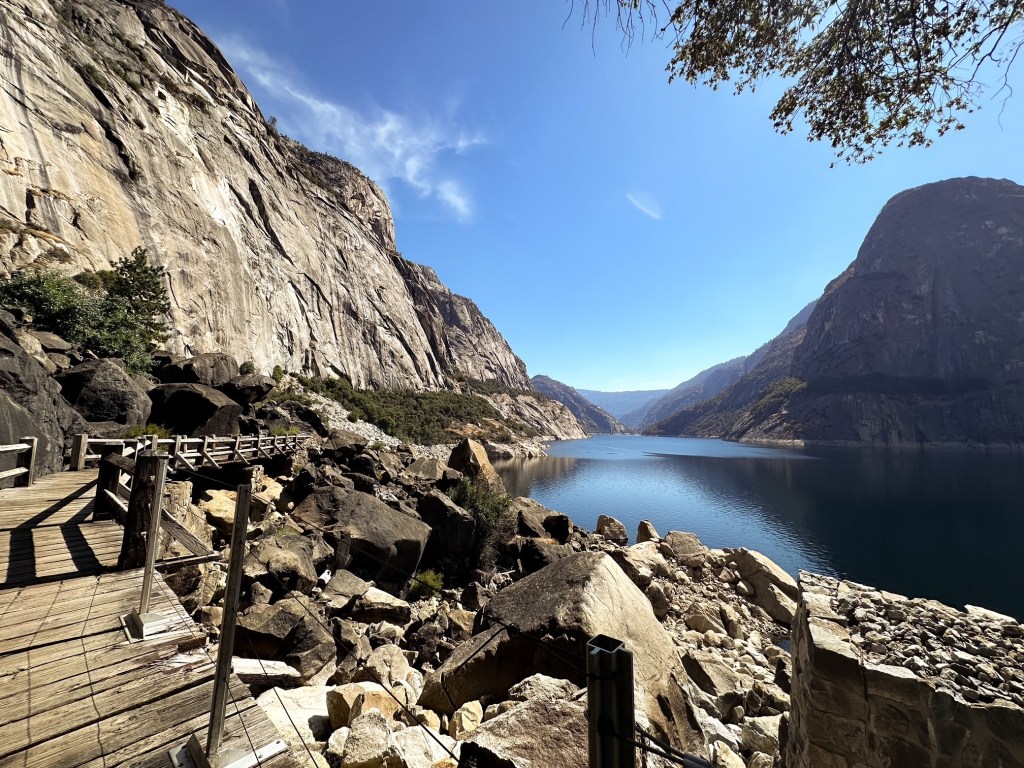
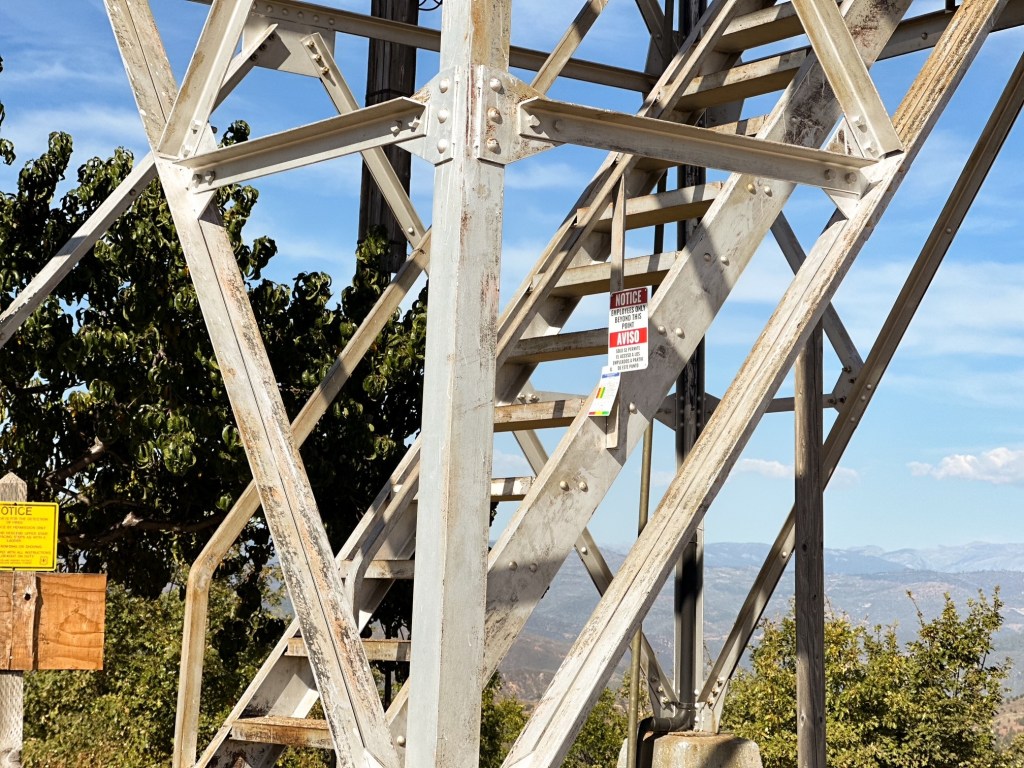
Did you know that Yosemite National Park has two standing fire lookouts within the park boundaries? This is something they don’t advertise on their brochure maps the way that other National Parks might. It seems you have to actively seek out the information online from sources other than the NPS. It’s possible they do this to dissuade visitors from bothering working crews or disturbing the surrounding neighborhoods since both areas do not have capacity for high visitation. I commandeered our plans for end of September to satisfy my desire to check Yosemite NP off my bucket list. I still wanted to work some fire lookouts into our route for good measure and was pleasantly surprised to find there were a couple within the park. We had originally planned to visit the park back in 2020 during a 2-week road trip, but chose to reroute due to wildfire park closures and terrible air quality. It’s been on my redemption list since then. Thankfully, it seems that some National Parks have taken to withholding a few camp spots within a 2-week period instead of the usual 6-month rolling period. This has particularly come in handy for me as I’ve shuffled things around this year or if you’re more of a last minute planner. It helped that we were also traveling slightly outside the peak season when most kids are back in school and the daily timed entries were only required on weekends. I found no issues claiming my preferred camp spot at 7AM on recreation.gov 2-weeks prior to our trip.

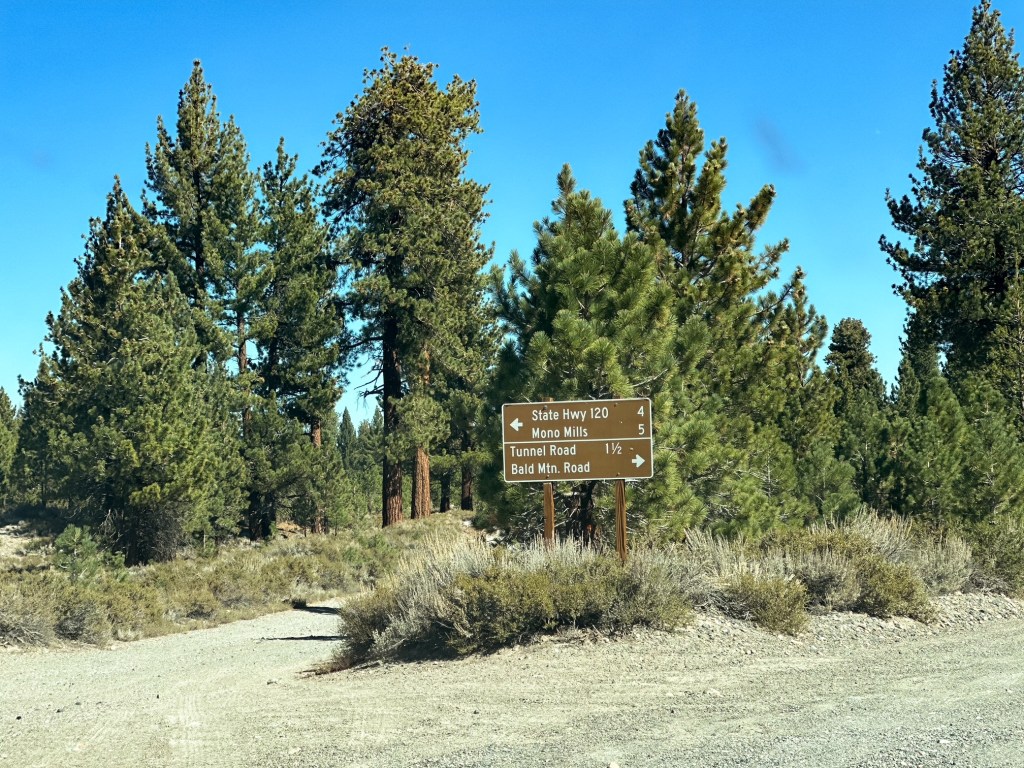
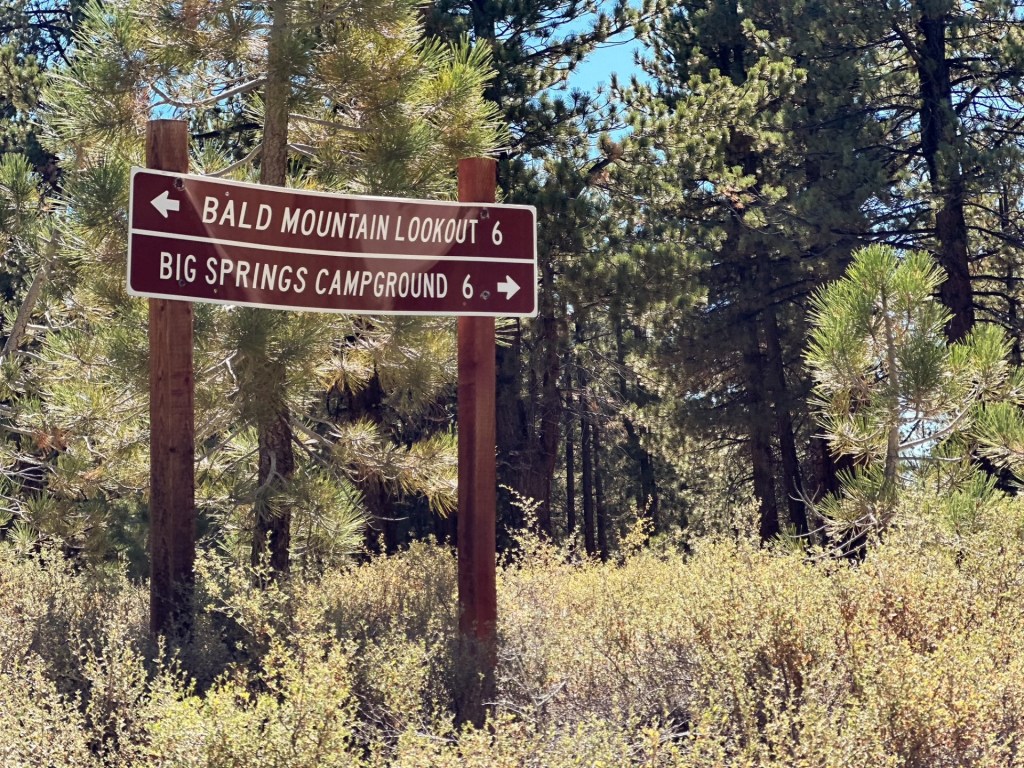
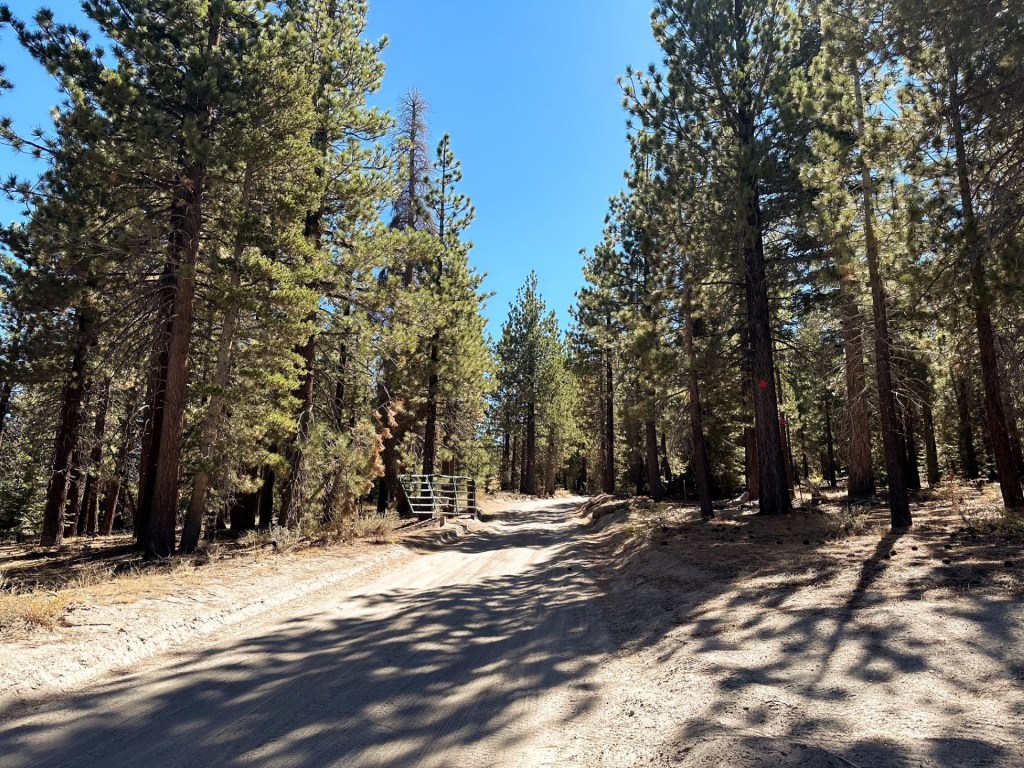
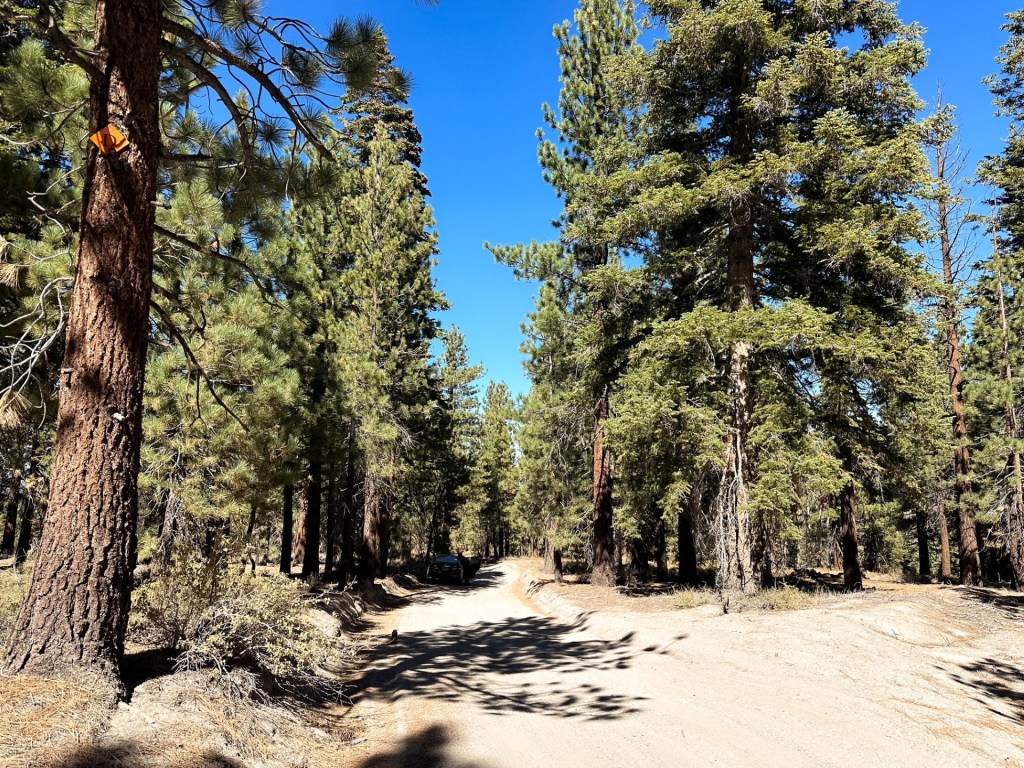
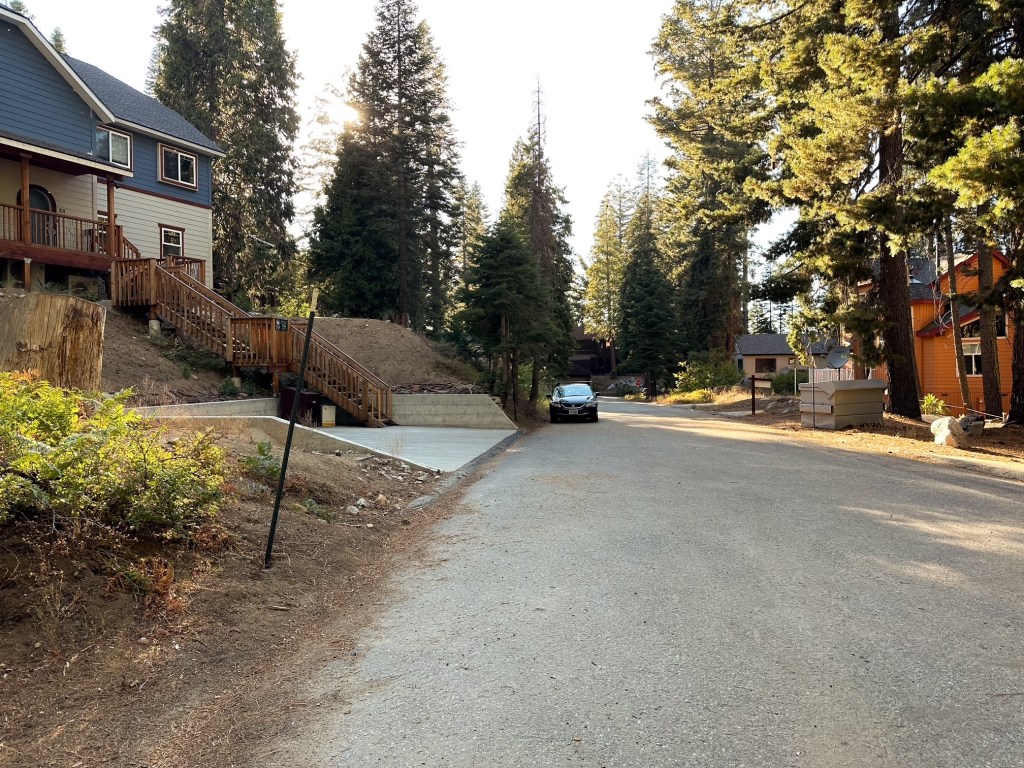
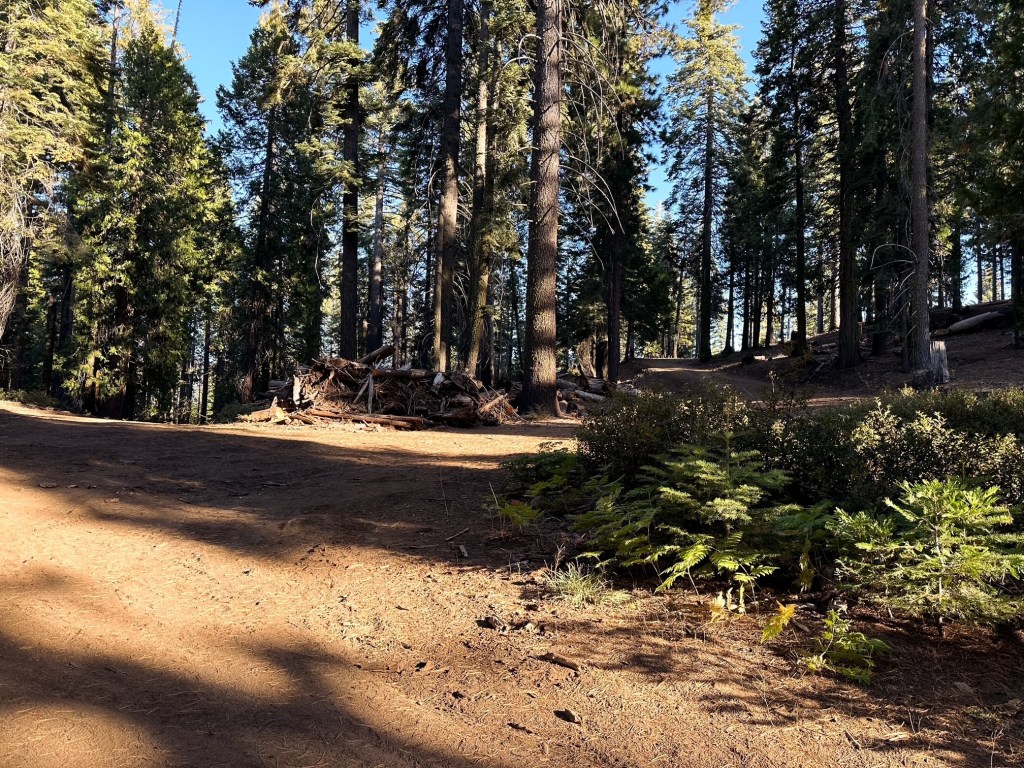
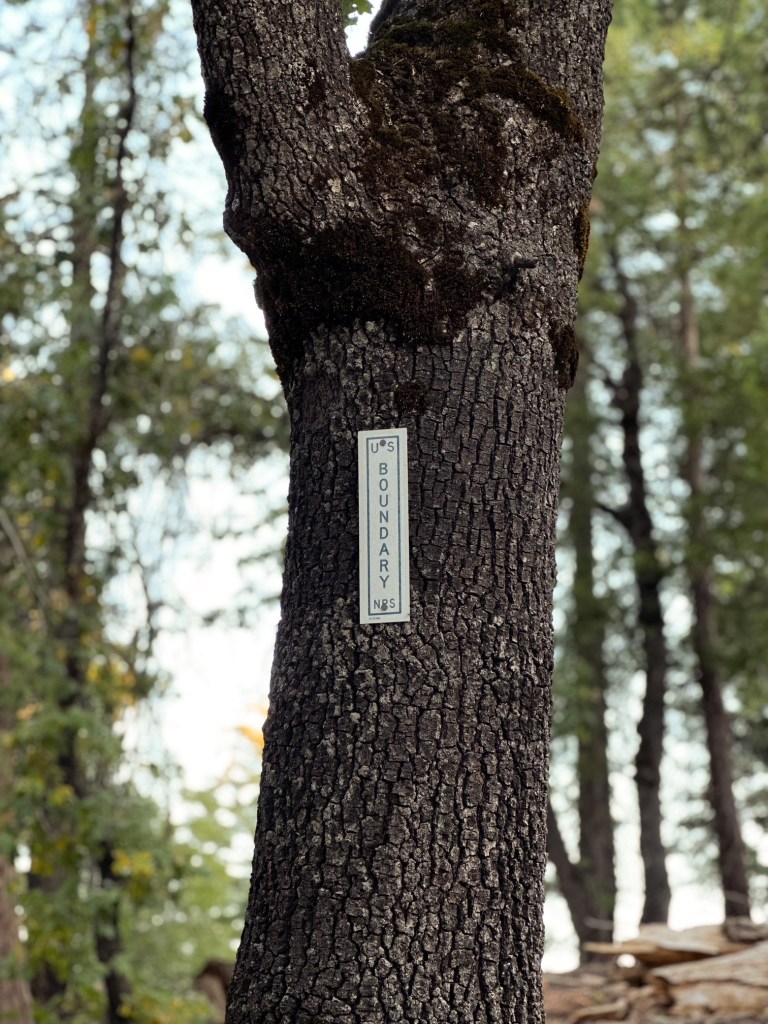
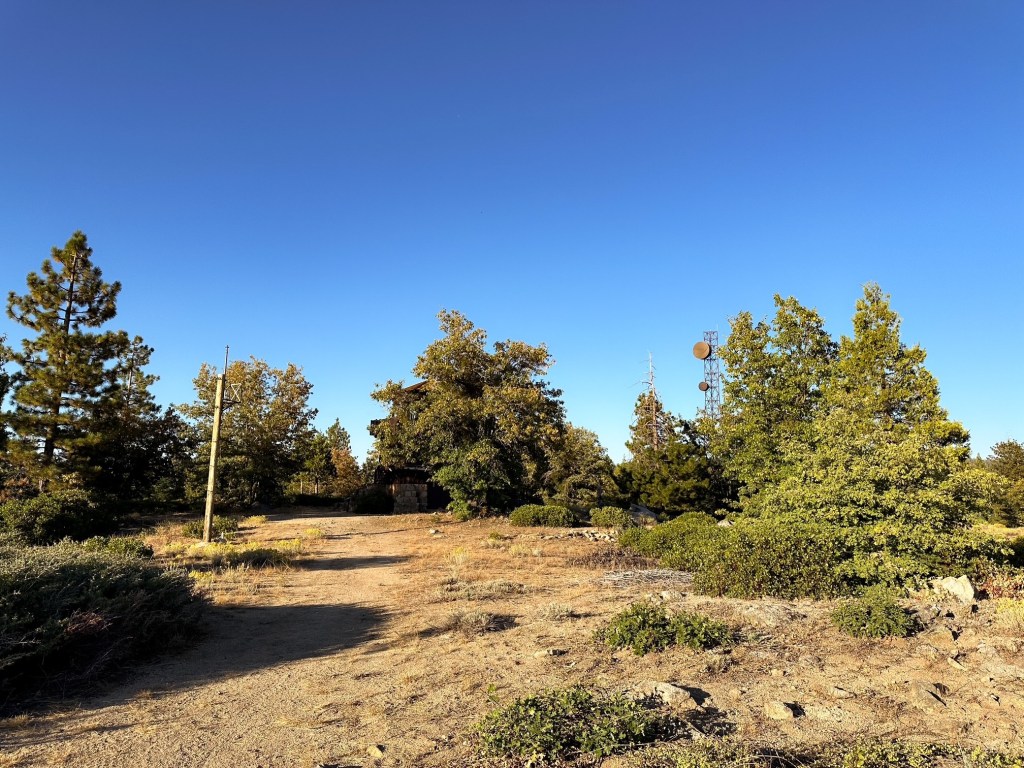
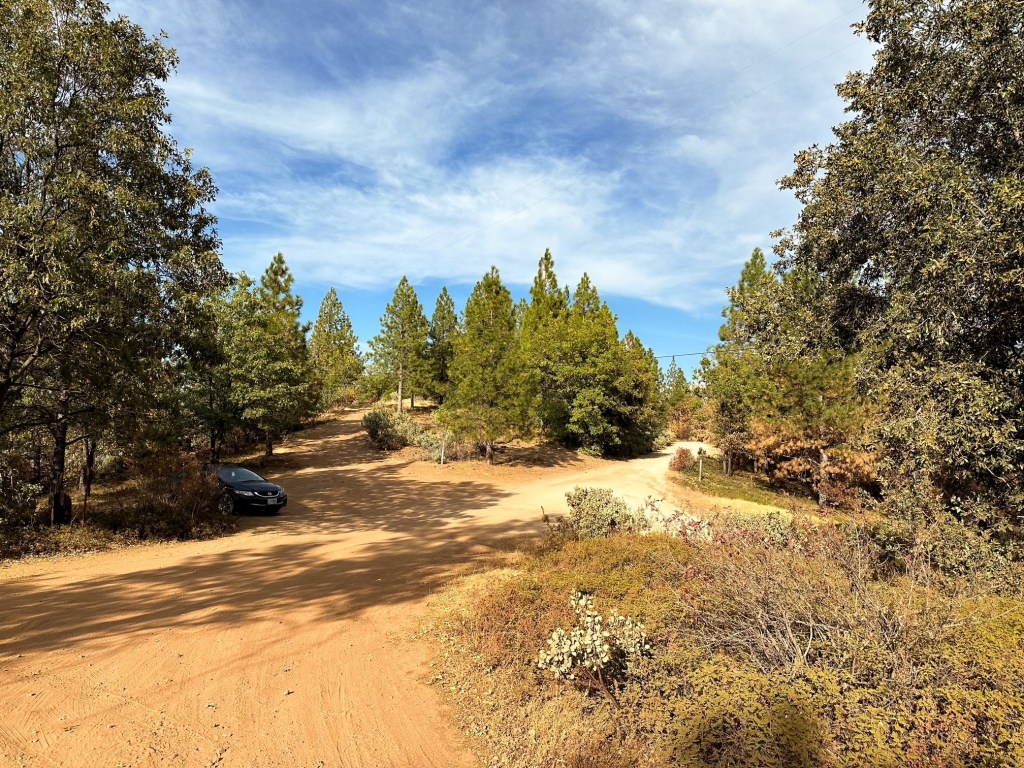
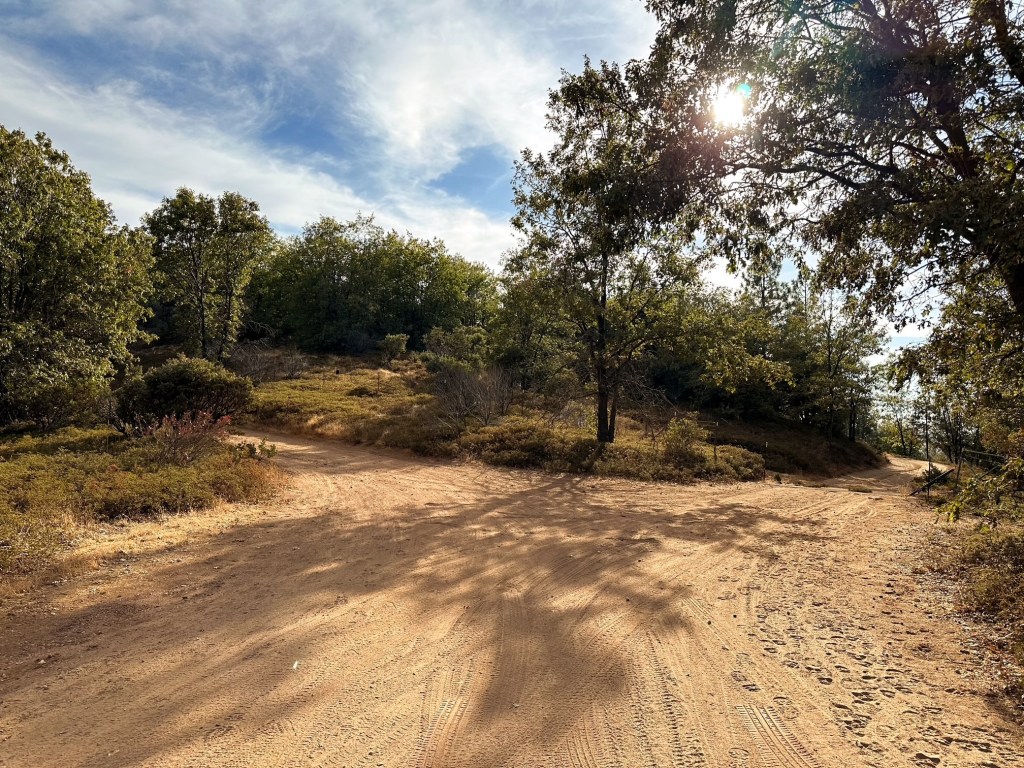
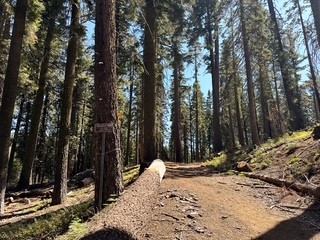
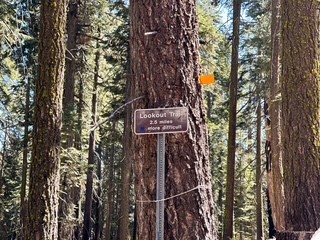
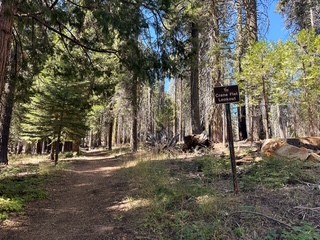
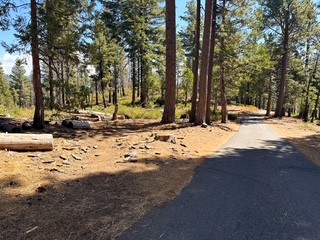
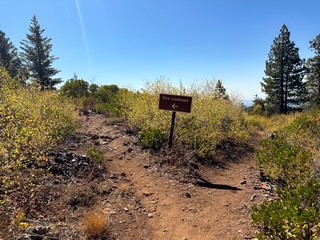
The first day of our trip was spent in the car, well past dark, to get to our reserved spot at the Crane Flat campground. It took us significantly longer than what was estimated and it was beyond my limit for the amount of time I wanted to spend in a car for the day. That being said, the second day was planned for as little driving as possible. This meant exploring the area closest to our campground at the Tuolumne Grove Trailhead. We started with the relatively short hike down to the grove and ate our lunch at one of the trailhead picnic tables afterwards. Our other destination for the day was the Crane Flat lookout which can be reached via road or trail. There is still a short trail to the lookout if you decide to go by road, but we decided to follow the longer route via the lower trail. This conveniently starts from the same trailhead as the Tuolumne Grove. To find the start of the lookout trail we headed away from the obvious trailhead area and toward the overflow parking behind the bathrooms. We followed the parking lot to it’s end where an old dirt road bed continues and a small sign on a tree indicated it was to the lookout. This will zig-zag up to meet with the paved road that people can drive. From there, we hiked the road to the official lookout trailhead and followed the short trail around. There are a few signs along these trails but it is not present at every junction. Be aware of your surroundings and note where you are heading so you can find your way back.

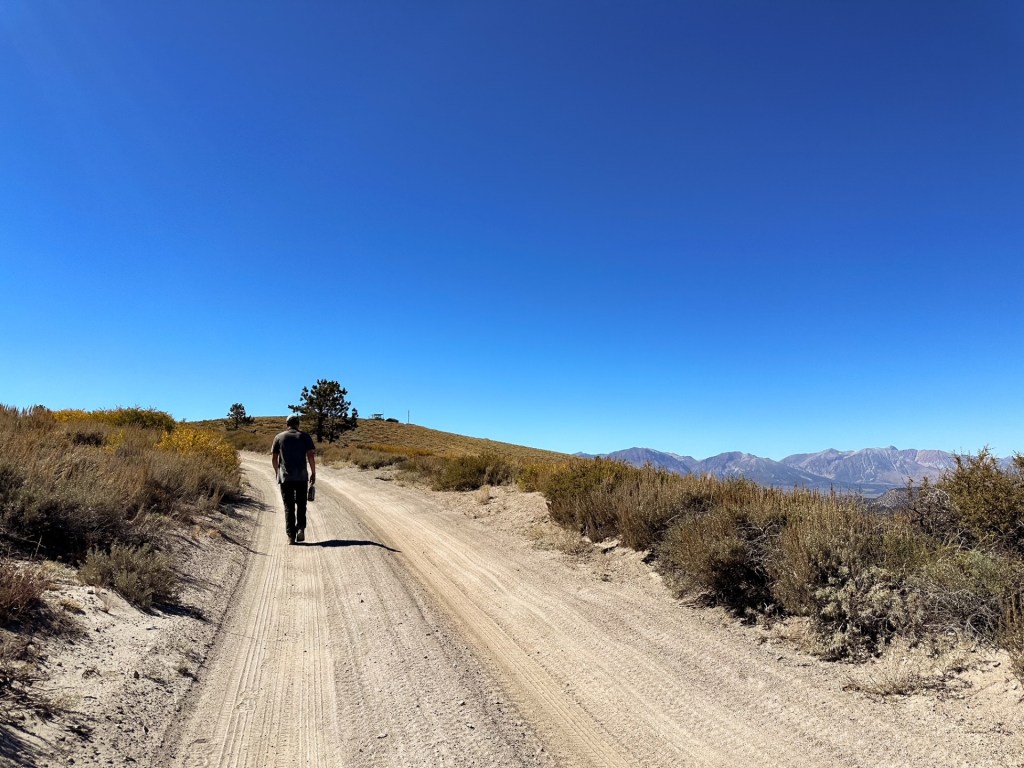
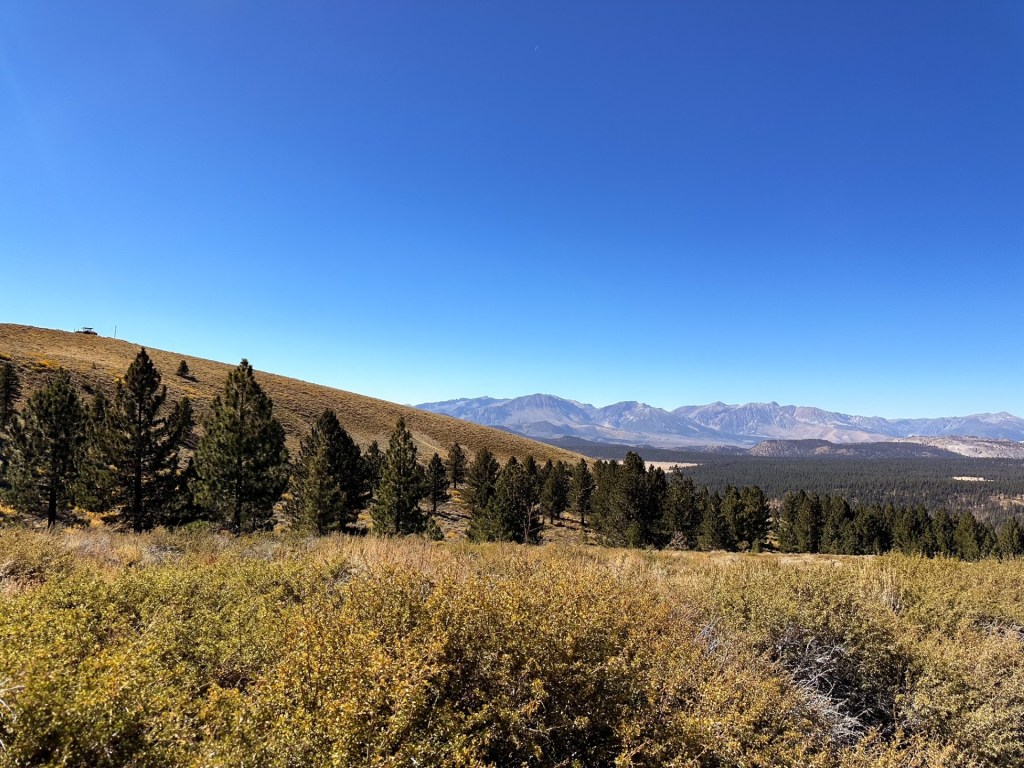
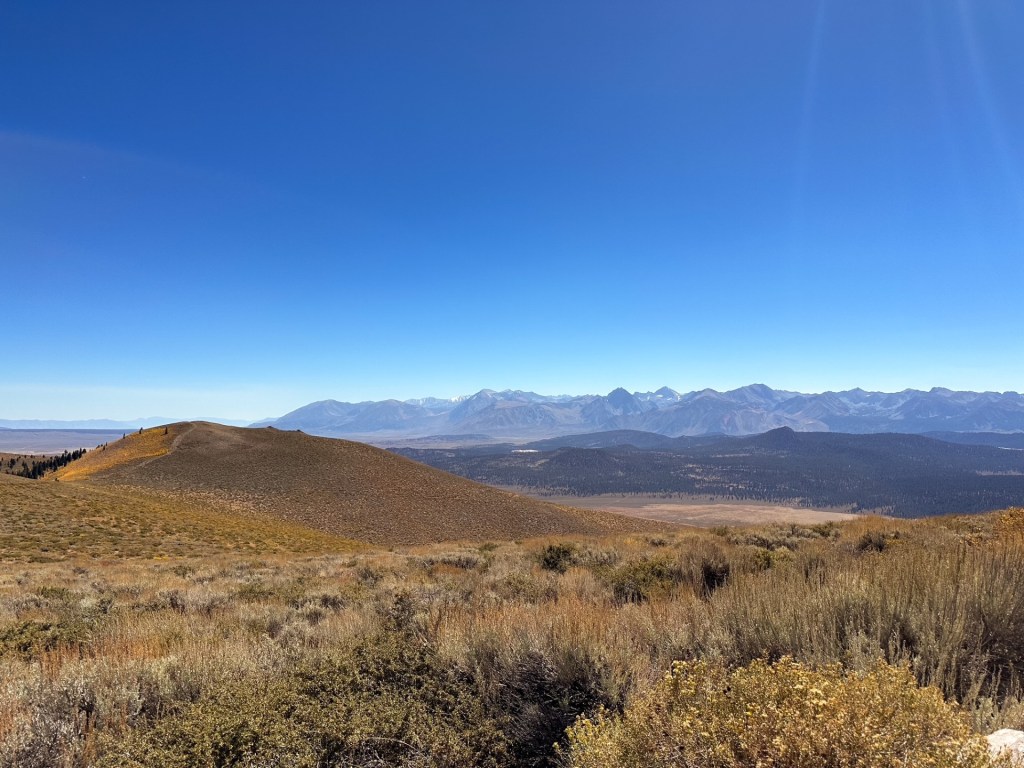
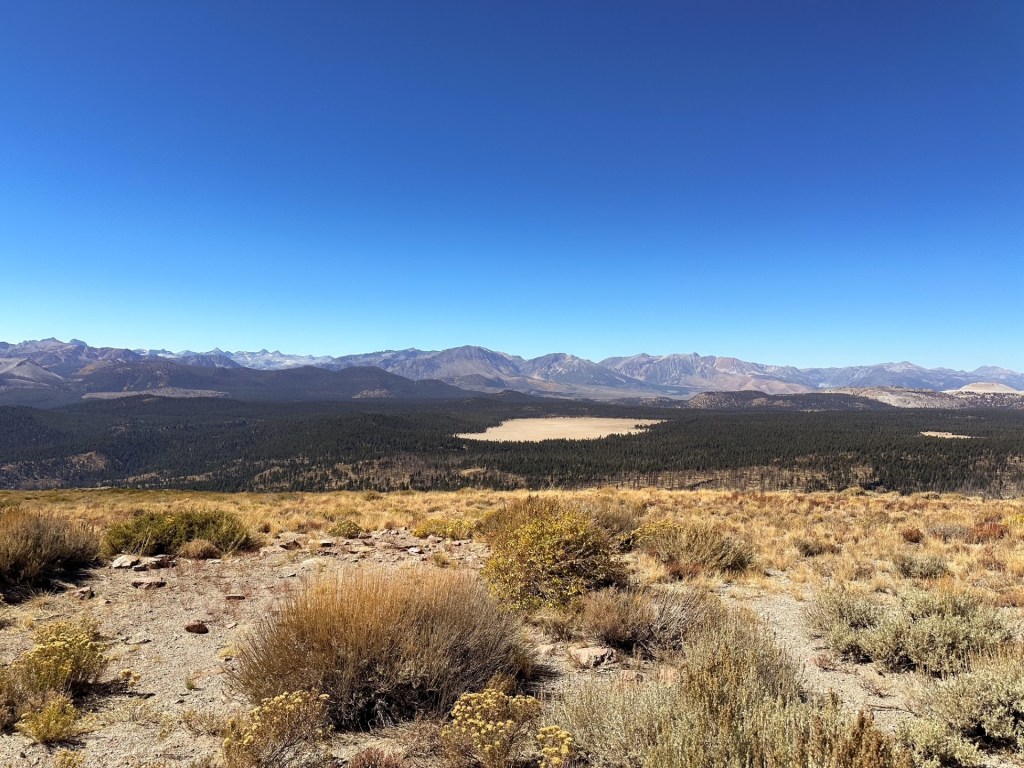
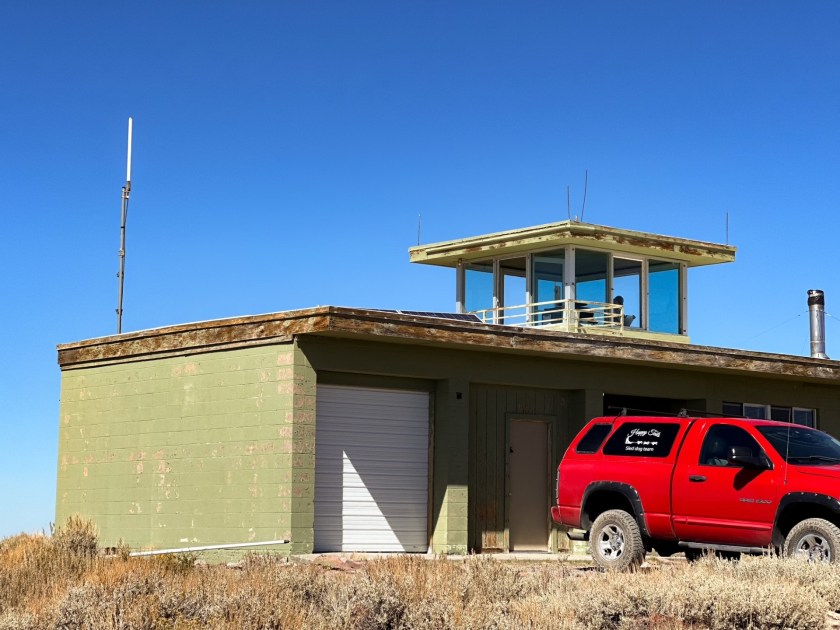
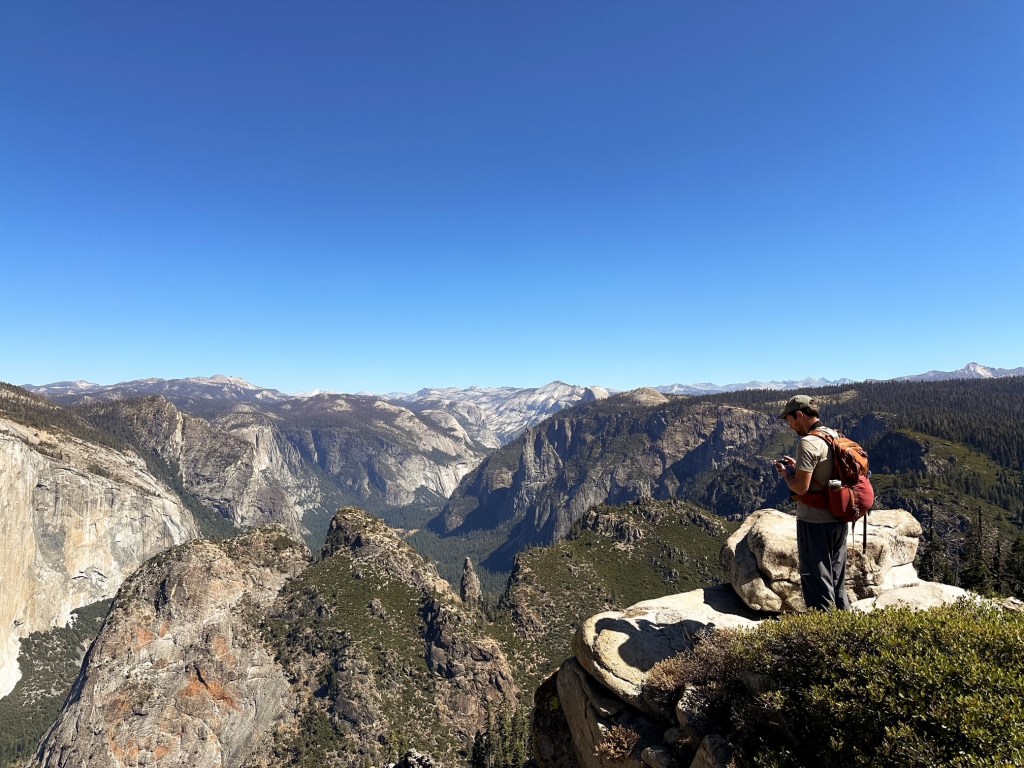
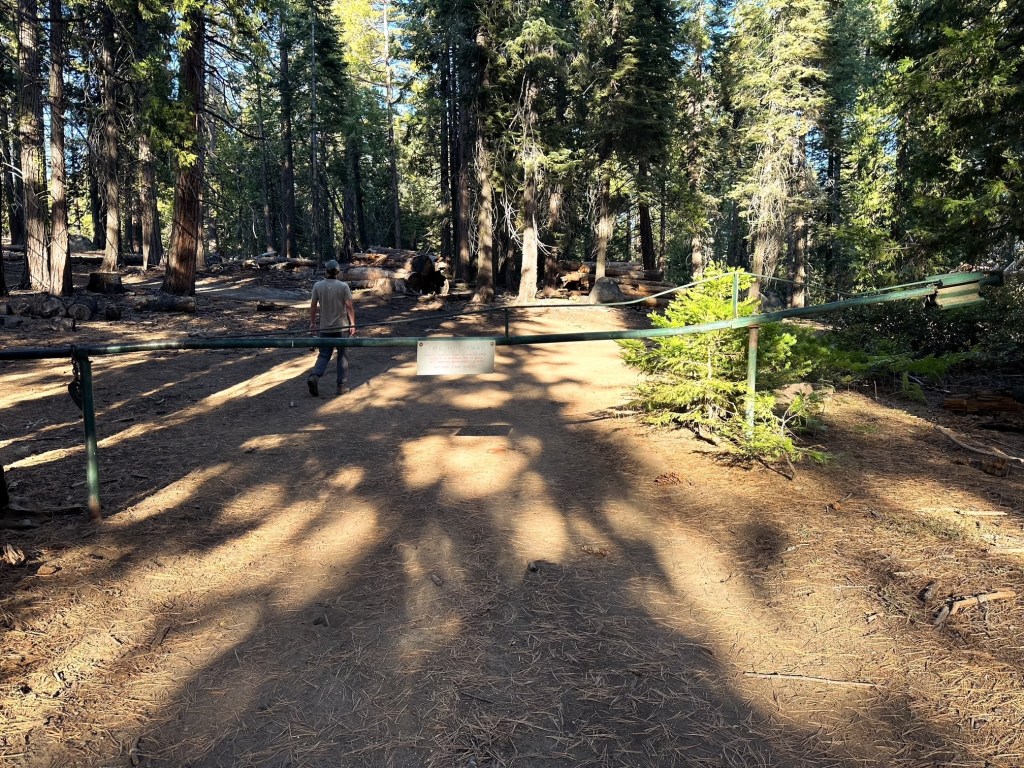
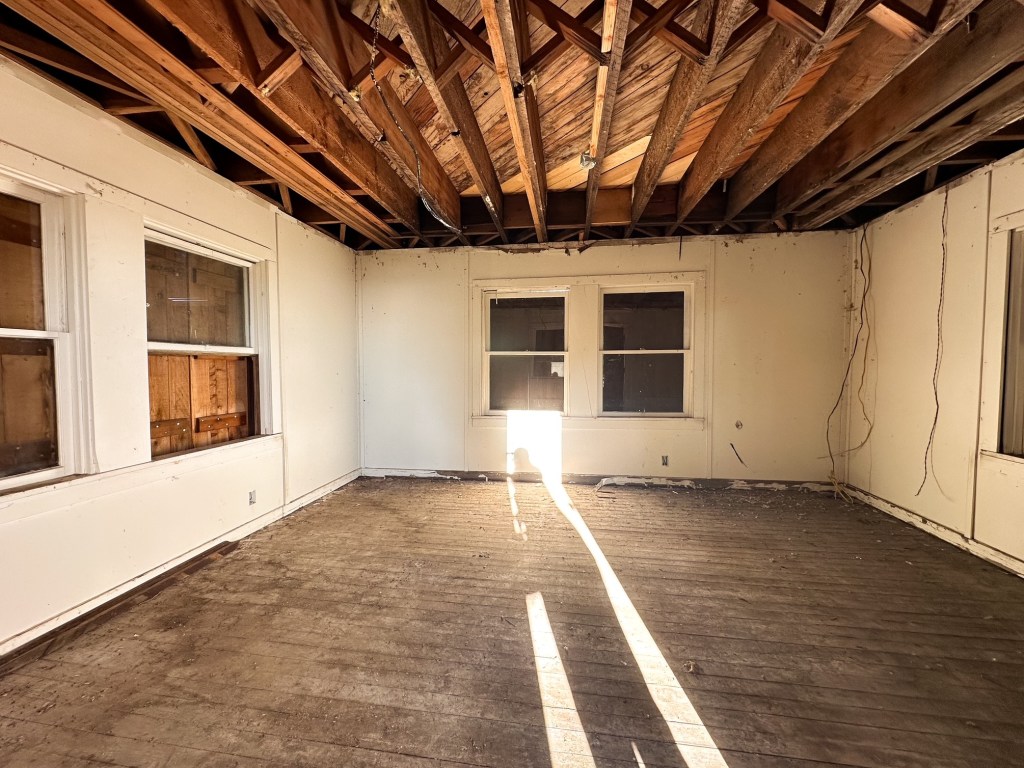
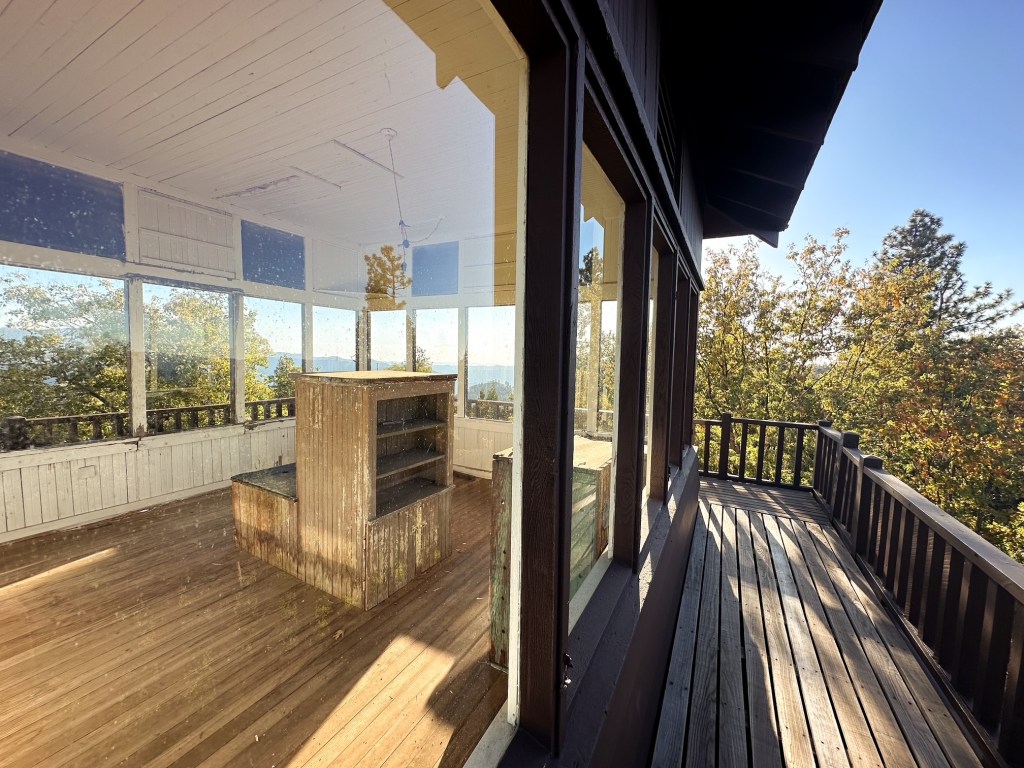
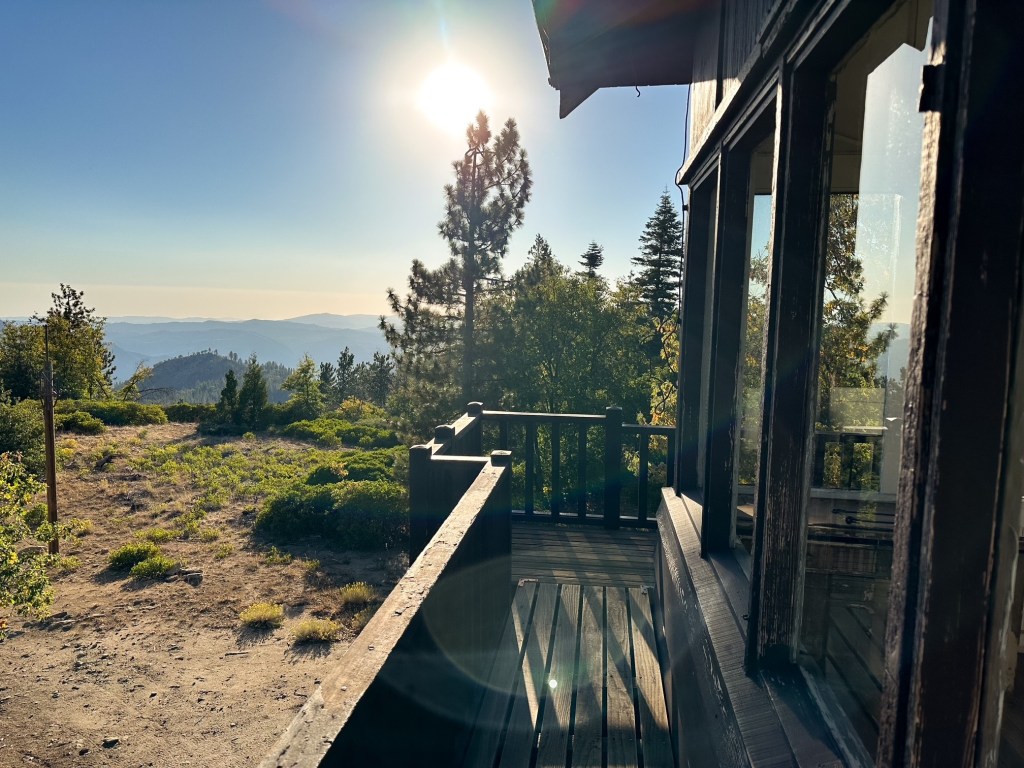
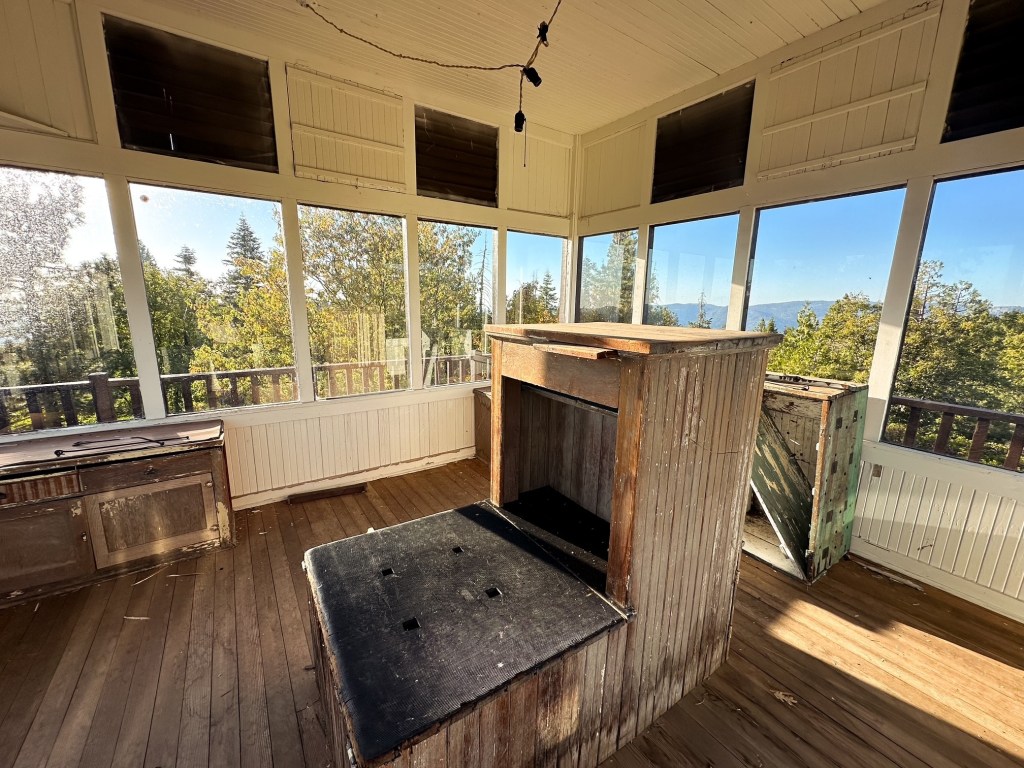
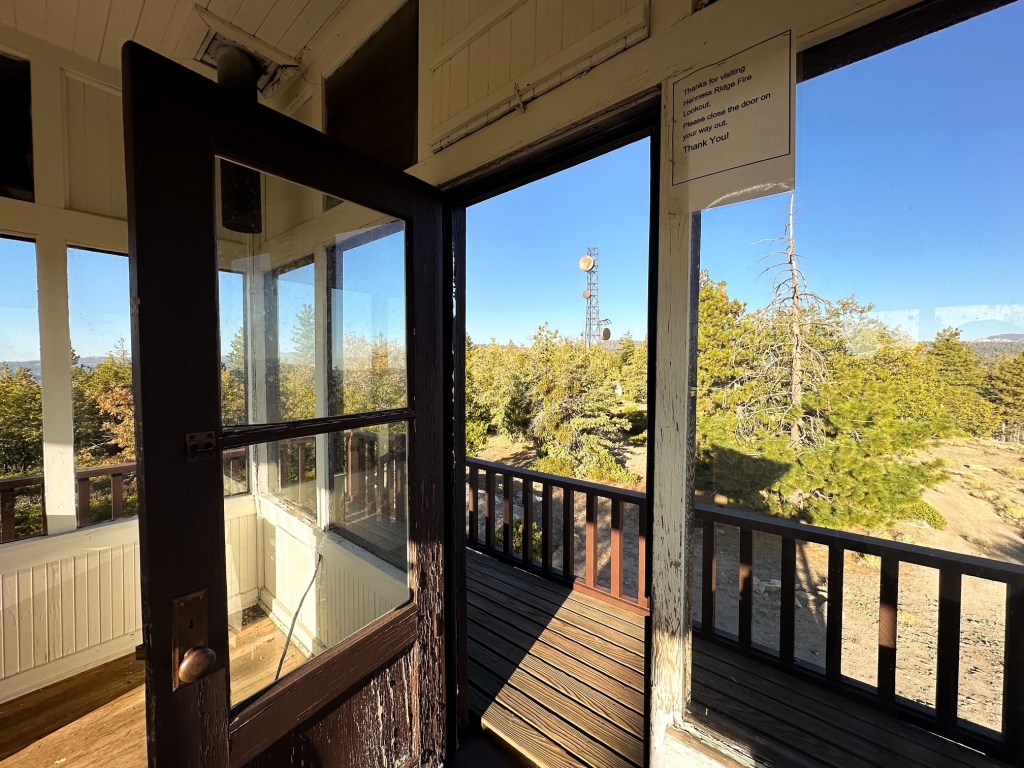
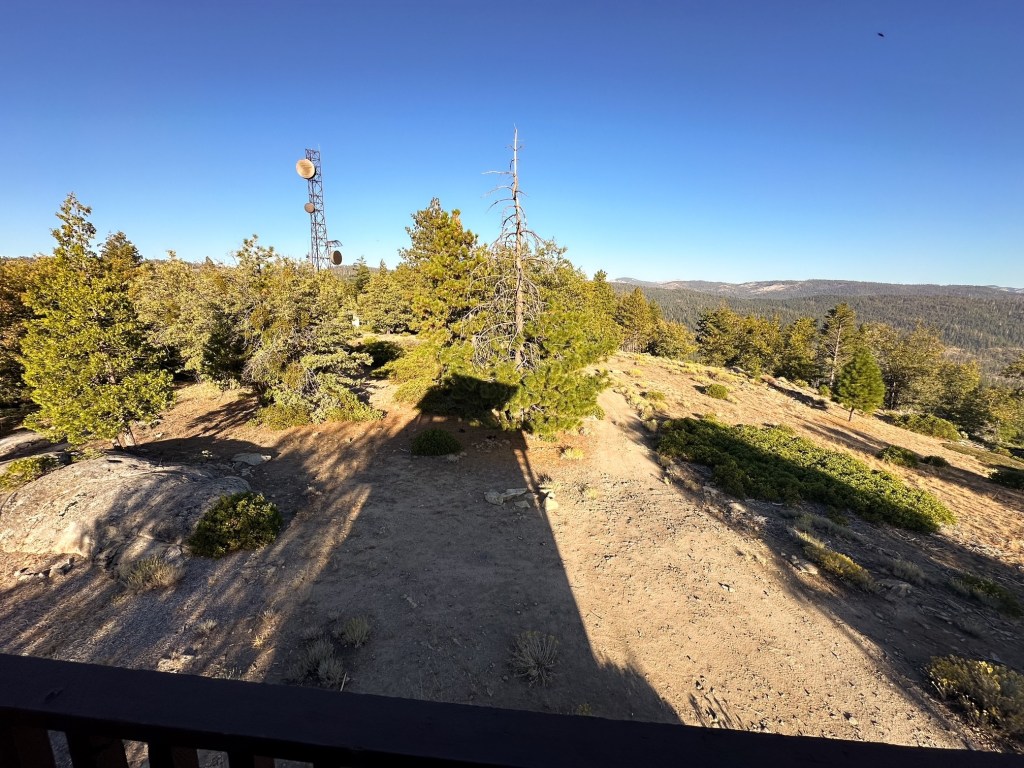
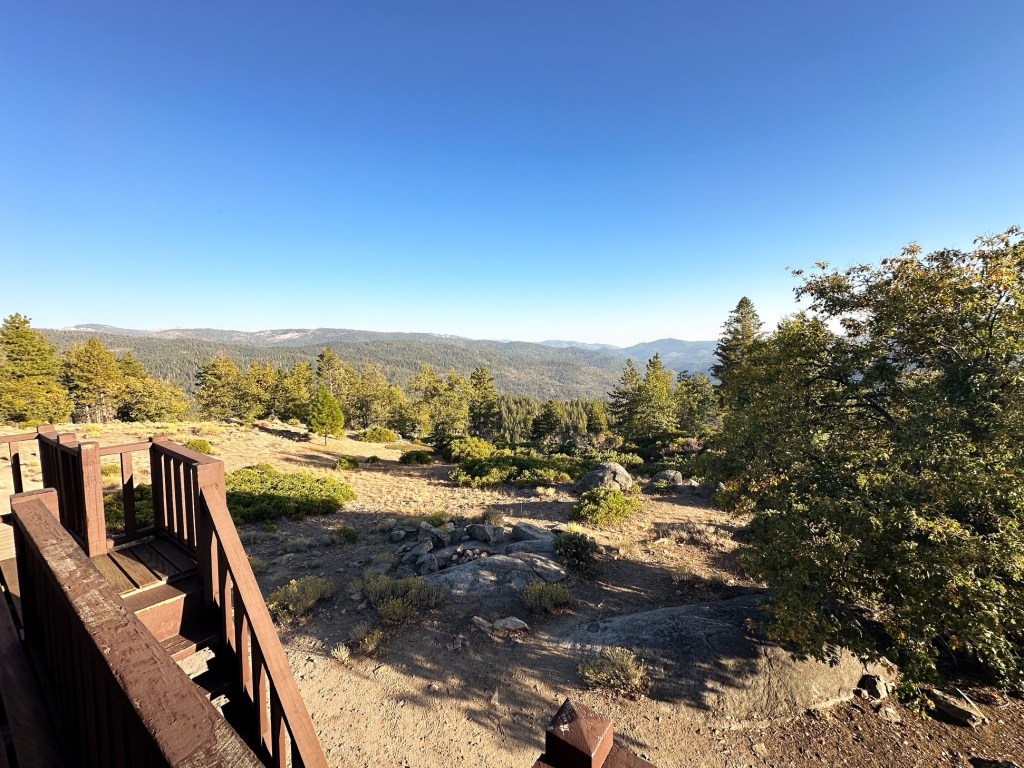
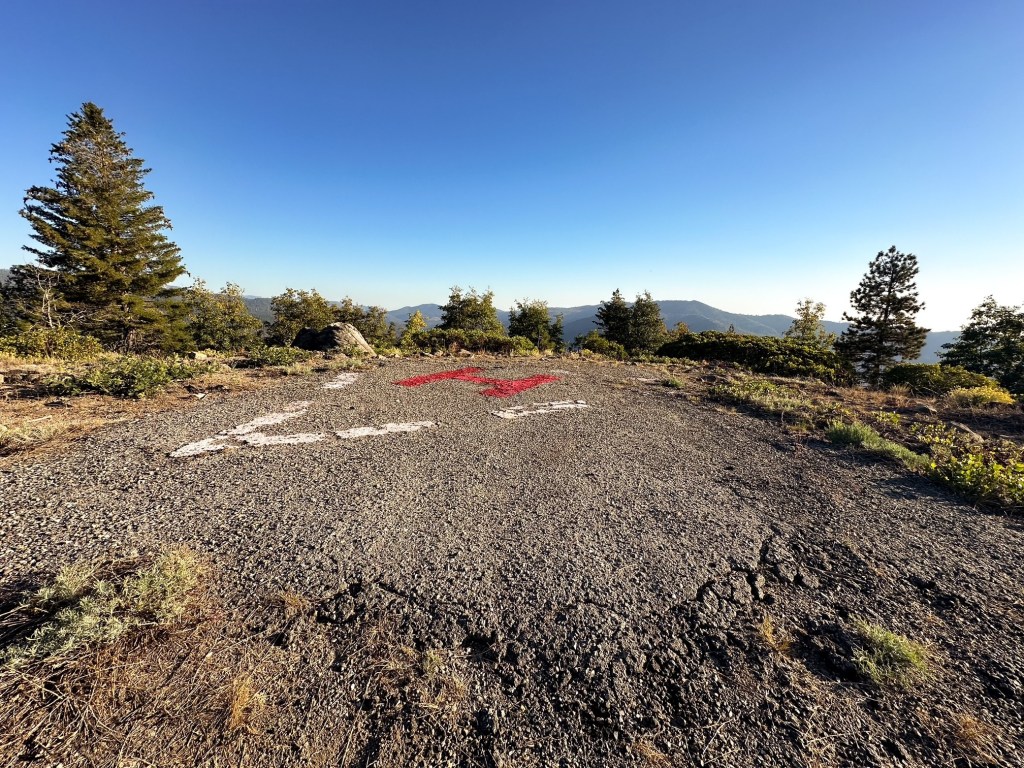
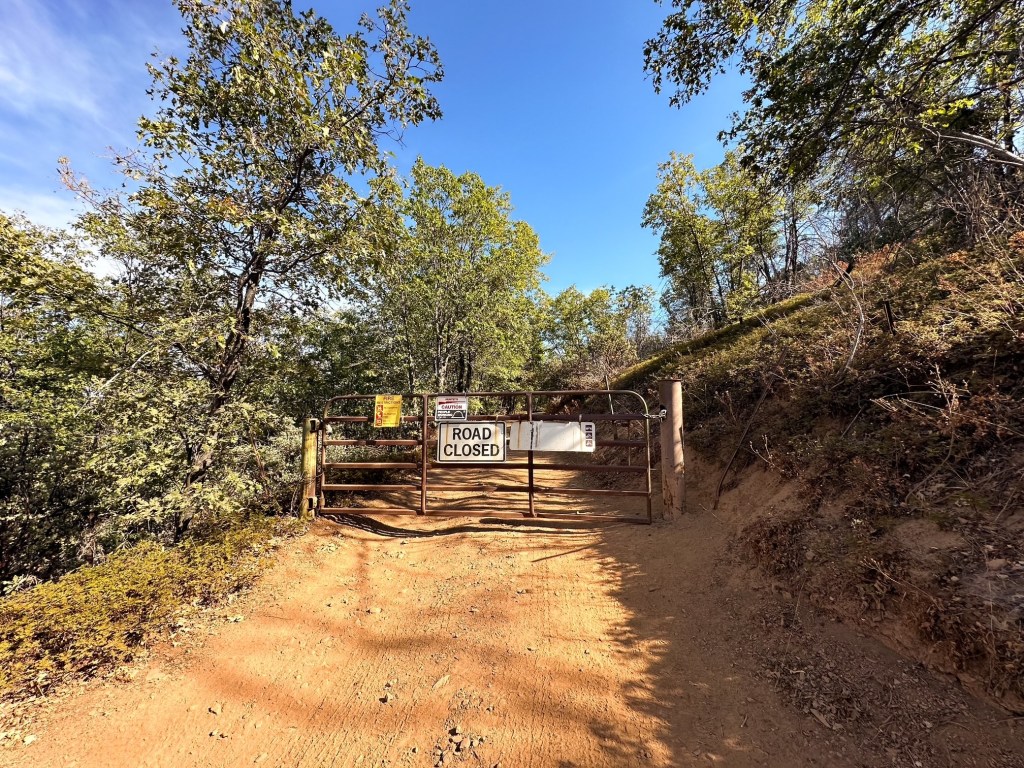
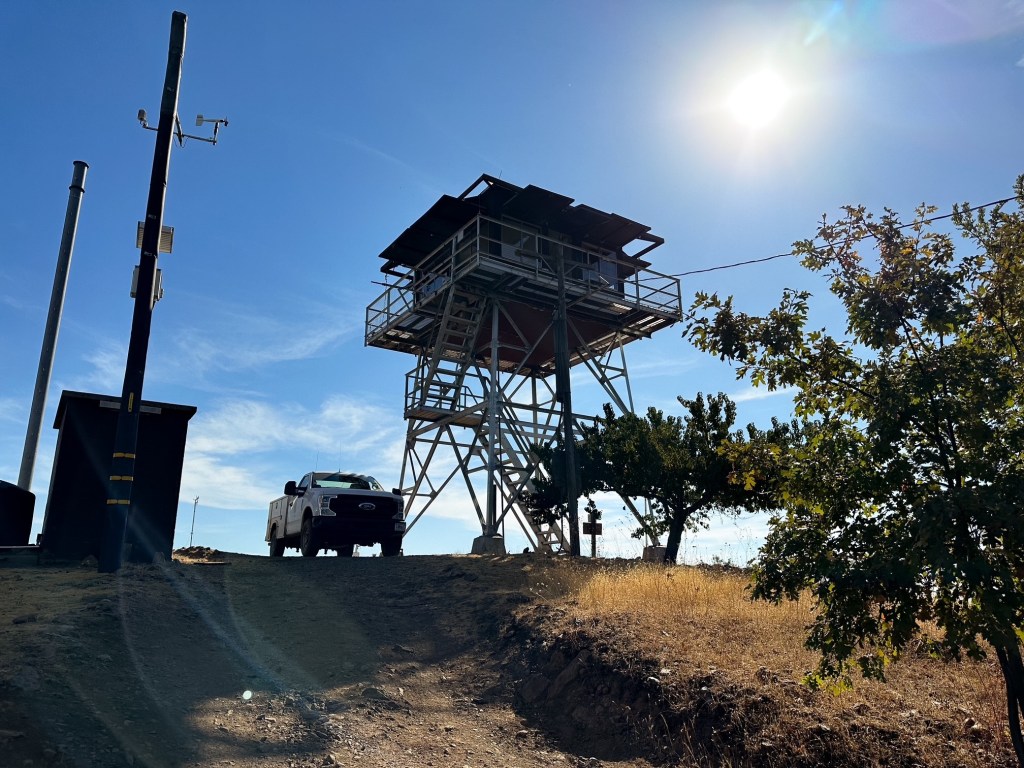
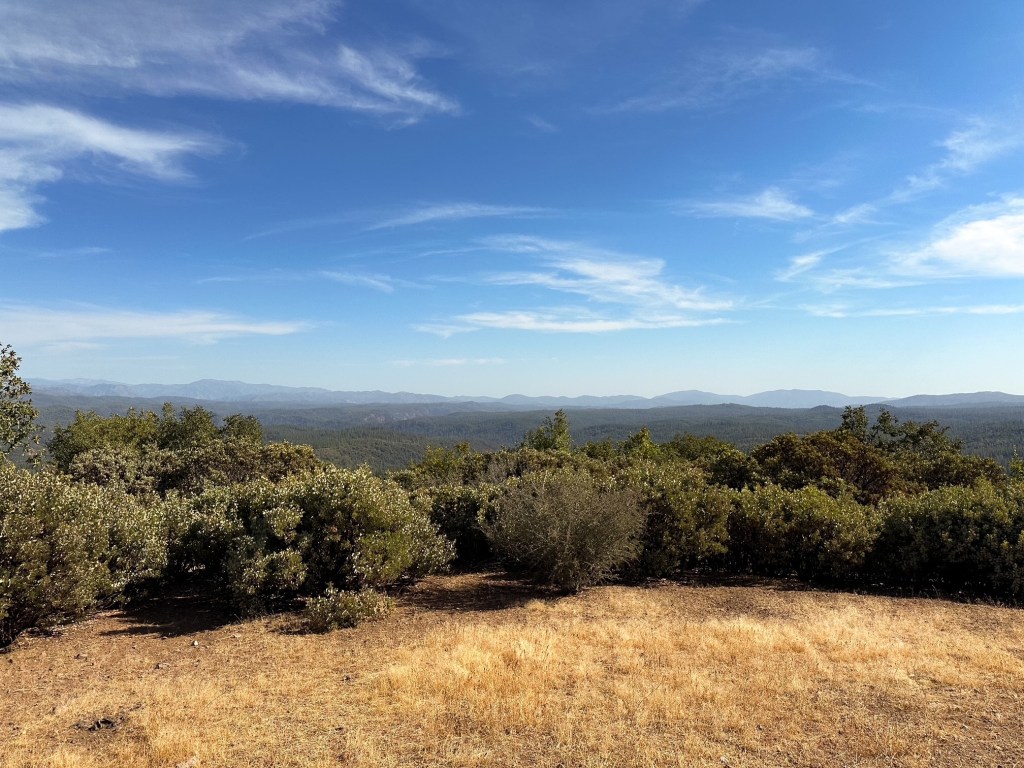
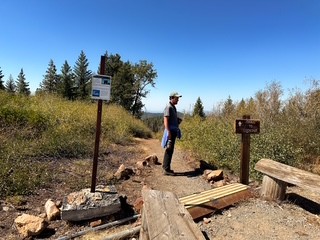
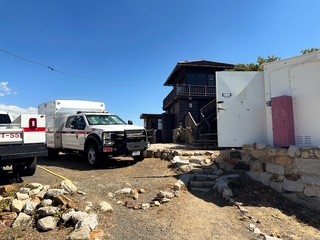
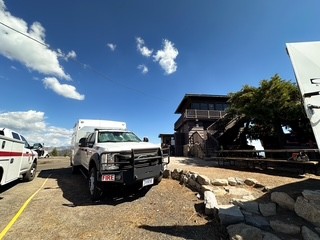
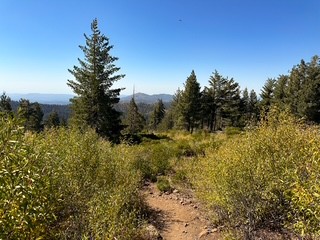
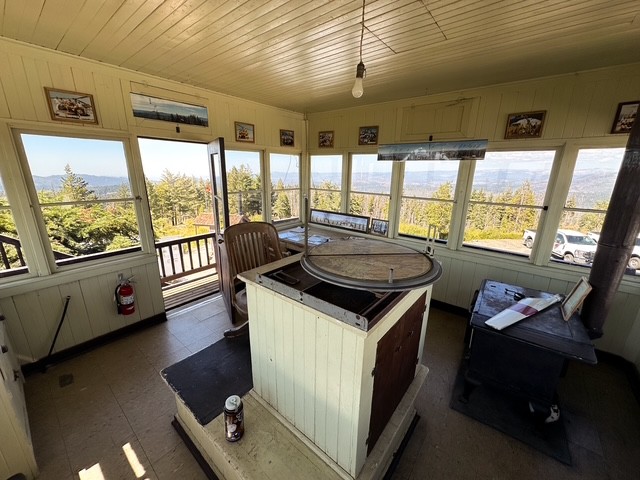
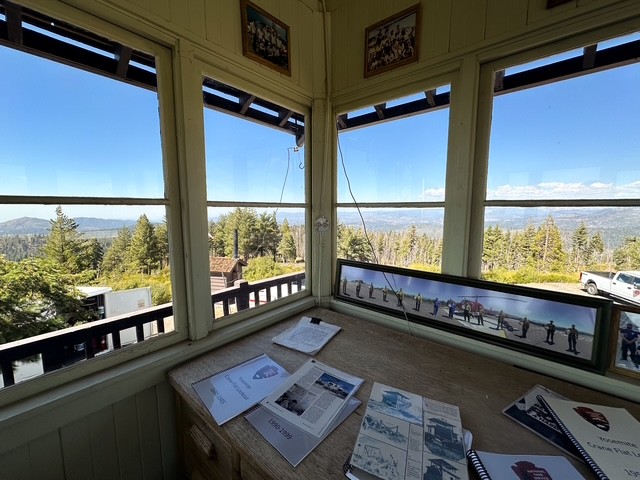
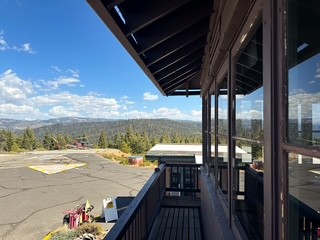
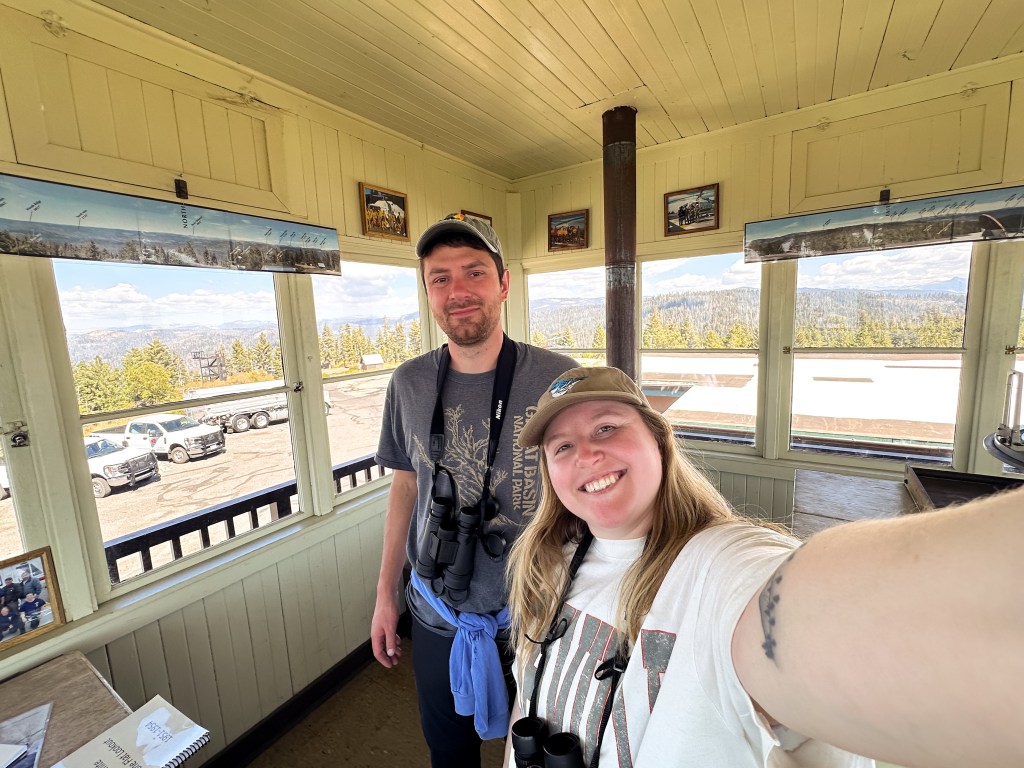
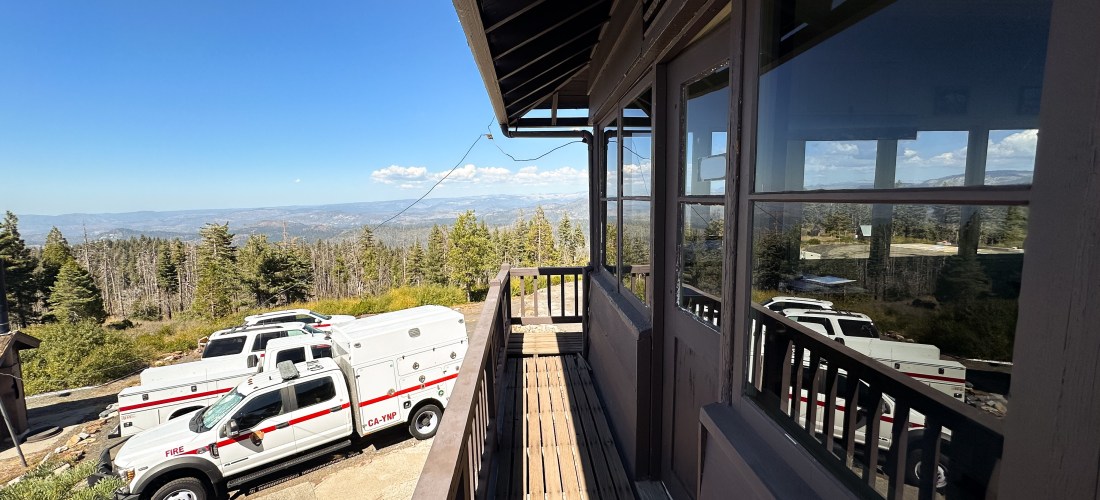
The summit is occupied by a mixed working crew of fire management and SAR. They are specially trained to manage fires and make backcountry rescues via helicopter. Due to the popularity of rock climbing in the park many rescues are vertical in nature. The trail that starts from the parking area helps to direct visitors around the helipad and keep them out of the way during emergencies. Please be respectful when visiting and do not disturb the crews onsite – they are there for your safety not your entertainment. While the majority of buildings onsite are off limits, the fire lookout structure is open to the public as a standing exhibit. There is a ton of information inside that offers the history of the lookout and the crews that occupy the area. We had the lookout to ourselves and didn’t see anyone on trail the majority of the hike up. We did help a couple in their car along the paved road that was trying to locate the Crane Flat campground. They somehow ended up on the road to the lookout instead – GPS can do that if you’re not careful. We spent a decent amount of time enjoying the surrounding view trying to pick out the other lookout towers just outside the park. This was an out and back hike so we followed the same route back to the car. My Strava app calculated this at 3.05 miles RT with 452′ of elevation gain. Please note that the road is gated at times and might not be accessible to drive. If you hike from the base of the gated road it is around 3 miles RT as well with similar elevation gain according to AllTrails.

History.

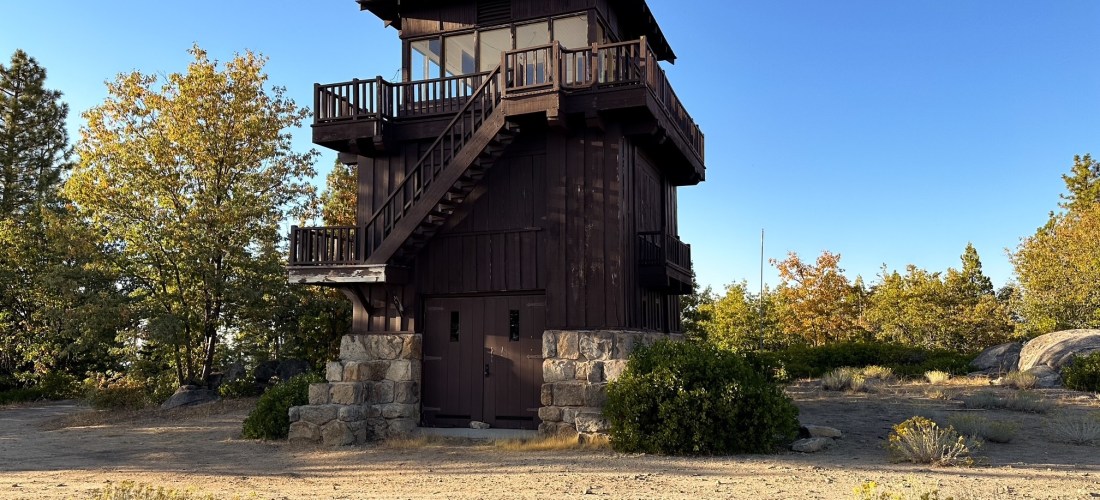
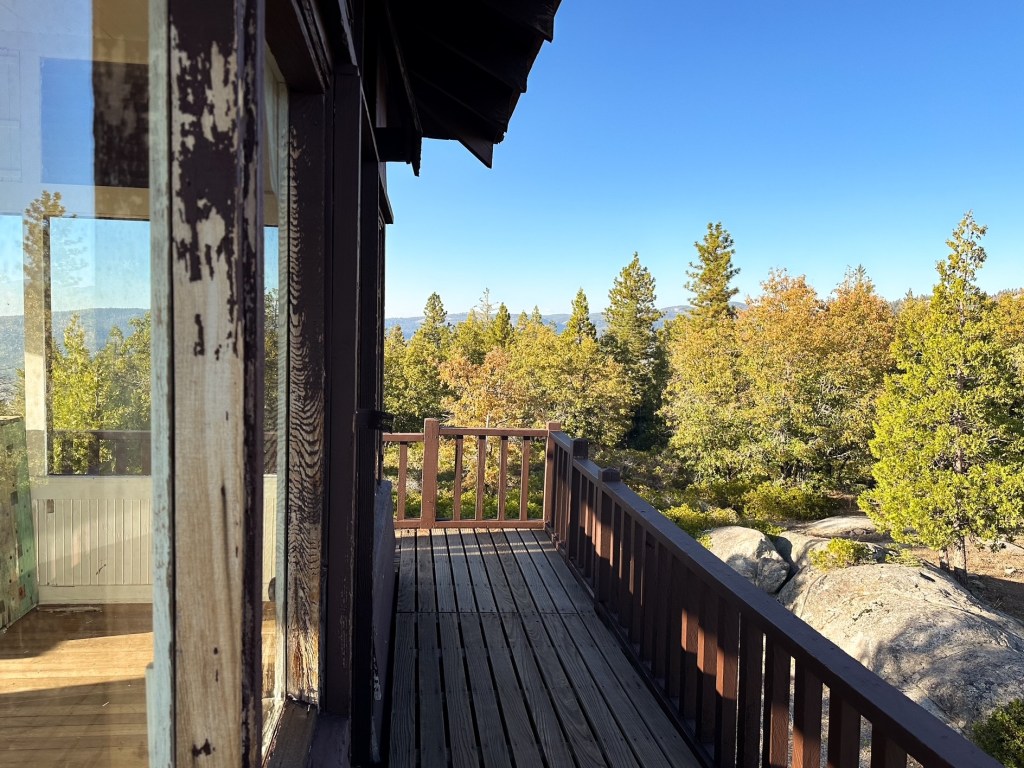
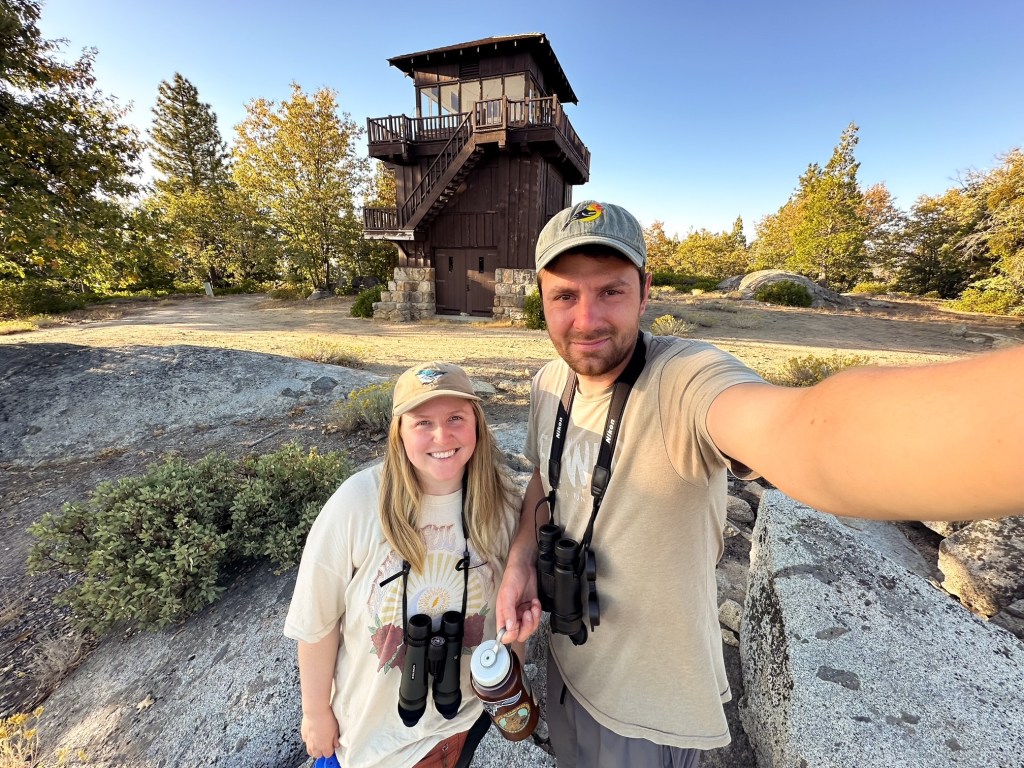
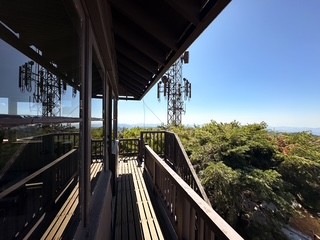
Crane Flat was the first fire lookout structure built within Yosemite National Park in 1931. This predates the time of the CCC and was built by the National Parks Service. The structure is a two-story rustic NPS style lookout with 13’x13′ wooden cab and catwalk. The first floor was used as a garage with storage and is built partially of stone. It was actively staffed into the 1980s but now stands as an educational site for visitors. Interestingly enough it seems the site is still utilized by fire crews within the park. There is a secondary structure onsite next to the fire lookout that houses Helitack, fire crews, and even SARs. The park still makes an effort to manage and maintain their wildfires but does so by helicopter now. The Helitack team is utilized to transport firefighters to the park’s remote areas, sling a Bambi Bucket to directly support fire suppression missions, and perform high-altitude SAR missions from vertical surfaces.

Sacramento National Wildlife Refuge L.O.

California Lookouts

Location.

Sacramento National Wildlife Refuge

Status.

Currently standing

Estimated drive time from Portland, OR.

8 hours

Date visited.

September 21, 2024

Elevation.

97′

National Historic Lookout Register.

US 1387; CA 210

Trip Report.

This was an easy on and off stop as we headed down for a week long trip to Yosemite NP and northern California. If you have read any of my other posts on Aermotor towers located on wildlife refuges you know how I feel about them. I will always appreciate an excuse to stop and look at some migrating birds though. We had already made multiple pit stops for gas and bathroom breaks on our way down the I-5 corridor and we didn’t really have time for another. We pulled off on exit 601 and made a left turn towards HWY-99W on CR-60 and then a right turn onto HWY-99W. We stayed on HWY-99W until we reached the refuge headquarters off to the left. There were no signs to point us in the right direction along this route, but it was easy enough to locate. If you take the next exit along I-5, there was a sign there for the refuge but you have to back track a little bit to reach it.

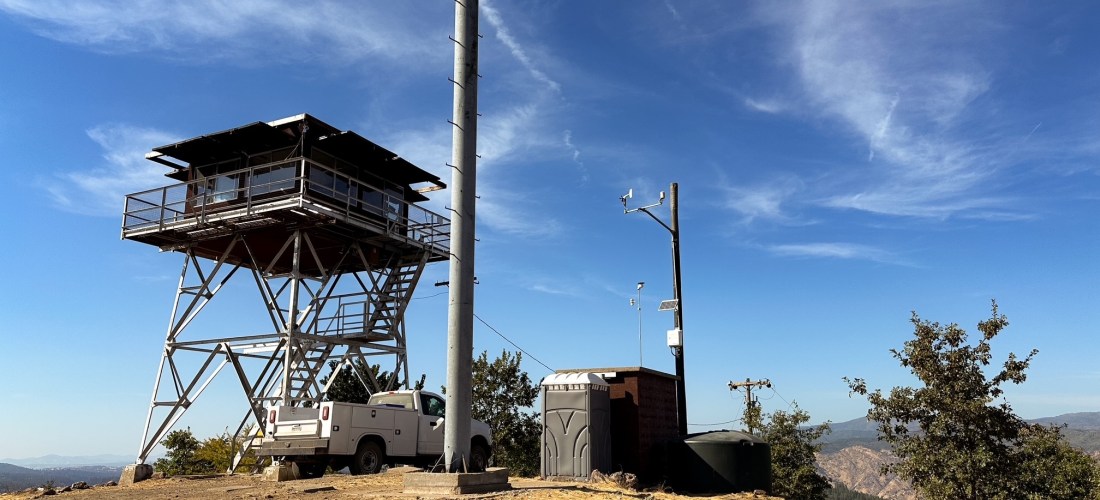
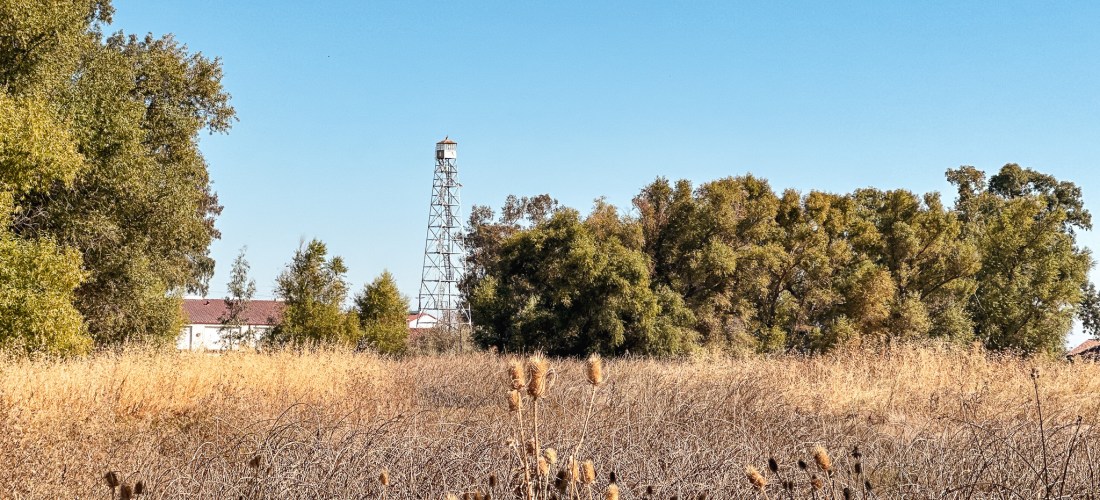
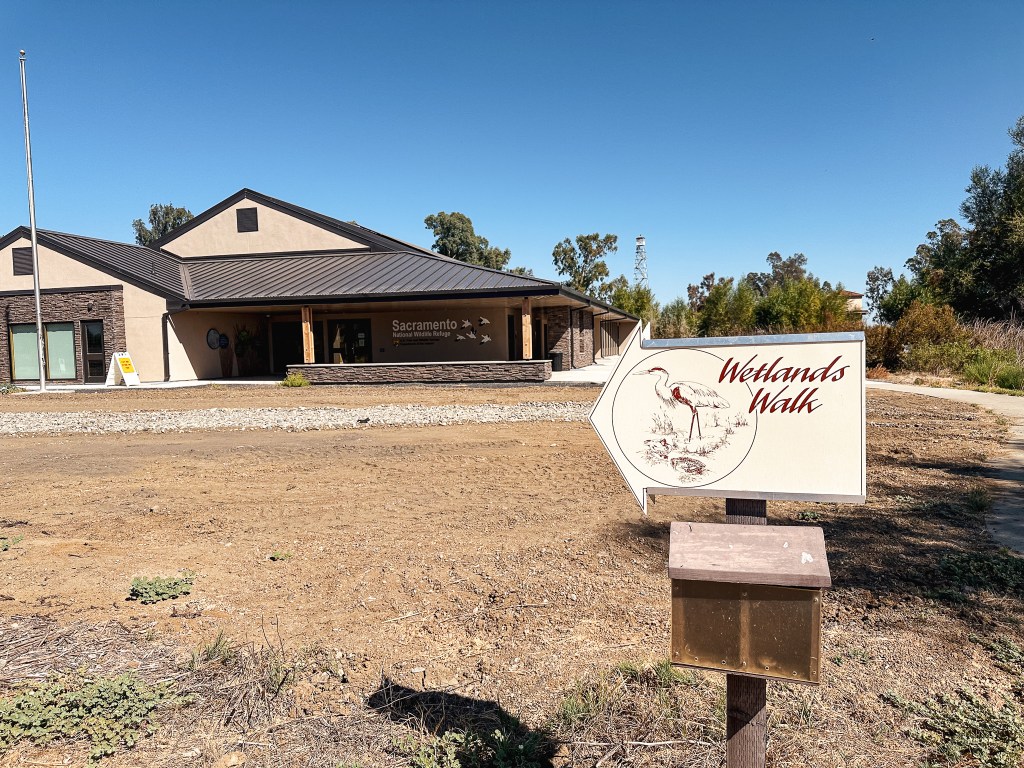
We pulled into the parking lot of the visitor center and could easily see the tower standing tall behind the buildings. The visitor center wasn’t open during our visit due to staffing shortages. The tower is located behind a gate on the grounds of the headquarters and is only accessible to authorized personnel. Though I am curious, if you were to ask nicely, if they would let you take a closer look. We turned on to the Wetlands Walking Trail from the visitor center to see if it offered any better views. We were able to get a bit closer, but there wasn’t much we could do about the restricted access. We weren’t too surprised since this seems to be fairly common with towers in wildlife refuge locations. Despite our time constraints, we decided to take the 6-mile auto tour through the refuge which added another hour of delay to our drive. It was a pleasant surprise to find hundreds of ducks, geese, and waterfowl stopped here along their migratory routes. You would never know it just by driving through on the interstate. We really enjoyed the design of their signs along the auto route as well. Each sign depicted different birds driving their car full of other bird friends. The lookout tower can be spotted along the auto route as well, but the best view is from the visitor center. It’s definitely worth the stop if you need a reason to stretch your legs.

History.

Built in 1937, this 100′ Aermotor steel tower with 7’x7′ observation cab was apart of the initial buildings when the Sacramento National Wildlife Refuge was first established. Similar to other wildlife refuge towers there does not seem to be any confirmation that these were ever used to detect wildfires. Most of these towers served to view wildlife in the surrounding area. In a 1986 Thorton Survey, the site is noted as the I-5 Lookout due to being just off the interstate.

Timber Mountain L.O.

California Lookouts

Location.

Modoc National Forest

Status.

Active; Currently standing

Estimated drive time from Portland, OR.

6 hours

Date visited.

April 10, 2022

Elevation.

5,071′

National Historic Lookout Register.

US 1333; CA 156

Trip Report.

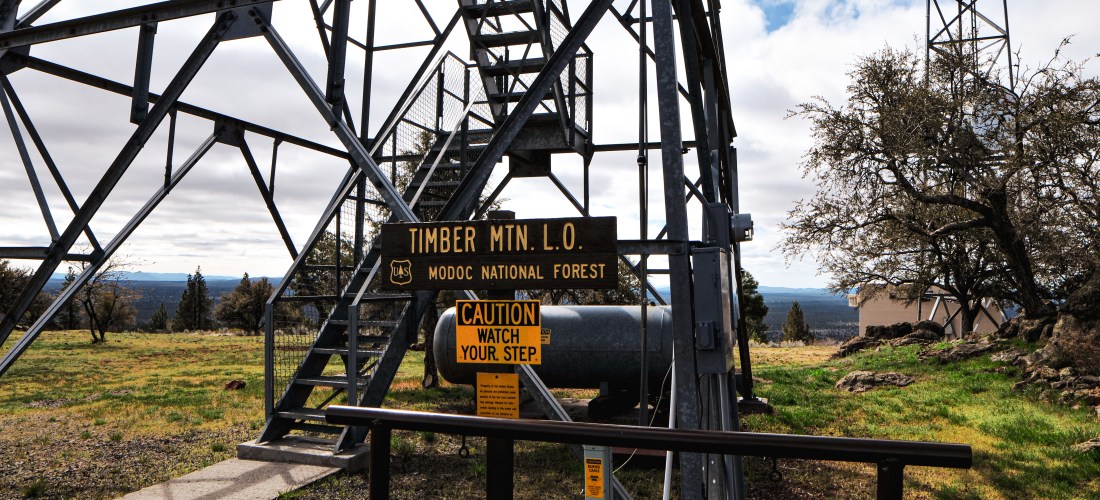
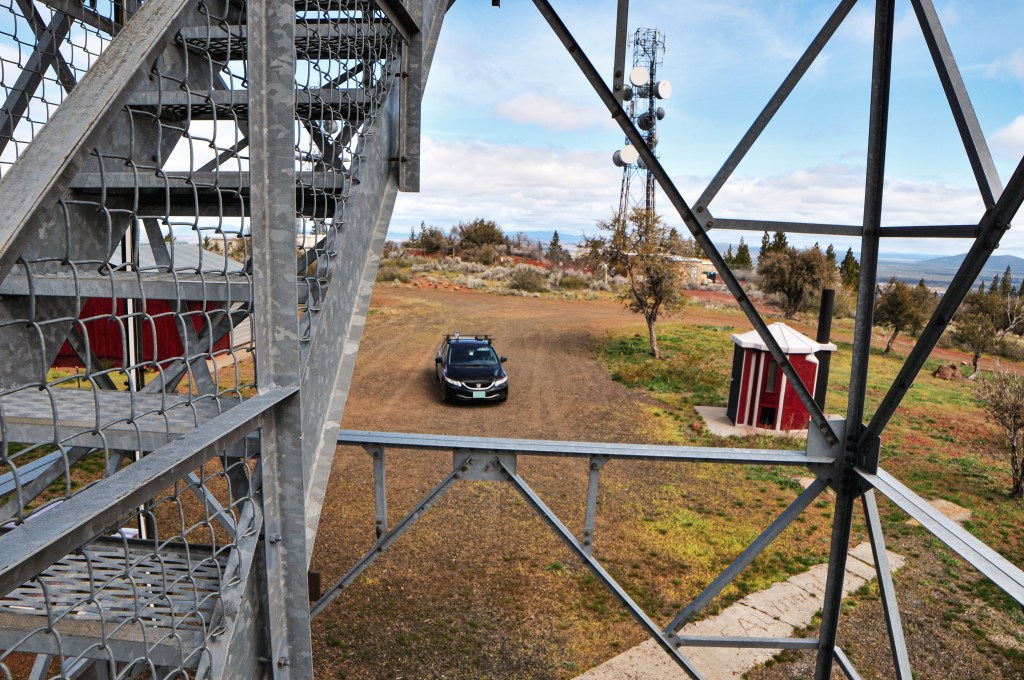
After deciding to visit Lava Beds NM, I wanted to see if there were any other fire lookouts close by that would be accessible. Unfortunately, there isn’t an equivalent map to Rex Kamstra’s fire lookout page for California, which is helpful in finding fire lookouts within the same area. I was able to find Timber Mountain L.O. after doing a bit of research. My partner downloaded the quadrangle map and the route looked simple enough. We figured in the worst case we would run into snow on the road but would be able to hike the remaining distance. We headed out in the morning towards the southern entrance of the Monument and the small community of Tionesta. The main paved road eventually turns into NF-10 that you will follow until it comes to a T-junction with CR-97. From the junction you will turn left. From here we were a bit turned around. The map shows that all the roads should connect but this is not exactly the case. We turned right on to CR-97A which leads to Eagle’s Nest RV Park. The road does in fact connect but there is a private party that has blocked the route with a gate. We headed back out to the main county road and turned right at the next CR-97C. We followed this road until it came to a three way junction. You will want to continue straight over the cattle guard on to road 44N18. This road will take you all the way to the summit. The road is well maintained gravel with only a few hazards. We were surprisingly able to drive all the way to the top in my Civic. There is a gate 1/2 mile from the summit that might be closed during different times of the year, but we found it open during our visit. We enjoyed the lookout to ourselves with lunch before heading back to the Monument for some caving. This was definitely one of the easier fire lookouts to access thus far.

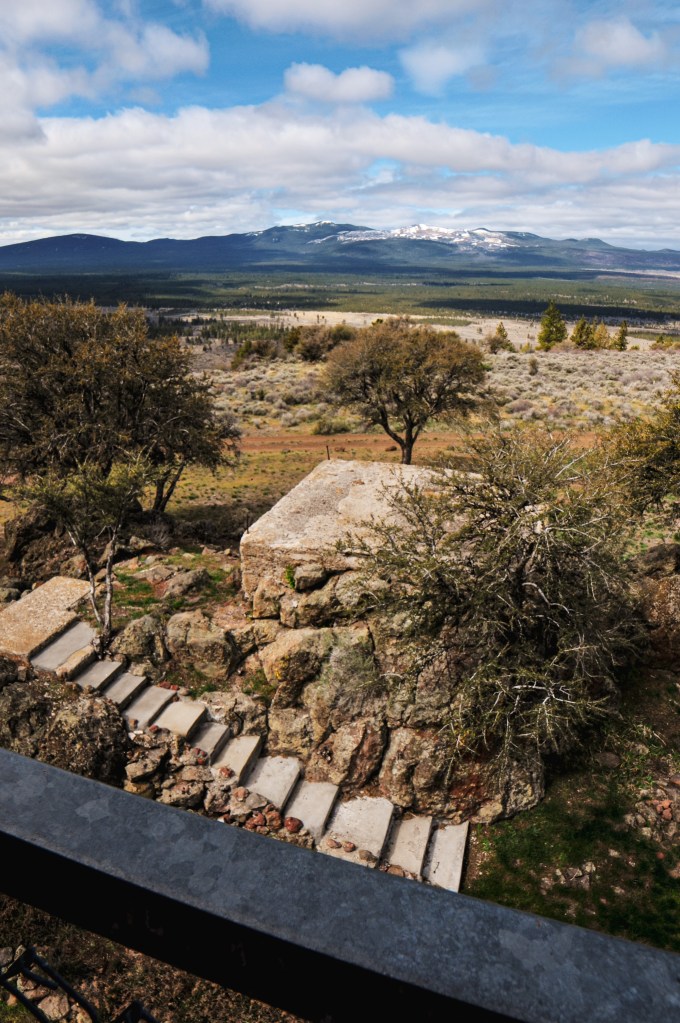
Looking towards Lava Beds NM & Schonchin Butte L.O.
Timber Mountain L.O. From Indian Wells CG

History.

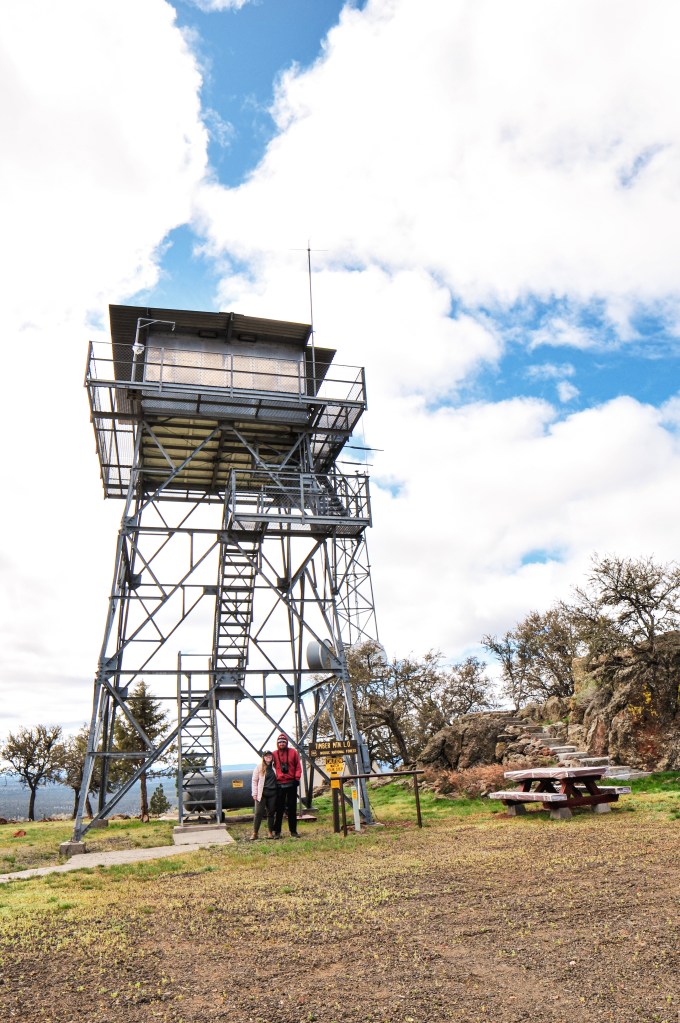
This site was recorded for administrative use as early as 1912. There isn’t much information on what structure, if any, was used back then besides a platform. There are remnants of an old foundation that can be found next to the existing lookout where the old platform used to sit. It is recorded in the National Historic Lookout Register that there was a previous L-4 or Region 5 BC-101 structure used from 1934. The current fire lookout was built in 1966 as a CL-100 plan with 30′ steel tower. It is even outfitted with running water and electricity. The Forest Service still actively staffs this lookout every season.

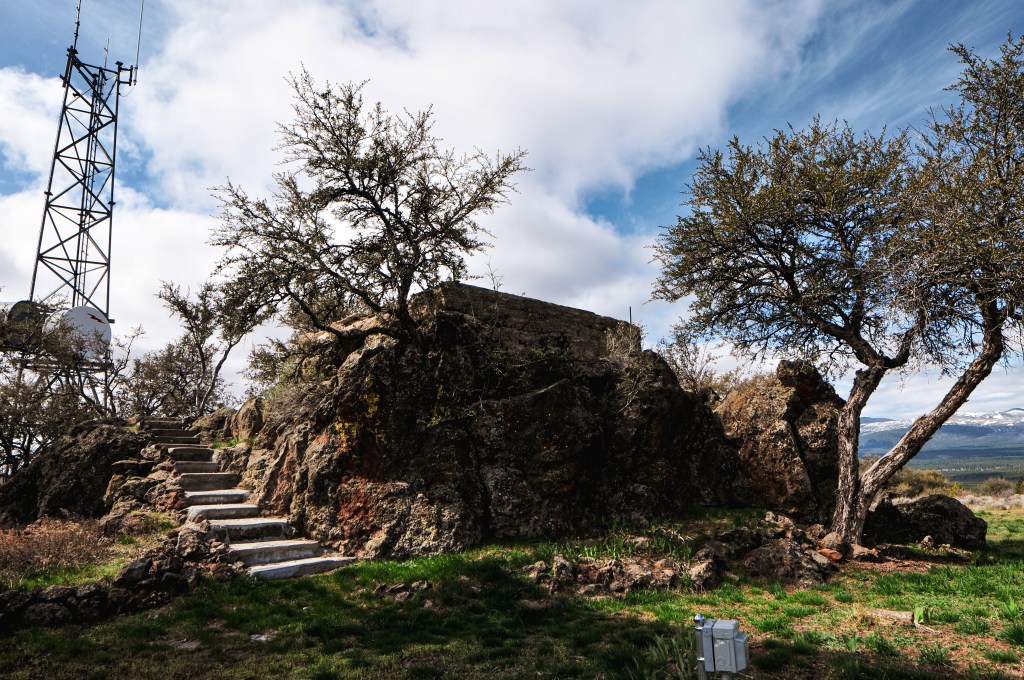
Old foundation

Tule Lake National Monument/Wildlife Refuge

California Lookouts

My partner found these two structures when researching other potential fire lookouts to visit in the area. Unfortunately, neither of these ended up having any recorded history in fire detection but were still interesting in their own unique way.

Sheepy Ridge Overlook

Date visited: April 8, 2022

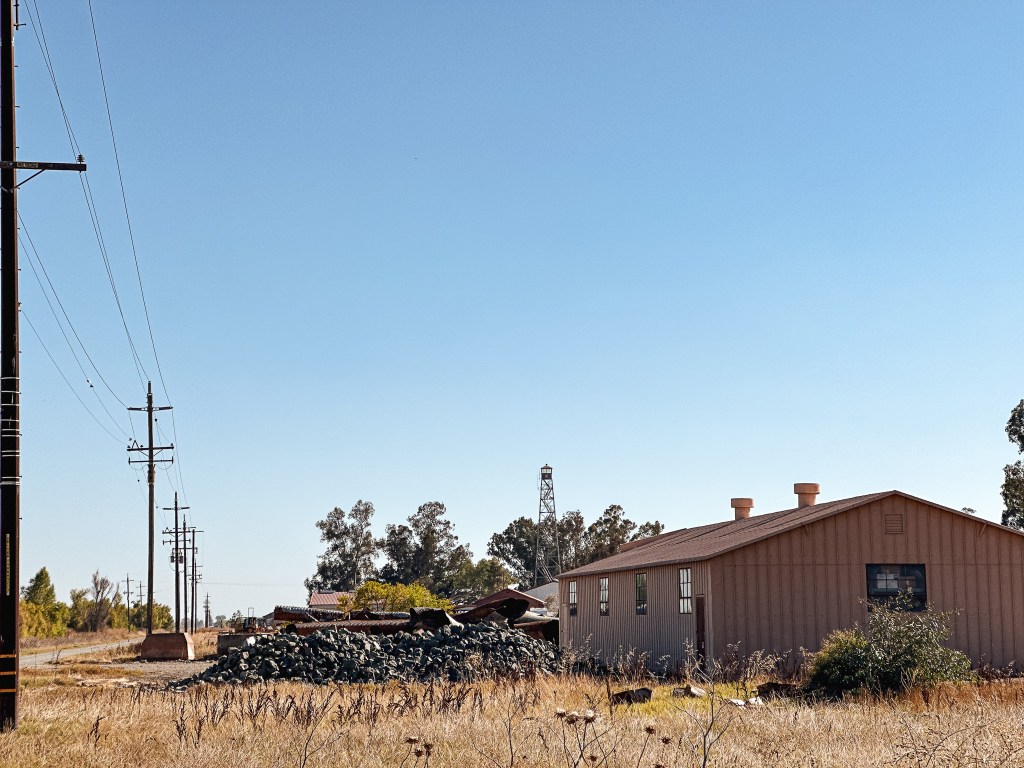
We wanted to stop at this overlook on our way into the Lava Beds National Monument since it’s located on the same route but accidentally drove past it. We had some extra time in the day before sunset and were able to drive back out after setting up camp. It’s only a short 30 min drive from the campground. This overlook was built from lava rock by the CCC in the 1930s for observation purposes. We hoped there might be some history of it being used as a fire lookout but I was unsuccessful in finding any information. It is located behind the Tulelake National Wildlife Refuge Visitor Center and is a short hike up. The trail is only 0.5 miles and climbs 170ft of elevation. From the overlook you have a great overview of the wildlife refuge and part of the Klamath Basin.

More Information.

National Wildlife Refuge

Tulelake-Butte Valley Fairgrounds Museum

Date visited: April 8, 2022

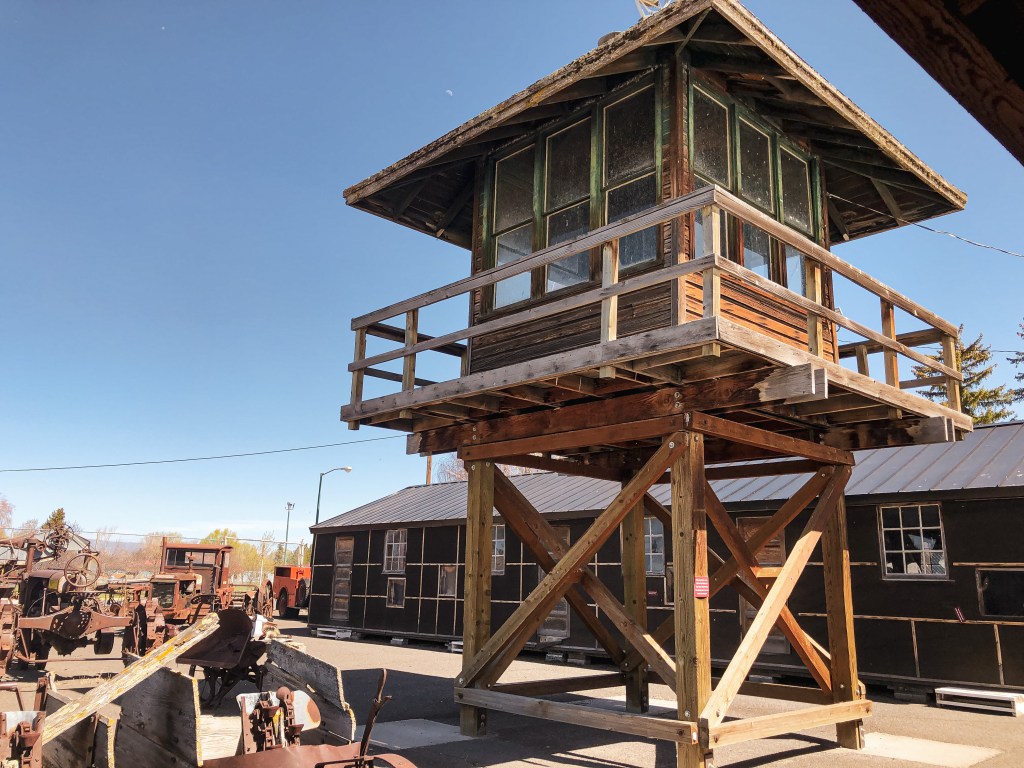
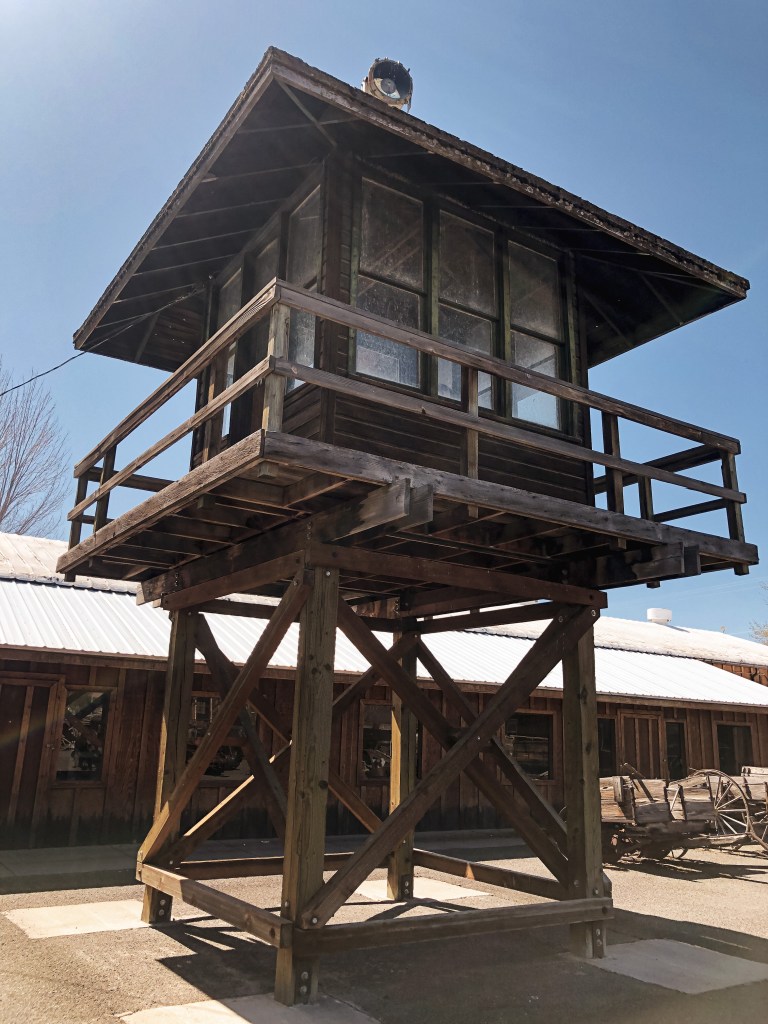
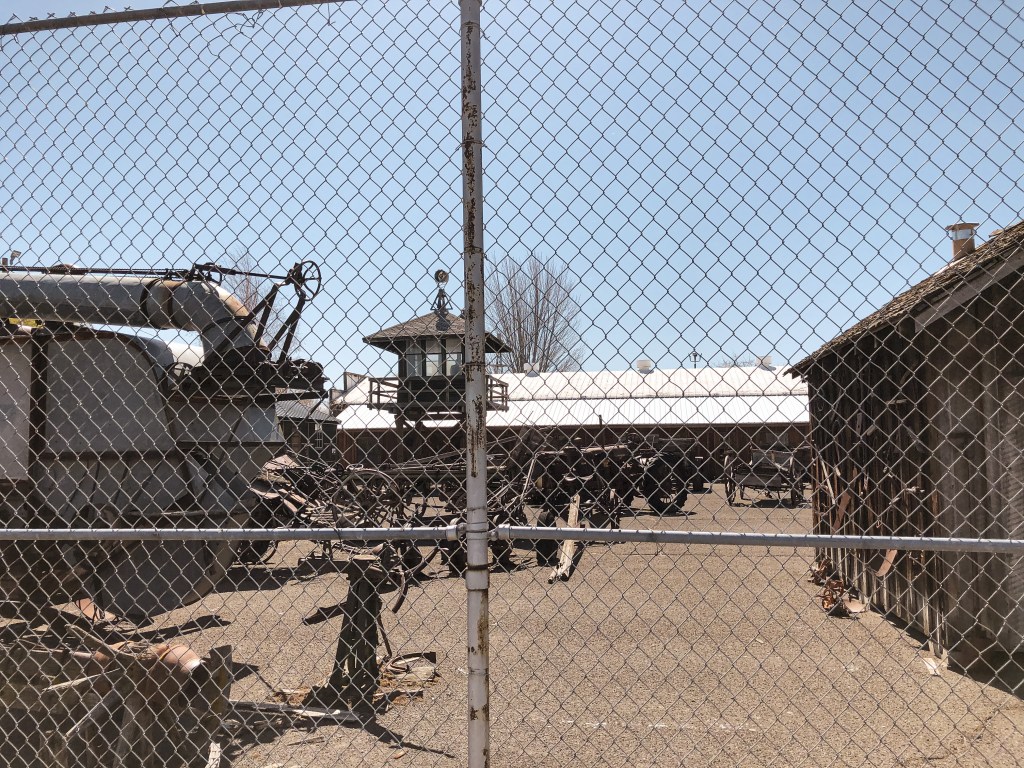
We passed through the town of Tulelake while heading to the Lava Beds NM for the weekend. Located just outside the town is the Tule Lake National Monument. This National Monument is the site of the Segregation Center and Camp Tulelake which were used to detain Japanese Americans during World War II. The visitor center is temporarily located at the Tulelake-Butte Valley Fairgrounds along with some other important exhibits. The Rangers only staff the National Monument from Memorial Day through Labor Day. We wanted to make a quick stop at the visitor center since there appeared to be a fire lookout based on pictures online. One of the fairground employees that was working there was nice enough to let us view the exhibits onsite. We found that what we thought to be a fire lookout was actually an observation tower used by the guards at the camps. There are a lot of great historical artifacts at this location from this dark period in history and it is worth the stop if you are in the area.

More Information.

National Park Service

Schonchin Butte L.O.

California Lookouts

Location.

Lava Beds National Monument

Status.

Staffed; Currently Standing

Estimated drive time from Portland, OR.

5-1/2 hours

Date Visited.

April 8, 2022

Elevation.

5,302′

National Historic Lookout Register.

US 1358; CA 181

Trip Report.

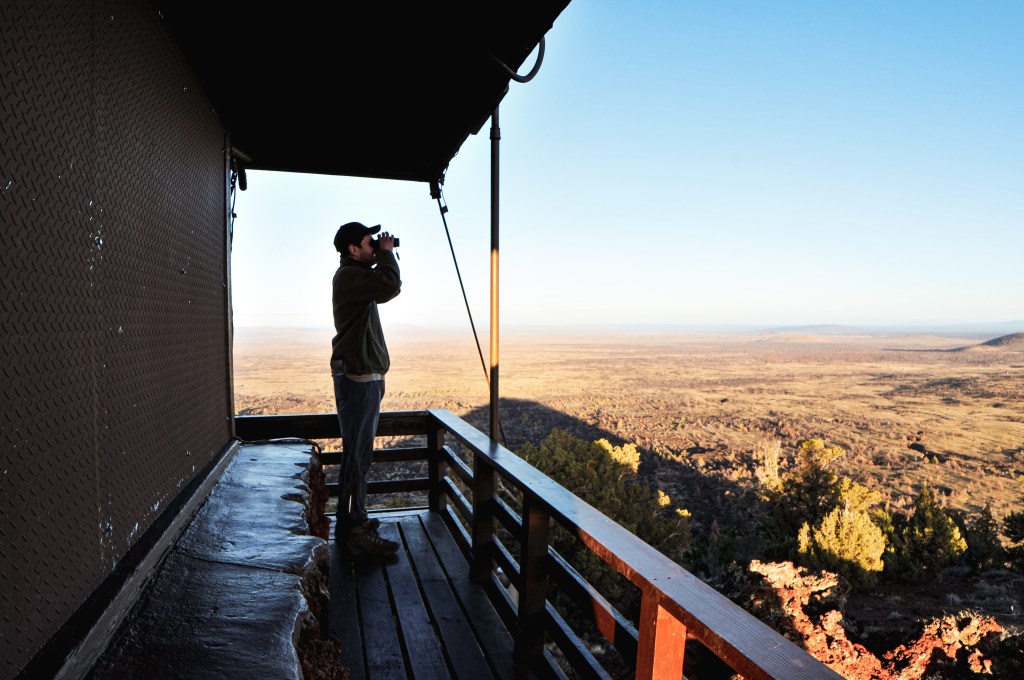
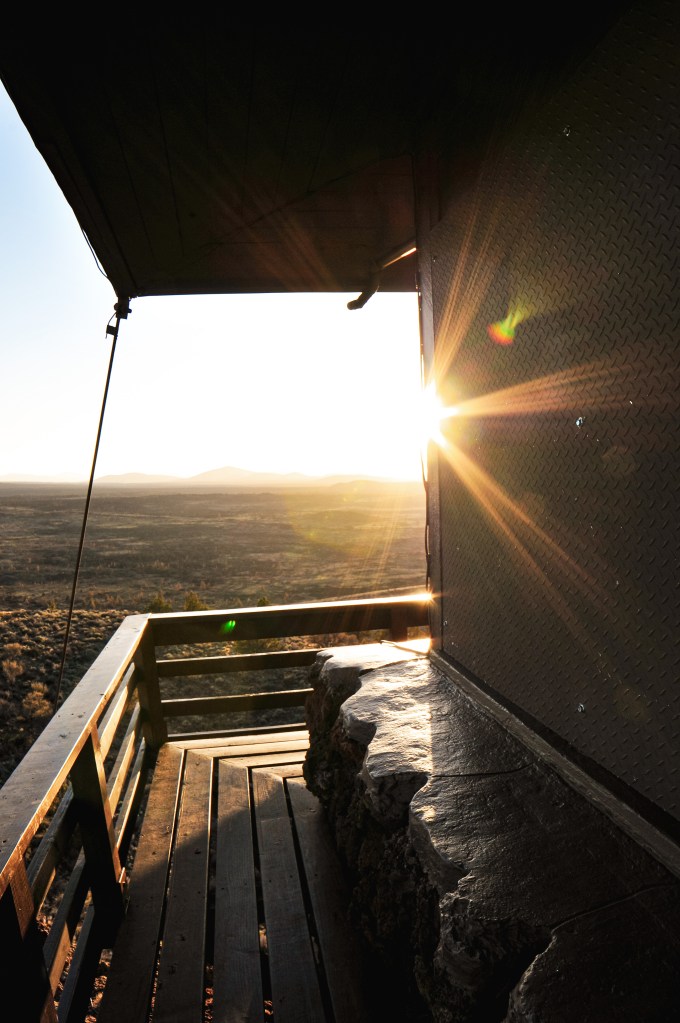
I had a four day weekend set aside to celebrate my 30th birthday this year. My original plan was to knock off a bucket list backpack to the Enchanted Valley in the Olympic NP but the weather forecast had other plans. With severe winter weather warnings across the state of Washington and Oregon, we decided to look farther south. I had never heard of Lava Beds National Monument until the week before when I was researching other options. It ticked all the boxes for what I was looking for in an alternate plan; somewhere my partner and I hadn’t been before, a sunny weather forecast, snow free, a fire lookout, and within reasonable driving distance for an extended weekend. We left Friday morning and spent the day driving across Oregon to the California border. There are multiple routes you can take to get to Lava Beds NM, but we took HWY-39 from Klamath Falls because wanted to stop in Tulelake beforehand to see part of the Tule Lake National Monument (post). There is a lot of history in this area that is often overlooked in our school systems and it is worth seeing first hand. We arrived at the Lava Beds NM early afternoon and had our pick of the camp spots in the Indian Wells campground. There was some daylight left after setting up camp and we decided to visit Sheepy Ridge Overlook (post) and Schonchin Butte L.O. for sunset. The hike up to Schonchin Butte L.O. is a short 0.7 mile trail that climbs 500′ in elevation to the top of a cinder cone. There is a signed road off the Volcanic Legacy Scenic Byway that you will take to get to the trailhead. It is a well maintained gravel road and drivable by any vehicle. We reached the summit just before sunset and enjoyed the lookout to ourselves. It was very windy and cold on the catwalk, but the sweeping views were worth it.

We spent the next few days checking out other points of interest in the park and drove out to see Timber Mountain L.O. (post) as well. Lava Beds NM offers a variety of things to do from caving their developed caves or hiking along historic sites. But no matter where you go in the park there seems to be a view of Schonchin Butte. Part of the Monument was still closed during our visit due to damage from the previous years wildfires. They also close some of their caves in the winter for hibernating bats that were still in affect. If you do plan on visiting any of their caves, you will need to stop at the visitor center for a caving permit and be aware of their protocols on White-Noise Syndrome. Despite having clear skies the first three days, we woke up to snow on our last morning. We quickly packed up camp and started our long drive home. The entire state of Oregon seemed to have been blanketed in snow as well. This meant avoiding all the high passes and taking the long way home.
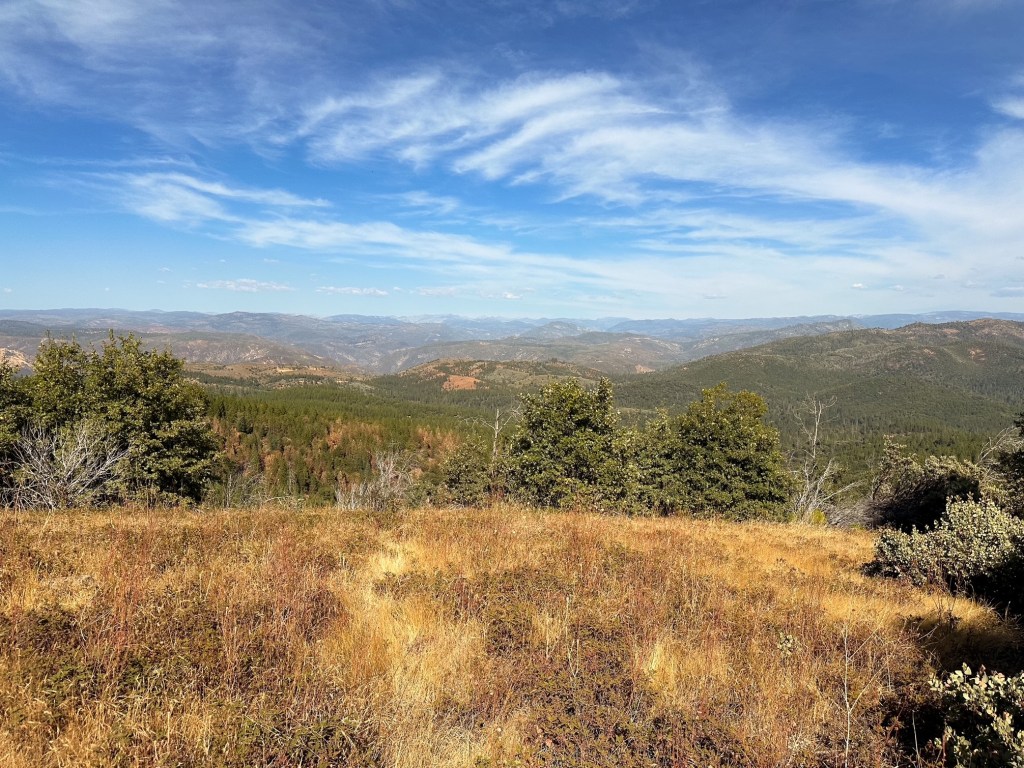
Schonchin Butte from Fleener Chimneys
Schonchin Butte from Indian Wells Campground

History.

The cinder cone that makes up Schonchin Butte is one of many eruption sites from over 65,000 years ago on the Medicine Lake Shield Volcano. A shield volcano is a low profile volcano that is named after its resemblance to a warrior’s shield laying on the ground. These types of volcanos are formed from highly fluid lava that travels farther creating a thinner profile. The cinder cones are then made from a glassy rock filled with gas bubbles called scoria. Schonchin Butte’s large cone was developed from the initial eruption throwing scoria high in the air. The bowl shaped crater on the summit was created from trapped gasses below releasing and causing the lava to become heavier.

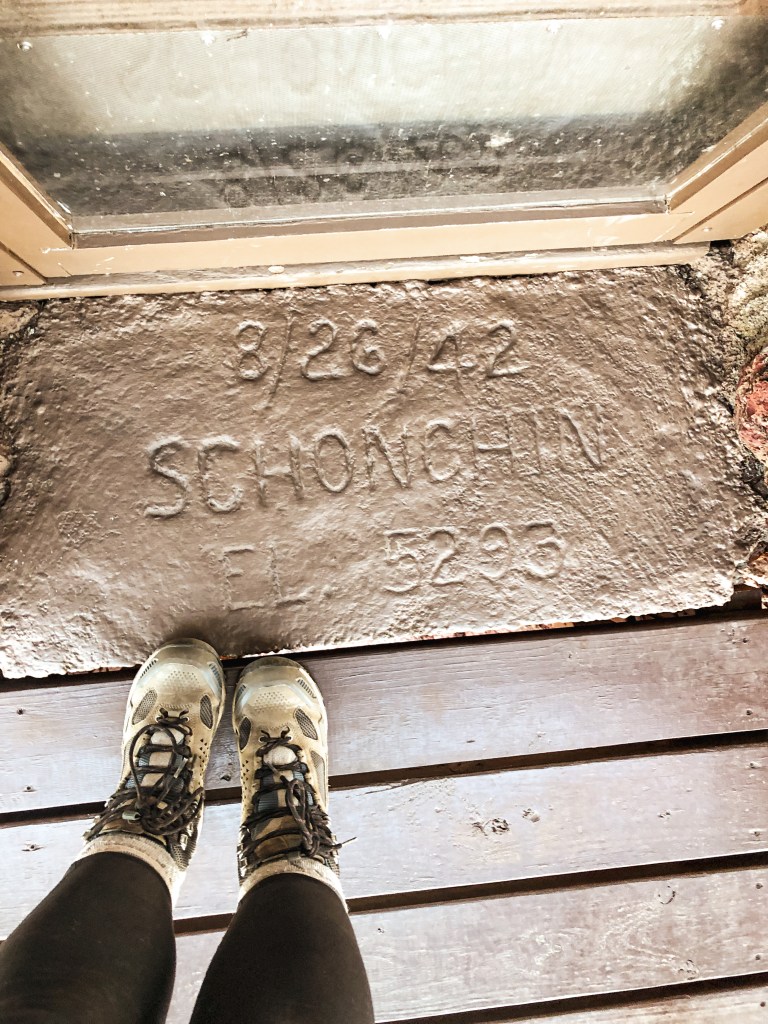
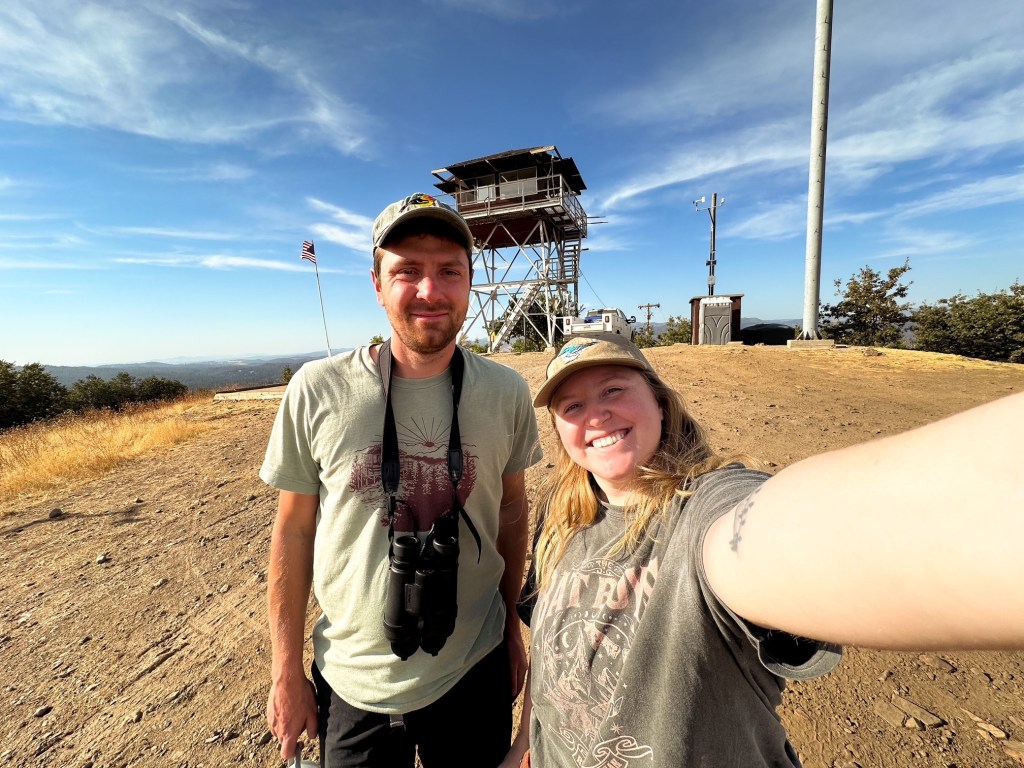
The lookout and trail on Schonchin Butte were built by the CCC camp stationed in Lava Beds. Construction started in 1939 and wasn’t completed until 1941. The CCC camp there contributed to making the monument what it is today. They even hand carried the needed materials to the summit which included lumber and cement. I couldn’t find specific information on the type of fire lookout since California designs are slightly different than Oregon, but it resembles a flat top R-6. The doorstep on the lookout has a date of 8/26/42 which is noted as the day it was installed. The elevation is also on the doorstep at 5,293′ but was later found to be 5,302′ by modern technology. Over the years the lookout has been updated and changed, but the physical structure has remained the same. The most recent renovations took place in June/July of 1994. The lookout is still staffed every summer from June to September, but the rangers no longer live in the lookout.
More Information.

National Park Service

AllTrails